If you share your home with cats or dogs, choosing plants safe for cats and dogs is not optional — it is essential. Many of the most popular houseplants are toxic to pets, and a curious nibble can lead to vomiting, drooling, difficulty breathing, or worse. The good news: there are plenty of beautiful, non-toxic alternatives that look just as stunning. Here are 10 gorgeous pet-safe plants listed as non-toxic by the ASPCA, plus detailed care tips, a toxic plant warning list, and pet-safe styling strategies.
1. Spider Plant (Chlorophytum comosum)
Spider plants are listed as non-toxic to cats and dogs by the ASPCA and are extremely easy to grow. The dangling spiderettes can be irresistible to playful cats; chewing them may cause mild stomach upset, as eating any plant can.
- Light: Medium to bright indirect; tolerates low light but grows slower
- Water: When top inch is dry, roughly weekly; brown tips usually mean tap water sensitivity — switch to filtered
- Care level: Beginner — one of the easiest houseplants to keep alive
- Growth habit: Arching leaves with baby plantlets on runners; looks stunning in hanging planters
- Propagation: Simply snip a spiderette and place in water or soil — roots in 1-2 weeks
2. Boston Fern (Nephrolepis exaltata)
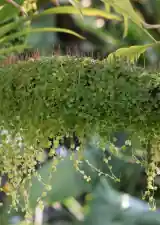
Boston ferns are lush, full, and listed as non-toxic to cats and dogs by the ASPCA. They love humidity, making them perfect for bathrooms. Their cascading fronds create a dramatic green waterfall effect from hanging planters or high shelves. They have been popular houseplants since the Victorian era.
- Light: Medium indirect; avoid direct sun which scorches fronds
- Water: Keep soil consistently moist but not soggy; mist leaves in dry weather or use a pebble tray
- Care level: Moderate — the main challenge is maintaining humidity above 50%
- Growth habit: Cascading fronds that can spread 3+ feet; sheds leaves if humidity drops too low
- Tip: Hang them high if your cat is a climber — they look best cascading anyway
3. Calathea (Calathea / Goeppertia spp.)
The ASPCA lists Calathea species as non-toxic to cats and dogs, which is great because these are some of the most beautiful foliage plants available. Their stunning patterned leaves — pinstripes, medallions, rattlesnake-like markings — fold up at night in a gentle "prayer" movement. They prefer indirect light and higher humidity, making them a bit more demanding but incredibly rewarding.
- Light: Low to medium indirect; scorches easily in bright light
- Water: Keep soil consistently moist; use filtered or distilled water — very sensitive to chlorine and fluoride
- Care level: Moderate — humidity and water quality are key
- Popular varieties: Calathea orbifolia (large round leaves), Calathea medallion (painted patterns), Calathea lancifolia (rattlesnake pattern)
- Growth habit: Bushy, upright; 1-2 feet tall; leaves move throughout the day
4. Parlor Palm (Chamaedorea elegans)
If you want a palm listed as non-toxic to cats and dogs by the ASPCA, the Parlor Palm is your go-to. It stays compact, tolerates low light, and adds a tropical feel. It has been thriving indoors since Victorian times — when parlors were often dimly lit rooms.
- Light: Low to medium indirect; one of the most low-light tolerant palms
- Water: When top inch of soil is dry, every 7-10 days; does not like soggy roots
- Care level: Beginner — forgiving and adaptable
- Growth habit: Graceful, arching fronds; stays compact at 2-4 feet indoors
- Note: The ASPCA also lists Areca Palm and Ponytail Palm as non-toxic, but always verify the specific species
5. Peperomia (Peperomia spp.)
The ASPCA lists many common peperomias as non-toxic to cats and dogs — including Baby Rubber Plant, Watermelon and Ripple Peperomia — and there are hundreds of varieties to choose from. From the watermelon peperomia (with its striped, melon-rind-like leaves) to the ripple peperomia (with deeply textured foliage), these compact plants offer incredible variety. They are perfect for small spaces, desks, and shelves.
- Light: Medium to bright indirect; some tolerate lower light
- Water: When soil is mostly dry; succulent-like leaves store water so they tolerate some neglect
- Care level: Beginner — very forgiving
- Popular varieties: Peperomia obtusifolia (Baby Rubber Plant), Peperomia argyreia (Watermelon), Peperomia caperata (Ripple), Peperomia prostrata (String of Turtles — not on the ASPCA list; NC State Extension tags it non-toxic)
- Growth habit: Compact, most stay under 12 inches; some varieties trail beautifully
6. African Violet (Saintpaulia)
African violets are listed as non-toxic to cats and dogs by the ASPCA, and they can bloom indoors for much of the year. Their fuzzy leaves and purple, pink, or white flowers add color to windowsills, and they are listed as non-toxic to cats and dogs by the ASPCA. With hundreds of cultivars available, from miniature to standard size, single to double blooms, there is incredible variety to explore.
- Light: Bright indirect; east-facing windows are ideal
- Water: Bottom water only — water on leaves causes brown spots; use room-temperature water
- Care level: Moderate — watering technique matters
- Growth habit: Compact rosettes, 6-12 inches; blooms continuously with proper care
- Tip: Self-watering pots are perfect for African Violets since they prefer bottom watering anyway
7. Haworthia (Haworthia spp.)
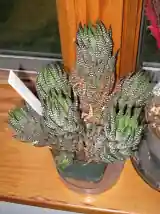
If you love the look of succulents but worry about toxicity (Aloe is mildly toxic to pets), Haworthia is the answer. These small, rosette-shaped succulents look similar to aloe but are listed as non-toxic to cats and dogs by the ASPCA. They are slow-growing, compact, and very tough — perfect for bright windowsills in pet-friendly homes.
- Light: Bright indirect; tolerates some direct morning sun
- Water: Every 2-3 weeks, let soil dry completely between waterings
- Care level: Beginner — very drought-tolerant
- Popular varieties: Haworthia fasciata (Zebra Plant), Haworthia cooperi (translucent tips), Haworthia retusa
- Growth habit: Tiny rosettes, 3-5 inches; produces offsets (pups) that can be separated for propagation
8. Polka Dot Plant (Hypoestes phyllostachya)
With pink, white, or red spotted leaves, Polka Dot Plants add a splash of color that most houseplants cannot match. They are non-toxic and stay relatively small, making them great for desks, terrariums, and shelves. They can get leggy over time — regular pinching keeps them bushy and compact.
- Light: Bright indirect; colors fade in low light
- Water: Keep soil consistently moist; wilts dramatically when thirsty but bounces back quickly
- Care level: Beginner — fast-growing and easy to propagate
- Growth habit: Bushy, 6-12 inches; pinch regularly to prevent legginess
- Note: Technically a short-lived perennial; may decline after flowering but is easily replaced from cuttings
9. Friendship Plant (Pilea involucrata) and Chinese Money Plant (Pilea peperomioides)
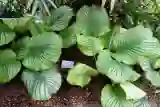
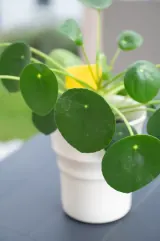
The ASPCA lists the Friendship Plant and several other Pilea species as non-toxic to cats and dogs. The Chinese Money Plant is not on the ASPCA list, but NC State Extension describes it as safe for pets. The Chinese Money Plant (Pilea peperomioides) with its round, coin-shaped leaves has become a popular choice in recent years. It is also one of the easiest plants to share — it produces plenty of baby plants (pups) around its base that can be separated and gifted.
- Light: Bright indirect; rotate regularly for even growth
- Water: When top inch is dry, every 7-10 days
- Care level: Beginner — easy to propagate from pups
- Growth habit: Compact, upright; 8-12 inches tall; produces offsets regularly
- Tip: If your Pilea drops lower leaves, it is usually reaching for more light or overwatered
10. Prayer Plant (Maranta leuconeura)
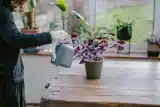
Prayer plants fold their leaves upward at night like hands in prayer — a movement called nyctinasty that is fascinating to watch. They are non-toxic, love humidity, and have gorgeous herringbone-patterned leaves in green, red, and cream. Keep them in indirect light for the best coloring and watch them move throughout the day.
- Light: Low to medium indirect; too much light fades the patterns
- Water: Keep soil consistently moist; use filtered water (sensitive to chemicals)
- Care level: Moderate — needs humidity and consistent moisture
- Growth habit: Low, spreading; trails beautifully from hanging planters; 6-12 inches tall
- Related plants: Stromanthe, Ctenanthe — similar prayer movements, but not listed by the ASPCA, so check with your vet
Pro Tip
Even non-toxic plants can cause mild stomach upset if your pet eats large amounts. Cats especially are attracted to dangling plants. Place trailing plants like Spider Plants and Boston Ferns in hanging planters or on high shelves. Provide cat grass (wheat grass) as a safe alternative for cats that love to chew greens — it redirects their nibbling instinct.
Common Toxic Houseplants to Avoid (Warning List)
If you have pets, steer clear of these popular but toxic houseplants. This is not a complete list — always check the ASPCA Toxic and Non-Toxic Plant database (aspca.org) before bringing any new plant home.
| Plant | Toxic To | Symptoms | Severity |
|---|---|---|---|
| Sago Palm | Cats and dogs | Vomiting, liver failure, seizures | Extremely toxic — potentially fatal |
| Lily (true lilies — Lilium, Hemerocallis) | Cats | Kidney failure within 24-72 hours | Extremely toxic — potentially fatal to cats |
| Oleander | Cats and dogs | Heart problems, collapse | Extremely toxic |
| Dieffenbachia (Dumb Cane) | Cats and dogs | Intense oral pain, swelling, drooling, difficulty swallowing | Moderate to severe |
| Philodendron | Cats and dogs | Oral irritation, drooling, vomiting | Moderate |
| Pothos | Cats and dogs | Oral irritation, drooling, vomiting | Moderate |
| Monstera | Cats and dogs | Oral irritation from calcium oxalate crystals | Moderate |
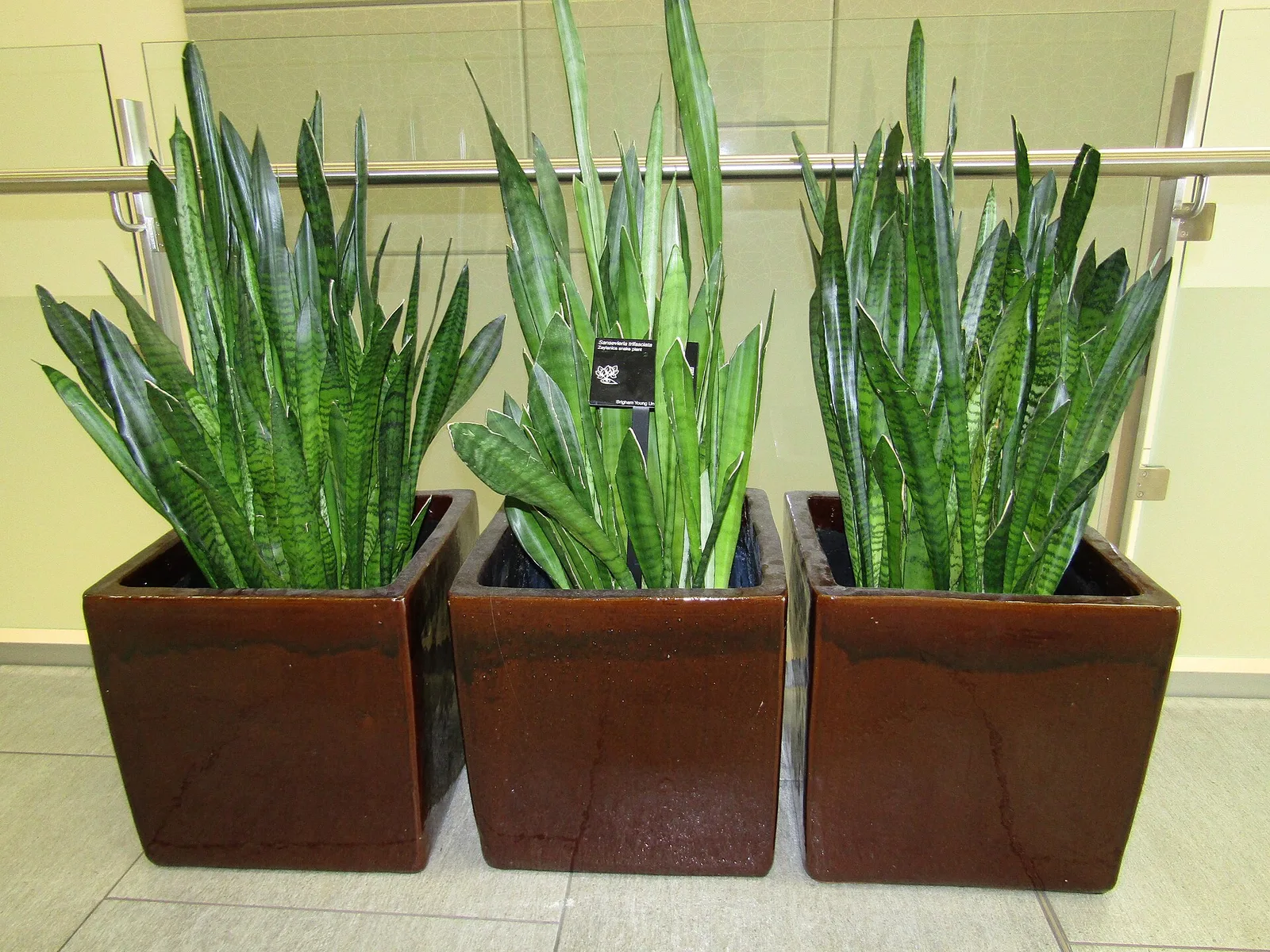
| Snake Plant | Cats and dogs | Nausea, vomiting, diarrhea | Mild to moderate |
| Aloe Vera | Cats and dogs | Vomiting, diarrhea, lethargy | Mild to moderate |
| ZZ Plant | Cats and dogs | Oral irritation from calcium oxalate crystals | Mild to moderate |
| Rubber Plant (Ficus elastica) | Cats and dogs | Oral irritation, vomiting | Mild |
| Jade Plant | Cats and dogs | Vomiting, depression, incoordination | Mild to moderate |
Safe vs Toxic: Common Houseplants Comparison
| If You Want This Look | Toxic Option | Pet-Safe Alternative |
|---|---|---|
| Trailing vine | Pothos | Spider Plant, String of Turtles (Peperomia prostrata) |
| Large tropical leaves | Monstera, Philodendron | Calathea orbifolia, Cast Iron Plant |
| Upright architectural plant | Snake Plant | Ponytail Palm, Haworthia |
| Palm / tropical feel | Sago Palm | Parlor Palm, Areca Palm |
| Succulent / desert look | Aloe Vera, Jade Plant | Haworthia, Echeveria |
| Colorful foliage | Caladium | Calathea, Polka Dot Plant |
| Flowering plant | Peace Lily | African Violet, Orchid (Phalaenopsis) |
What to Do If Your Pet Eats a Toxic Plant
If you suspect your pet has chewed or ingested a toxic plant, act quickly:
- Identify the plant if possible. Take a photo or bring a sample to the vet.
- Check for symptoms: Drooling, pawing at the mouth, vomiting, diarrhea, lethargy, difficulty breathing, swelling around the mouth or face.
- Call your vet or the ASPCA Animal Poison Control Center at (888) 426-4435 (a consultation fee may apply). They can advise on immediate treatment.
- Do NOT induce vomiting unless specifically instructed by a veterinarian. Some toxins cause more damage on the way back up.
- Monitor closely for the next 24-48 hours even if symptoms seem mild.
Pet-Safe Styling Tips
You do not have to sacrifice style for safety. Here are smart ways to display plants in pet-friendly homes:
- Go vertical with hanging planters. Macrame hangers, ceiling hooks, and wall-mounted planters keep plants well above curious noses and paws. Boston Ferns, Spider Plants, and Prayer Plants look stunning hanging.
- Use high shelves. Place plants on shelves at least 5 feet off the ground. Trailing plants like String of Turtles and Peperomia prostrata create a beautiful cascading effect from high perches.
- Create a plant corner with a barrier. A small decorative room divider or tall plant stand can create a "plant zone" that is harder for pets to access.
- Choose heavy, stable pots. Cats especially love to knock things over. Use heavy terracotta or ceramic pots that cannot be easily tipped. Avoid lightweight plastic pots on edges.
- Terrariums for small plants. A glass terrarium protects small plants like Peperomia and Polka Dot Plants from curious pets while creating a beautiful display.
- Avoid floor-level plants if you have chewers. Large floor plants are the easiest for pets to reach. If your dog or cat is a known plant chewer, stick to elevated displays only.
Pro Tip
Bitter apple spray (available at pet stores) can be lightly sprayed on leaves to deter chewing. It is non-toxic and tastes terrible to pets. Reapply after watering. This works especially well for cats that cannot resist Spider Plant spiderettes.
Browse all plants in our Pet-Friendly Plants collection.
Frequently Asked Questions
Are succulents safe for pets?
It depends on the species. Haworthia and Echeveria are listed as non-toxic by the ASPCA. Aloe Vera, Jade Plant, and Kalanchoe are toxic. Always check the specific species rather than assuming all succulents are safe.
Is it safe if my cat just licks a toxic plant?
Even licking can cause oral irritation from plants containing calcium oxalate crystals (like Pothos, Monstera, and Dieffenbachia). The crystals penetrate the soft tissue of the mouth and tongue, causing immediate pain and swelling. Monitor your cat and contact your vet if symptoms develop.
Are orchids safe for pets?
Phalaenopsis orchids (a type widely sold in stores) are non-toxic to cats and dogs. However, fertilizer in the potting medium could cause stomach upset if ingested, so keep them elevated.
My cat keeps eating my plants. How do I stop this?
Provide cat grass (wheat grass or oat grass) as a designated chewing plant. Many cats chew plants because they crave greens. Having an approved option often stops them from going after your houseplants. You can also try bitter apple spray on leaves and placing plants in inaccessible locations.
Sources and further reading
- Toxic and Non-Toxic Plants — ASPCA Animal Poison Control Center
- Toxic and Non-Toxic Plant List: Cats — ASPCA Animal Poison Control Center
- Toxic and Non-Toxic Plant List: Dogs — ASPCA Animal Poison Control Center