Tropical Plants
Calathea
Calathea orbifolia
In short: Medium light · medium water needs · non-toxic to cats and dogs (ASPCA)
Full Calathea care guideStunning patterned leaves that fold up at night like praying hands. Calatheas are living art for plant enthusiasts who love a challenge.
- Light
- Medium
- Water
- Medium
- Humidity
- High
- Growth
- Medium
- Mature size
- 1-3 feet depending on variety
- Temperature
- 65–80°F (18–27°C)
Some varieties produce small, inconspicuous flowers. Grown entirely for their spectacular foliage patterns.
Last updated
Overview
Calathea: The Prayer Plant Family
Calatheas (now reclassified as Goeppertia) are known for their beautifully patterned leaves. Their leaves feature intricate patterns, stripes, and colors that look hand-painted. At night, leaves fold upward in a prayer-like motion called nyctinasty.
Living Art
Every variety is a unique masterpiece with different patterns, colors, and leaf shapes. They are the houseplant world's answer to decorative art.
Popular Varieties
- Orbifolia: Large round leaves with silver-green stripes
- Medallion: Dark green with purple undersides and white patterns
- Rattlesnake: Long wavy leaves with dark spots
- White Fusion: White and green marbled leaves (most challenging)
Calatheas demand higher humidity and consistent care, making them better suited for experienced plant parents.

Watering
Keep soil consistently moist but never soggy. Water when top inch is dry. Use filtered, distilled, or rain water only — Calatheas can be sensitive to chemicals and minerals in tap water. Brown leaf edges are often linked to water quality.

Light
Medium indirect light. Think: bright enough to read comfortably, but no direct sun. Direct sunlight fades the patterns and scorches leaves. Too little light causes leggy growth. North or east-facing windows are ideal.

Soil
Rich, well-draining mix that retains moisture. Blend of potting soil, perlite, and peat moss or coco coir. Keep slightly moist but never waterlogged.

Fertilizing
Feed monthly during spring and summer with balanced liquid fertilizer at quarter strength. Calatheas are sensitive to salts — use less fertilizer than you think. Stop in fall/winter.

Propagation
Propagate by division during repotting. Carefully separate rhizome clumps with roots attached. Cannot be propagated from stem or leaf cuttings. Division is best done in spring when growth resumes.

Repotting
Every 1-2 years in spring. Use a pot only slightly larger. They prefer being cozy. Handle rhizomes gently. Fresh soil helps prevent salt buildup that causes brown edges.
Common problems
Brown leaf edges: The classic Calathea complaint. Almost always caused by tap water chemicals, low humidity, or both. Switch to filtered water and boost humidity.
Curling leaves: Underwatering or low humidity.
Fading patterns: Too much direct light.
Crispy leaves: Humidity too low. These plants need 50%+ humidity.
Pro tips
Water quality is everything: Switch to filtered, distilled, or rain water. Many growers find this helps with brown edges.
Humidity hack: Group with other plants, use a humidifier, or keep in a bathroom with natural light.
Night show: Watch the leaves fold up at sunset and unfold at dawn — mesmerizing movement called nyctinasty.

FAQ
Calathea questions
Starter kit
Get set up for your Calathea
Untick anything you already have.
The basics


Extras for your Calathea
Was this helpful?
Your answer helps us improve this page.
Your answer didn't go through. Please try again.
Thanks for your feedback!
Plant hub
Everything about Calathea
Step-by-step guides

Similar plants
Plants like this one
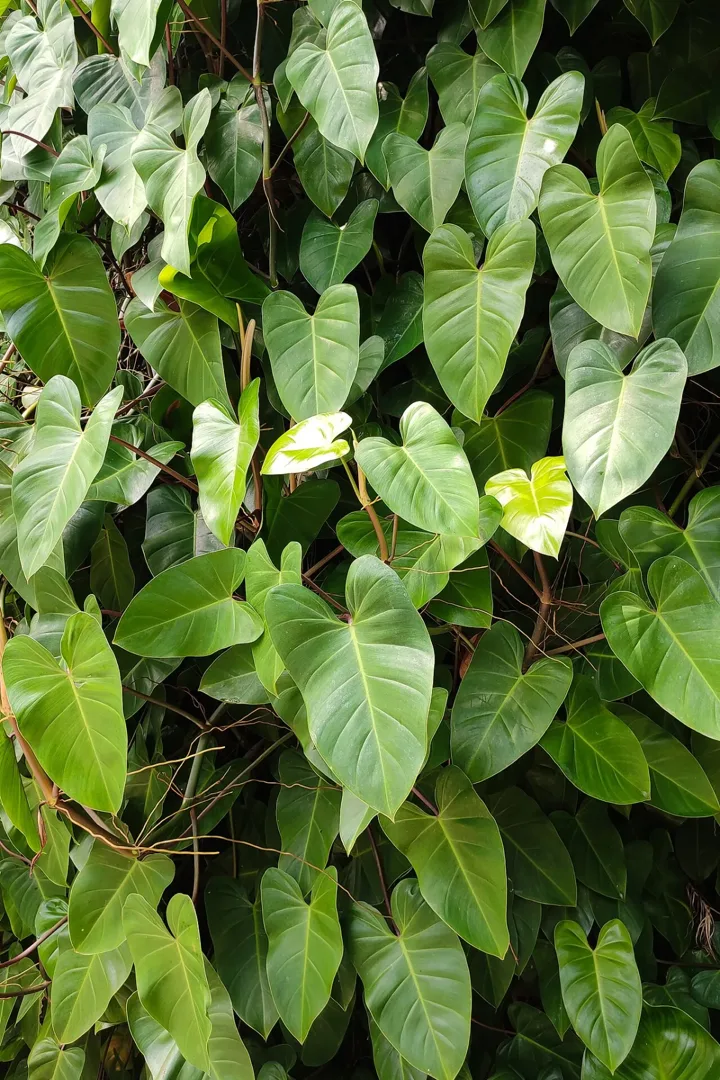
Heartleaf Philodendron
Philodendron hederaceum

Monstera Peru
Philodendron opacum

Monstera Thai Constellation
Monstera deliciosa Thai Constellation
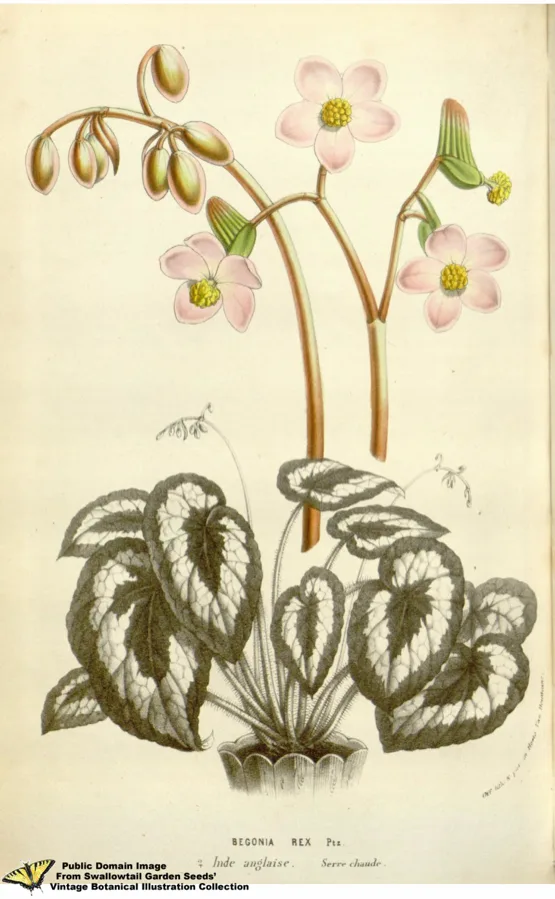
Rex Begonia
Begonia rex
Free care tools
Keep your Calathea thriving.
Get a watering schedule for your conditions, or work out what's wrong when something looks off.