Indoor Plants
Pilea
Pilea peperomioides
In short: Bright indirect light · medium water needs · not on the ASPCA plant list
Adorable round coin-shaped leaves on slender stems. The Chinese Money Plant is a trendy, easy-care favorite for modern interiors.
- Light
- Bright Indirect
- Water
- Medium
- Humidity
- Average
- Growth
- Medium
- Mature size
- 8-12 inches
- Temperature
- 55–80°F (13–27°C)
Spring · Can produce small, inconspicuous pink or white flower clusters on long stems. Not showy but a sign of a healthy, mature plant.
Last updated
Overview
Pilea: The Chinese Money Plant
Pilea peperomioides took the plant world by storm with its distinctive round, coin-shaped leaves on delicate petioles. Its clean, modern silhouette and generous pup production made it the "it" plant of the 2010s.
The Friendship Plant
Pilea produces offsets (pups) prolifically. The tradition of sharing these babies earned it the nickname "Friendship Plant" — you can grow your collection and share with friends from a single mother plant.
Modern Appeal
- Clean, graphic silhouette suits modern interiors
- Produces pups to share freely
- Non-toxic to pets
- Compact size perfect for shelves and desks
Once hard to find in shops, Pilea is now widely available and remains a popular houseplant.
Watering
Water when top inch of soil is dry. Pilea prefers consistent moisture but not soggy soil. The leaves droop slightly when thirsty — a helpful indicator. Water thoroughly and drain. Reduce in winter. Avoid getting water on the leaves consistently.
Light
Bright indirect light for best growth. Some direct morning sun is fine. Rotate regularly — Pilea reaches toward light aggressively and becomes lopsided without rotation. Too little light causes leggy, sparse growth.
Soil
Well-draining potting mix with perlite. Standard indoor potting soil mixed with perlite or pumice works well. Must drain quickly.
Fertilizing
Monthly during spring and summer with balanced liquid fertilizer at half strength. Light feeder. Stop in fall/winter.
Propagation
Incredibly easy — the plant does the work for you. Pups emerge at the base and can be separated when 2-3 inches tall. Cut the pup below the soil with some roots, and pot individually. Also roots easily from stem cuttings in water.
Repotting
Annually in spring. Move up one pot size. Remove pups during repotting to give the mother plant more room. Refresh soil for better drainage.
Common problems
Curling leaves: Too much light (curling downward) or too little water (curling inward).
Lopsided growth: Grows toward light. Rotate weekly for even shape.
Dropping lower leaves: Natural aging or overwatering.
Yellow leaves: Overwatering — let dry more between waterings.
Pro tips
Rotate weekly: Pilea leans strongly toward the light — rotate a quarter turn each week for symmetrical growth.
Pup production: Well-lit, slightly root-bound plants produce the most pups. Share them!
Dome shape: The natural pancake-leaf shape creates a beautiful dome silhouette when well-maintained.
FAQ
Pilea questions
Starter kit
Get set up for your Pilea
Untick anything you already have.
The basics
Extras for your Pilea
Was this helpful?
Your answer helps us improve this page.
Your answer didn't go through. Please try again.
Thanks for your feedback!
Similar plants
Plants like this one
 Non-toxic to pets
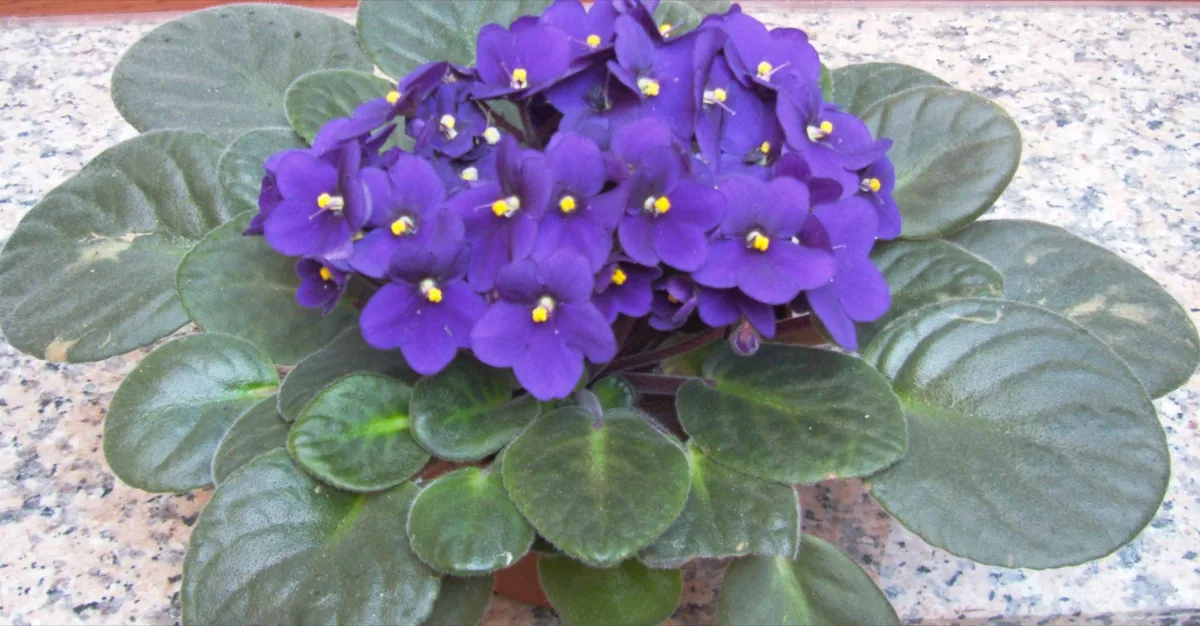
African Violet
Saintpaulia ionantha
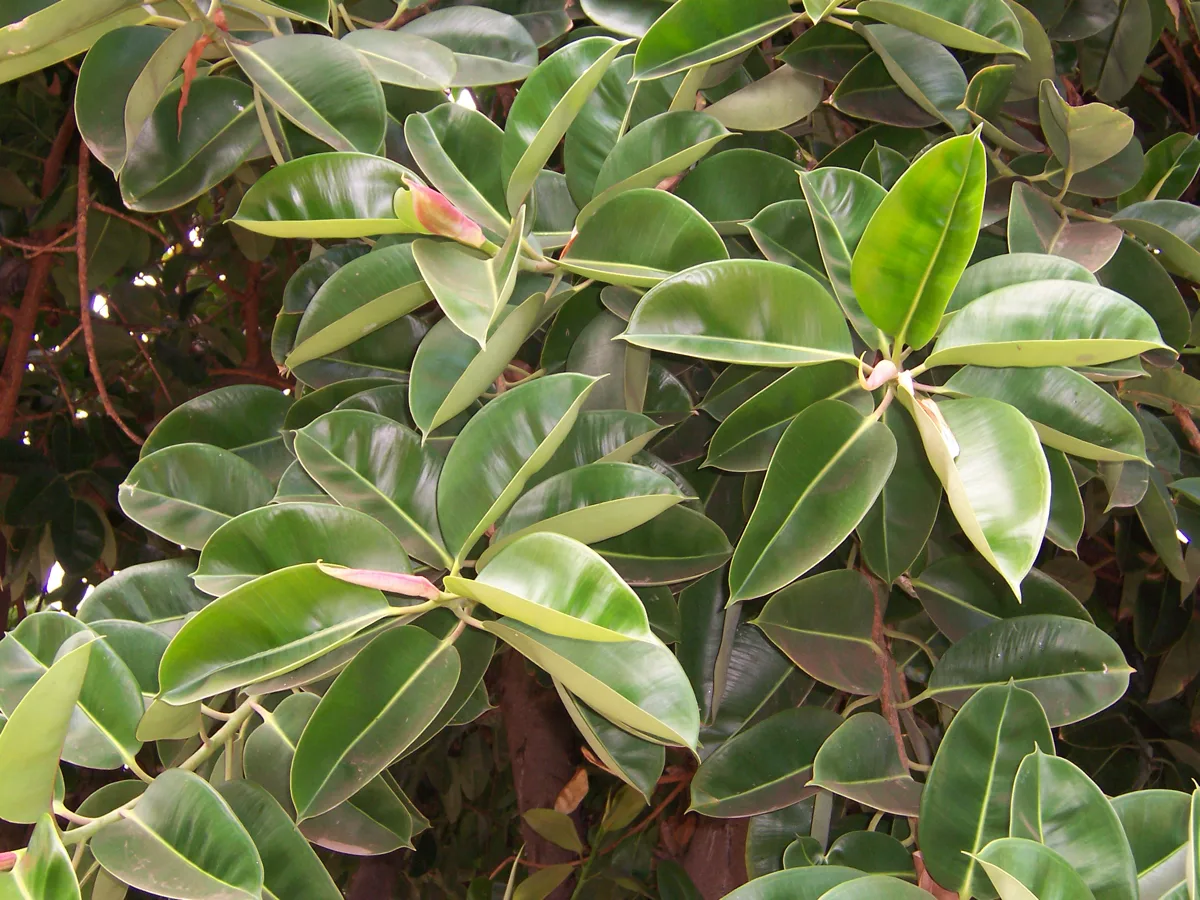
Rubber Tree Burgundy
Ficus elastica 'Burgundy'
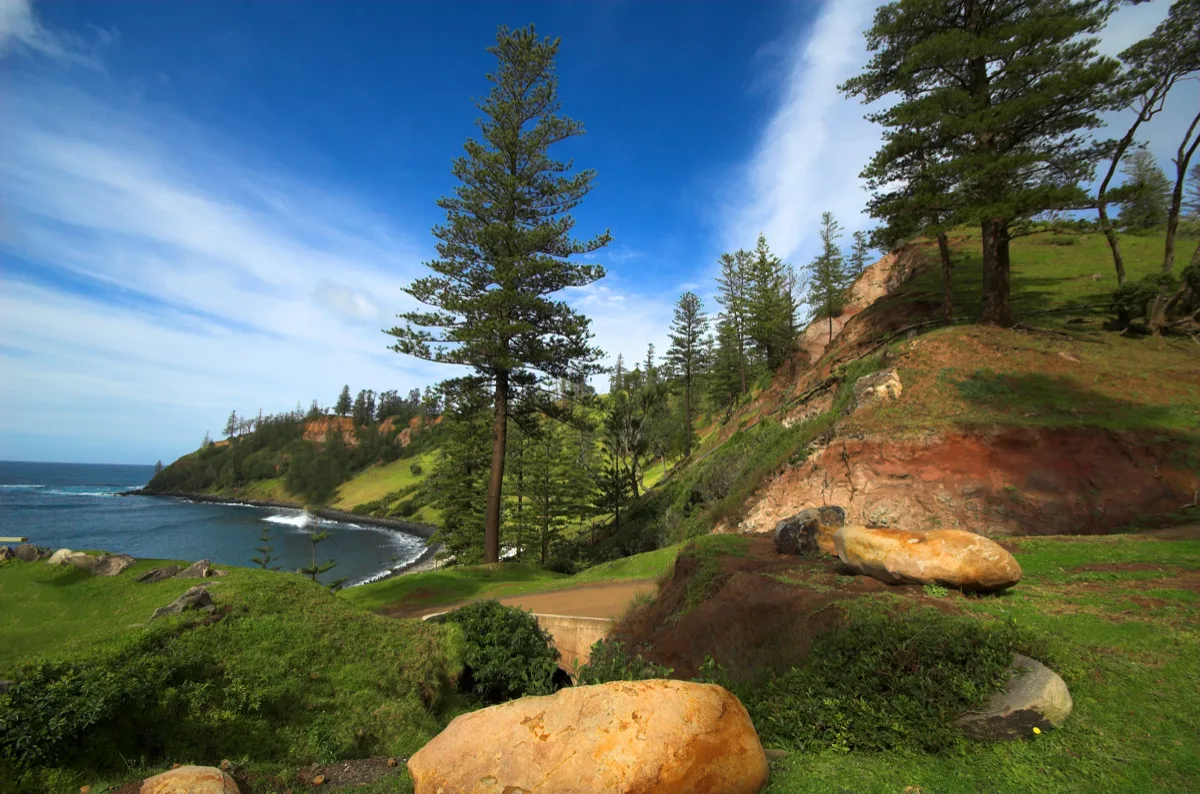 Non-toxic to pets
Norfolk Island Pine
Araucaria heterophylla
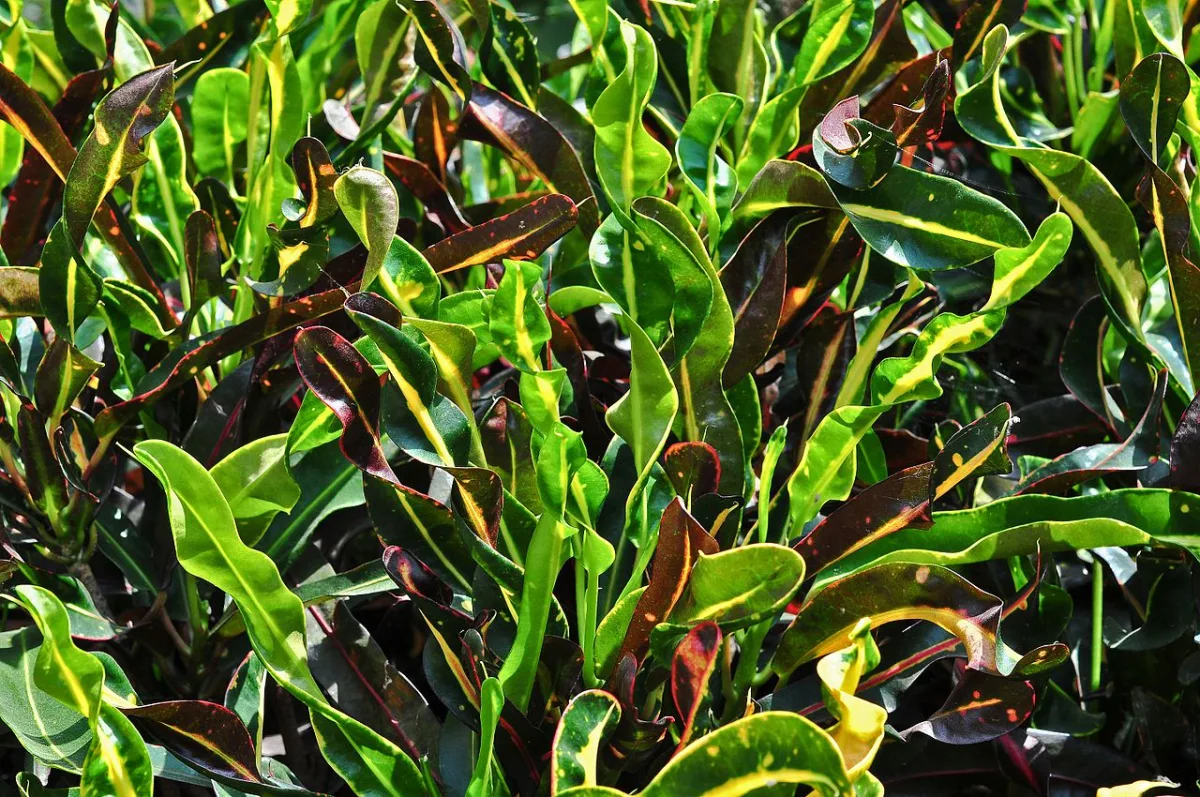
Croton
Codiaeum variegatum
Free care tools
Keep your Pilea thriving.
Get a watering schedule for your conditions, or work out what's wrong when something looks off.