Indoor Plants
Cast Iron Plant
Aspidistra elatior
In short: Low light · low water needs · non-toxic to cats and dogs (ASPCA)
True to its name, the Cast Iron Plant is nearly indestructible. Elegant dark leaves that thrive in neglect and deep shade.
- Light
- Low
- Water
- Low
- Humidity
- Low
- Growth
- Slow
- Mature size
- 2-3 feet indoors
- Temperature
- 45–85°F (7–29°C)
Spring · Produces small purplish-brown flowers at soil level in spring — easy to miss. Long thought to be pollinated by slugs; field research suggests fungus gn...
Last updated
Overview
Cast Iron Plant: The Indestructible Houseplant
Aspidistra elatior thrives where most plants die: deep shade, temperature swings, irregular watering, and poor soil. If nothing grows in your dark room, this is your plant.
Victorian Favorite
Widely grown in the 1800s, reportedly because they coped with dim, gas-lit parlors. Now making a well-deserved comeback among modern plant lovers.
Quiet Beauty
- Classic: Deep dark green lance-shaped leaves
- Variegata: Green with cream vertical stripes
- Milky Way: Dark green speckled with white dots
Slow growth means they stay manageable for years without pruning or repotting. Refined tropical beauty for impossible spaces.

Watering
Water when soil is mostly dry — every 1-2 weeks in summer, every 2-4 weeks in winter. Far more likely to suffer from overwatering. When in doubt, wait another few days.
Light
Thrives in low to medium indirect light. One of the few plants genuinely happy in dim corners, north-facing rooms, and hallways. Avoid direct sunlight which scorches and bleaches leaves.
Soil
Standard potting mix is fine. Add perlite for drainage. Forgiving of less-than-ideal soil conditions.
Fertilizing
Feed once or twice during growing season with general-purpose liquid fertilizer at half strength. Very light feeder — over-fertilizing causes brown tips.
Propagation
Divide rhizomes in spring. Each division needs 2-3 leaves. Plant in fresh soil, water lightly. Divisions establish slowly — be patient and avoid overwatering.
Repotting
Only every 3-5 years. Grows extremely slowly and prefers being undisturbed. Only repot when truly root-bound. Spring is best.
Common problems
Brown tips: Over-fertilizing or mineral buildup.
Yellow leaves: Overwatering — let soil dry more.
Bleached leaves: Too much direct light.
Split leaves: Physical damage or temperature extremes — cosmetic only.
Pro tips
Patience: Produces only a few new leaves per year. Slow growth is normal, not a problem.
Dust magnet: Broad leaves collect dust — wipe monthly.
Pet safe: Listed as non-toxic to cats and dogs by the ASPCA.
FAQ
Cast Iron Plant questions
Starter kit
Get set up for your Cast Iron Plant
Untick anything you already have.
The basics

Extras for your Cast Iron Plant
Was this helpful?
Your answer helps us improve this page.
Your answer didn't go through. Please try again.
Thanks for your feedback!
Similar plants
Plants like this one
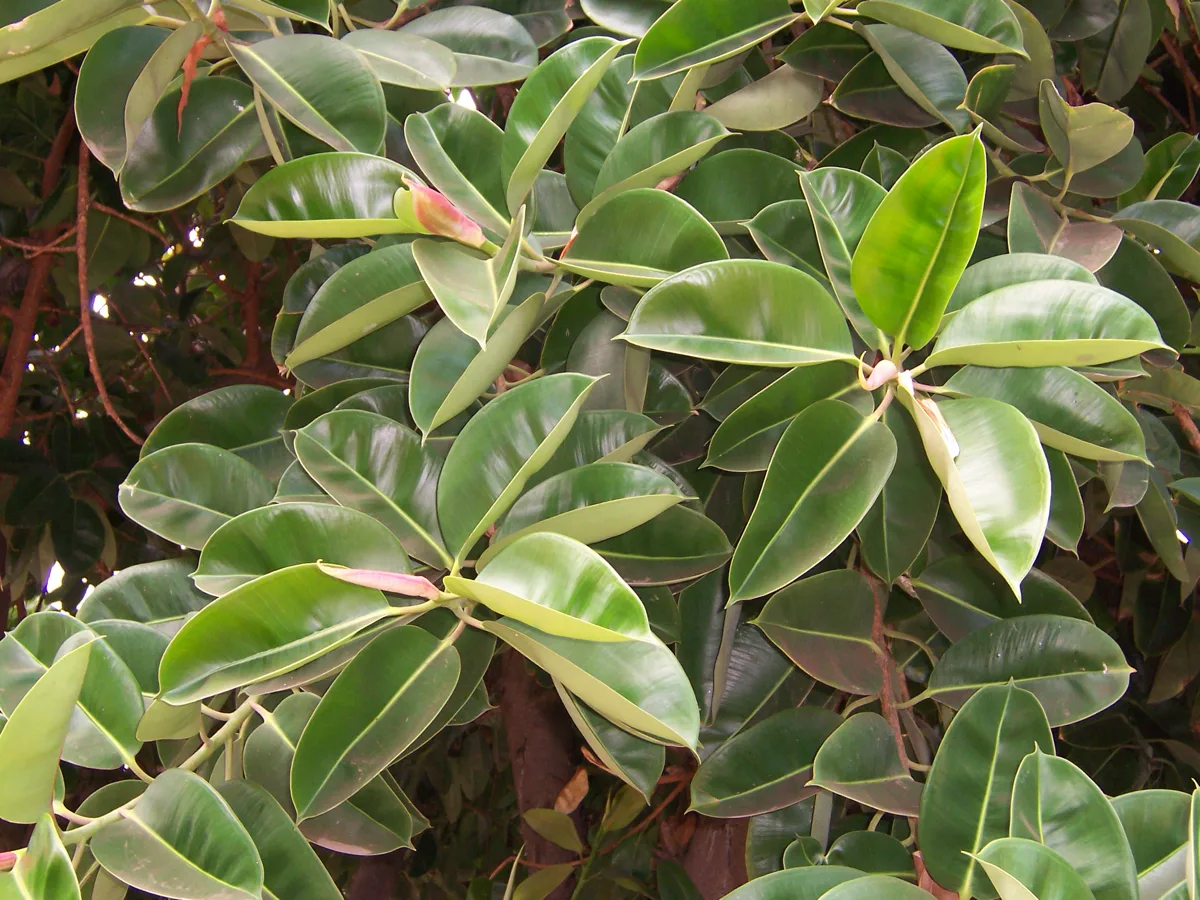
Rubber Tree Tineke
Ficus elastica 'Tineke'
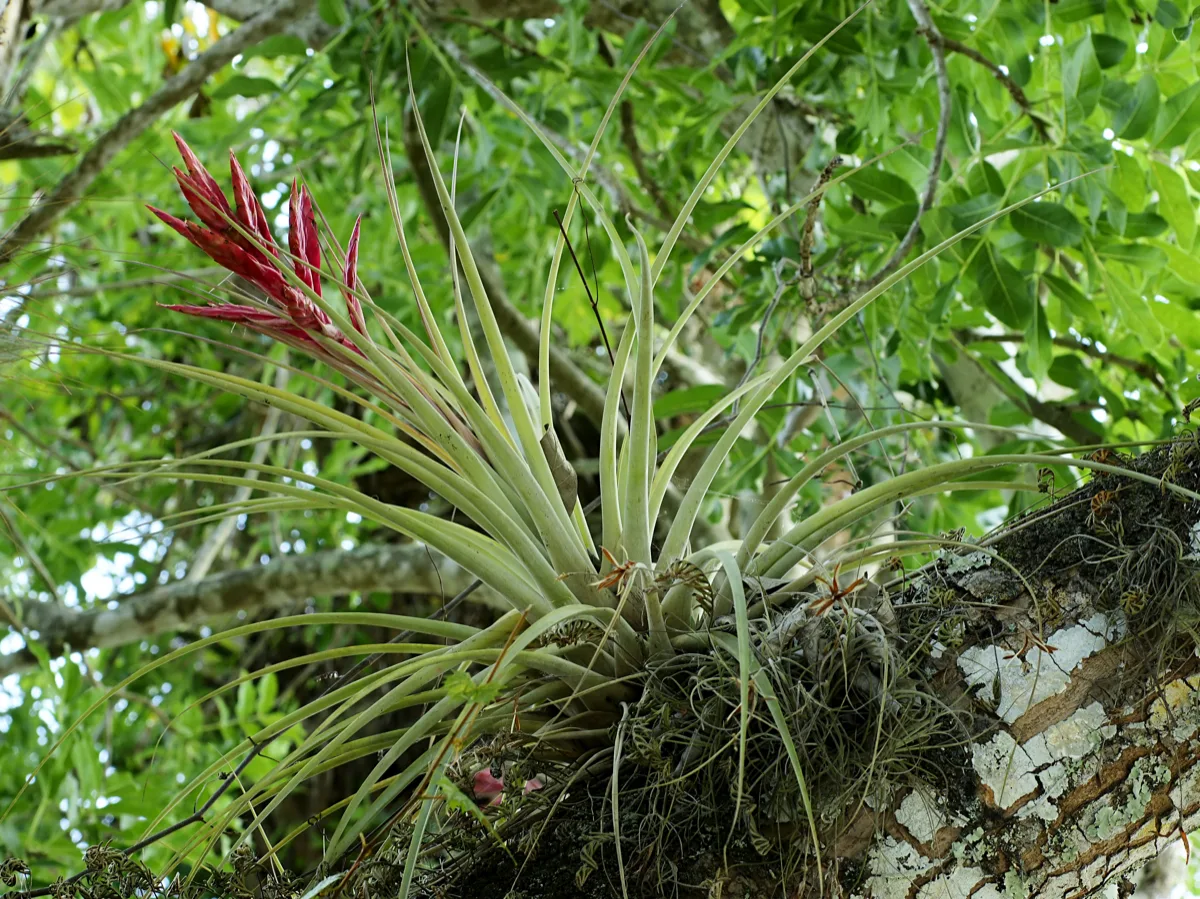
Air Plant
Tillandsia spp.
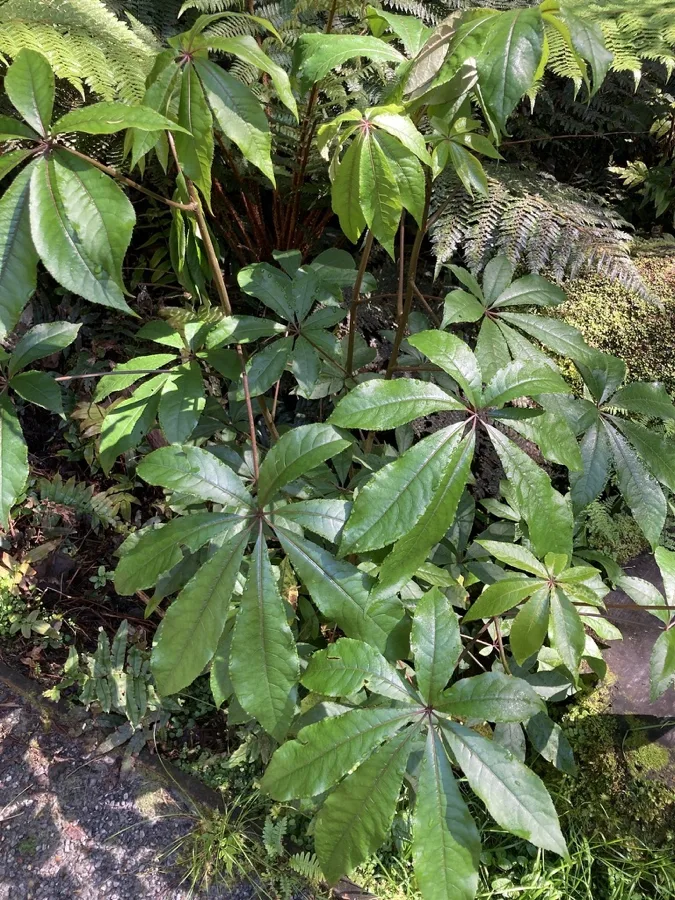
Umbrella Plant
Schefflera arboricola
 Non-toxic to pets
Polka Dot Plant
Hypoestes phyllostachya
Free care tools
Keep your Cast Iron Plant thriving.
Get a watering schedule for your conditions, or work out what's wrong when something looks off.