Indoor Plants
Peperomia Obtusifolia
Peperomia obtusifolia
In short: Bright indirect light · low water needs · non-toxic to cats and dogs (ASPCA)
Chunky, glossy leaves on compact stems make Peperomia Obtusifolia the perfect little plant for desks, shelves, and small bright spaces.
- Light
- Bright Indirect
- Water
- Low
- Humidity
- Average
- Growth
- Slow
- Mature size
- 10-12 inches
- Temperature
- 60–80°F (16–27°C)
Spring-Summer · Produces thin, elongated flower spikes that look like tiny green or white tails. They are not showy but signal a happy, healthy plant. Snip them...
Last updated
Overview
Peperomia Obtusifolia: The Compact Cutie
Also called the Baby Rubber Plant (despite no relation to actual Rubber Plants), Peperomia obtusifolia charms with thick, glossy, spoon-shaped leaves on short, sturdy stems. It is the ideal plant for anyone who loves the look of lush greenery but works with limited space.
Small but Mighty
Do not let the compact size fool you — this little plant packs a lot of personality. The fleshy, almost succulent-like leaves have a satisfying heft and a natural shine that makes them look polished without any effort.
Varieties Worth Collecting
- Solid Green: Classic deep green, ultra-glossy leaves
- Variegata: Cream and green marbled pattern
- Golden Gate: Wide golden-yellow margins
- Marble: Splashes of cream throughout each leaf
Pet-Safe Charm
The ASPCA lists Peperomia obtusifolia as non-toxic to cats and dogs, which makes it a good choice for pet households. The ASPCA also notes that eating any plant material can still cause vomiting or stomach upset in pets.
Watering
Let the soil dry out about halfway before watering — typically every 7-10 days in summer and every 2-3 weeks in winter. The thick leaves store water, so Peperomia handles drought better than overwatering. When you water, soak the soil and let it drain completely.
Tip: Leaves feel thin and bendy when thirsty, thick and firm when hydrated. Use the leaf-squeeze test.

Light
Medium to bright indirect light is ideal. Thrives on an east-facing windowsill or a few feet from a brighter window. Variegated types need more light to keep their markings. Tolerates lower light but grows very slowly. Avoid direct sun which bleaches and burns the leaves.
Soil
A light, well-draining mix is important. Combine standard potting soil with extra perlite in a 2:1 ratio. The semi-succulent roots need air — heavy, compact soil leads to rot. A small pot with drainage holes is essential.
Fertilizing
Feed every 4-6 weeks during spring and summer with a balanced liquid fertilizer diluted to half strength. Very light feeder — less is more. No feeding in fall and winter. Flush soil with plain water every few months to prevent salt accumulation.
Propagation
Stem cuttings root easily in water or moist perlite — just snip a stem with a few leaves and a node. Leaf cuttings also work: cut a leaf in half horizontally and place the cut edge in moist soil. New plantlets emerge from the cut in 4-6 weeks.
Repotting
Repot every 2-3 years or when roots fill the pot. Peperomia has a small root system and actually prefers being slightly snug. Use a pot only 1 inch larger. Spring is the best time to repot.
Common problems
Mushy stems: Overwatering or root rot. Let soil dry more and check that drainage is adequate.
Dropping leaves: Cold drafts, overwatering, or sudden temperature changes.
Fading variegation: Not enough light. Move closer to a bright window.
Ring spots on leaves: Usually a viral issue — isolate the plant and remove affected leaves.
Pro tips
Perfect desk plant: Compact size and low light tolerance make it ideal for office desks with moderate natural light.
Leaf propagation: Try the leaf-cutting method — it is surprisingly fun to watch tiny plantlets emerge from a halved leaf.
Grouping: Peperomia varieties look stunning grouped together. Collect different leaf shapes and patterns for a mini display.
FAQ
Peperomia Obtusifolia questions
Starter kit
Get set up for your Peperomia Obtusifolia
Untick anything you already have.
The basics
Extras for your Peperomia Obtusifolia
Was this helpful?
Your answer helps us improve this page.
Your answer didn't go through. Please try again.
Thanks for your feedback!
Similar plants
Plants like this one
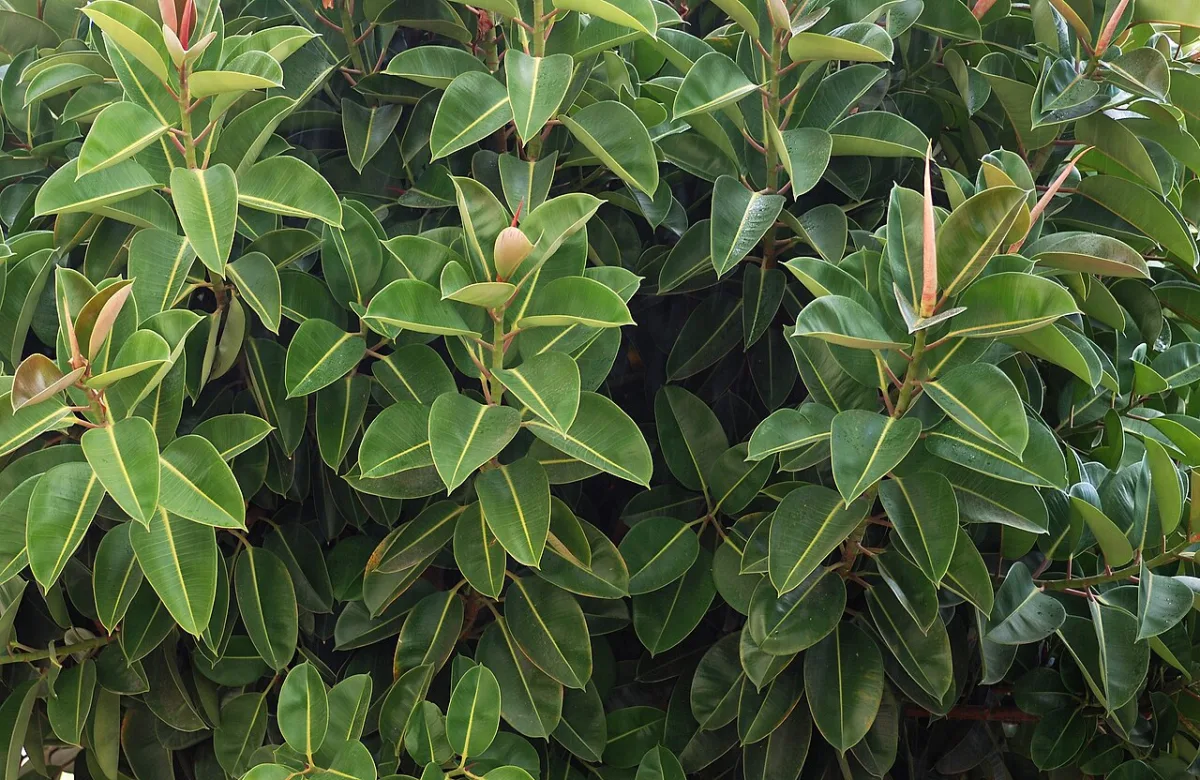
Rubber Plant
Ficus elastica
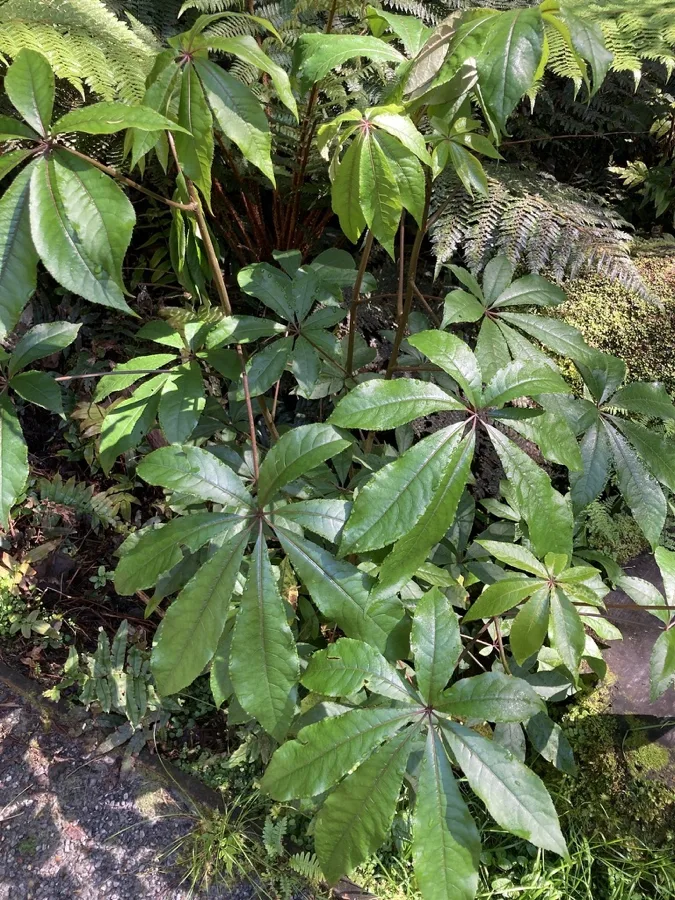
Umbrella Plant
Schefflera arboricola
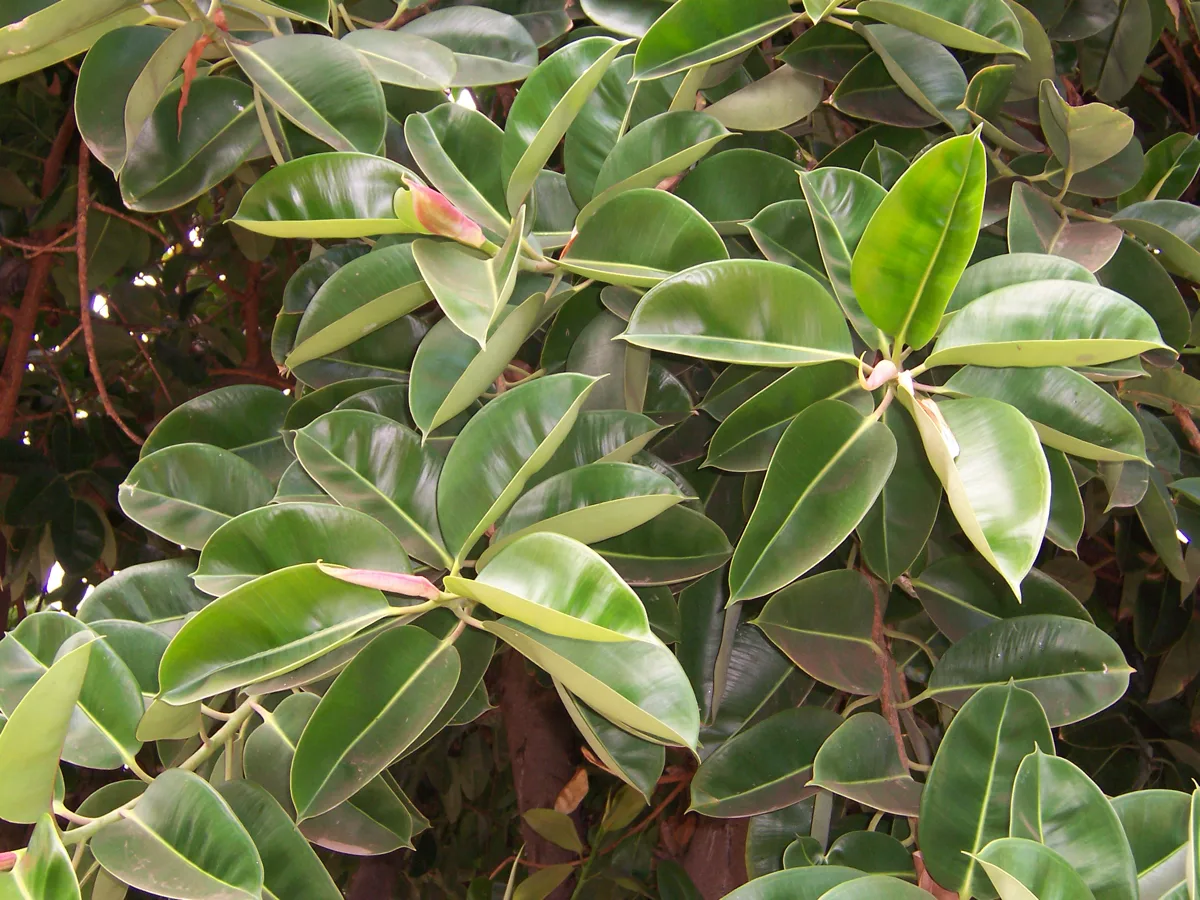
Rubber Tree Burgundy
Ficus elastica 'Burgundy'
 Non-toxic to pets
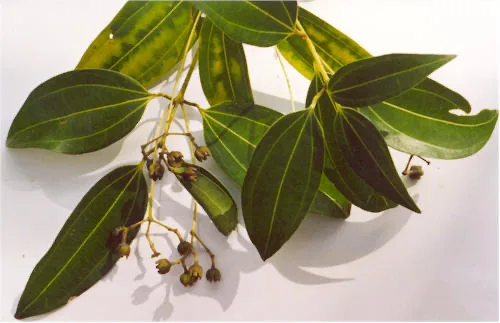
Cinnamon Plant
Cinnamomum verum
Free care tools
Keep your Peperomia Obtusifolia thriving.
Get a watering schedule for your conditions, or work out what's wrong when something looks off.