Indoor Plants
African Violet
Saintpaulia ionantha
In short: Bright indirect light · medium water needs · non-toxic to cats and dogs (ASPCA)
Cheerful blooms in purple, pink, and white that flower almost year-round — the perfect compact windowsill companion.
- Light
- Bright Indirect
- Water
- Medium
- Humidity
- Average
- Growth
- Medium
- Mature size
- 6-8 inches
- Temperature
- 60–80°F (16–27°C)
Year-round · African Violets can bloom almost continuously with proper light and feeding. Flowers last 2-3 weeks per cluster, and new buds follow quickly. Deadh...
Last updated
Overview
Why African Violets Are Timeless Favorites
The African Violet (Saintpaulia) has been a beloved houseplant for over a century, and for good reason. These compact, fuzzy-leaved charmers produce clusters of vibrant flowers in shades of purple, pink, white, and blue — often blooming continuously for months with the right care.
Compact and Prolific
Rarely growing more than 6-8 inches tall, African Violets are the ideal choice for windowsills, desks, and small spaces. What they lack in size, they make up for in flower power. A happy African Violet can bloom almost year-round, providing constant color even in the depths of winter.
Endless Variety
- Standard: Classic rosette shape in single or double blooms
- Trailing: Multiple crowns that cascade beautifully from pots
- Miniature: Tiny versions under 3 inches — perfect for terrariums
Safe for Pets
Listed as non-toxic to cats and dogs by the ASPCA, African Violets are a colorful addition to a pet-friendly home.
Watering
Water from the bottom by placing the pot in a saucer of room-temperature water for 20-30 minutes, then drain. Cold water and top-watering cause unsightly leaf spots. Let the soil dry slightly between waterings — the surface should feel dry to the touch.
Tip: Self-watering pots are perfect for African Violets.

Light
Bright, indirect light for 10-14 hours daily is key to continuous blooming. An east-facing window is ideal. Rotate the pot a quarter turn weekly for even growth. If natural light is limited, African Violets respond beautifully to LED grow lights placed 10-12 inches above.

Soil
Use a specific African Violet potting mix — it's lighter and more acidic than standard mixes. You can make your own with equal parts peat moss, perlite, and vermiculite. Good drainage is essential.

Fertilizing
Feed with a balanced African Violet fertilizer (14-12-14) every time you water at quarter strength, or monthly at full strength during active growth. Excess fertilizer causes salt buildup and leaf burn.

Propagation
Leaf cuttings are incredibly easy. Cut a healthy leaf with 1-2 inches of stem, insert at a 45-degree angle into moist vermiculite, and cover with plastic. Baby plants appear in 6-8 weeks. One leaf can produce multiple plantlets.

Repotting
Repot once a year into the same size or slightly larger pot. African Violets bloom best when slightly root-bound. Refresh the soil annually even if the pot size stays the same.

Common problems
No blooms: Usually insufficient light — increase to 10+ hours of bright indirect light daily.
Crown rot: Water sitting in the center crown. Always water from below, never over the leaves.
Leaf spots: Cold water touching leaves. Use room-temperature water only.
Leggy or reaching: Rotating toward light — provide more even lighting.
Pro tips
Bottom-water always: Get a self-watering African Violet pot — it's a game changer for consistent moisture.
Deadhead promptly: Remove spent flowers at the base to redirect energy toward new blooms.
Wick watering: Thread a cotton wick through the drainage hole into a water reservoir for hands-off hydration.
FAQ
African Violet questions
Starter kit
Get set up for your African Violet
Untick anything you already have.
The basics

Extras for your African Violet
Was this helpful?
Your answer helps us improve this page.
Your answer didn't go through. Please try again.
Thanks for your feedback!
Similar plants
Plants like this one
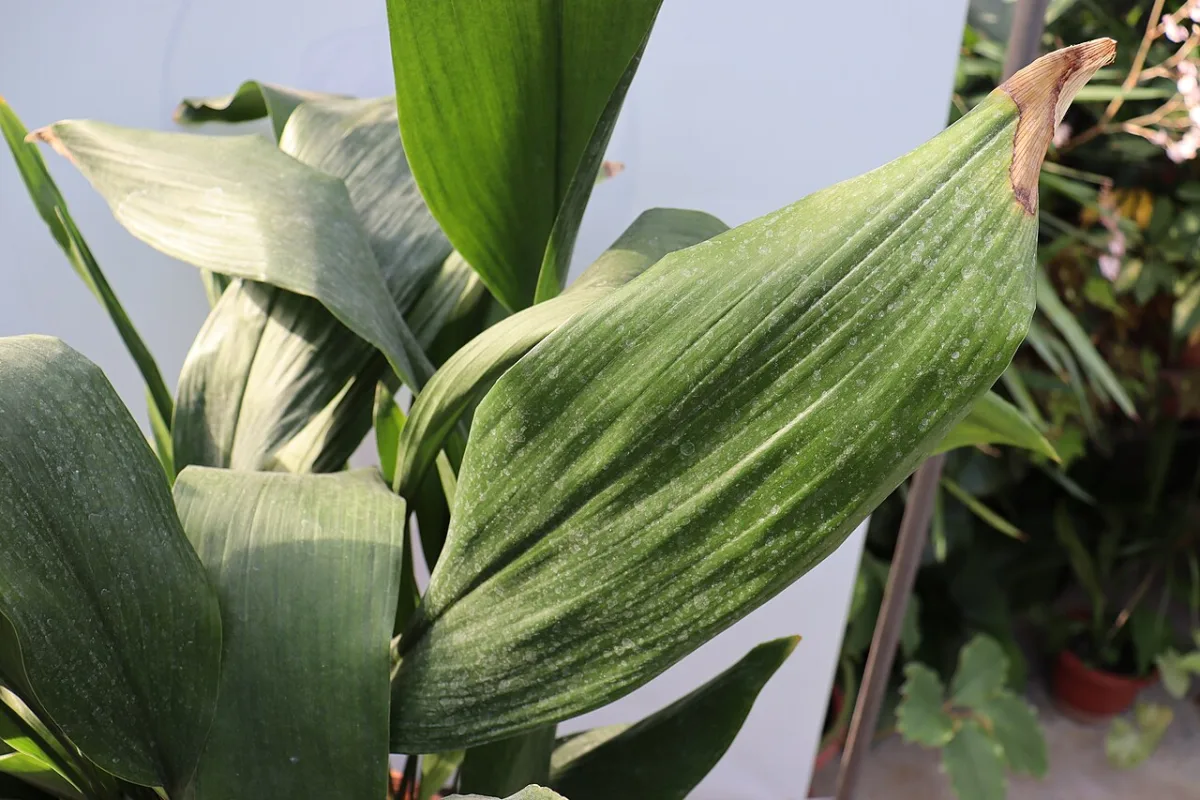 Non-toxic to pets
Cast Iron Plant
Aspidistra elatior
 Non-toxic to pets
Polka Dot Plant
Hypoestes phyllostachya
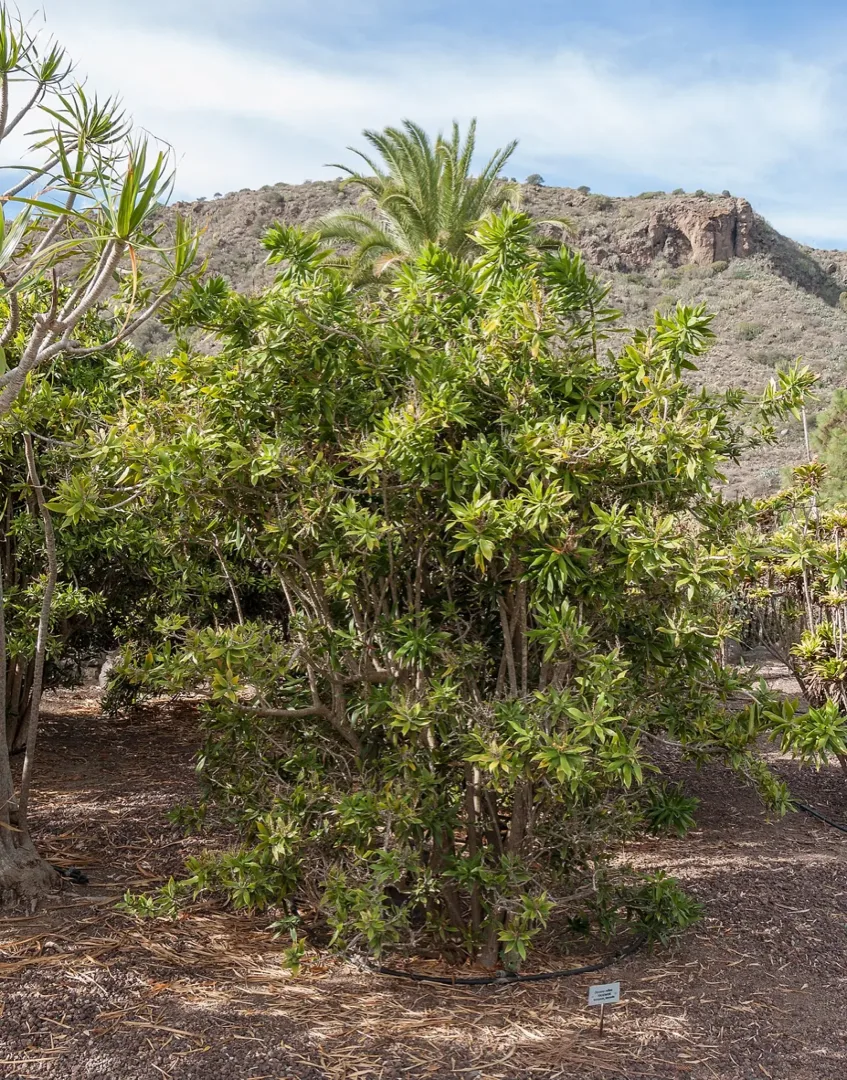
Dracaena
Dracaena marginata
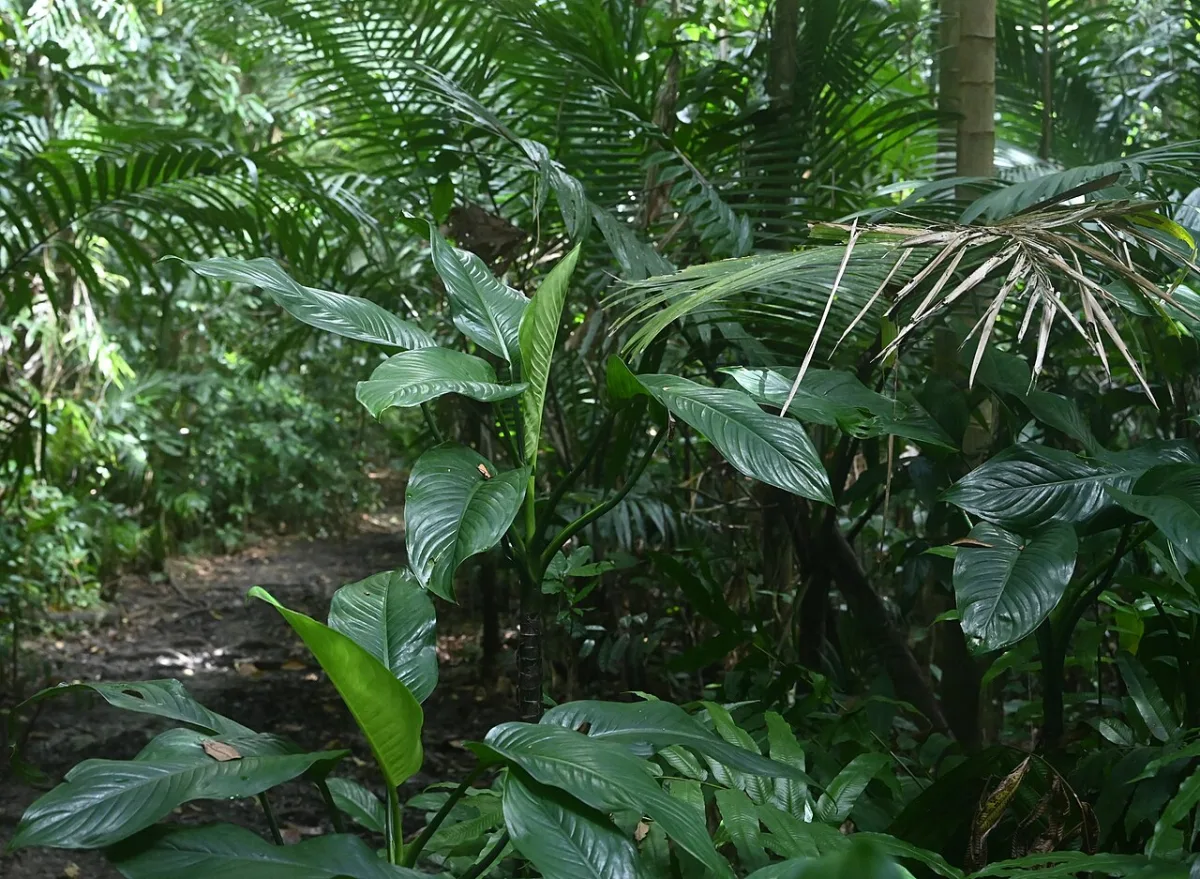
Dieffenbachia
Dieffenbachia seguine
Free care tools
Keep your African Violet thriving.
Get a watering schedule for your conditions, or work out what's wrong when something looks off.