Tropical Plants
Watermelon Peperomia
Peperomia argyreia
In short: Bright indirect light · medium water needs · non-toxic to cats and dogs (ASPCA)
Round leaves with striking watermelon-stripe patterns on red stems. A compact, pet-safe plant that is as cute as its name suggests.
- Light
- Bright Indirect
- Water
- Medium
- Humidity
- Average
- Growth
- Medium
- Mature size
- 6-8 inches
- Temperature
- 60–80°F (16–27°C)
Spring-Summer · Produces thin green flower spikes typical of Peperomia. Not ornamental. Some growers remove them; others enjoy the unusual form.
Last updated
Overview
Watermelon Peperomia: A Charming Little Houseplant
Peperomia argyreia earns its common name from its remarkable resemblance to a watermelon. Round, fleshy leaves display dark green and silver stripes on rich red stems — it looks like someone shrunk a watermelon and turned it into a plant.
Compact Charmer
At just 6-8 inches tall, Watermelon Peperomia fits anywhere — desks, shelves, windowsills, and terrariums. Its compact size and low-maintenance nature make it a great small houseplant.
Why Everyone Wants One
- Unmistakable watermelon-stripe leaves
- Compact, stays small forever
- Non-toxic to pets
- Semi-succulent — drought-friendly
- Red stems add extra color
Easy care, pet-safe, and endlessly charming — Watermelon Peperomia is the perfect plant for beginners and collectors alike.
Watering
Water when top inch of soil is dry. Semi-succulent leaves store some water, so do not overwater. Bottom watering works well — prevents moisture on the leaves and stems. Every 7-10 days in summer, every 2 weeks in winter. The red stems will droop when thirsty.

Light
Bright indirect light for the most vivid stripe pattern. Some gentle morning sun is fine. Avoid harsh direct sun which fades the silver stripes and burns leaves. Too little light causes leggy, sparse growth. East or north-facing window is ideal.

Soil
Light, well-draining mix. Standard potting soil with extra perlite. Or an African Violet mix works perfectly. Must drain quickly — these semi-succulents rot in heavy, wet soil.
Fertilizing
Feed monthly during spring and summer with balanced liquid fertilizer at half strength. Light feeder. Over-fertilizing causes soft, floppy growth. Stop in winter.
Propagation
Three methods: leaf cuttings (cut a leaf in half horizontally and place cut side down in moist soil), petiole cuttings (leaf with stem in water or soil), or division. Leaf halves are the most fun — each half grows a new plant. Roots appear in 3-6 weeks.
Repotting
Every 2-3 years. Small root system — does not need frequent repotting. Use a shallow, proportional pot. Peperomia prefers being cozy rather than swimming in a large pot.

Common problems
Drooping stems: Usually thirsty. Water and it recovers quickly. If soil is wet, it may be root rot — reduce watering.
Fading stripes: Not enough light. Move to brighter spot.
Mushy stems: Overwatering and rot. Let dry out and check roots.
Curling leaves: Underwatered or too much direct sun.
Pro tips
Leaf propagation trick: Cut a leaf in half horizontally and place both halves cut-side down in moist soil. Each half grows a new baby plant from the cut edge — fascinating to watch.
Red stems: The red petioles are a feature, not a problem. They get redder with more light exposure.
Display tip: Plant several together in a shallow pot for maximum visual impact.
FAQ
Watermelon Peperomia questions
Starter kit
Get set up for your Watermelon Peperomia
Untick anything you already have.
The basics

Extras for your Watermelon Peperomia
Was this helpful?
Your answer helps us improve this page.
Your answer didn't go through. Please try again.
Thanks for your feedback!
Similar plants
Plants like this one

Monstera Thai Constellation
Monstera deliciosa Thai Constellation
 Non-toxic to pets
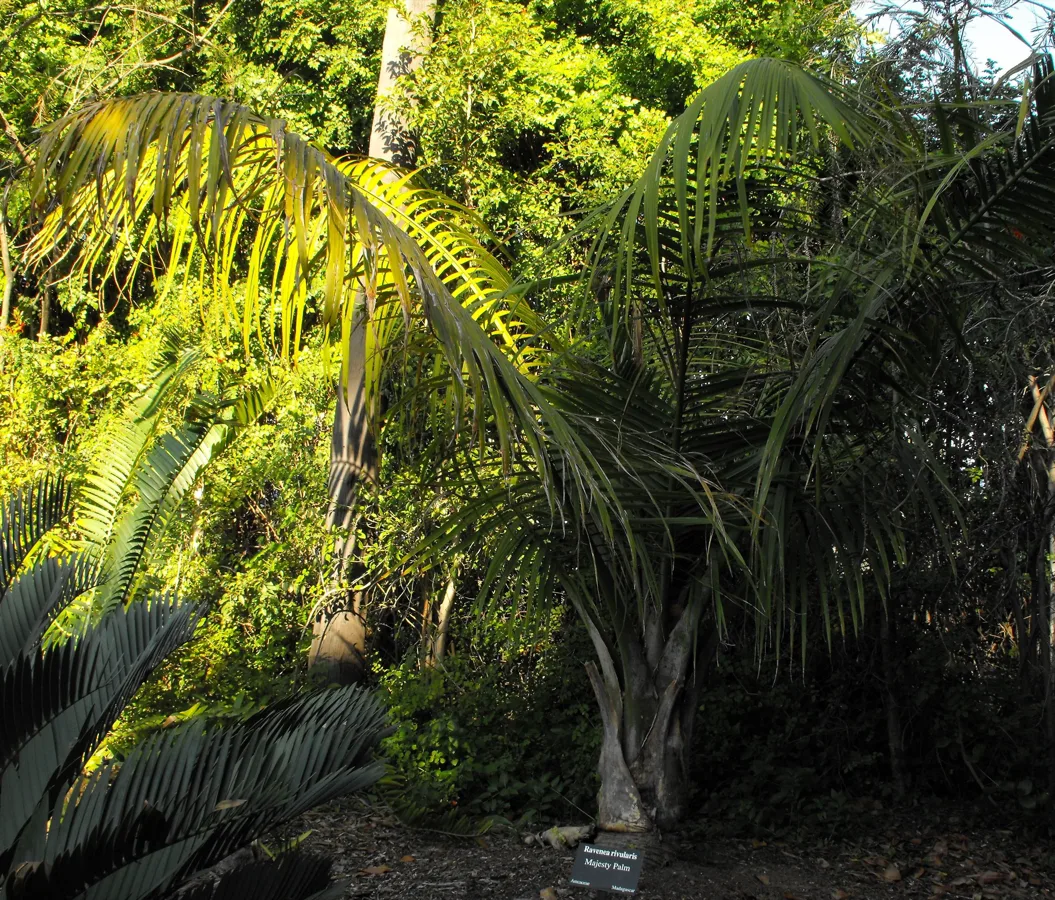
Majesty Palm
Ravenea rivularis
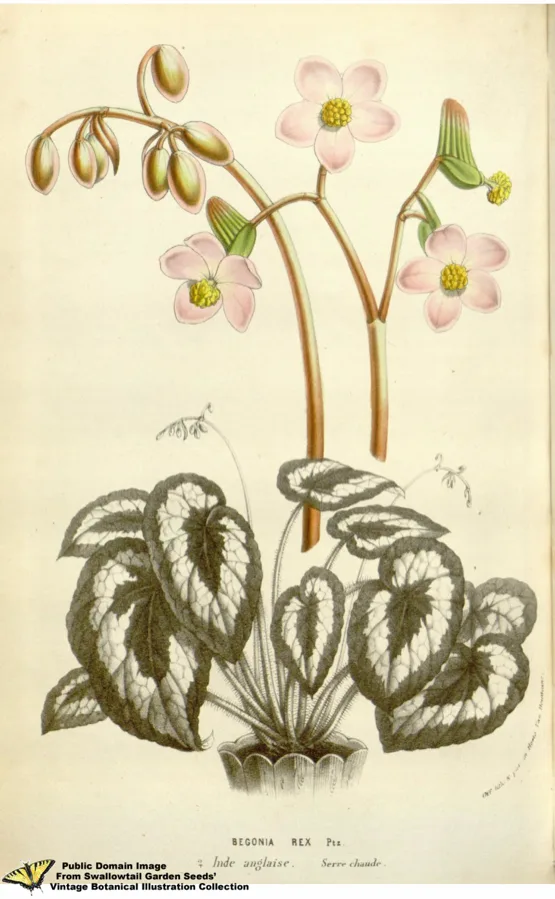
Rex Begonia
Begonia rex
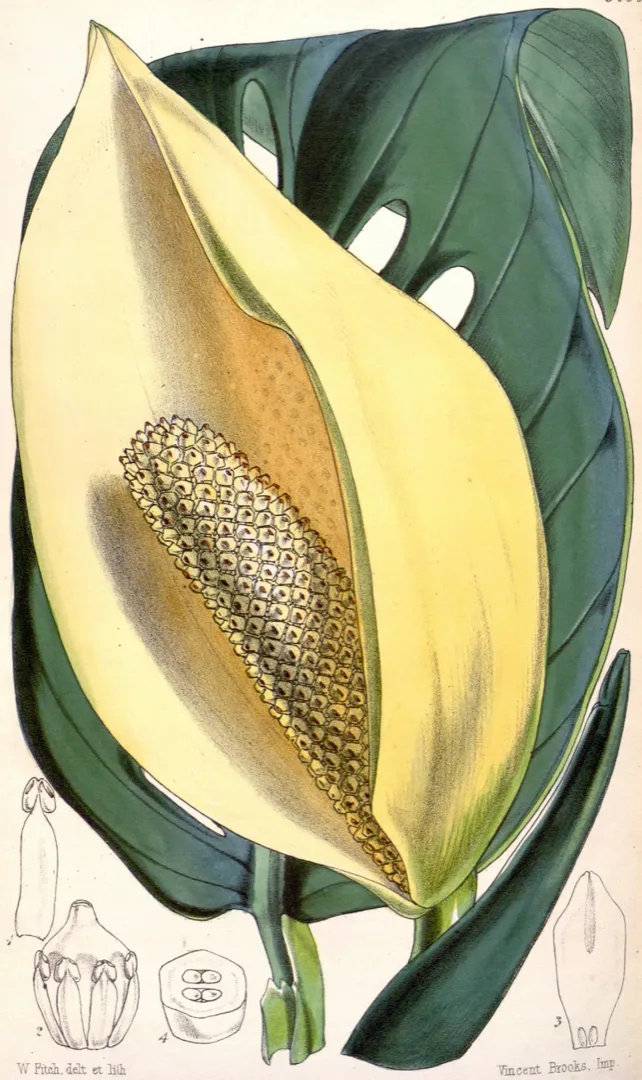
Swiss Cheese Vine
Monstera adansonii
Free care tools
Keep your Watermelon Peperomia thriving.
Get a watering schedule for your conditions, or work out what's wrong when something looks off.