Succulents & Cacti
Haworthia
Haworthia fasciata
In short: Bright indirect light · low water needs · non-toxic to cats and dogs (ASPCA)
Compact, zebra-striped succulent that thrives in bright indirect light. Perfect desk plant — small, pet-safe, and nearly unkillable.
- Light
- Bright Indirect
- Water
- Low
- Humidity
- Low
- Growth
- Slow
- Mature size
- 3-5 inches
- Temperature
- 50–80°F (10–27°C)
Summer · Sends up thin flower stalks with tiny white tubular flowers in summer. The flowers are not showy but signal a healthy plant.
Last updated
Overview
Haworthia: The Perfect Desk Succulent
Haworthia fasciata, known as the Zebra Plant, is a compact succulent with dark green leaves decorated with raised white stripes. It stays small, tolerates indirect light, and is safe for pets.
Ideal for Small Spaces
At just 3-5 inches tall, Haworthia fits perfectly on desks, windowsills, and shelves. Unlike most succulents that demand direct sunlight, Haworthia actually prefers bright indirect light — making it ideal for indoor growing.
Popular Varieties
- Fasciata (Zebra): White horizontal stripes on dark green
- Cooperi: Translucent, glass-like leaf tips
- Retusa: Flat-topped translucent windows
- Attenuata: Similar to fasciata with smoother bumps
Collect multiple species for a fascinating miniature succulent display.
Watering
Water when soil is completely dry — every 2-3 weeks in summer, monthly in winter. Water the soil, not the rosette. Haworthia rots easily from overwatering. When in doubt, wait. Bottom watering is safest.

Light
Bright indirect light is ideal. Unlike most succulents, Haworthia does not want harsh direct sun — it causes stress colors and leaf burn. An east or north-facing window is perfect. Tolerates lower light better than most succulents.

Soil
Fast-draining succulent/cactus mix with added perlite. Must dry quickly between waterings. Small pots with drainage holes work best.

Fertilizing
Feed once or twice during growing season with diluted succulent fertilizer at quarter strength. Very light feeder. No fertilizer in winter.
Propagation
Produces offsets (pups) around the base. Wait until pups are at least 1 inch, separate with roots attached, let dry a day, then pot in dry succulent mix. Can also propagate from leaf cuttings but very slow.
Repotting
Every 2-3 years in spring. Use a pot just slightly larger — stays small. Shallow pots work best. Gently remove old soil from roots during repotting.
Common problems
Brown/red leaves: Too much direct sun. Move to indirect light.
Mushy leaves: Overwatering. Let dry completely.
Closed-up rosette: Stress from too much sun or underwatering.
Elongated leaves: Insufficient light — move brighter.
Pro tips
Good office plant: Copes with bright fluorescent light better than most succulents.
No direct sun: Unlike most succulents, Haworthia prefers filtered or indirect light.
Pet safe: Listed as non-toxic to cats and dogs by the ASPCA.
FAQ
Haworthia questions
Starter kit
Get set up for your Haworthia
Untick anything you already have.
The basics

Extras for your Haworthia
Was this helpful?
Your answer helps us improve this page.
Your answer didn't go through. Please try again.
Thanks for your feedback!
Similar plants
Plants like this one
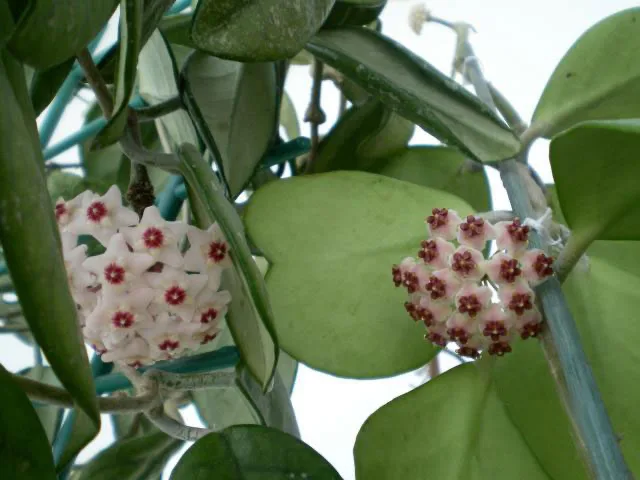 Non-toxic to pets
Hoya Kerrii
Hoya kerrii
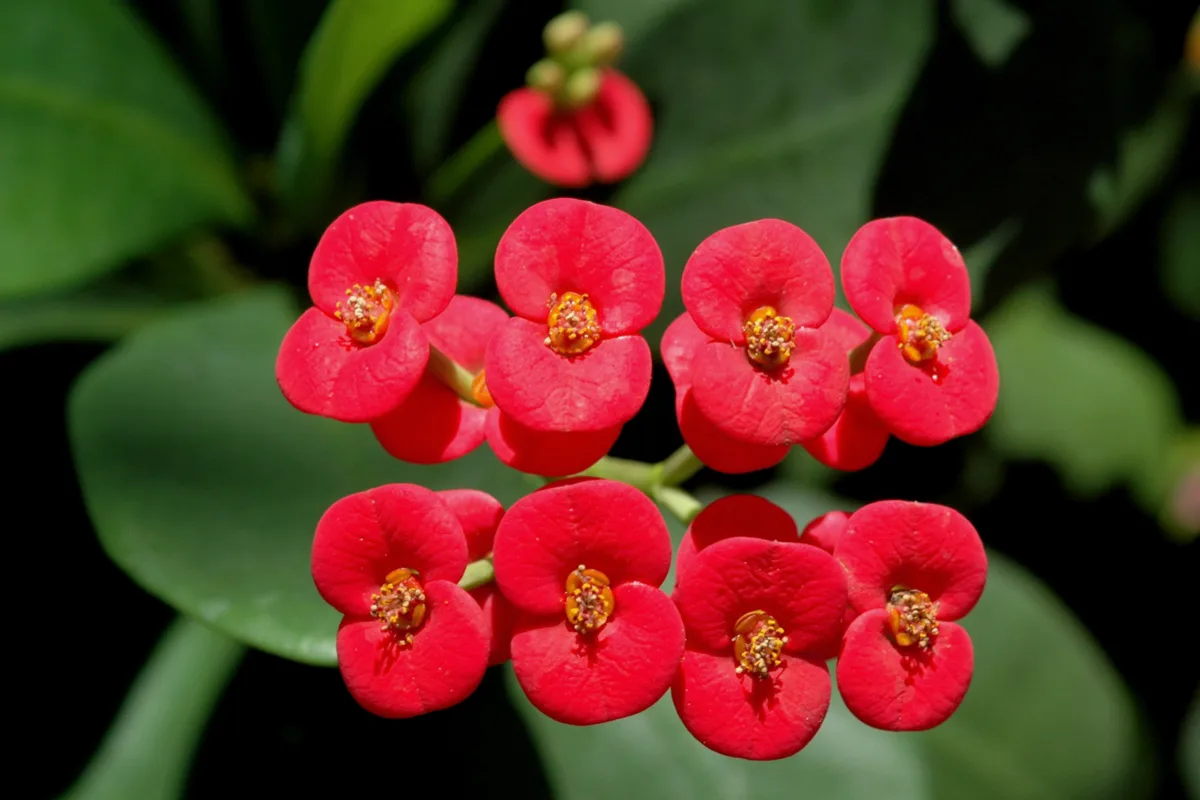
Crown of Thorns
Euphorbia milii
 Non-toxic to pets
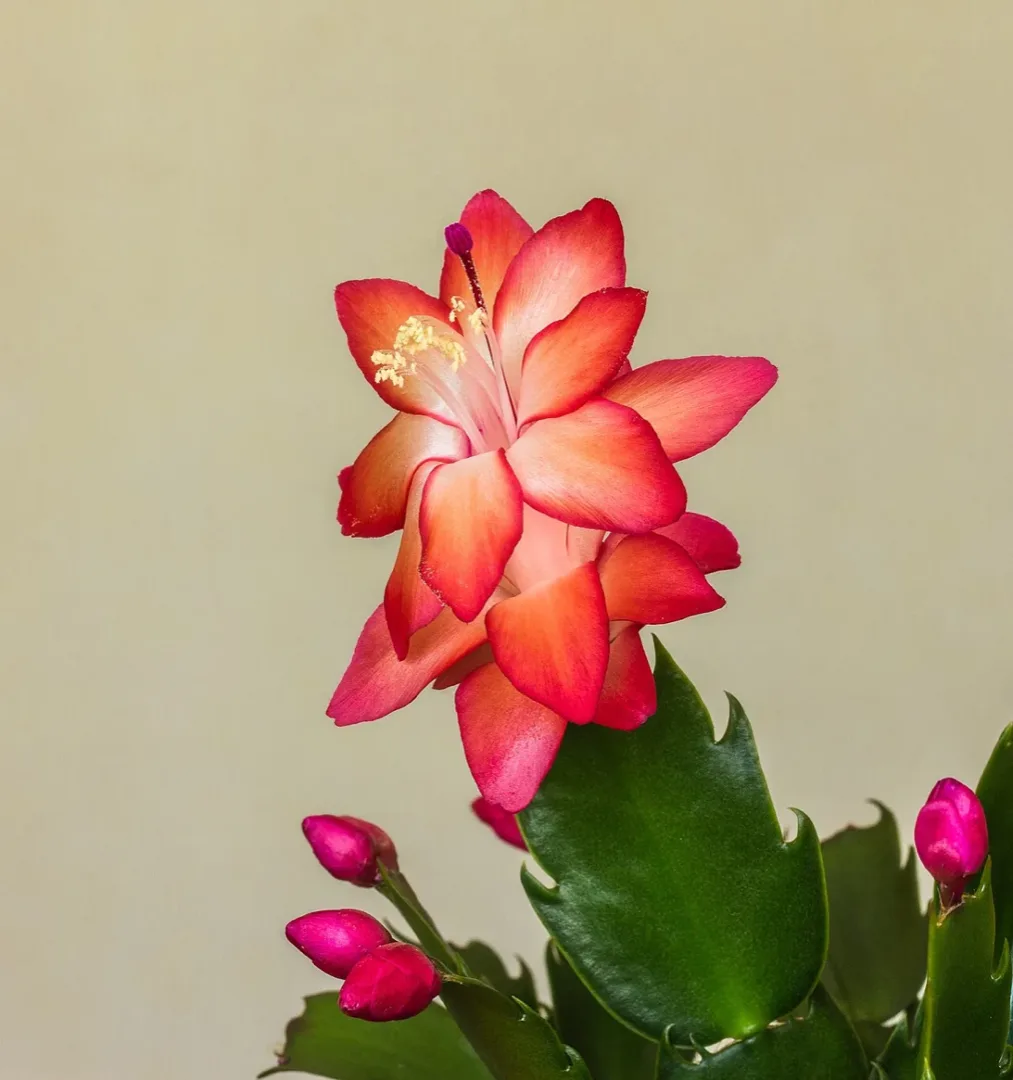
Christmas Cactus
Schlumbergera bridgesii
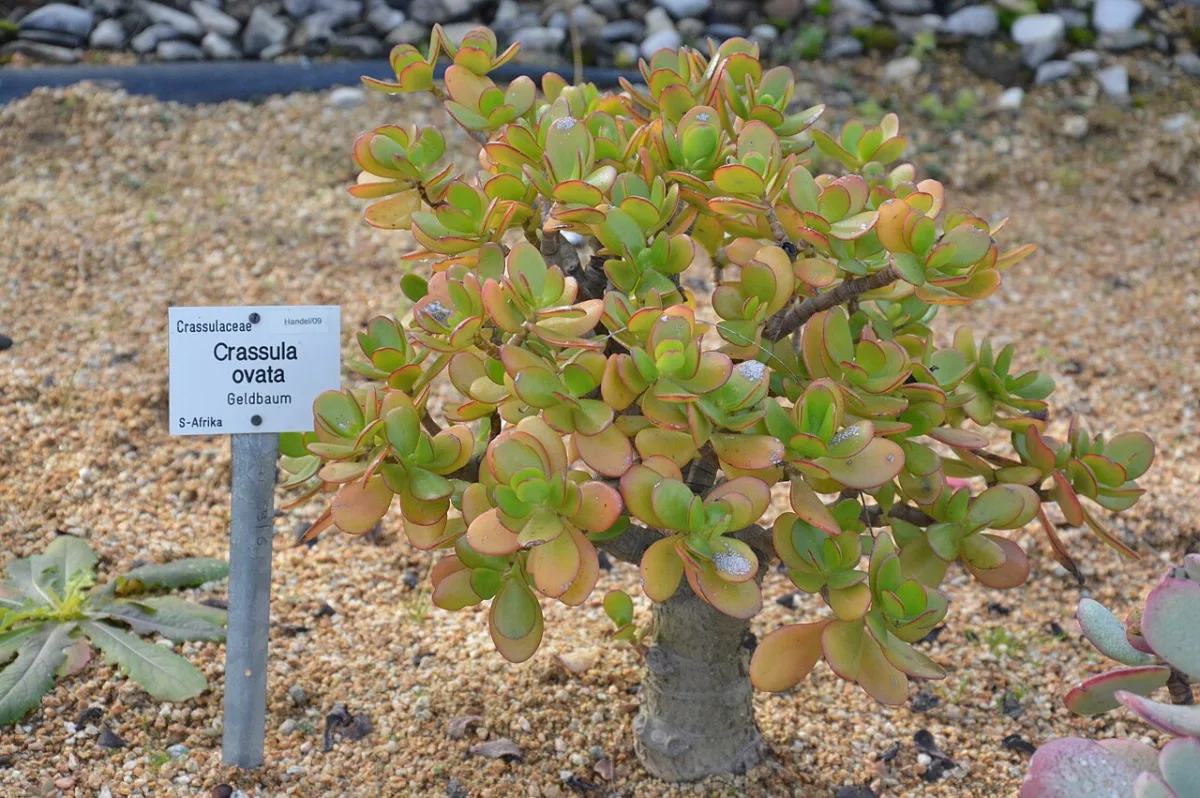
Jade Plant
Crassula ovata
Free care tools
Keep your Haworthia thriving.
Get a watering schedule for your conditions, or work out what's wrong when something looks off.