Hanging Plants
String of Turtles
Peperomia prostrata
In short: Bright indirect light · low water needs · not on the ASPCA plant list
Tiny round leaves patterned like miniature turtle shells on delicate trailing vines. A charming pet-safe succulent for bright spots.
- Light
- Bright Indirect
- Water
- Low
- Humidity
- Average
- Growth
- Slow
- Mature size
- Trails 1-2 feet
- Temperature
- 60–80°F (16–27°C)
Produces thin, spike-like flower stalks typical of Peperomia. Not showy. Most growers remove them to redirect energy to foliage.
Last updated
Overview
String of Turtles: Tiny Living Masterpieces
Peperomia prostrata features tiny round leaves marked with intricate patterns that look like miniature turtle shells. Each leaf is a perfect little masterpiece, making this a charming little trailing plant.
Miniature Marvel
Everything about String of Turtles is tiny — leaves barely half an inch across, thread-thin stems, and a compact overall size. It is the perfect plant for small spaces, terrariums, and detailed plant displays.
Why Plant Lovers Adore It
- Unique turtle-shell patterning on every leaf
- Semi-succulent and relatively easy
- Non-toxic to pets
- Perfect for terrariums
- Compact — never gets too big
As a Peperomia, it is semi-succulent and does not need the constant moisture many trailing plants demand.
Watering
Allow top layer to dry between waterings. Semi-succulent leaves store some water, so err on the dry side. Water from below (bottom watering) to avoid moisture on delicate stems at soil level, which can cause rot. Every 7-10 days in summer, every 2-3 weeks in winter.

Light
Bright indirect light for best pattern visibility and compact growth. Some gentle morning sun is fine. Avoid harsh direct sun which fades the pattern. Too little light causes leggy growth and smaller leaves. East-facing window ideal.

Soil
Light, well-draining mix. Blend of succulent mix, perlite, and some sphagnum moss for slight moisture retention. Must drain quickly. Shallow pots work best.

Fertilizing
Feed monthly during growing season with balanced liquid fertilizer at quarter strength. Very light feeder. Over-fertilizing causes soft growth. Stop in winter.

Propagation
Propagate by laying stem sections on moist soil — they root at nodes. Can also propagate from individual leaves placed on moist soil, though very slow. Stem sections are fastest. Keep warm and humid for best results.

Repotting
Every 2-3 years. Use a wide, shallow pot — the root system is small and shallow. Handle carefully; the tiny stems are fragile. Refresh soil to prevent compaction.

Common problems
Mushy stems at soil line: Overwatering or water sitting on stems. Bottom-water only.
Fading patterns: Not enough light. Move to brighter indirect spot.
Leaf drop: Overwatering or cold drafts.
Slow growth: Normal — String of Turtles grows slowly. Patience needed.
Pro tips
Bottom water only: Moisture at the soil surface causes stem rot. Place pot in a tray of water for 10 minutes instead.
Terrarium star: The tiny scale makes it perfect for terrariums and fairy gardens.
Patience plant: Grows slowly. Enjoy the journey — a full, trailing String of Turtles is worth the wait.
FAQ
String of Turtles questions
Starter kit
Get set up for your String of Turtles
Untick anything you already have.
The basics


Extras for your String of Turtles
Was this helpful?
Your answer helps us improve this page.
Your answer didn't go through. Please try again.
Thanks for your feedback!
Similar plants
Plants like this one
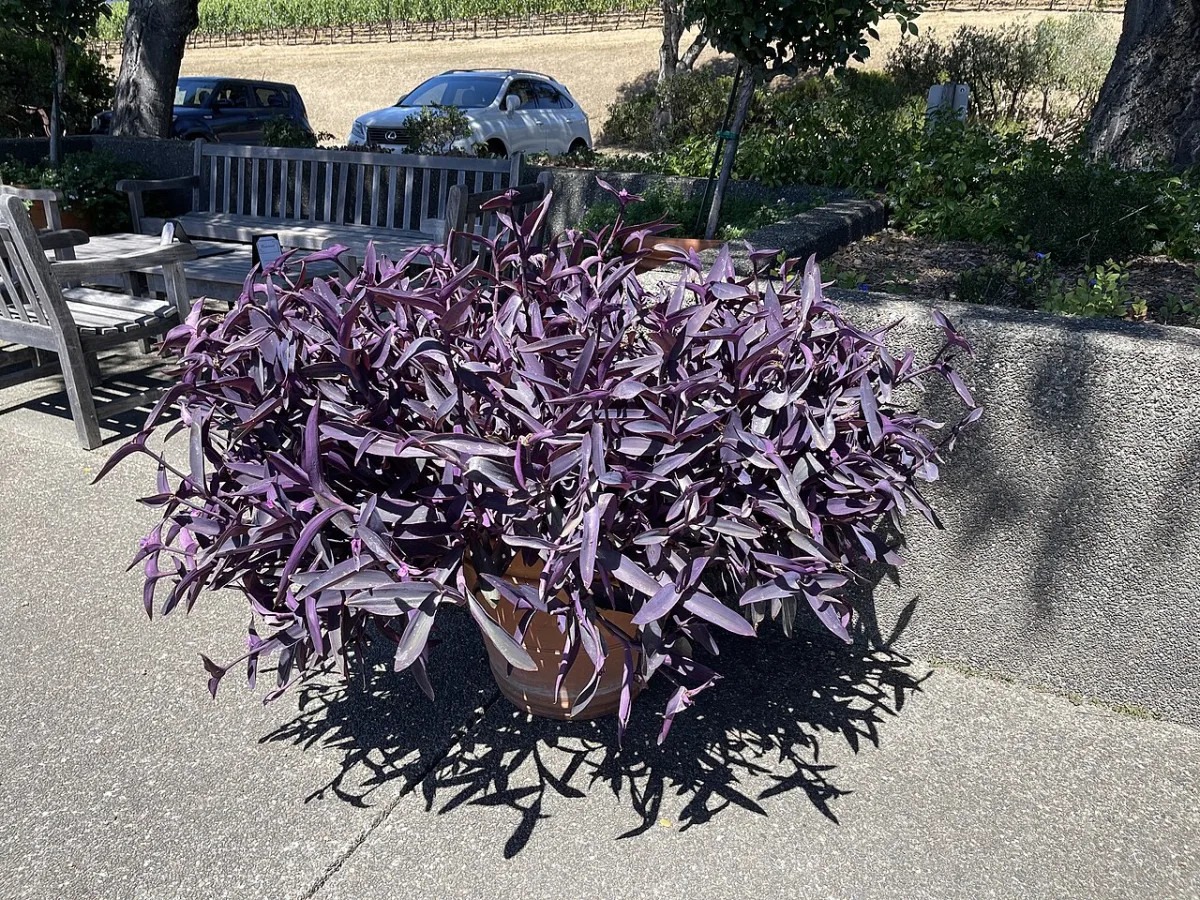
Tradescantia
Tradescantia zebrina
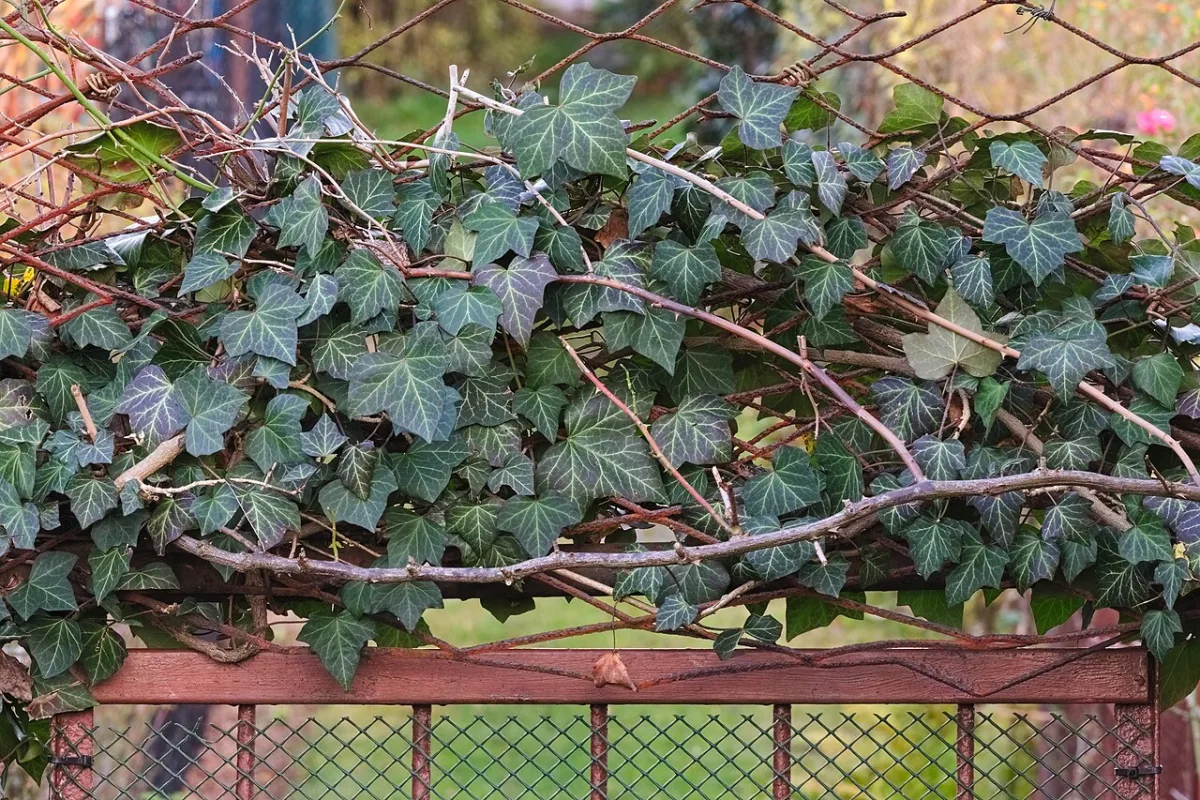
English Ivy
Hedera helix

Philodendron Micans
Philodendron hederaceum 'Micans'
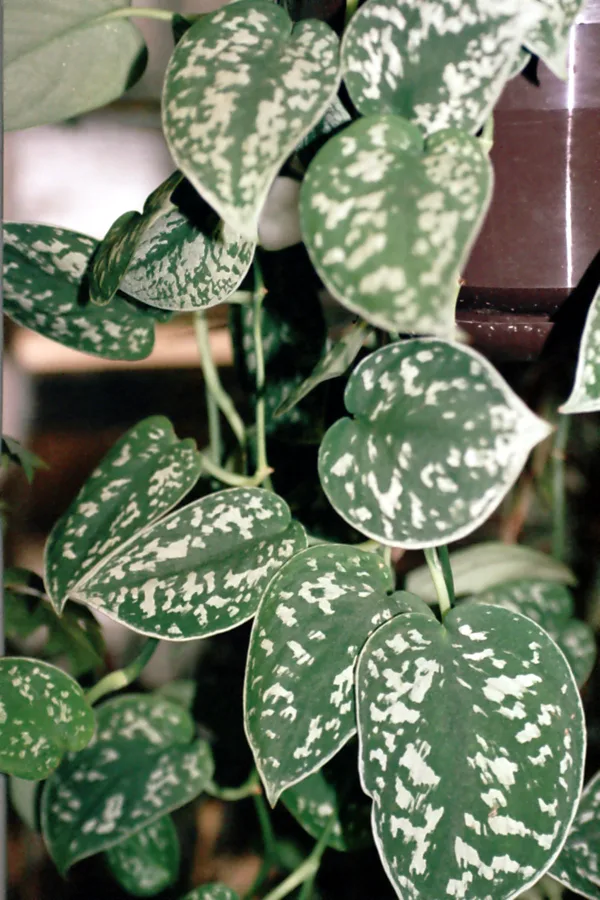
Satin Pothos
Scindapsus pictus
Free care tools
Keep your String of Turtles thriving.
Get a watering schedule for your conditions, or work out what's wrong when something looks off.