Indoor Plants
Polka Dot Plant
Hypoestes phyllostachya
In short: Bright indirect light · medium water needs · non-toxic to cats and dogs (ASPCA)
Playful splashes of pink, red, or white on green leaves bring instant personality to any shelf, desk, or terrarium.
- Light
- Bright Indirect
- Water
- Medium
- Humidity
- Average
- Growth
- Fast
- Mature size
- 1-2 feet
- Temperature
- 60–80°F (16–27°C)
Summer · Produces small, insignificant lilac flower spikes in summer. Most growers pinch these off immediately since flowering triggers leggy growth and signals...
Last updated
Overview
Why the Polka Dot Plant Pops
The Polka Dot Plant (Hypoestes phyllostachya) is pure fun. Its leaves are splashed, speckled, and spotted with vibrant pink, red, white, or burgundy — no two leaves look exactly alike. It's the kind of plant that makes people smile and ask, "What is that?"
Colorful and Compact
Staying small at 1-2 feet, the Polka Dot Plant is perfect for adding a pop of color to tabletops, bookshelves, and desks. It works beautifully mixed with solid green plants to create contrast. Group several colors together — pink, red, and white varieties side by side — for maximum impact.
Terrarium-Friendly
Like the Nerve Plant, the Polka Dot Plant thrives in the humid conditions of terrariums. Its compact growth and love of moisture make it a natural choice for enclosed glass gardens. Just be sure to pinch it back regularly to keep it from getting too leggy.
Safe for Pets
Non-toxic to cats and dogs, making it a playful, worry-free addition to any home with curious four-legged friends.
Watering
Keep the soil evenly moist but not waterlogged. Water when the top half inch of soil feels dry — typically every 4-5 days. Like Fittonias, Polka Dot Plants will wilt dramatically when thirsty but bounce back quickly after watering.
Tip: Consistent moisture is key. Boom-and-bust watering leads to leaf drop.

Light
Bright, indirect light brings out the best color in the spotted leaves. Too little light and the spots fade to mostly green. Too much direct sun and the leaves will curl and scorch. An east-facing window or a bright spot with filtered light is perfect.

Soil
A standard well-draining potting mix works great. Mix in a bit of perlite for better drainage and peat moss for moisture retention. Nothing too fancy — these plants aren't picky about soil.
Fertilizing
Feed every 2 weeks during the growing season with a balanced liquid fertilizer at half strength. Regular feeding keeps the colors vibrant and the growth compact.

Propagation
Extremely easy from stem cuttings. Snip a 4-inch stem below a node, remove lower leaves, and place in water or moist soil. Roots appear within a week. It roots quickly.
Repotting
These fast growers may need repotting annually. Move up one pot size in spring. Since they're often grown as annuals, many people simply propagate fresh plants each year.

Common problems
Fading spots: Not enough light — move to a brighter spot for more vivid coloring.
Leggy growth: Normal tendency. Pinch back regularly to maintain a compact, bushy shape.
Leaf drop: Inconsistent watering or cold drafts. Keep moisture steady.
Flowering and decline: Flowering signals the end of the growth cycle. Pinch off flower buds and take cuttings to start fresh.
Pro tips
Pinch early, pinch often: Regular pinching of stem tips is the secret to a bushy, vibrant plant instead of a leggy one.
Annual refresh: Take cuttings each spring to start fresh, vigorous plants — old ones naturally get leggy over time.
Color mix: Plant pink, red, and white varieties together in one pot for a stunning multicolor display.
Terrarium life: They thrive in terrariums where humidity is consistently high.
FAQ
Polka Dot Plant questions
Starter kit
Get set up for your Polka Dot Plant
Untick anything you already have.
The basics

Extras for your Polka Dot Plant
Was this helpful?
Your answer helps us improve this page.
Your answer didn't go through. Please try again.
Thanks for your feedback!
Similar plants
Plants like this one
 Non-toxic to pets
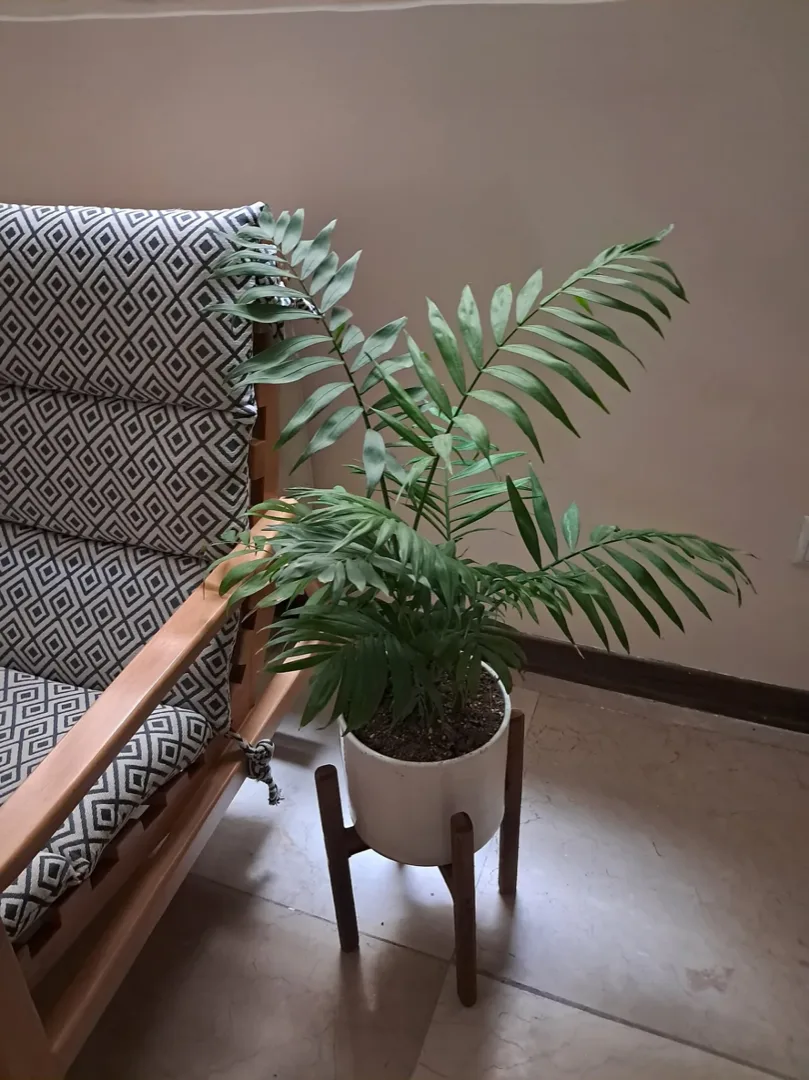
Parlor Palm
Chamaedorea elegans

Philodendron Birkin
Philodendron 'Birkin'
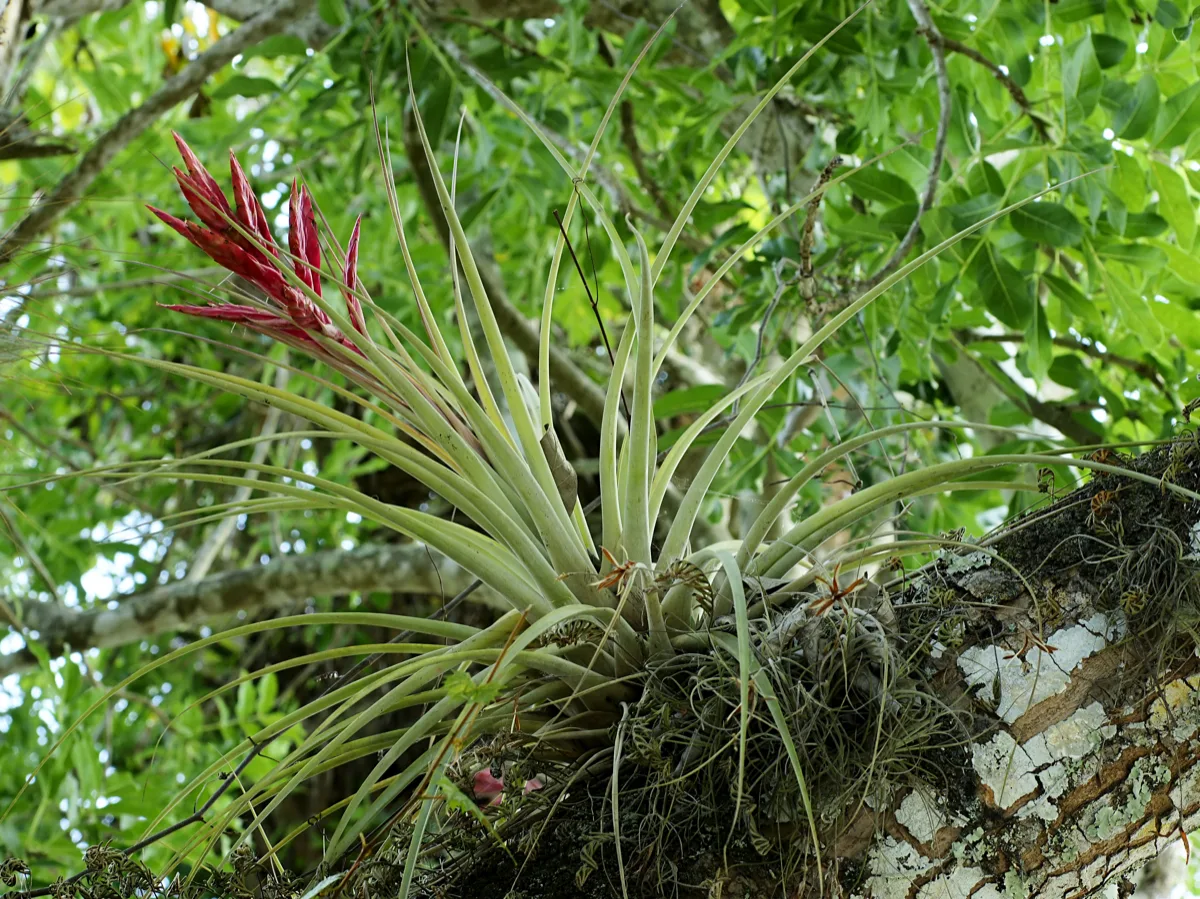
Air Plant
Tillandsia spp.
Rubber Tree Tineke
Ficus elastica 'Tineke'
Free care tools
Keep your Polka Dot Plant thriving.
Get a watering schedule for your conditions, or work out what's wrong when something looks off.