Indoor Plants
Dieffenbachia
Dieffenbachia seguine
In short: Bright indirect light · medium water needs · toxic to cats and dogs (ASPCA)
Lush tropical foliage with bold cream and green patterns. Dieffenbachia adds instant jungle vibes to bright indoor spaces.
- Light
- Bright Indirect
- Water
- Medium
- Humidity
- High
- Growth
- Fast
- Mature size
- 3-6 feet indoors
- Temperature
- 62–80°F (17–27°C)
Rarely blooms indoors. When it does, produces a green spathe similar to a peace lily. Not showy.
Last updated
Overview
Dieffenbachia: Bold Tropical Beauty
Commonly known as Dumb Cane, Dieffenbachia is a tropical stunner with large patterned leaves in striking combinations of green, cream, white, and yellow.
Why "Dumb Cane"?
The name comes from calcium oxalate crystals that cause temporary mouth swelling if ingested. Keep away from children and pets.
Statement Varieties
- Camille: Creamy-white center with green border
- Tropic Snow: Large leaves with silver-green variegation
- Compacta: Smaller, bushier variety for tabletops
With proper care, grows vigorously to impressive indoor sizes. Fills empty corners beautifully with instant tropical ambiance.
Watering
Keep soil consistently moist during growing season, watering when top inch dries. Reduce in winter but never let soil dry completely. Use room-temperature water and drain thoroughly.

Light
Bright indirect light produces best growth and most vibrant patterns. Medium light tolerated but growth slows. Avoid direct sun which burns leaves. Rotate regularly for even growth.
Soil
Rich, well-draining mix of peat moss, perlite, and potting soil. Moisture-retentive but not heavy.
Fertilizing
Every 2-3 weeks in spring/summer with balanced liquid fertilizer at half strength. Moderately heavy feeder. Monthly in fall, stop in winter.
Propagation
Stem cuttings or air layering. Cut 4-6 inch section with at least one node, let dry briefly, place in moist perlite or water. Wear gloves — sap is irritating. Cane sections can be laid horizontally on moist soil to sprout.

Repotting
Annually in spring for fast growers, every 2 years for slower ones. Move up 2 inches. If too tall and leggy, cut back the cane — new growth emerges from the stump.
Common problems
Yellow lower leaves: Natural aging, or check for overwatering/nutrient deficiency.
Leggy bare stems: Insufficient light. Cut back to rejuvenate.
Drooping: Underwatering or cold drafts.
Brown edges: Low humidity — use humidifier or pebble tray.
Pro tips
Wear gloves: Sap causes skin irritation and severe mouth pain if ingested.
Rejuvenate: Cut bare cane to 6 inches above soil — new growth emerges quickly from the stump.
Ideal spot: Bright bathroom for warmth and humidity.
FAQ
Dieffenbachia questions
Starter kit
Get set up for your Dieffenbachia
Untick anything you already have.
The basics
Extras for your Dieffenbachia
Was this helpful?
Your answer helps us improve this page.
Your answer didn't go through. Please try again.
Thanks for your feedback!
Similar plants
Plants like this one
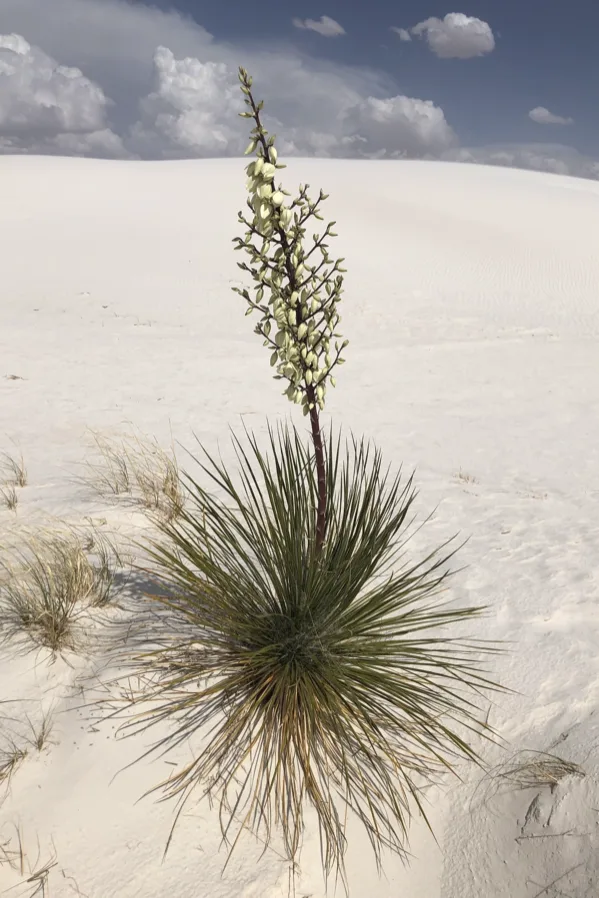
Yucca
Yucca elephantipes
 Non-toxic to pets
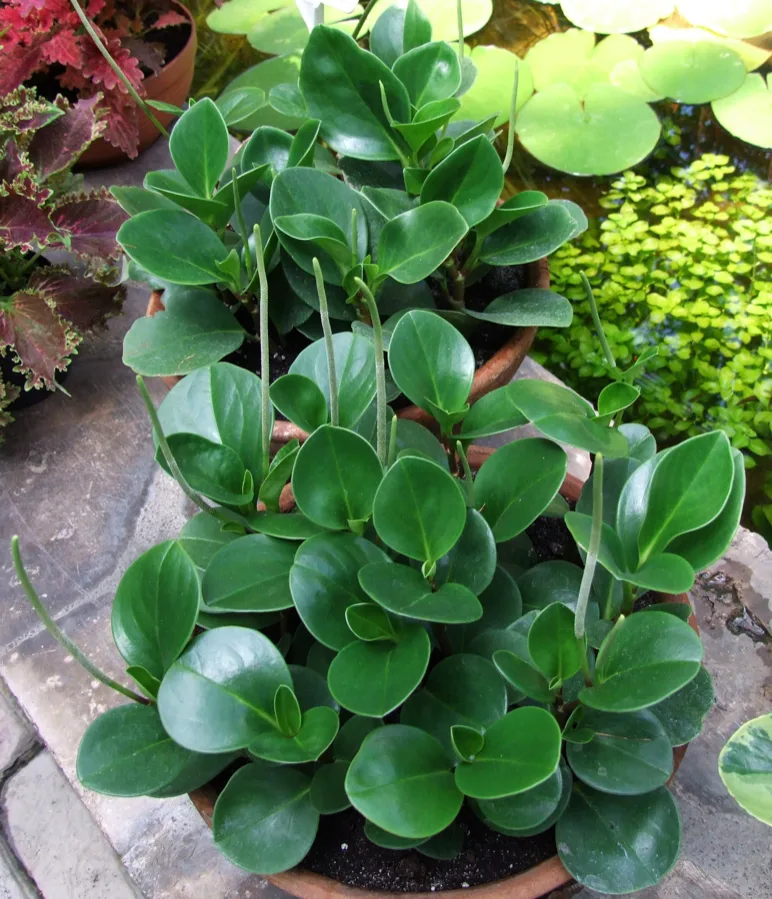
Peperomia Obtusifolia
Peperomia obtusifolia
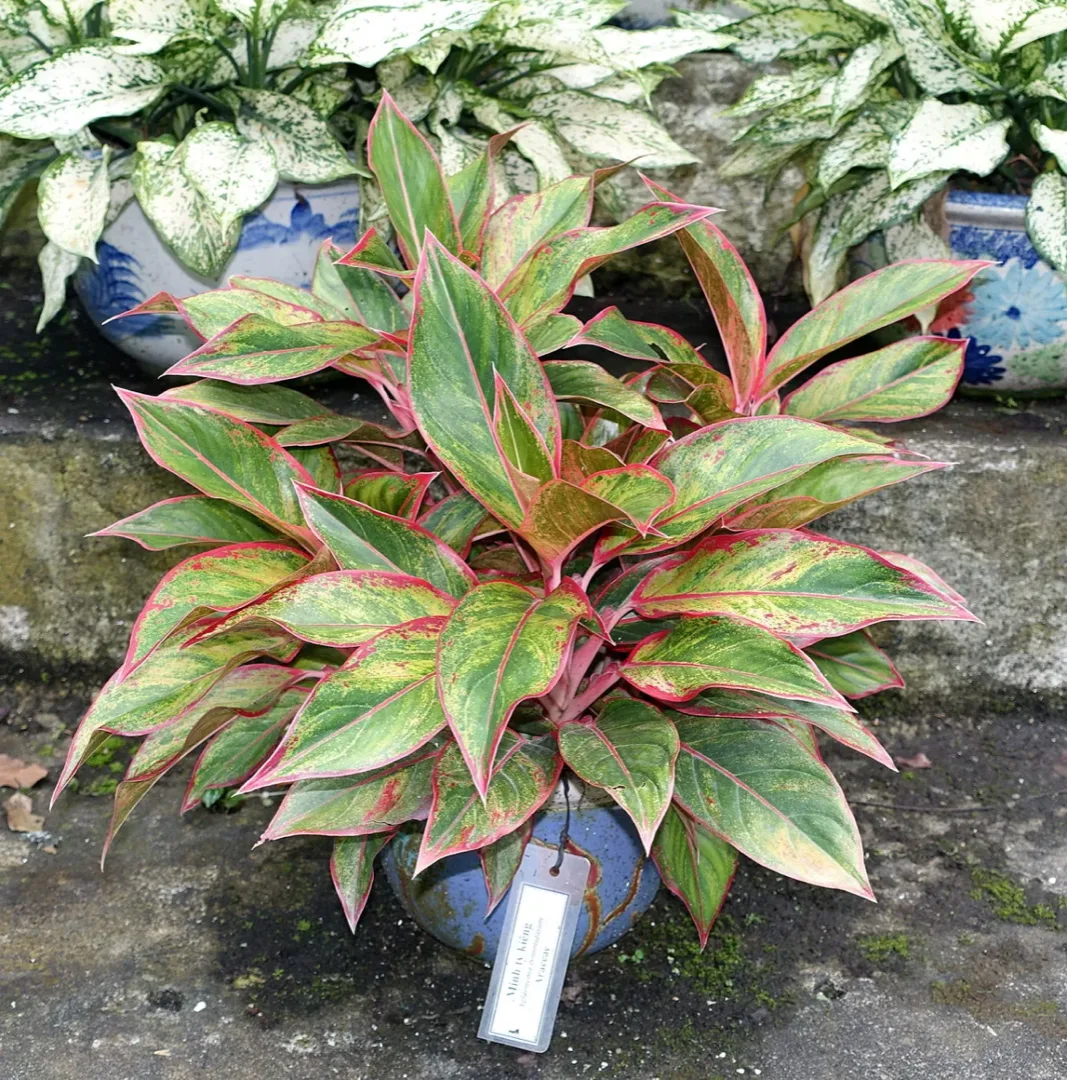
Chinese Evergreen
Aglaonema commutatum
 Non-toxic to pets
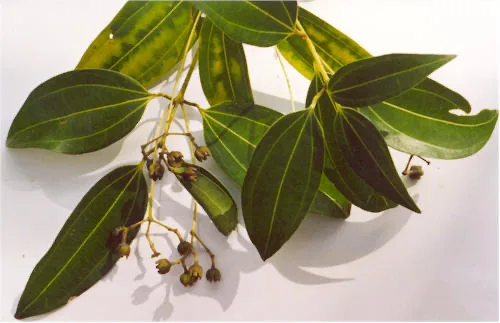
Cinnamon Plant
Cinnamomum verum
Free care tools
Keep your Dieffenbachia thriving.
Get a watering schedule for your conditions, or work out what's wrong when something looks off.