Not everyone has sun-drenched windows, but that does not mean you cannot have thriving houseplants. These are the best low-light indoor plants that genuinely do well in dim conditions — not just survive, but look good doing it. This guide covers 15 plants in detail, with care tips, pet safety info, and a comparison table to help you choose the right one.
What Does "Low Light" Actually Mean?
This is the most misunderstood term in plant care. Let us break it down with practical definitions:
- Low light: A room with a north-facing window, a spot 6-10 feet from an east or west window, or a room lit primarily by overhead fluorescent or LED lights. You can read a book without a lamp, but the room does not feel bright. Your hand casts only a faint, diffused shadow.
- Very low light: A hallway with no direct window, a corner of a large room far from all windows, or a bathroom with a small frosted window. You would turn on a lamp to read comfortably. Only the toughest plants survive here.
- No light: A windowless closet or interior room with no windows and lights off. No plant survives here without a grow light. Period.
To measure objectively, download a free lux meter app on your phone. As a rough guide, about 200-500 lux counts as low light for houseplants, and below about 200 lux most plants need supplemental lighting.
Pro Tip
Check the light level at different times of day. A spot that seems dark in the morning might get adequate ambient light at midday. Measure at 10am, 1pm, and 4pm to get a realistic average.
1. ZZ Plant (Zamioculcas zamiifolia)
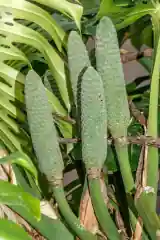
The ZZ Plant is the gold standard for low-light conditions. Its glossy, waxy leaves look healthy even in the dimmest corners thanks to their thick, moisture-storing rhizomes underground. Water it every 2-3 weeks (even less in winter) and it will reward you with slow but steady growth.
- Light needs: Tolerates very low light; grows faster in medium indirect
- Watering: Every 2-3 weeks, let soil dry completely between waterings
- Pet safety: Toxic to cats and dogs — causes oral irritation if chewed
- Growth habit: Upright, arching stems; grows 2-3 feet tall indoors
- Difficulty: Very easy
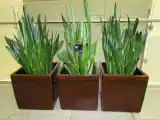
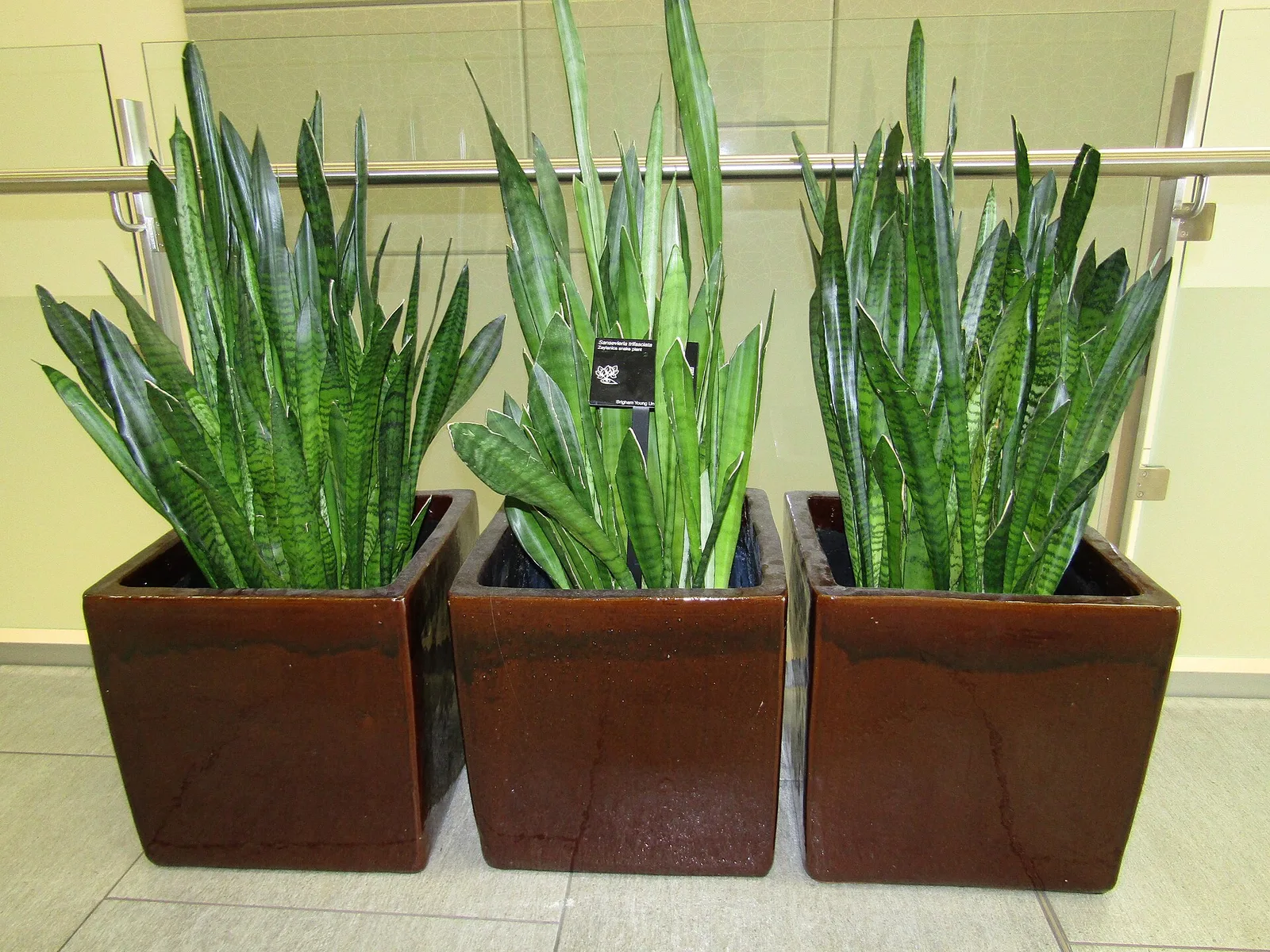
2. Snake Plant (Dracaena trifasciata)
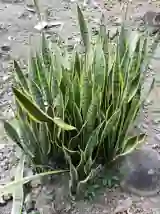
Another low-light champion that also happens to be very hard to kill. It grows more slowly in dim conditions but stays perfectly healthy. It uses CAM photosynthesis, taking in CO2 at night, though the effect on bedroom air is tiny. For more calm, easy-care bedroom picks, see our best plants for the bedroom. The Sansevieria cylindrica variety has a particularly modern, architectural look.
- Light needs: Tolerates low light; thrives in medium to bright indirect
- Watering: Every 2-4 weeks, very drought-tolerant
- Pet safety: Mildly toxic to cats and dogs — causes nausea and vomiting
- Growth habit: Upright sword-like leaves; 1-4 feet depending on variety
- Difficulty: Very easy
3. Pothos (Epipremnum aureum)
Pothos adapts to low light better than most trailing plants. The solid green varieties (like Jade Pothos) do better in low light than variegated types, which need more light to maintain their patterns. In low light, variegated leaves like Marble Queen will gradually revert to mostly green — still beautiful, just less dramatic.
- Light needs: Adapts to low light; prefers medium indirect
- Watering: When top inch of soil is dry, typically every 7-10 days
- Pet safety: Toxic to cats and dogs — causes oral irritation and vomiting
- Growth habit: Trailing vines that can reach 10+ feet; easy to propagate
- Difficulty: Beginner
4. Cast Iron Plant (Aspidistra elatior)
This plant earned its name by being extremely tough. It thrives in deep shade, handles temperature swings from 45-85F, and does not mind being ignored for weeks. Victorian households kept them in dark hallways and poorly lit parlors. A truly set-it-and-forget-it plant for dark rooms.
- Light needs: Thrives in low to very low light; direct sun actually burns its leaves
- Watering: Every 1-2 weeks, drought-tolerant
- Pet safety: Listed as non-toxic to cats and dogs by the ASPCA
- Growth habit: Slow-growing clumps of broad, dark green leaves; 2-3 feet tall
- Difficulty: Very easy
5. Peace Lily (Spathiphyllum)
One of the few flowering plants that tolerates low light. It will bloom less frequently in dim conditions, but the glossy dark green foliage still looks beautiful. The Peace Lily conveniently tells you when it needs water by drooping dramatically, then perking right back up after a drink.
- Light needs: Low to medium indirect; blooms more with brighter light
- Watering: When it droops slightly, usually weekly
- Pet safety: Toxic to cats and dogs — contains calcium oxalate crystals
- Growth habit: Bushy clumps with white spathe flowers; 1-4 feet depending on variety
- Difficulty: Beginner to moderate
6. Heartleaf Philodendron (Philodendron hederaceum)
This trailing plant handles low light well and grows quickly enough to drape attractively from a shelf or hanging planter. Its heart-shaped leaves add a soft, natural touch to dim spaces. It is also one of the easiest plants to propagate — just snip a vine and pop it in water.
- Light needs: Adapts well to low light; faster growth in medium indirect
- Watering: When top inch is dry, every 7-10 days
- Pet safety: Toxic to cats and dogs
- Growth habit: Trailing or climbing vines; can reach 10+ feet over time
- Difficulty: Beginner
7. Chinese Evergreen (Aglaonema)
Chinese Evergreens come in stunning varieties with silver, pink, and red leaf patterns. The darker green varieties (like Aglaonema Silver Bay) tolerate the lowest light levels. The more colorful varieties need slightly more light to maintain their pigmentation but still do well in medium-low conditions. They are forgiving about watering schedules and rarely develop pest problems.
- Light needs: Low to medium; darker green varieties tolerate the least light
- Watering: When top 2 inches are dry, every 7-14 days
- Pet safety: Toxic to cats and dogs
- Growth habit: Bushy, compact; 1-3 feet tall
- Difficulty: Beginner
8. Dracaena (Dracaena spp.)
Dracaena species like the Janet Craig, Warneckii, and Dracaena marginata adapt well to low-light office environments. They grow slowly, need infrequent watering, and can reach impressive sizes over time — a mature Dracaena can hit 6 feet indoors. The Janet Craig variety, with its solid dark green strap-like leaves, is particularly tolerant of low light.
- Light needs: Low to medium indirect
- Watering: When top half of soil is dry, every 10-14 days
- Pet safety: Toxic to cats and dogs
- Growth habit: Upright, tree-like; 3-6 feet tall indoors
- Difficulty: Beginner
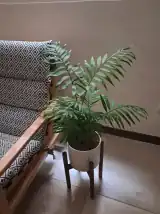
9. Parlor Palm (Chamaedorea elegans)
If you want a palm for a dim room, the Parlor Palm is your best choice. It grows slowly, stays compact, and has been a popular indoor plant since the Victorian era for exactly this reason — it thrived in the dimly lit parlors of the 1800s. Unlike many palms that demand bright light and high humidity, this one adapts to normal household conditions.
- Light needs: Low to medium indirect; tolerates fluorescent lighting
- Watering: When top inch is dry, every 7-10 days
- Pet safety: Listed as non-toxic to cats and dogs by the ASPCA
- Growth habit: Compact, graceful fronds; 2-4 feet tall
- Difficulty: Beginner
10. Ferns (Boston Fern, Maidenhair Fern)
Ferns naturally grow on the forest floor under tree canopy, so they are adapted to filtered, indirect light. They do need higher humidity though (50%+), which makes them excellent bathroom plants. Boston Ferns are the more forgiving variety — Maidenhair Ferns are gorgeous but notoriously finicky about humidity and consistent moisture.
- Light needs: Low to medium indirect; avoid direct sun
- Watering: Keep soil consistently moist, never let dry out
- Pet safety: Boston Fern is listed as non-toxic to cats and dogs by the ASPCA; Maidenhair Fern is not listed, so check with your vet
- Growth habit: Cascading fronds; Boston Ferns can spread 3+ feet wide
- Difficulty: Moderate (humidity dependent)
11. Calathea (Calathea / Goeppertia spp.)
Calatheas have some of the most beautiful leaf patterns in the plant world — pinstripes, medallions, and rattlesnake-like markings. They actually prefer lower light and can scorch in bright conditions. They do demand higher humidity (ideally 50-60%), so pair them with a humidifier or keep them in a bathroom. They are also pet-safe, which is a bonus.
- Light needs: Low to medium indirect; scorches in bright light
- Watering: Keep soil consistently moist; use filtered water (sensitive to chlorine)
- Pet safety: Listed as non-toxic to cats and dogs by the ASPCA
- Growth habit: Bushy, upright foliage with unique patterns; 1-2 feet tall
- Difficulty: Moderate (humidity and water quality sensitive)
12. Rex Begonia (Begonia rex)
Rex Begonias are grown for their spectacularly patterned leaves in silver, purple, pink, and green. They prefer indirect light and actually do poorly in bright conditions — their pigmented leaves are adapted to understory conditions. Keep the soil lightly moist and provide some humidity for best results.
- Light needs: Low to medium indirect
- Watering: When top inch is dry; avoid getting water on leaves
- Pet safety: Toxic to cats and dogs (mildly)
- Growth habit: Compact, mounding; beautiful foliage display
- Difficulty: Moderate
13. Dieffenbachia (Dumb Cane)
Dieffenbachia tolerates low light well and brings a tropical look with its large, patterned leaves. It grows relatively quickly even in dim conditions and can reach 3-5 feet tall. The main caveat: it is quite toxic if chewed, causing temporary inability to speak (hence the name "dumb cane").
- Light needs: Low to medium indirect
- Watering: When top inch is dry, every 7-10 days
- Pet safety: Toxic — keep away from pets and small children
- Growth habit: Upright, cane-like; 3-5 feet tall
- Difficulty: Beginner
14. Peperomia (Peperomia spp.)
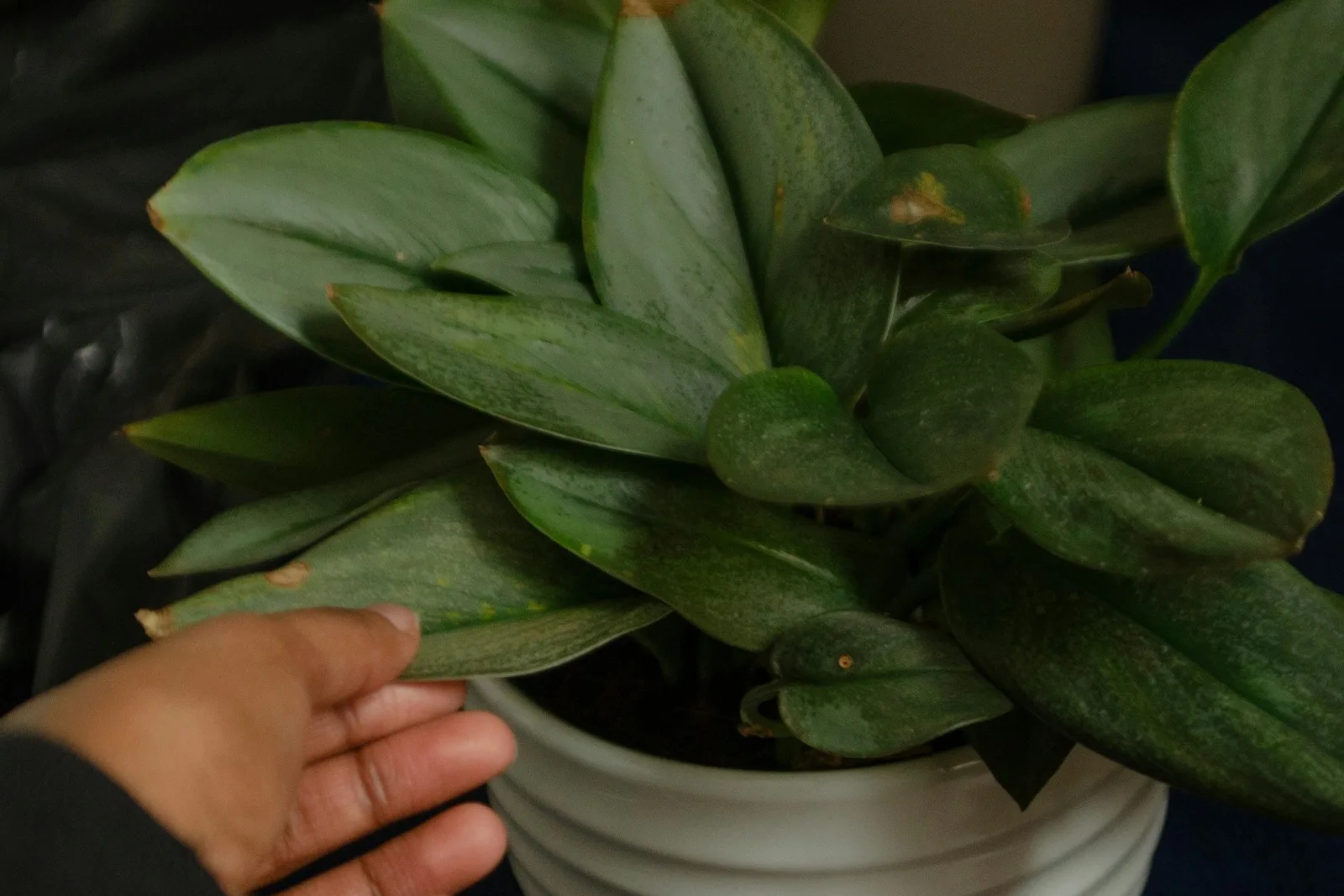
Peperomias are compact, diverse, and adapt well to lower light conditions. The solid green varieties like Peperomia obtusifolia (Baby Rubber Plant) handle the least light. With hundreds of species to choose from — some with textured leaves, some trailing, some upright — there is a Peperomia for every dim spot.
- Light needs: Low to medium indirect
- Watering: When soil is mostly dry, every 7-14 days
- Pet safety: Many common species are listed as non-toxic to cats and dogs by the ASPCA
- Growth habit: Compact, bushy; most stay under 12 inches
- Difficulty: Beginner
15. Lucky Bamboo (Dracaena sanderiana)
Lucky Bamboo thrives in low light and can grow in just water with pebbles — no soil needed. It adds a clean, minimalist look to offices and dark shelves. Despite the name, it is not actually bamboo but a Dracaena. Change the water every 1-2 weeks and avoid chlorinated tap water.
- Light needs: Low to medium indirect; avoid direct sun
- Watering: Keep in water, change every 1-2 weeks; or in soil, water when dry
- Pet safety: Toxic to cats and dogs
- Growth habit: Upright canes; can be trained into spirals and braids
- Difficulty: Beginner
Low-Light Plant Comparison Table
| Plant | Light Tolerance | Water Needs | Pet Safe | Difficulty | Growth Rate |
|---|---|---|---|---|---|
| ZZ Plant | Very low | Every 2-3 weeks | No | Very easy | Slow |
| Snake Plant | Very low | Every 2-4 weeks | No | Very easy | Slow |
| Pothos | Low | Weekly | No | Easy | Fast |
| Cast Iron Plant | Very low | Every 1-2 weeks | Yes | Very easy | Very slow |
| Peace Lily | Low | Weekly | No | Easy | Moderate |
| Heartleaf Philodendron | Low | Weekly | No | Easy | Fast |
| Chinese Evergreen | Low | Every 7-14 days | No | Easy | Slow |
| Dracaena | Low | Every 10-14 days | No | Easy | Slow |
| Parlor Palm | Low | Weekly | Yes | Easy | Slow |
| Ferns | Low | Keep moist | Boston Fern: yes | Moderate | Moderate |
| Calathea | Low | Keep moist | Yes | Moderate | Moderate |
| Rex Begonia | Low | When top inch dry | No | Moderate | Slow |
| Dieffenbachia | Low | Weekly | No | Easy | Moderate |
| Peperomia | Low | Every 7-14 days | Yes | Easy | Slow |
| Lucky Bamboo | Very low | Water changes weekly | No | Very easy | Slow |
Pro Tip
If your only light source is fluorescent office lights, stick with ZZ Plants, Snake Plants, and Pothos. These three will survive under artificial light alone, though they will grow more slowly than near a window. Cast Iron Plant and Lucky Bamboo also handle office-only lighting remarkably well.
Low-Light Troubleshooting
Even low-light tolerant plants can struggle if conditions are too extreme. Here are common problems and fixes:
- Leggy, stretched growth: The plant is reaching for more light. Move it closer to a window or add a grow light. Trim the leggy growth to encourage bushier shape.
- Pale or yellowing leaves: Often a combination of too little light and too much water. Reduce watering frequency and consider a brighter spot.
- Variegation reverting to green: Variegated plants produce more chlorophyll in low light to compensate, which means more green and less white/yellow. This is the plant adapting, not dying. Move to brighter indirect light to maintain variegation.
- No growth at all: Some plants simply go dormant in very low light, especially in winter. This is not a problem — they are conserving energy. Reduce watering and wait for longer days.
- Mushrooms growing in soil: This means the soil stays wet too long in dim conditions. Reduce watering frequency and improve airflow around the pot.
Grow Lights: A Solution for Zero-Light Rooms
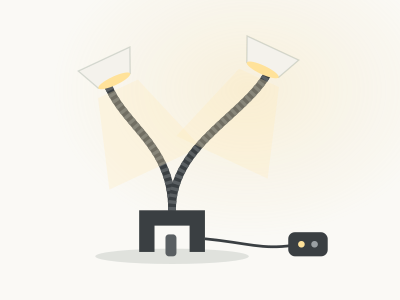
If you have a room with no natural light but still want plants, a grow light is the answer. Modern LED grow lights are affordable, energy-efficient, and can keep plants healthy in otherwise impossible conditions.
- Full-spectrum LED bulbs screw into any standard lamp socket. Put one in a desk lamp and point it at your plant for 10-12 hours daily. This is the simplest and most affordable option.
- LED grow light bars attach under shelves or cabinets and provide even light across a wider area. Great for plant shelves in dim rooms.
- Smart grow lights with timers turn on and off automatically. Set it and forget it — the plant gets consistent light every day without you remembering to flip a switch.
For low-light plants, 8-10 hours of grow light exposure per day is typically sufficient. Place the light 12-18 inches from the plant for best results.
Tips for Success in Low Light
- Water less frequently. Plants in low light use less water because they photosynthesize less. Overwatering is one of the most common ways low-light plants die.
- Choose solid green varieties. Variegated plants need more light to maintain their coloring. In low light, go for dark green cultivars.
- Keep leaves clean. Wipe leaves with a damp cloth monthly. Dusty leaves cannot photosynthesize efficiently, which matters more when light is already limited.
- Rotate your plants. Even in low light, rotate pots a quarter turn monthly so growth stays even and the plant does not lean.
- Fertilize less. Low-light plants grow slowly and need less food. Feed at half strength, only during spring and summer.
- Use reflective surfaces. A mirror or light-colored wall opposite a window bounces more light into the room. Even small gains help in dim spaces.
- Group plants together. A cluster of plants creates a microclimate with slightly higher humidity, which helps all of them thrive.
Browse all plants in our Low Light Champions collection.
Frequently Asked Questions
Can houseplants grow in a room with no windows?
Not without help. A windowless room with the lights off cannot support plants without a grow light. With a full-spectrum LED, 8-10 hours a day placed 12-18 inches from the plant is typically enough for low-light plants.
Why is my variegated pothos turning green in low light?
In low light, variegated plants produce more chlorophyll to compensate, so leaves gradually revert to mostly green. This is the plant adapting, not dying. Move it to brighter indirect light to keep the variegation, or choose solid green varieties for dim spots.
Which low-light plants are listed as non-toxic to cats and dogs?
Cast Iron Plant, Parlor Palm, Boston Fern and Calathea are listed as non-toxic to cats and dogs by the ASPCA, as are many common peperomias. Maidenhair Fern is not on the ASPCA list, so check with your vet.