Tropical Plants
Heartleaf Philodendron
Philodendron hederaceum
In short: Medium light · medium water needs · toxic to cats and dogs (ASPCA)
Classic trailing plant with glossy heart-shaped leaves. An easy, adaptable houseplant for any experience level.
- Light
- Medium
- Water
- Medium
- Humidity
- Average
- Growth
- Fast
- Mature size
- Trails up to 10 feet
- Temperature
- 60–85°F (16–29°C)
Does not bloom indoors. Grown entirely for its beautiful heart-shaped foliage and trailing habit.
Last updated
Overview
Heartleaf Philodendron: The Classic Trailing Plant
Philodendron hederaceum is a timeless houseplant with velvety, heart-shaped leaves on graceful trailing vines. It has been a staple in homes and offices for decades thanks to its extreme adaptability.
Grows Anywhere
From bright rooms to dim offices, the Heartleaf Philodendron adapts and thrives. It grows as a trailing vine from shelves and baskets, or climbs a support structure with equal enthusiasm.
Versatile Beauty
- Classic green: Deep, glossy green hearts
- Brasil: Lime green and dark green variegation
- Micans: Velvety, bronze-tinted leaves
- Lemon Lime: Bright chartreuse foliage
Perfect for beginners, offices, and anyone wanting a lush, trailing plant without fuss.
Watering
Water when top inch of soil is dry. Tolerates slight neglect but prefers consistent moisture. Yellow leaves = overwatering. Wilting = thirsty. Fast-draining and bounces back quickly from underwatering.

Light
Adaptable to low through bright indirect light. Variegated types need more light. Avoids direct sun. Grows faster in brighter conditions but survives surprisingly well in dim offices.

Soil
Standard well-draining potting mix. Not fussy about soil. Add perlite for extra drainage if desired.
Fertilizing
Monthly during spring/summer with balanced liquid fertilizer at half strength. Light feeder. Stop in winter.

Propagation
One of the easiest plants to propagate. Cut below a node, place in water, roots appear in 1-2 weeks. Can propagate in water, soil, or sphagnum moss. Almost impossible to fail.

Repotting
Every 1-2 years in spring. Not picky about pot size. Fast growers may need annual repotting.
Common problems
Yellow leaves: Overwatering — let dry more.
Leggy vines: Not enough light. Prune and move brighter.
Small leaves: Needs more light or nutrients.
Brown tips: Low humidity or underwatering.
Pro tips
Pinch for fullness: Pinch growing tips regularly to encourage branching and a bushier plant.
Water propagation: Keep cuttings in decorative vases — they grow happily in water indefinitely.
Climbing option: Give it a moss pole and leaves grow larger.

FAQ
Heartleaf Philodendron questions
Starter kit
Get set up for your Heartleaf Philodendron
Untick anything you already have.
The basics


Extras for your Heartleaf Philodendron
Was this helpful?
Your answer helps us improve this page.
Your answer didn't go through. Please try again.
Thanks for your feedback!
Similar plants
Plants like this one

Fiddle Leaf Fig
Ficus lyrata

Monstera Peru
Philodendron opacum
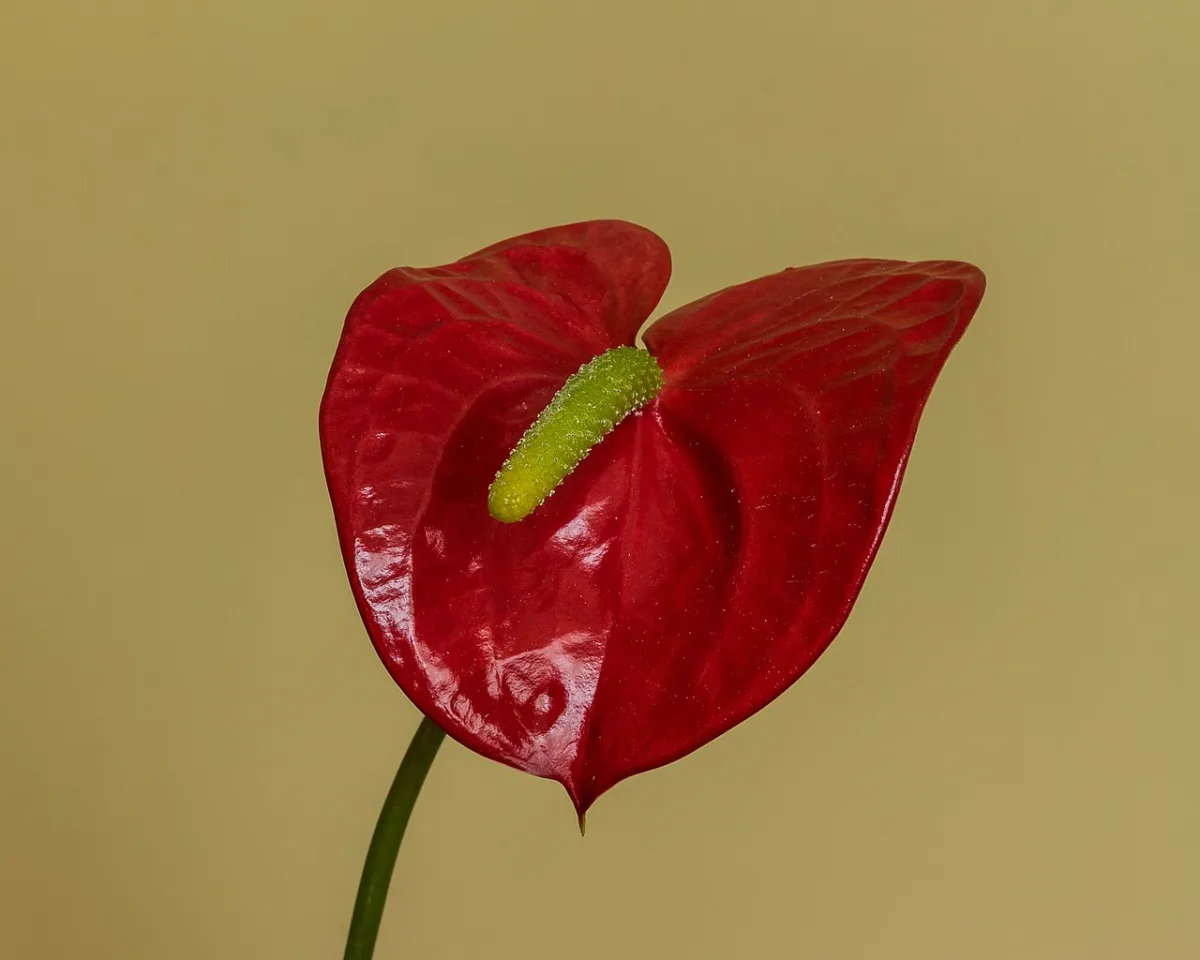
Anthurium
Anthurium andraeanum
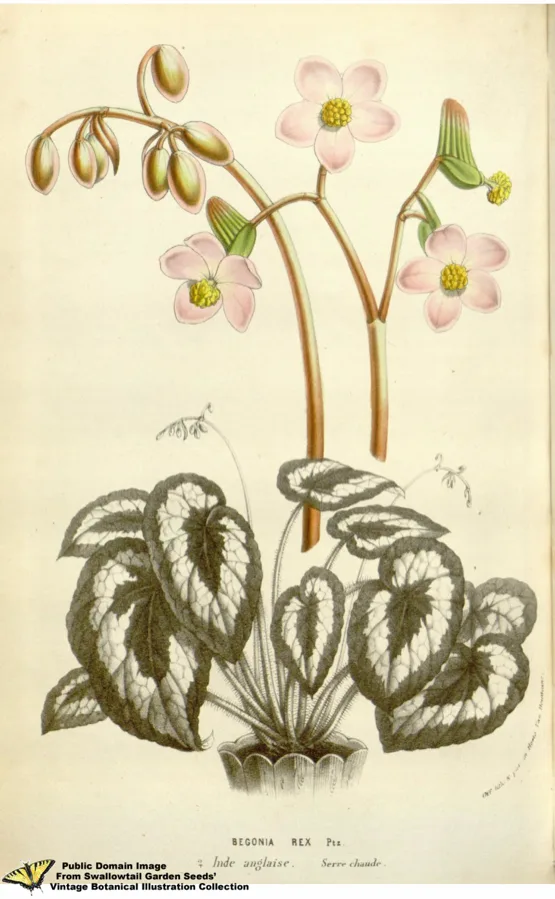
Rex Begonia
Begonia rex
Free care tools
Keep your Heartleaf Philodendron thriving.
Get a watering schedule for your conditions, or work out what's wrong when something looks off.