Hanging Plants
Pothos
Epipremnum aureum
In short: Low light · medium water needs · toxic to cats and dogs (ASPCA)
A classic trailing houseplant. Heart-shaped leaves cascade beautifully from hanging baskets and shelves, thriving in almost any indoor condition.
- Light
- Low
- Water
- Medium
- Humidity
- Average
- Growth
- Fast
- Mature size
- Trails up to 10 feet indoors
- Temperature
- 60–85°F (16–29°C)
Pothos almost never blooms in cultivation. Grown entirely for its beautiful trailing foliage.
Last updated
Overview
Pothos: Devil's Ivy — The Easy Trailing Plant
Pothos is a go-to easy houseplant. Heart-shaped leaves on graceful trailing vines look stunning cascading from shelves, baskets, and mantels. It is often said to have earned the nickname Devil's Ivy because it is so hard to kill.
Endless Varieties
- Golden Pothos: Classic green with gold variegation
- Marble Queen: White and green marbled leaves
- Neon: Bright chartreuse-lime green
- Manjula: Wide leaves with silver, cream, and green
- N'Joy: Compact with white and green patches
Grows Anywhere
From bright rooms to dim offices, bathrooms to kitchens, Pothos adapts and thrives. It grows in soil or water, trails or climbs, and forgives most beginner mistakes.
A Classic Trailing Plant
Pothos is a widely grown trailing houseplant, and for good reason. Its heart-shaped leaves cascade beautifully from hanging baskets, high shelves, and wall-mounted planters. A single vine can trail up to 10 feet indoors, creating a stunning curtain of green.
To encourage trailing growth, place your Pothos in a spot with bright indirect light and allow the vines to hang freely. Regularly trim the tips to promote branching — each cut can encourage new growth points, resulting in a fuller, more dramatic trailing display. For the best trailing effect, choose varieties like Golden Pothos, Marble Queen, or Neon Pothos.
Pothos is often called an air-purifying plant because it was tested in NASA's 1989 Clean Air Study, which used small sealed chambers. At normal room scale the effect of a few houseplants on indoor air is negligible, so place your vines where you will enjoy them most.
Watering
Water when top inch of soil is dry. Pothos will droop dramatically when thirsty — a built-in watering reminder. It perks right back up after watering. Typically weekly in summer, every 10-14 days in winter. Tolerates some neglect but prefers consistency.

Light
Incredibly adaptable — from low light to bright indirect. Variegated types (Marble Queen, Manjula) need more light to keep their patterns. Golden and Neon do well in low light. Avoid direct sun which scorches leaves. Grows fastest in bright indirect light.
Soil
Any standard well-draining potting mix works perfectly. Not fussy at all. Add perlite for extra drainage if desired. Also grows happily in water indefinitely.
Fertilizing
Monthly during spring and summer with balanced liquid fertilizer at half strength. Not a heavy feeder. Stop in winter. Over-fertilizing causes brown leaf tips.

Propagation
One of the easiest plants to propagate. Cut below a node, place in water, and roots appear in 1-2 weeks. Can root in soil, water, perlite, or even damp paper towels. Share cuttings with everyone you know.
Propagating Trailing Cuttings: The easiest way to propagate Pothos is from trailing vine cuttings. Snip a 4-6 inch section of vine just below a node, place in water, and roots will appear within 1-2 weeks. This is also the best way to make a sparse Pothos look fuller — root the cuttings and plant them back in the same pot.

Repotting
Every 1-2 years in spring. Not fussy about pots. Can grow in almost anything with drainage. Fast growers may need annual repotting.

Common problems
Yellow leaves: Overwatering or too much direct sun. Let dry more.
Leggy vines with small leaves: Not enough light. Move brighter and trim.
Brown tips: Low humidity, salt buildup, or inconsistent watering.
Loss of variegation: Needs more light (for variegated types).
Pro tips
Water propagation decor: Pothos cuttings in glass vases make beautiful living decorations that grow indefinitely in water.
Trim for fullness: Regularly cut long vines and stick cuttings back into the pot for a bushier plant.
Climbing option: Give it a moss pole — leaves tend to grow larger when climbing.

FAQ
Pothos questions
Starter kit
Get set up for your Pothos
Untick anything you already have.
The basics


Extras for your Pothos
Was this helpful?
Your answer helps us improve this page.
Your answer didn't go through. Please try again.
Thanks for your feedback!
Plant hub
Everything about Pothos
Step-by-step guides


Articles & tips


Similar plants
Plants like this one
 Non-toxic to pets
Spider Plant
Chlorophytum comosum
 Non-toxic to pets
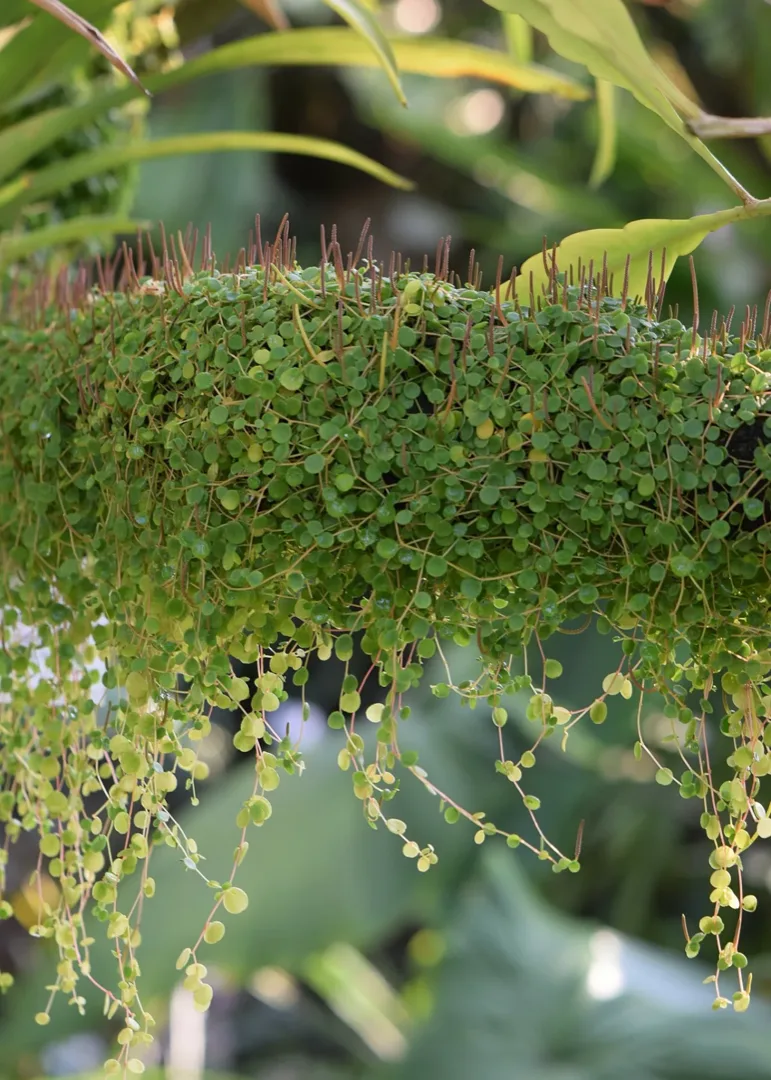
String of Turtles
Peperomia prostrata
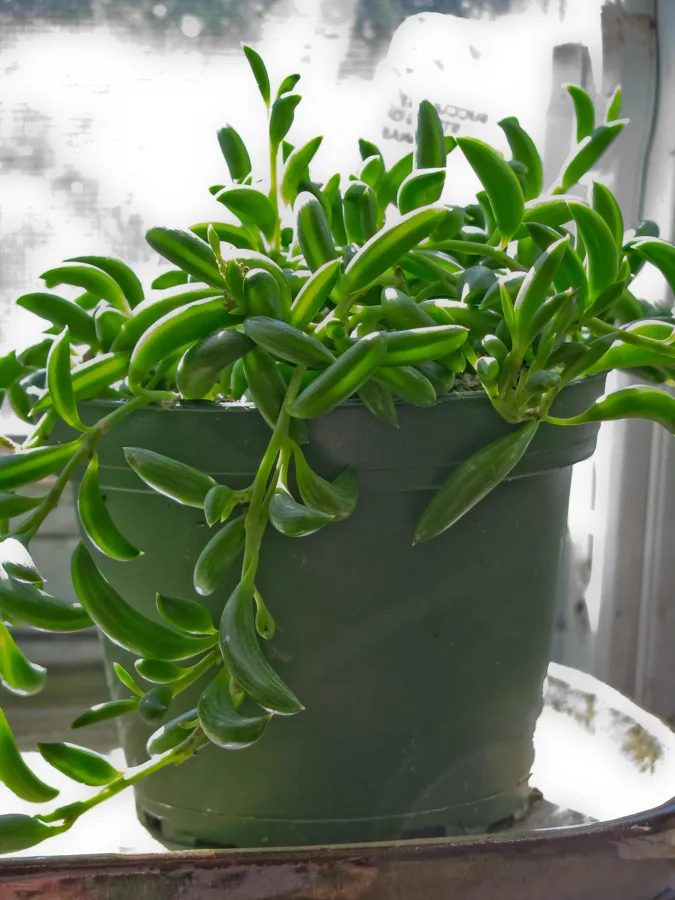
String of Bananas
Senecio radicans

Philodendron Brasil
Philodendron hederaceum 'Brasil'
Free care tools
Keep your Pothos thriving.
Get a watering schedule for your conditions, or work out what's wrong when something looks off.