Indoor Plants
Rubber Plant
Ficus elastica
In short: Bright indirect light · medium water needs · toxic to cats and dogs (ASPCA)
Bold, glossy leaves in deep burgundy or green make the Rubber Plant a stunning, easy-care indoor tree perfect for beginners.
- Light
- Bright Indirect
- Water
- Medium
- Humidity
- Average
- Growth
- Medium
- Mature size
- 6-10 feet indoors
- Temperature
- 60–80°F (16–27°C)
Rubber Plants rarely bloom indoors. In their native habitat they produce small, insignificant fig-like fruits.
Last updated
Overview
Why the Rubber Plant Is a Must-Have
The Rubber Plant (Ficus elastica) is a rewarding indoor tree to grow. Thick, glossy leaves in shades of deep green, burgundy, or variegated cream add instant drama without demanding much attention.
Beginner-Friendly Indoor Tree
Unlike its fussy cousin the Fiddle Leaf Fig, the Rubber Plant is remarkably forgiving. It tolerates a range of light conditions, bounces back from neglect, and grows at a satisfying pace. A small nursery plant can become a striking 6-foot tree within a few years.
Popular Varieties
- Burgundy: Deep, almost-black leaves with red undersides
- Tineke: Stunning cream, green, and pink variegation
- Ruby: Vibrant pink and cream variegation
- Robusta: Classic dark green with extra-large leaves
What About Air Purifying?
Rubber Plants often appear on lists of "air-purifying" plants. Those lists trace back to sealed-chamber tests such as NASA's 1989 Clean Air Study. At normal room scale the effect of a few houseplants on indoor air is negligible (what the research actually shows), so grow one for its looks and easy care.

Watering
Water when the top 1-2 inches of soil feel dry — typically once a week in spring/summer, every 10-14 days in winter. Water thoroughly until it drains from the bottom, then empty the saucer. Soggy roots cause leaf drop fast.
Tip: Droopy + dry soil = needs water. Droopy + wet soil = overwatered.

Light
Thrives in bright, indirect light but adapts to medium light. Variegated varieties like Tineke and Ruby need brighter light to maintain coloring. Avoid direct afternoon sun which scorches leaves. East or north-facing window is ideal. Rotate quarterly for even growth.

Soil
Use a well-draining potting mix. Combine standard potting soil with perlite and orchid bark in a 2:1:1 ratio. A pot with drainage holes is essential — the mix should hold moisture but never stay waterlogged.
Fertilizing
Feed monthly during the growing season (spring through early fall) with a balanced liquid fertilizer at half strength. Stop in winter. Over-fertilizing causes salt buildup and brown leaf edges.
Propagation
Propagate from 6-inch stem cuttings with 2-3 leaves. Let the milky sap dry for an hour, then place in moist perlite or water. Cover with a clear bag for humidity. Roots appear in 4-6 weeks. Air layering works well for larger plants.

Repotting
Repot every 2-3 years in spring, moving up one pot size (2 inches larger). They prefer being slightly snug — too large a pot holds excess moisture. Fresh soil every couple of years refreshes nutrients.

Common problems
Dropping leaves: Cold drafts, overwatering, or sudden environmental changes.
Leggy growth: Insufficient light — move to brighter spot and prune.
Brown leaf edges: Low humidity or fertilizer salt buildup.
Yellow lower leaves: Natural aging if occasional; widespread means overwatering.
Pro tips
Encourage branching: Prune the top of the main stem to force side shoots for a bushier shape.
Leaf shine: Wipe monthly with a damp cloth to remove dust.
Sap warning: White latex sap irritates skin — wear gloves when pruning.
FAQ
Rubber Plant questions
Starter kit
Get set up for your Rubber Plant
Untick anything you already have.
The basics

Extras for your Rubber Plant
Was this helpful?
Your answer helps us improve this page.
Your answer didn't go through. Please try again.
Thanks for your feedback!
Plant hub
Everything about Rubber Plant
Step-by-step guides
Similar plants
Plants like this one
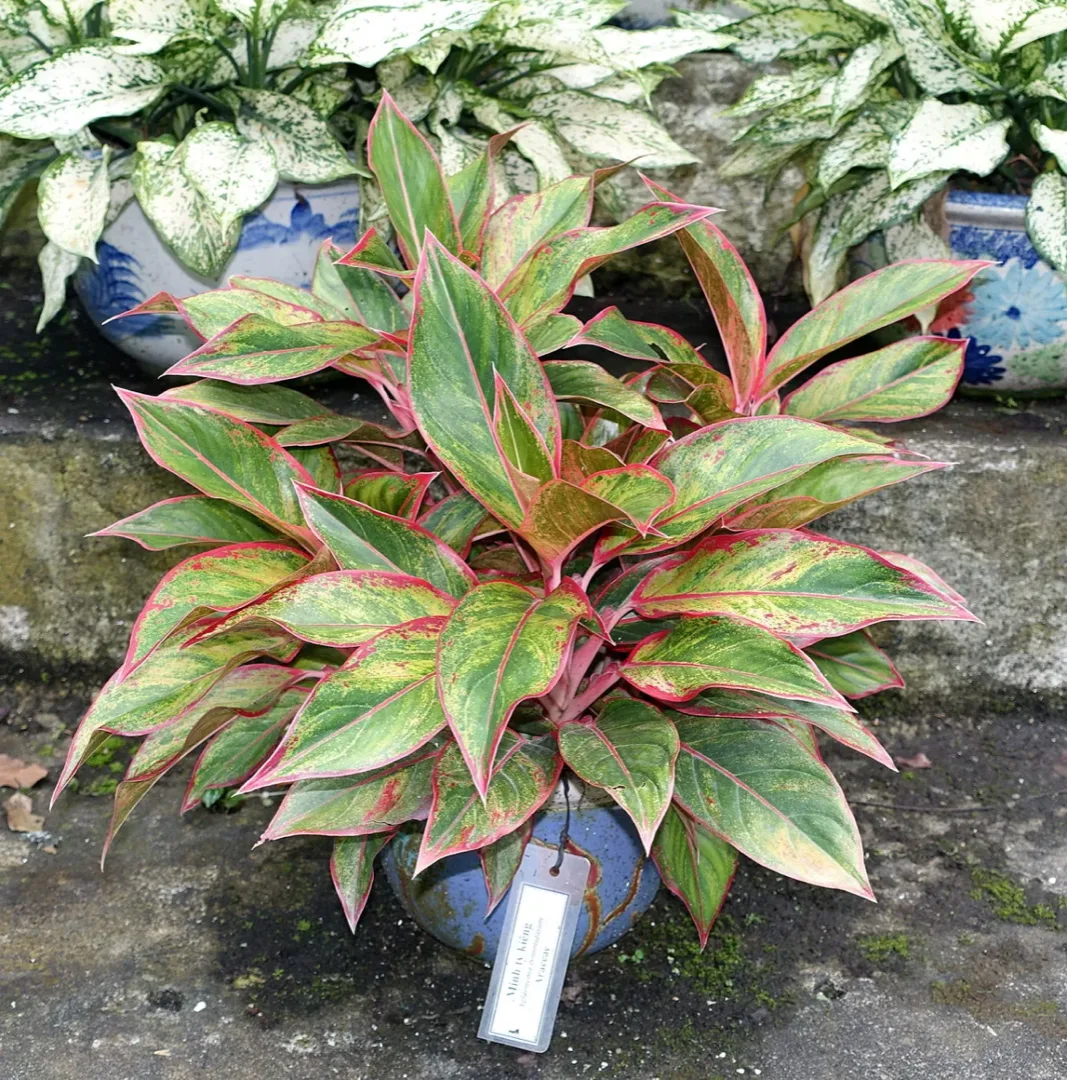
Chinese Evergreen
Aglaonema commutatum

ZZ Plant
Zamioculcas zamiifolia
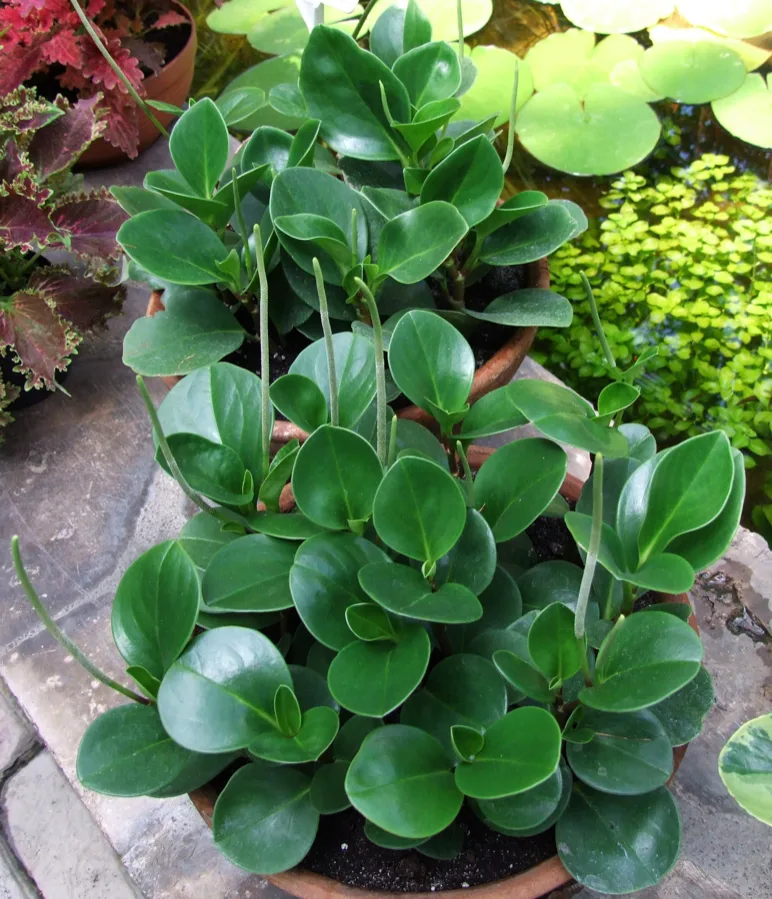 Non-toxic to pets
Peperomia Obtusifolia
Peperomia obtusifolia
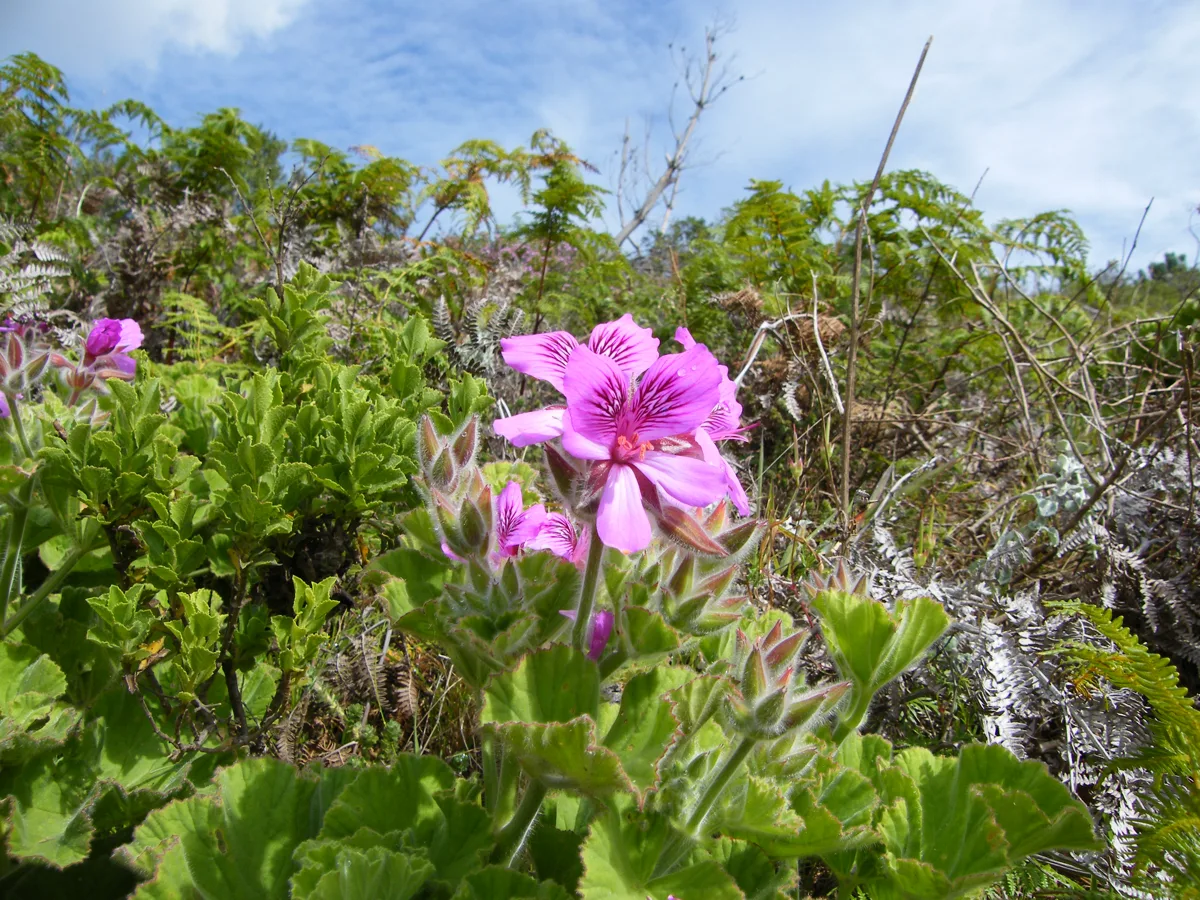
Citronella Plant
Pelargonium 'Citrosum'
Free care tools
Keep your Rubber Plant thriving.
Get a watering schedule for your conditions, or work out what's wrong when something looks off.