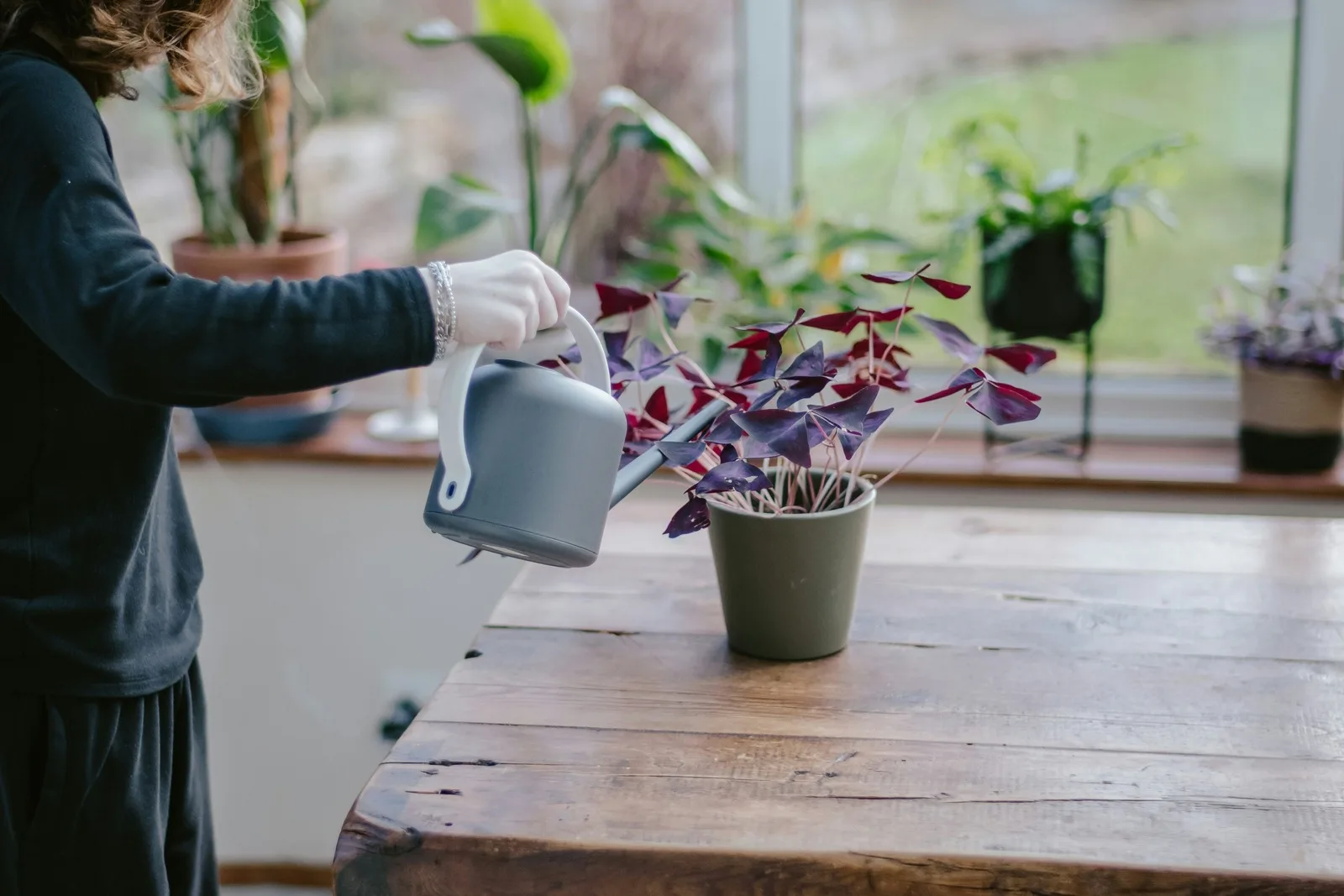
Your bedroom should be a sanctuary, and the right plants can genuinely help make it one. Beyond looking beautiful on a nightstand, some houseplants have fragrances many people find relaxing, and caring for a few easy plants can make a room feel calmer. (At normal room scale their effect on indoor air is negligible — see Do houseplants really purify air?)
Here are 12 of the best plants for your bedroom, chosen for their low-light tolerance, fragrance, and ease of care.
Quick Summary
Top picks for beginners: Snake Plant, Pothos, and Spider Plant. If you want fragrance: Lavender or Jasmine. For pet owners: Spider Plant, Areca Palm, or Calathea (skip Peace Lily and English Ivy).
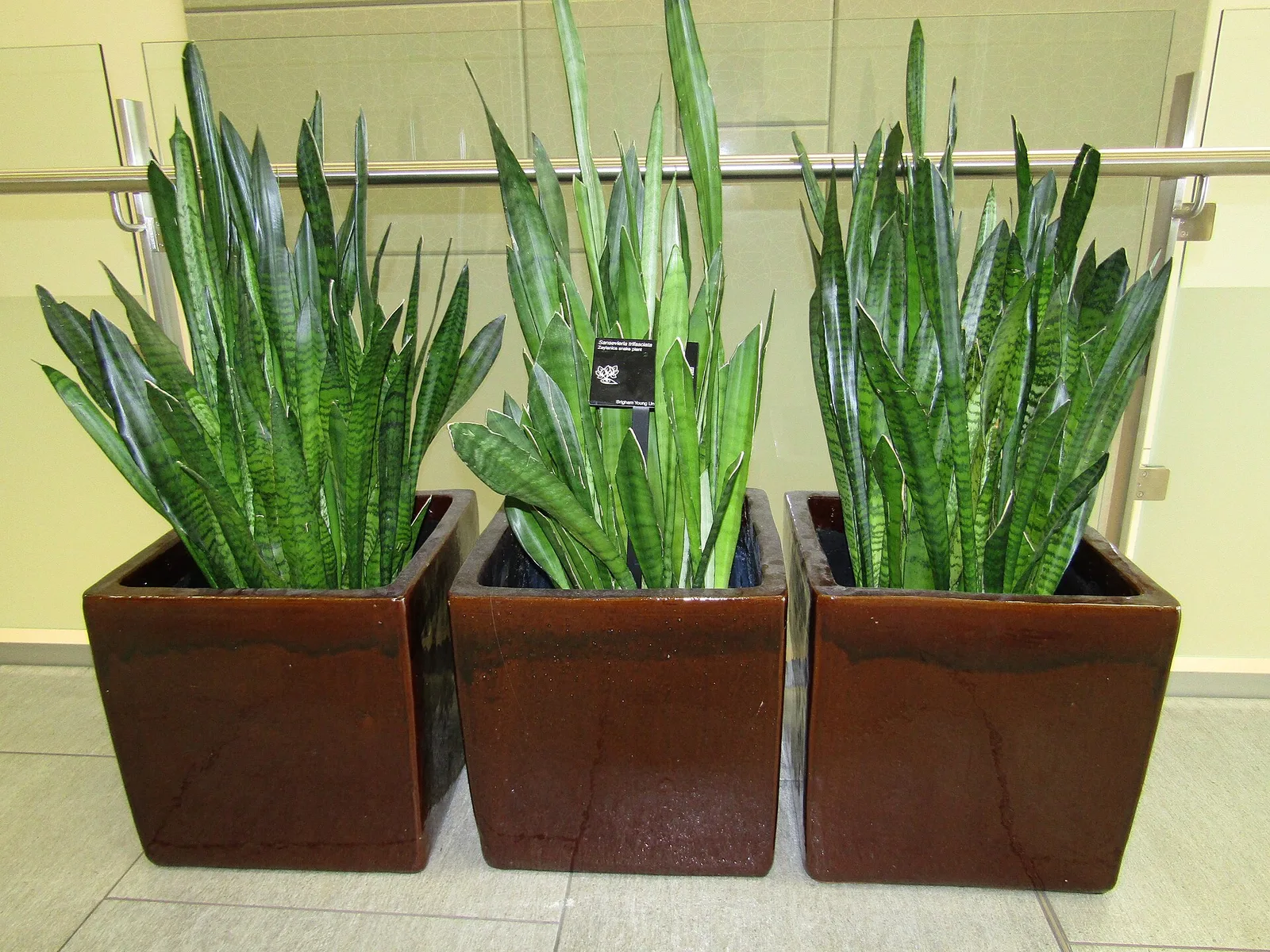
1. Snake Plant (Sansevieria trifasciata)
The Snake Plant is a favorite for bedrooms because it copes with low light and neglect. It also uses a type of photosynthesis called CAM (Crassulacean Acid Metabolism), which means it takes in carbon dioxide at night rather than during the day — interesting botany, though the effect on bedroom air is tiny.
- Light: Tolerates low to bright indirect light
- Watering: Every 2-3 weeks; let soil dry completely
- Pet-safe: No (mildly toxic if ingested)
- Care difficulty: Very easy — practically thrives on neglect
Place a tall variety like Sansevieria trifasciata 'Laurentii' in a floor planter beside your bed, or a compact 'Hahnii' on your nightstand.
2. Lavender (Lavandula)
Lavender's scent is a classic bedtime fragrance that many people find relaxing. Growing it indoors takes a bit more effort than some plants on this list, but the payoff is worth it.
- Light: Bright direct light (south-facing window is ideal)
- Watering: When the top inch of soil is dry; do not overwater
- Pet-safe: Mildly toxic to cats and dogs
- Care difficulty: Moderate — needs good airflow and lots of sun
If your bedroom does not get enough natural light, a small grow light can keep lavender happy year-round.
3. Peace Lily (Spathiphyllum)
Peace Lilies were among the plants in NASA's 1989 Clean Air Study, which was run in small sealed chambers rather than real rooms. In a bedroom, their appeal is simpler: glossy leaves and white blooms in lower light than most flowering plants tolerate.
- Light: Low to medium indirect light
- Watering: When the top inch is dry; they droop dramatically when thirsty (a built-in reminder)
- Pet-safe: No (contains calcium oxalate crystals)
- Care difficulty: Easy
4. Aloe Vera
Another CAM plant that takes in CO2 overnight. Many people also keep Aloe Vera for its gel, traditionally used on minor burns or dry skin.
- Light: Bright indirect to direct light
- Watering: Every 2-3 weeks; drought-tolerant
- Pet-safe: No (toxic to cats and dogs if eaten)
- Care difficulty: Very easy
5. Spider Plant (Chlorophytum comosum)
Spider Plants are one of the easiest houseplants to keep alive. They are listed as non-toxic to cats and dogs by the ASPCA, making them the top choice if you have cats or dogs who like to nibble on foliage.
- Light: Medium to bright indirect light
- Watering: When the top half of soil is dry
- Pet-safe: Yes
- Care difficulty: Very easy
6. Pothos (Epipremnum aureum)
If your bedroom is on the darker side, Pothos is your answer. This trailing vine thrives in low light where most plants would sulk. Drape it over a high shelf or hang it from a macrame planter for a calming, jungle-like vibe.
- Light: Low to bright indirect light
- Watering: When soil is dry; very forgiving
- Pet-safe: No (toxic if ingested)
- Care difficulty: Very easy
7. Jasmine (Jasminum polyanthum)
Jasmine has a sweet fragrance that some people find relaxing in the evening. Indoor jasmine blooms in late winter to spring, filling your bedroom with a sweet, relaxing fragrance.
- Light: Bright indirect light with some direct sun
- Watering: Keep soil consistently moist but not soggy
- Pet-safe: Yes (the ASPCA lists Jasmine species as non-toxic)
- Care difficulty: Moderate
8. Gardenia (Gardenia jasminoides)
Gardenias are grown for their rich, creamy fragrance, which many people find calming. They are fussier than most plants on this list, but dedicated plant parents are rewarded with intoxicating blooms.
- Light: Bright indirect light
- Watering: Keep soil consistently moist; prefers humidity
- Pet-safe: Mildly toxic
- Care difficulty: Advanced — needs consistent conditions
9. English Ivy (Hedera helix)
English Ivy is a classic trailing plant for a high shelf or hanging planter, with small, deeply lobed leaves.
- Light: Medium to bright indirect light
- Watering: When the top inch of soil is dry
- Pet-safe: No (toxic to cats, dogs, and children if eaten)
- Care difficulty: Easy to moderate
10. Valerian (Valeriana officinalis)
Valerian root has a long history as a traditional sleep remedy, and some people enjoy the scent of its flowers at bedtime. It produces small pink or white blooms that add a gentle fragrance to your bedroom.
- Light: Bright indirect to direct light (at least 6 hours)
- Watering: Keep soil consistently moist
- Pet-safe: Not listed by the ASPCA — check with your vet
- Care difficulty: Moderate
11. Areca Palm (Dypsis lutescens)
The Areca Palm brings soft, feathery fronds and a tropical look to a bright bedroom, and it is listed as non-toxic to cats and dogs by the ASPCA.
- Light: Bright indirect light
- Watering: When the top inch of soil is dry; do not let it sit in water
- Pet-safe: Yes
- Care difficulty: Easy to moderate
12. Rubber Plant (Ficus elastica)
With large, glossy leaves, the Rubber Plant is a stylish floor plant for a bedroom, and it requires minimal attention once settled.
- Light: Medium to bright indirect light
- Watering: Every 1-2 weeks; let soil dry between waterings
- Pet-safe: No (sap is irritating)
- Care difficulty: Easy
Plants and Sleep Science
So, can plants actually help you sleep? Honestly, the evidence is limited. Here is a fair summary:
- Air quality. NASA's Clean Air Study measured VOC removal in small sealed chambers. At normal room scale with normal ventilation, houseplants have a negligible effect on indoor air.
- Oxygen at night. CAM plants (Snake Plant, Aloe Vera, and some succulents) take in CO2 at night instead of during the day, but the amounts are far too small to change a bedroom's oxygen level.
- Fragrance. Many people find scents like lavender and jasmine relaxing, which can make a bedtime routine more pleasant.
- Psychological comfort. Many people simply find a room with plants calmer and more inviting.
The bottom line: bedroom plants are not a magic cure for insomnia, but they create an environment more conducive to rest.
Where to Place Bedroom Plants
Thoughtful placement helps your bedroom plants look good and stay healthy:
- Nightstand: Small plants like a compact Snake Plant, Aloe Vera, or Lavender. Keep the ones whose scent you enjoy within arm's reach.
- Windowsill: Light-loving plants like Lavender, Jasmine, and Valerian. These need the most sun, so give them the prime real estate.
- Floor beside the bed: Tall plants like Areca Palm or a large Snake Plant. These create a sense of enclosure that many people find soothing.
- High shelf or hanging planter: Trailing plants like Pothos or English Ivy. They add visual calm without taking up floor or surface space.
- Dresser or chest of drawers: Medium plants like Peace Lily, Rubber Plant, or Spider Plant.
Pro Tip
Avoid placing plants directly above your head while you sleep. Not because of any health risk, but because a falling pot at 3 AM is not the kind of sleep interruption you want.
Browse all plants in our Best Plants for Bedrooms collection.
Frequently Asked Questions
Is it safe to keep plants in your bedroom at night?
Yes. The old myth that plants "steal your oxygen" at night is wildly exaggerated. The amount of CO2 a houseplant releases overnight is negligible compared to what a sleeping human or pet produces. If you share your bed with a partner, their breathing releases far more CO2 than a dozen plants would.
How many plants should I put in my bedroom?
Start with 2-3 plants and see how you feel about the upkeep. There is no magic number, but a mix of one easy foliage plant, one fragrant plant, and one trailing plant for visual interest is a solid starting point.
Which bedroom plants are safe for cats and dogs?
Spider Plant, Areca Palm, Calathea, and true Jasmine are all listed as non-toxic to cats and dogs by the ASPCA, though eating any plant can cause mild stomach upset. Avoid Peace Lily, Pothos, Snake Plant, and English Ivy if your pet likes to chew on leaves.
Can bedroom plants cause allergies?
Rarely. Most houseplants do not produce wind-borne pollen. However, overwatering can lead to mold in the soil, which can trigger allergies. Water correctly and ensure good drainage to avoid this.