Indoor Plants
Parlor Palm
Chamaedorea elegans
In short: Low light · medium water needs · non-toxic to cats and dogs (ASPCA)
Elegant feathery fronds bring tropical vibes to any room. The Parlor Palm thrives in low light and is completely safe for pets.
- Light
- Low
- Water
- Medium
- Humidity
- Average
- Growth
- Slow
- Mature size
- 3-4 feet indoors
- Temperature
- 65–80°F (18–27°C)
Spring · Can produce small yellow flower sprays in spring with sufficient light. Small black berries may follow if pollinated.
Last updated
Overview
Parlor Palm: Timeless Tropical Elegance
The Parlor Palm has graced indoor spaces since the Victorian era. Graceful feathery fronds and easygoing nature make it a classic indoor palm.
Perfect Indoor Palm
Unlike many palms demanding bright light and high humidity, the Parlor Palm adapts beautifully to typical indoor conditions — low light, average humidity, compact size of 3-4 feet.
Why Plant Parents Love It
- Tolerates low light better than most palms
- Non-toxic to cats and dogs
- Compact size fits tabletops and desks
- Adds lush tropical feel to any decor
Group several together for a lush mini jungle effect. Stunning in decorative baskets or ceramic planters.
Watering
Water when top inch feels dry. Likes consistent moisture but not soggy soil. Water thoroughly and drain excess. Reduce in winter. Never let it sit in standing water — root rot sets in quickly.

Light
Prefers medium indirect light but tolerates low light remarkably well. One of few palms thriving in north-facing windows. Avoid direct sunlight which scorches delicate fronds. Fluorescent office lighting is sufficient.
Soil
Peat-based potting mix with perlite for drainage. Should retain some moisture without becoming waterlogged.
Fertilizing
Monthly in spring/summer with balanced liquid fertilizer at half strength. Palm-specific fertilizer is ideal. Do not fertilize in fall/winter.
Propagation
Grown from seed — slow and challenging. Cannot be propagated from cuttings. Nurseries plant multiple seedlings per pot for fullness. Division is possible but stressful.
Repotting
Every 2-3 years in spring. Delicate root system — handle gently. Move up only 1 inch. Deep pots suit palms better than wide shallow ones.
Common problems
Brown frond tips: Low humidity or underwatering. Use pebble tray.
Yellow fronds: Overwatering or natural aging of lower fronds.
Brown spots: Sunburn or fungal issues — improve air circulation.
No new growth: Normal in winter.
Pro tips
Group for impact: Plant 3-5 together for a lush tropical look.
Humidity: Pebble tray with water for passive humidity boost.
Do not trim tips: Cutting frond tips causes more browning. Remove entire fronds only when mostly brown.
FAQ
Parlor Palm questions
Starter kit
Get set up for your Parlor Palm
Untick anything you already have.
The basics

Was this helpful?
Your answer helps us improve this page.
Your answer didn't go through. Please try again.
Thanks for your feedback!
Similar plants
Plants like this one
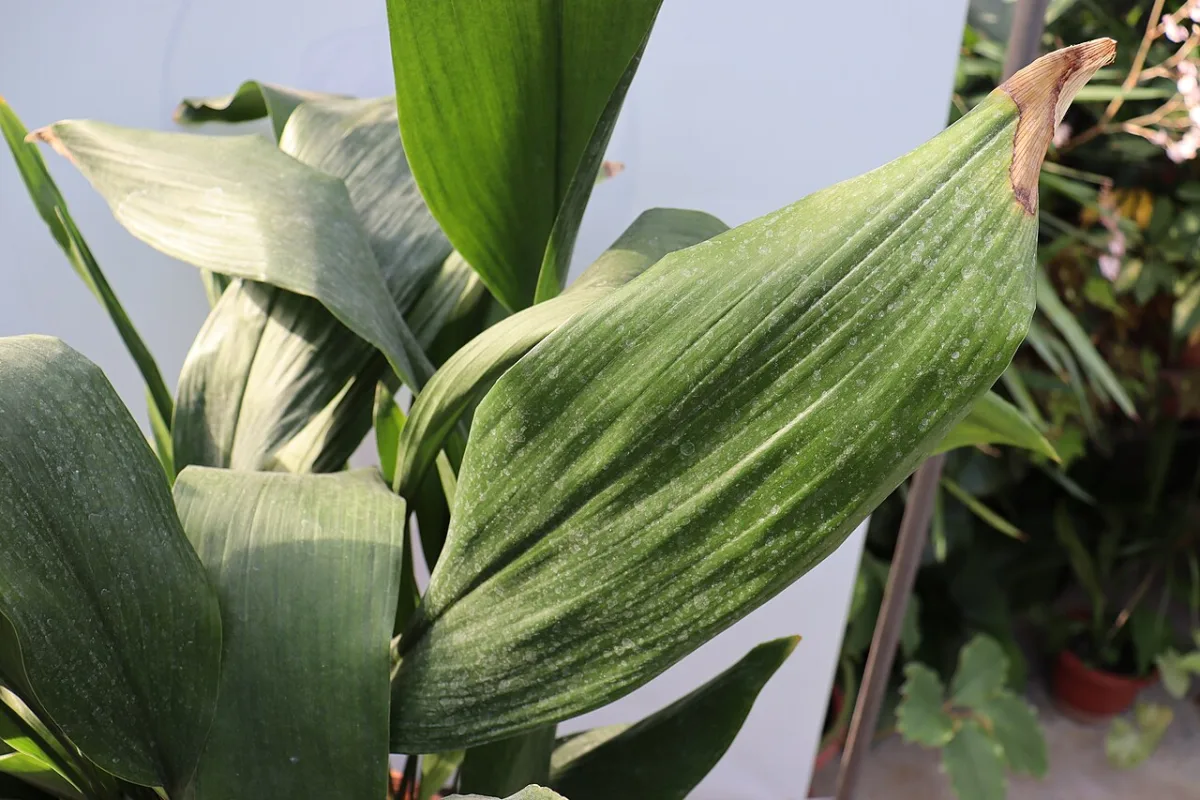 Non-toxic to pets
Cast Iron Plant
Aspidistra elatior
 Non-toxic to pets
Polka Dot Plant
Hypoestes phyllostachya
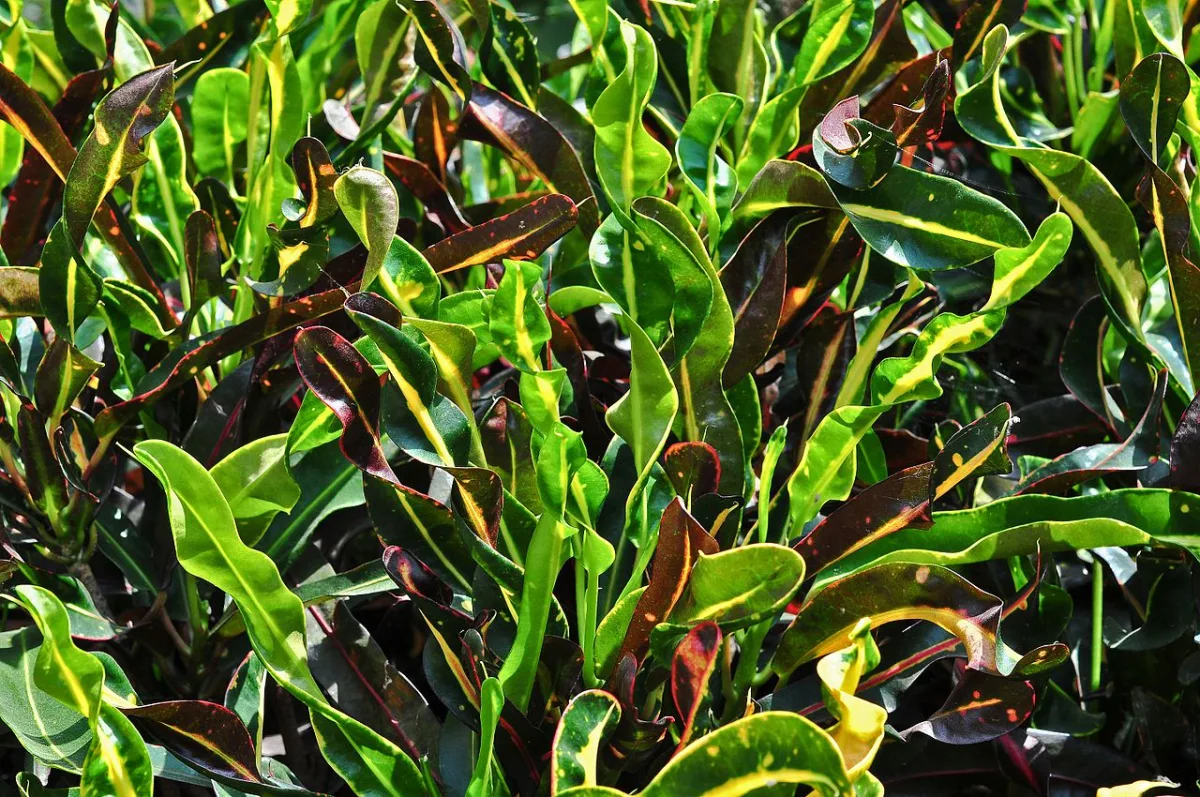
Croton
Codiaeum variegatum
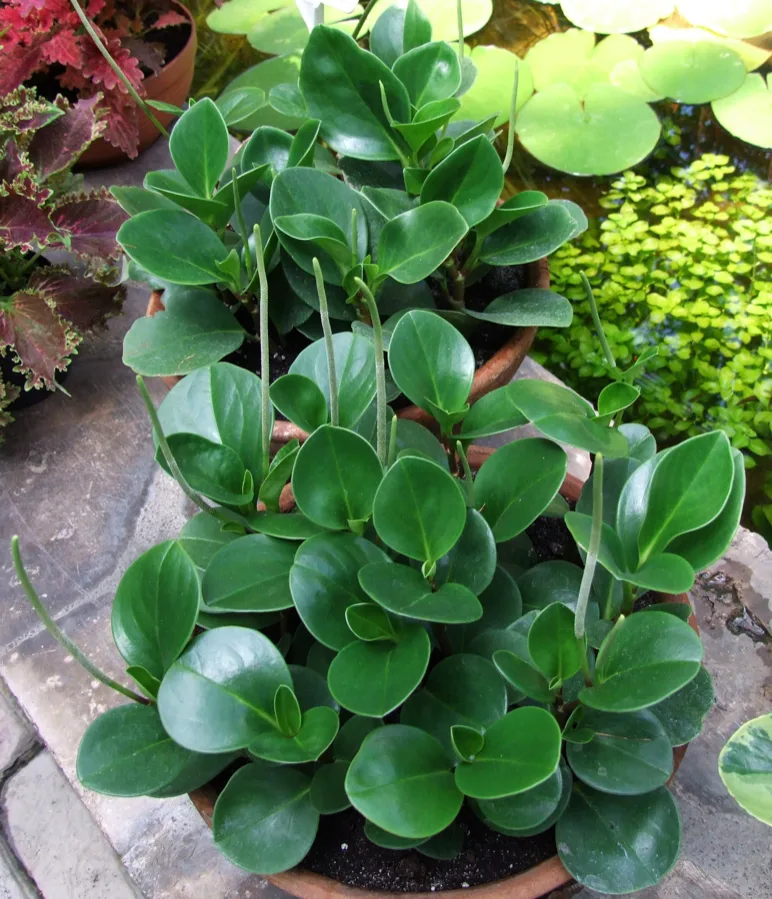 Non-toxic to pets
Peperomia Obtusifolia
Peperomia obtusifolia
Free care tools
Keep your Parlor Palm thriving.
Get a watering schedule for your conditions, or work out what's wrong when something looks off.