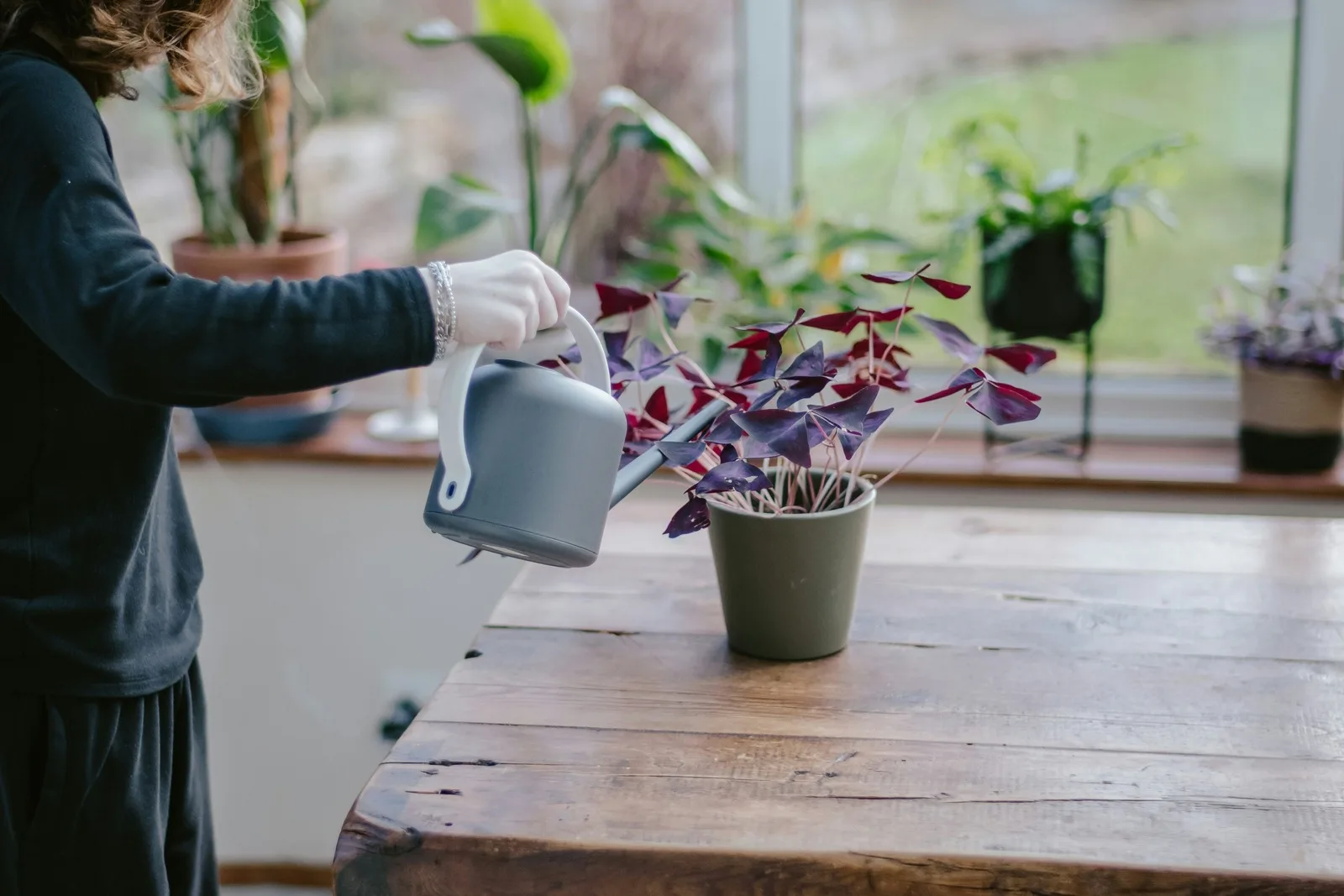
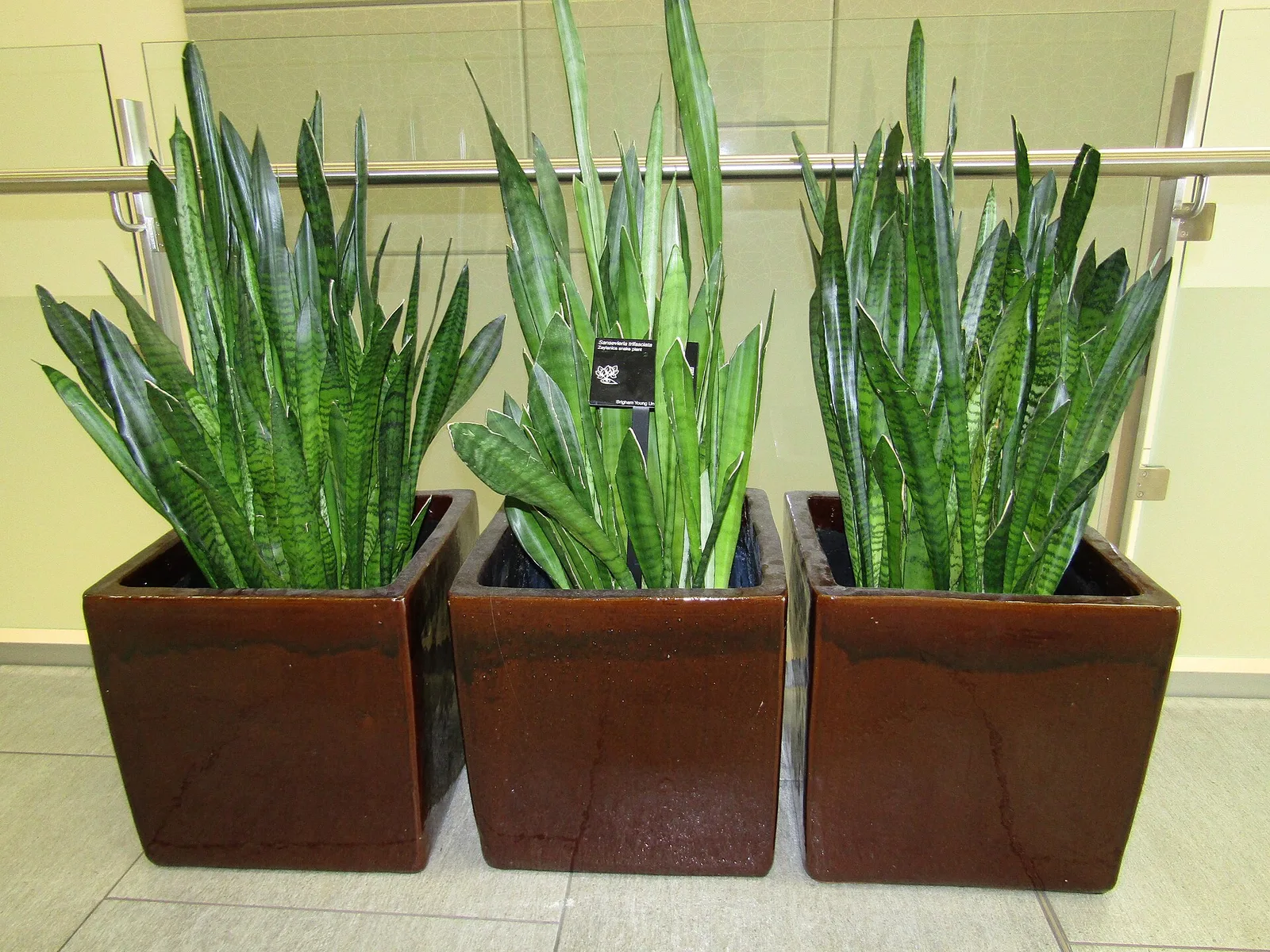
Your bathroom is secretly one of the best rooms in your house for plants. The steam from showers and baths creates a naturally humid microclimate that many tropical houseplants absolutely love. While most of your home sits at 30-50 percent humidity, a bathroom can spike to 80 percent or more — conditions that mimic the tropical forests these plants evolved in.
Here are 10 plants that will genuinely thrive in your bathroom, not just survive.
Quick Summary
Best for low-light bathrooms: Pothos, Peace Lily, Chinese Evergreen. Best for bright bathrooms: Orchids, Air Plants. Most dramatic statement: Boston Fern or Bird's Nest Fern.
1. Boston Fern (Nephrolepis exaltata)
Boston Ferns are the poster child for bathroom plants. In the wild, they grow on the forest floor where humidity is sky-high and light filters through the canopy. Your bathroom replicates those conditions almost perfectly.
- Why it thrives here: Humidity prevents the crispy brown tips that plague Boston Ferns in drier rooms. The steam from your shower is basically a free misting session.
- Light needs: Medium indirect light; avoid direct sun
- Low-light tolerant: Somewhat — it can handle lower light, but growth will slow
- Humidity preference: 50-80 percent (perfect bathroom range)
Hang it from the ceiling in a macrame planter or set it on a high shelf where its fronds can cascade downward.
2. Pothos (Epipremnum aureum)
Pothos is the ultimate "set it and forget it" bathroom plant. It handles low light, inconsistent watering, and fluctuating temperatures without complaint. The humidity simply makes it grow faster and lusher than it would in a drier room.
- Why it thrives here: High humidity encourages larger leaves and faster vine growth
- Light needs: Low to bright indirect — truly flexible
- Low-light tolerant: Yes, one of the best
- Humidity preference: Adaptable, but loves 50+ percent
Pro Tip
Train your Pothos to climb around a bathroom mirror or window frame using small adhesive hooks. It creates a living frame effect that looks stunning.
3. Spider Plant (Chlorophytum comosum)
Spider Plants are very hard to kill and produce charming "babies" (plantlets) that dangle from the mother plant on long stems. In a humid bathroom, they rarely develop the brown tips that are their one common cosmetic issue in drier rooms.
- Why it thrives here: Humidity eliminates tip browning; consistent moisture keeps it lush
- Light needs: Medium to bright indirect light
- Low-light tolerant: Moderately — it survives but will not produce as many babies
- Humidity preference: 40-80 percent
4. Orchids (Phalaenopsis)
Moth Orchids are epiphytes that grow on tree branches in tropical forests — they literally evolved to absorb moisture from humid air through aerial roots. A bright bathroom is orchid paradise.
- Why it thrives here: Humidity feeds aerial roots directly; warm temperatures encourage blooming
- Light needs: Bright indirect light (near a window)
- Low-light tolerant: No — they need a window
- Humidity preference: 50-70 percent
Place orchids on a windowsill where they get bright, filtered light. They will rebloom more reliably in bathroom humidity than almost anywhere else in your home.
5. Calathea (Calathea spp.)
Calatheas are famous for two things: stunning patterned leaves and being drama queens about humidity. The bathroom solves their biggest care challenge by providing the consistent moisture they crave. No more crispy leaf edges, no more curling — just happy, unfurling patterns.
- Why it thrives here: High humidity prevents the leaf curling and browning that frustrates Calathea owners
- Light needs: Low to medium indirect light
- Low-light tolerant: Yes — they actually prefer filtered, dimmer conditions
- Humidity preference: 60-80 percent (the higher the better)
6. Air Plants (Tillandsia)
Air Plants absorb water and nutrients directly through their leaves — they do not even need soil. A steamy bathroom provides most of the moisture they need passively, drastically reducing how often you need to soak or mist them.
- Why it thrives here: Absorbs moisture from shower steam; requires no soil or pot
- Light needs: Bright indirect light
- Low-light tolerant: No — they need a light source
- Humidity preference: 50-70 percent
Display them on a shelf, in a glass terrarium, or even mounted on driftwood. In a humid bathroom, you may only need to soak them every 2 weeks instead of weekly.
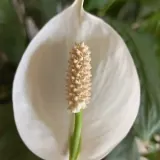
7. Peace Lily (Spathiphyllum)
Peace Lilies tolerate low light better than almost any flowering houseplant, and they are one of the few plants that will bloom in a dimly lit bathroom. The humidity keeps their broad leaves glossy and prevents the brown edges that appear in drier environments.
- Why it thrives here: Loves low light and high humidity; blooms more readily in warm, moist air
- Light needs: Low to medium indirect light
- Low-light tolerant: Excellent — one of the best in low light
- Humidity preference: 50+ percent
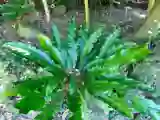
8. Bird's Nest Fern (Asplenium nidus)
With its rippled, apple-green fronds radiating from a central rosette, the Bird's Nest Fern is a sculptural showstopper that looks like it belongs in a high-end spa. Unlike the finicky Maidenhair Fern, it is forgiving of occasional neglect.
- Why it thrives here: Native to rainforest understory; humidity prevents frond crisping
- Light needs: Low to medium indirect light
- Low-light tolerant: Yes — one of the best ferns for low light
- Humidity preference: 50-80 percent
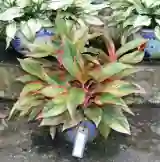
9. Chinese Evergreen (Aglaonema)
Chinese Evergreens are workhorses. They tolerate low light, inconsistent watering, and temperature fluctuations — all conditions common in bathrooms. Modern varieties come in stunning patterns of silver, pink, and red that add color without needing flowers.
- Why it thrives here: Extremely adaptable; humidity boosts already-easy care
- Light needs: Low to medium indirect light (darker varieties tolerate less light)
- Low-light tolerant: Excellent
- Humidity preference: Adaptable, but appreciates 40+ percent
10. Bamboo (Lucky Bamboo — Dracaena sanderiana)
Lucky Bamboo can grow directly in water, making it perhaps the lowest-maintenance bathroom plant possible. No soil, no complex watering schedule — just change the water every couple of weeks and you are done.
- Why it thrives here: Can grow in just water; humidity is a bonus
- Light needs: Low to medium indirect light
- Low-light tolerant: Yes
- Humidity preference: Adaptable
No-Window Bathroom Options
If your bathroom has zero natural light, your options narrow but do not disappear entirely. Here is how to make it work:
- Rotate plants. Keep 2 sets of plants and rotate them weekly between the dark bathroom and a brighter room. This gives each plant a "recharge" period.
- Use a grow light. A small LED grow light bulb screwed into an existing fixture provides enough light for low-light plants like Pothos, Chinese Evergreen, and Peace Lily. Some even fit standard vanity light sockets.
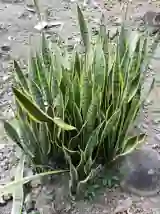
- Choose the toughest survivors. Pothos, ZZ Plant, and Cast Iron Plant can handle the least light. They will not grow quickly, but they will stay alive.
- Try preserved or dried options. Preserved moss walls and dried eucalyptus bundles hung from the showerhead add greenery without needing any light at all. The eucalyptus releases fragrance when steam hits it.
Pro Tip
Hang a bundle of fresh eucalyptus from your showerhead with a rubber band. The steam releases its essential oils, turning your shower into an aromatherapy session. Replace it every 2-3 weeks.
Browse all plants in our Best Plants for Bathrooms collection.
Frequently Asked Questions
Will bathroom temperature swings hurt my plants?
Most tropical plants handle bathroom temperature swings (cool at night, warm during showers) without issue. Avoid placing plants directly in front of heaters or air vents. The one thing to watch out for is cold drafts from windows in winter — tropical plants do not appreciate temperatures below 50 degrees Fahrenheit.
How do I prevent mold in bathroom plant soil?
Good drainage is essential. Use pots with drainage holes, a well-draining potting mix, and avoid letting pots sit in standing water. A thin layer of perlite or decorative gravel on the soil surface also helps. If you see mold, let the soil dry out more between waterings and improve air circulation.
Do bathroom plants attract bugs?
Not inherently, but overwatering in a humid environment can attract fungus gnats. Use well-draining soil, let the top layer dry between waterings, and add a layer of sand on top of the soil to discourage gnats from laying eggs. A bathroom fan running for 15 minutes after a shower helps regulate excess moisture.
Can I put plants in the shower?
You can, but choose wisely. Plants placed in the shower get splashed with soapy water, hit with direct water streams, and experience extreme humidity swings. Ferns and Pothos handle this best. Place them on a corner shelf where they are not in the direct stream but benefit from the steam.