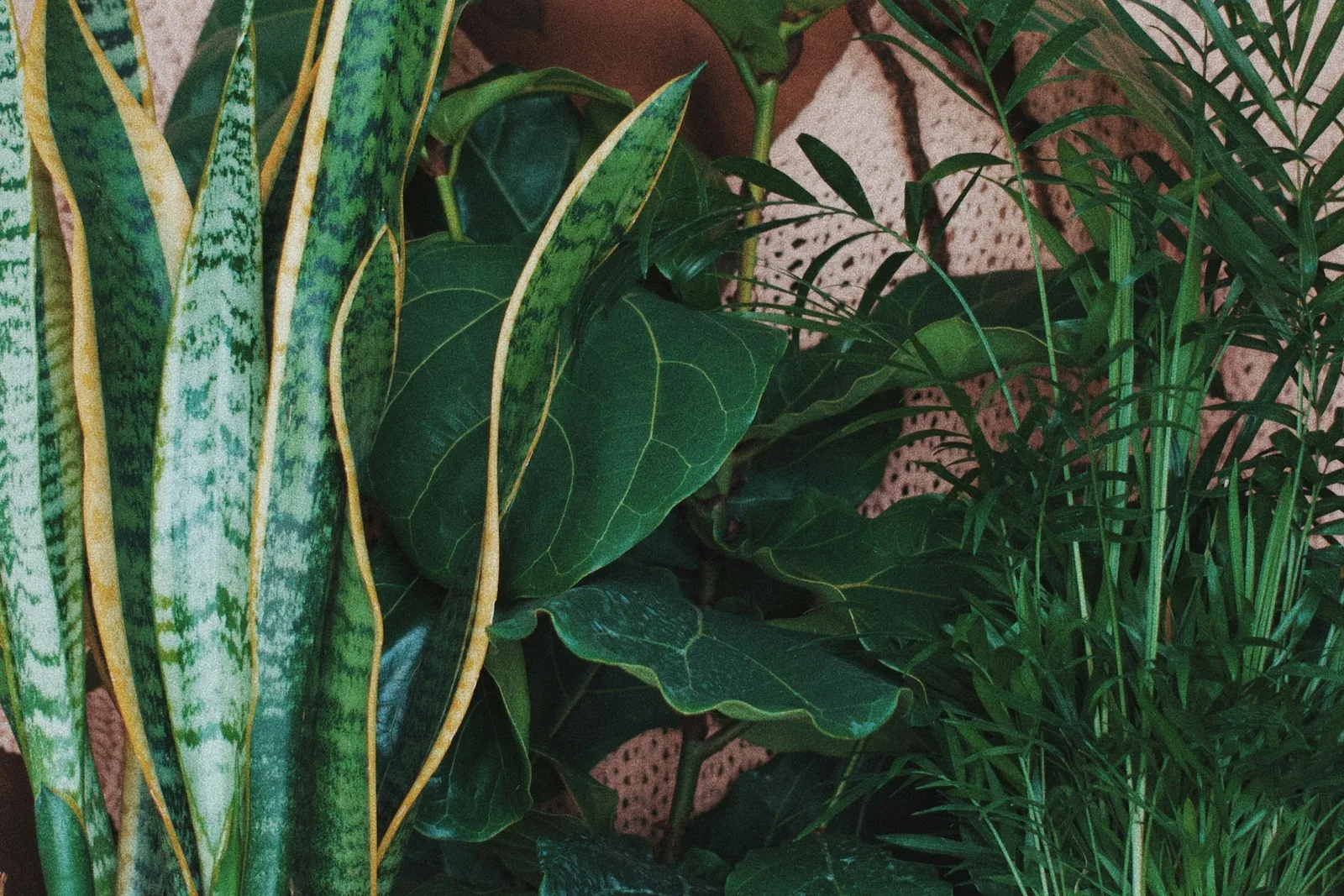
Picking your first houseplant can be overwhelming when there are thousands of species to choose from. This list of the best indoor plants for beginners features plants that forgive missed waterings, tolerate low light, and generally thrive on benign neglect. Every plant parent kills a few along the way, but these will give you the best odds of success.
1. Pothos (Epipremnum aureum)
Pothos is a classic choice for beginners. It trails beautifully from shelves and hanging baskets, grows in almost any light level, and tells you when it is thirsty by drooping slightly (then perks right back up after watering). You can even grow it in a jar of water indefinitely.
- Light: Low to bright indirect
- Water: When top inch of soil is dry
- Why beginners love it: Very hard to kill, propagates easily in water
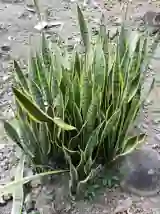
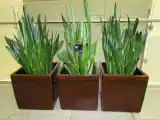
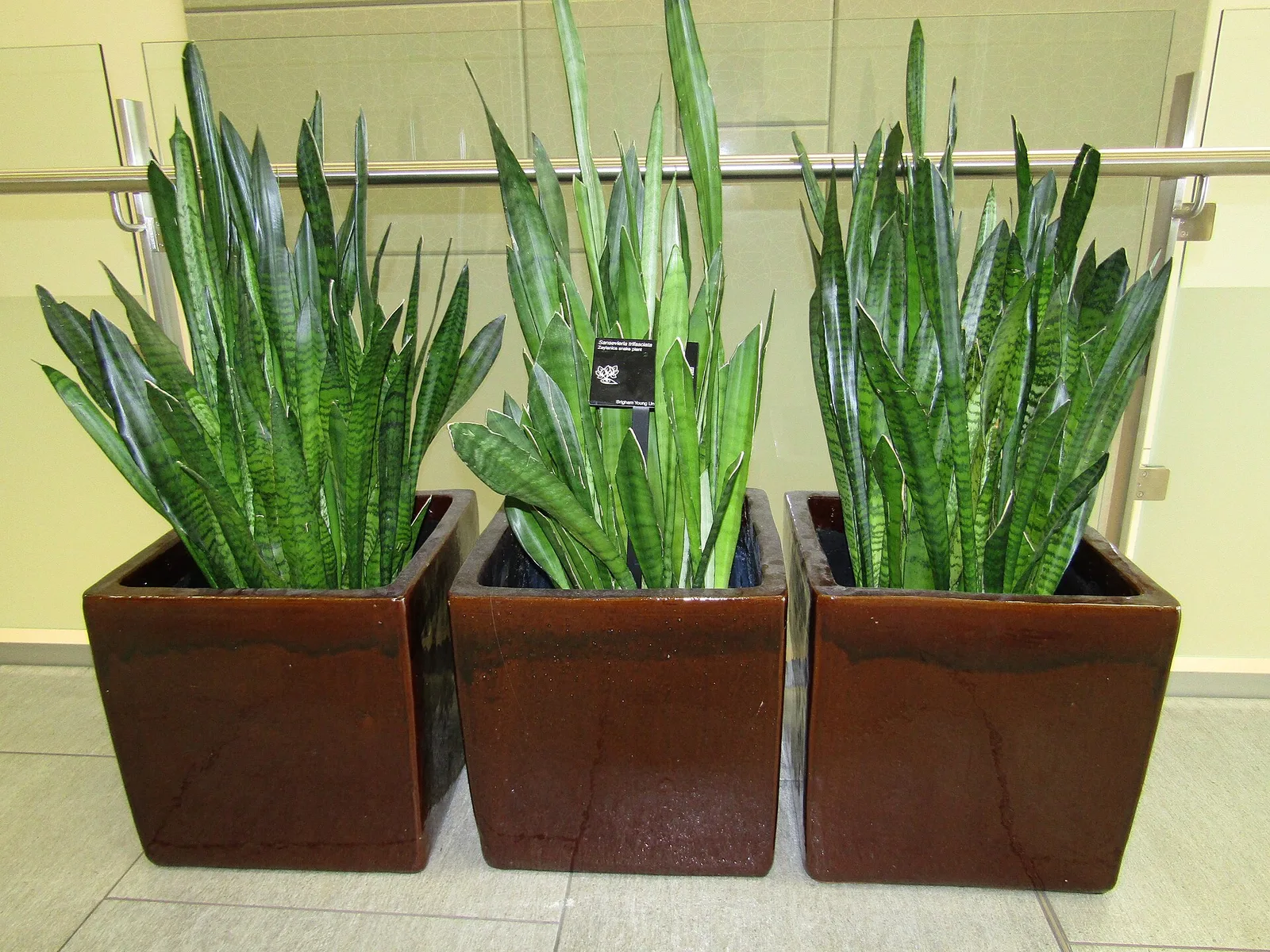
2. Snake Plant (Sansevieria)
If you forget to water your plants for weeks at a time, the snake plant is your best friend. Its tall, architectural leaves add a modern look to any space and it is one of the few plants that can release oxygen at night, though a single plant makes no noticeable difference to the air in a room.
- Light: Low to bright indirect
- Water: Every 2-6 weeks
- Why beginners love it: Thrives on neglect, tolerates every light condition
3. ZZ Plant (Zamioculcas zamiifolia)
The ZZ Plant has waxy, naturally glossy leaves that look so perfect people often think it is fake. It stores water in its thick rhizomes, so it handles drought like a champion. It also tolerates fluorescent office lighting with zero complaints.
- Light: Low to bright indirect
- Water: Every 2-3 weeks
- Why beginners love it: Looks stunning with almost zero effort
4. Spider Plant (Chlorophytum comosum)
Spider plants are classic for a reason. They adapt to most conditions, produce adorable baby "spiderettes" you can propagate, and they are listed as non-toxic to cats and dogs by the ASPCA.
- Light: Medium to bright indirect
- Water: When top inch is dry
- Why beginners love it: Pet-safe, produces babies for free plants
5. Rubber Plant (Ficus elastica)
Want a bold, statement plant that does not require expert care? The rubber plant delivers with large, glossy leaves in dark green or burgundy. It is much more forgiving than its fussy cousin, the Fiddle Leaf Fig.
- Light: Bright indirect
- Water: When top inch is dry
- Why beginners love it: Big visual impact, straightforward care
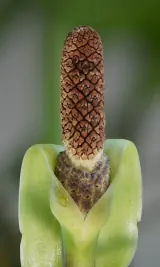
6. Peace Lily (Spathiphyllum)
The peace lily is one of the few low-light houseplants that actually blooms. Its elegant white flowers appear in spring and summer, and the plant visibly droops when thirsty, making it easy to know when to water.
- Light: Low to medium indirect
- Water: When it starts to droop
- Why beginners love it: Tells you when it needs water, blooms indoors
7. Aloe Vera
Aloe is both decorative and practical. Its thick, fleshy leaves contain soothing gel you can use on minor burns and skin irritation. It thrives in bright light and needs water only every 2-3 weeks.
- Light: Bright direct or indirect
- Water: Every 2-3 weeks
- Why beginners love it: Functional and forgiving
8. Philodendron (Heartleaf)
The heartleaf philodendron is another trailing plant that is almost as easy as pothos. Its heart-shaped leaves cascade from pots and shelves, and it grows quickly enough to feel rewarding without being invasive.
- Light: Low to bright indirect
- Water: When top inch is dry
- Why beginners love it: Fast grower, versatile, very forgiving
9. Cast Iron Plant (Aspidistra elatior)
Named for its toughness, the cast iron plant handles low light, inconsistent watering, temperature fluctuations, and dust. If you have a dark corner that nothing seems to survive in, try this one.
- Light: Low to medium
- Water: When top 2 inches are dry
- Why beginners love it: Thrives where other plants give up
10. Jade Plant (Crassula ovata)
Jade plants are long-lived succulents that develop thick, tree-like trunks over time. They are easy to care for, drought-tolerant, and can live for decades. Some people pass jade plants down through generations.
- Light: Bright indirect to direct
- Water: Every 2-3 weeks
- Why beginners love it: Long-lived, develops character with age
Pro Tip
Start with just 2-3 plants and learn their rhythms before expanding your collection. It is much easier to care for a few plants well than to manage a dozen you do not understand yet.
Browse all plants in our Best Plants for Beginners collection. Choosing for a particular room? See our guides to the best plants for the bedroom and the best plants for the bathroom.
Frequently Asked Questions
What is a good houseplant for someone who forgets to water?
The snake plant is a strong pick if you forget to water for weeks at a time; it needs water roughly every 2-6 weeks. The ZZ plant also handles drought well because it stores water in its thick rhizomes, and needs water about every 2-3 weeks.
Is there a beginner plant on this list that is safe for cats and dogs?
Yes. The spider plant is listed as non-toxic to cats and dogs by the ASPCA, and it produces baby spiderettes you can propagate into new plants.
How many houseplants should a beginner start with?
Start with just 2-3 plants and learn their rhythms before expanding. Caring for a few plants well is much easier than managing a dozen you do not understand yet.