Air Purifying
Snake Plant
Sansevieria trifasciata
In short: Low light · low water needs · toxic to cats and dogs (ASPCA)
Full Snake Plant care guideNearly indestructible plant with striking upright leaves. Tolerates low light and irregular watering — an easy pick for bedrooms.
Spring · Mature, slightly stressed Snake Plants occasionally produce tall stalks of small, fragrant, cream-colored flowers. Rare indoors but a pleasant surprise...
Last updated
Overview
Snake Plant: The Easy Bedroom Plant
The Snake Plant (now reclassified as Dracaena trifasciata) is a famously hardy houseplant. Tall, sword-like leaves with distinctive green and yellow striping make it an architectural statement piece.
Night-Time Breathing
Snake Plants use CAM photosynthesis: they open their leaf pores at night to take in CO2, which helps them save water. One plant exchanges far too little gas to change the air in a bedroom, but its tolerance of lower light makes it an easy bedroom plant.
Varieties
- Laurentii: Classic green with yellow edges
- Black Coral: Dark green with subtle banding
- Moonshine: Pale silver-green leaves
- Cylindrica: Round, spear-shaped leaves
- Whale Fin: Single massive paddle-like leaf
It was tested in NASA's 1989 Clean Air Study, which used small sealed chambers. At normal room scale the effect of a few houseplants on indoor air is negligible (what the research actually shows).

Watering
Allow soil to dry completely between waterings. Every 2-4 weeks in summer, every 4-6 weeks in winter. When in doubt, do not water. The thick leaves store water. Overwatering is the most common way to kill a Snake Plant — it causes root rot that turns leaves mushy at the base.

Light
Extremely adaptable — thrives in everything from low light to bright indirect. Even tolerates some direct sun. Growth is faster in brighter conditions. Variegated types keep their coloring better with more light. One of the better choices for rooms with little natural light.
Soil
Well-draining cactus or succulent mix is ideal. Or add extra perlite and sand to standard potting soil. Drainage is the most important factor — Snake Plants rot quickly in heavy, wet soil.

Fertilizing
Feed 2-3 times during growing season with balanced fertilizer at half strength. Very light feeder. No fertilizer in fall/winter. Over-fertilizing is unnecessary and potentially harmful.
Propagation
Propagate by division (fastest) or leaf cuttings. For leaf cuttings: cut a leaf into 3-4 inch sections, let dry overnight, then place upright in moist soil. Roots form in 4-8 weeks. Note: leaf cuttings of variegated types lose their yellow edges.

Repotting
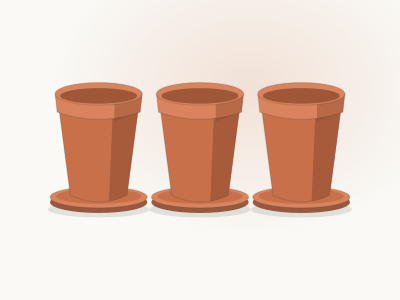
Every 3-5 years — they grow slowly and prefer being root-bound. Their rhizomes can actually crack pots when very crowded. Use a heavy pot (terracotta is ideal) to prevent tipping from top-heavy leaves.
Common problems
Mushy base/leaves: Root rot from overwatering — the most common killer. Remove affected leaves, let dry, and reduce watering.
Wrinkled leaves: Underwatering (rare). Give a thorough soak.
Falling over: Pot too small, soil too loose, or root rot.
Brown tips: Inconsistent watering or cold damage.
Pro tips
Bedroom placement: Copes well with the lower light of many bedrooms. It takes in CO2 at night, but one plant does not measurably change a room's air.
Terracotta pot: Heavy clay pots prevent tipping and wick excess moisture.
Very tough: Copes with long gaps between waterings, low light and irregular care.
FAQ
Snake Plant questions
Starter kit
Get set up for your Snake Plant
Untick anything you already have.
The basics

Extras for your Snake Plant
Was this helpful?
Your answer helps us improve this page.
Your answer didn't go through. Please try again.
Thanks for your feedback!
Plant hub
Everything about Snake Plant
Step-by-step guides


Articles & tips



Similar plants
Plants like this one
 Non-toxic to pets
Areca Palm
Dypsis lutescens
 Non-toxic to pets
Bamboo Palm
Chamaedorea seifrizii
Golden Pothos
Epipremnum aureum
 Non-toxic to pets
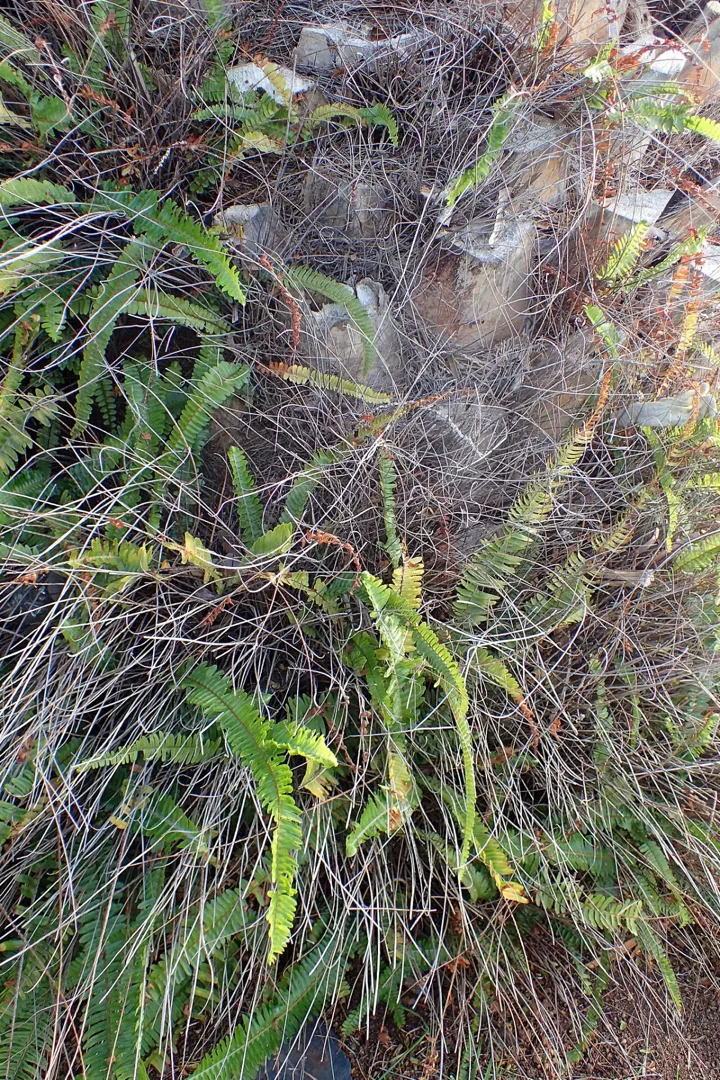
Boston Fern
Nephrolepis exaltata
Free care tools
Keep your Snake Plant thriving.
Get a watering schedule for your conditions, or work out what's wrong when something looks off.