Hanging Plants
Spider Plant
Chlorophytum comosum
In short: Medium light · medium water needs · non-toxic to cats and dogs (ASPCA)
Classic pet-safe houseplant that produces adorable baby "spiderettes." Great for hanging baskets and shelves.
- Light
- Medium
- Water
- Medium
- Humidity
- Average
- Growth
- Fast
- Mature size
- 1-2 feet, trails with babies
- Temperature
- 55–80°F (13–27°C)
Spring-Summer · Produces tiny white flowers on long runners before spiderettes form. The flowers are small but charming, appearing most often when the plant is...
Last updated
Overview
Spider Plant: The Classic Pet-Safe Houseplant
The Spider Plant has been a household favorite for decades. Graceful arching leaves, easy care, and adorable baby plants (spiderettes) make it endlessly charming.
Baby Factory
Happy Spider Plants send out long runners tipped with miniature plantlets that dangle like spiders on a web. These babies root effortlessly, making Spider Plants a great plant to share.
Varieties
- Vittatum: Green with white center stripe
- Variegatum: Green edges with white center
- Bonnie: Curly, twisted leaves
- Solid Green: All-green variety, most vigorous
Non-toxic to pets, easy to propagate, and practically grows itself.
Watering
Water when top inch of soil is dry. Spider Plants have thick, tuberous roots that store water, so they tolerate some drought. Sensitive to fluoride and chlorine in tap water — use filtered or rain water if brown tips appear. Water thoroughly and drain.

Light
Prefers bright indirect light but adapts to medium and even low light. Variegated types need more light. Avoid direct sun which can scorch leaves. Grows and produces babies fastest in bright conditions.

Soil
Any well-draining potting mix. Standard indoor potting soil works perfectly. Not particular about soil composition.
Fertilizing
Monthly during spring/summer with balanced liquid fertilizer at half strength. Light feeder. Over-fertilizing causes brown tips. Stop in fall/winter.
Propagation
One of the easiest plants to propagate. Snip spiderettes and place in water or soil — they root within 1-2 weeks. You can even root them while still attached to the mother plant by placing the baby on soil in an adjacent pot.
Repotting
Every 1-2 years. Let it get slightly root-bound to encourage baby production. Thick roots may crack pots when very root-bound. Spring is the best time.

Common problems
Brown tips: The most common Spider Plant complaint. Often linked to fluoride or chlorine in tap water. Switch to filtered water. Can also mean over-fertilizing.
No babies: Plant may be too young, pot too large, or not enough light.
Pale leaves: Too much direct sun is bleaching them.
Droopy: Needs water — perks up quickly after a drink.
Pro tips
Root-bound = babies: Keep slightly root-bound and provide bright light for maximum spiderette production.
Water quality fix: Let tap water sit overnight before using — chlorine evaporates. Or use filtered/rain water.
Curly option: Bonnie variety has charmingly curled leaves for a more unique look.
FAQ
Spider Plant questions
Starter kit
Get set up for your Spider Plant
Untick anything you already have.
The basics


Extras for your Spider Plant
Was this helpful?
Your answer helps us improve this page.
Your answer didn't go through. Please try again.
Thanks for your feedback!
Plant hub
Everything about Spider Plant
Step-by-step guides
Similar plants
Plants like this one
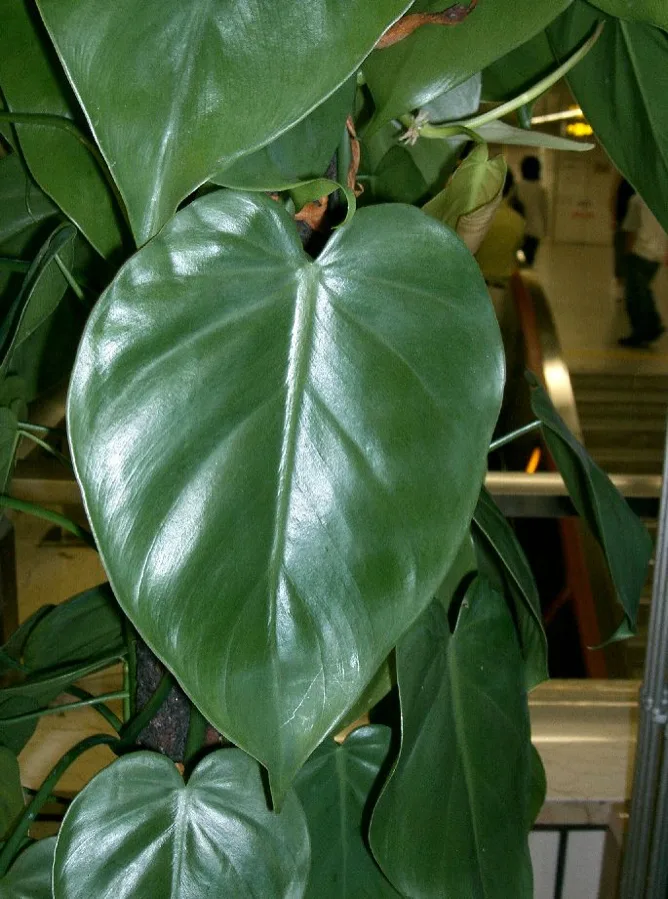
Philodendron Brasil
Philodendron hederaceum 'Brasil'
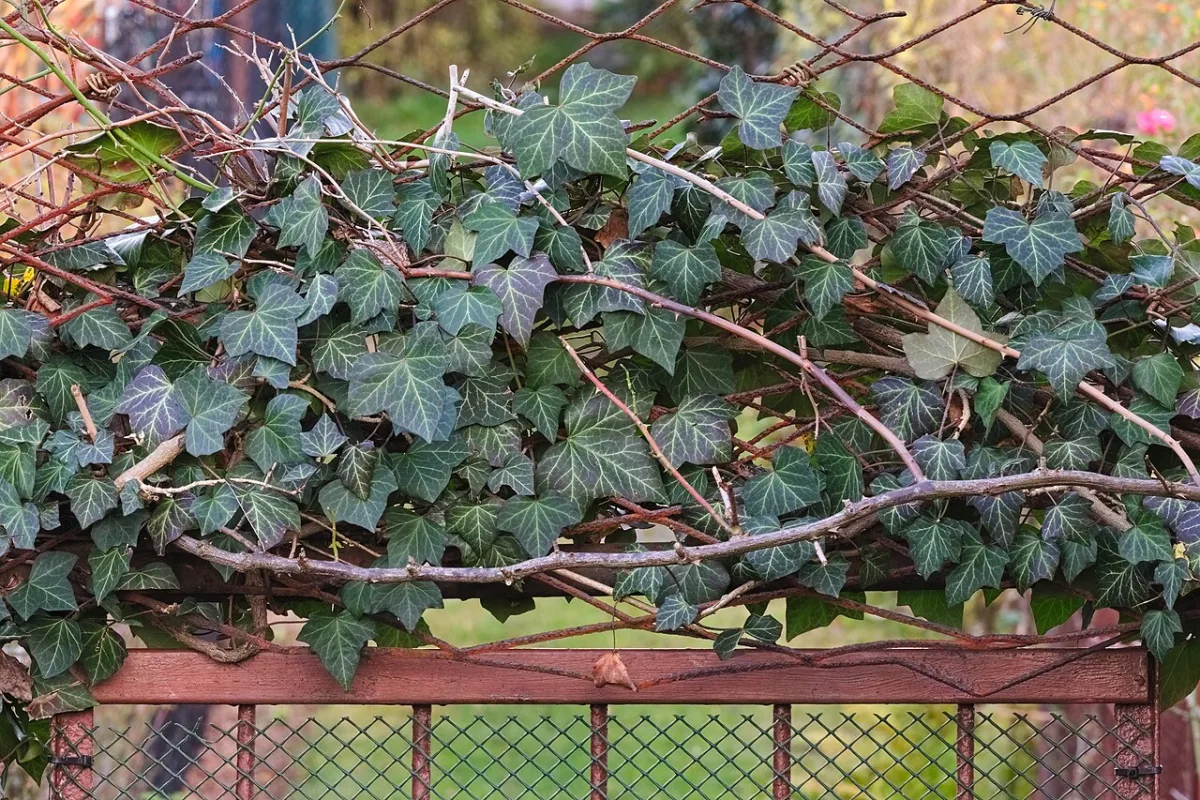
English Ivy
Hedera helix
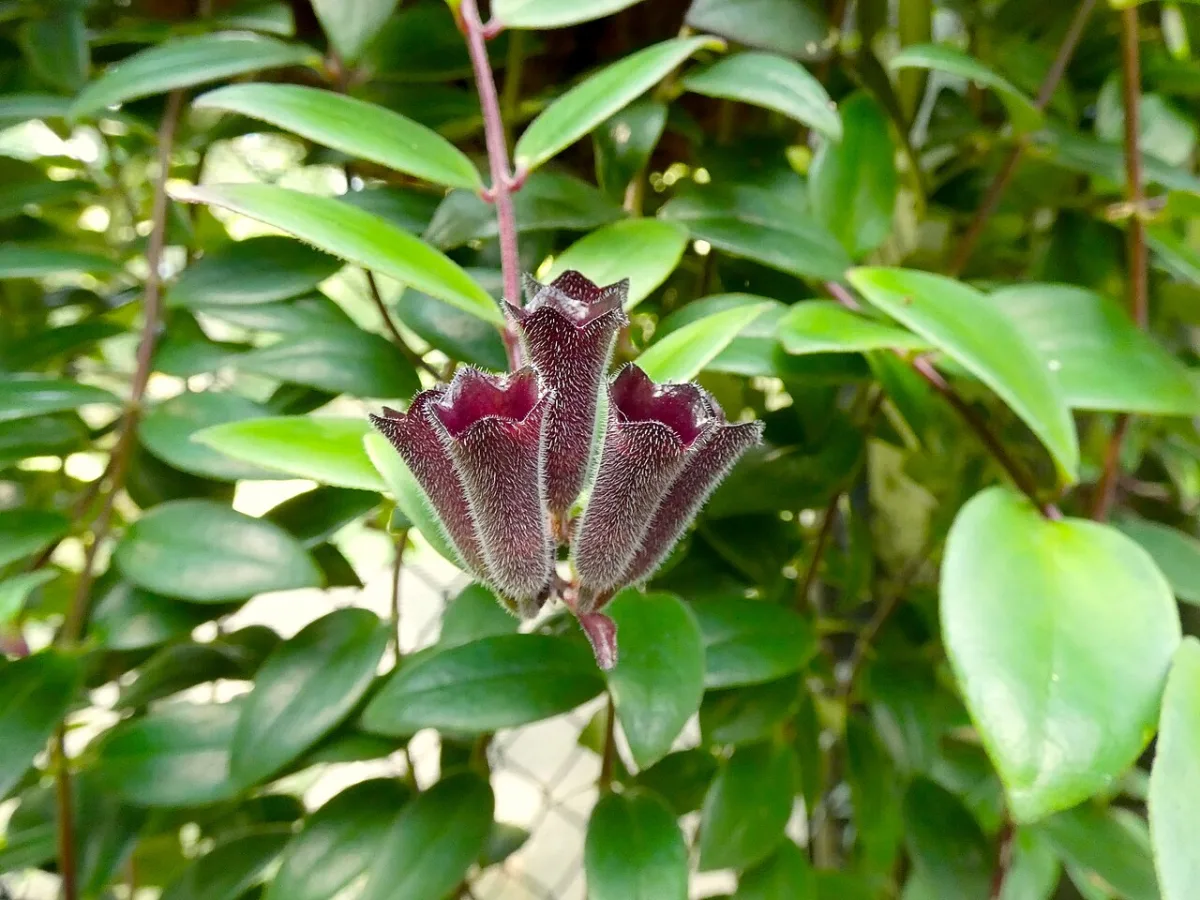 Non-toxic to pets
Lipstick Plant
Aeschynanthus radicans
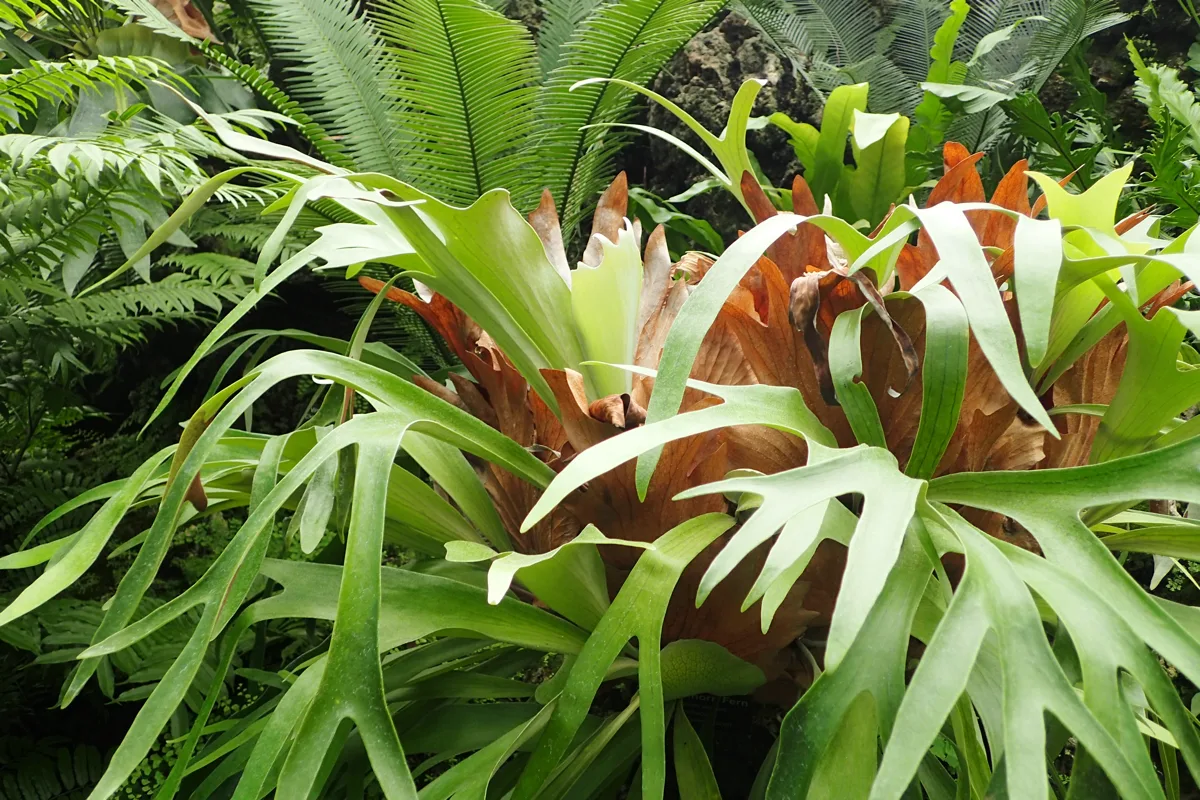 Non-toxic to pets
Staghorn Fern
Platycerium bifurcatum
Free care tools
Keep your Spider Plant thriving.
Get a watering schedule for your conditions, or work out what's wrong when something looks off.