Succulents & Cacti
Jade Plant
Crassula ovata
In short: Bright indirect light · low water needs · toxic to cats and dogs (ASPCA)
A long-lived succulent tree with plump oval leaves and thick woody stems. Jade Plants are traditionally associated with prosperity and can live for decades.
- Light
- Bright Indirect
- Water
- Low
- Humidity
- Low
- Growth
- Slow
- Mature size
- 2-4 feet indoors
- Temperature
- 55–75°F (13–24°C)
Winter · Mature Jade Plants can produce clusters of small, star-shaped pink or white flowers in winter. Requires cool autumn nights and reduced watering to trig...
Last updated
Overview
Jade Plant: The Money Tree Succulent
Crassula ovata is a classic succulent that develops into a miniature tree with a thick trunk and plump, glossy oval leaves. Known as the Money Plant or Lucky Plant, it is a traditional symbol of prosperity.
Grows with You
Jade Plants can live for decades — even generations — growing slowly into impressive bonsai-like specimens. With basic care, a plant started today could be with you for many years.
Varieties
- Classic Jade: Green oval leaves, sometimes with red edges
- Gollum: Tubular, finger-like leaves
- Hobbit: Curled, spoon-shaped leaves
- Variegata: Cream and green striped leaves
Their compact, tree-like form makes them perfect for desks, windowsills, and as bonsai-style display plants.
Watering
Allow soil to dry completely between waterings. Water thoroughly then let drain. Every 2-3 weeks in summer, monthly in winter. Wrinkled leaves = needs water. Soft mushy leaves = overwatered. Err on the dry side.

Light
At least 4-6 hours of bright light daily. Some direct morning sun is beneficial and brings out red leaf edges. South or west-facing window ideal. Insufficient light causes leggy, weak growth.

Soil
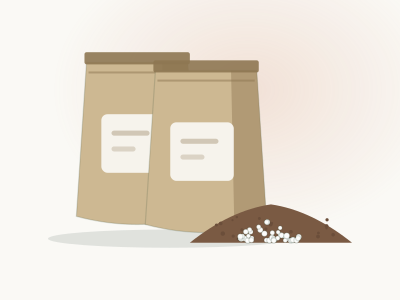
Well-draining succulent/cactus mix. Or blend potting soil with perlite and coarse sand 1:1:1. Must dry quickly. Terracotta pots help with drainage.
Fertilizing
Feed 2-3 times during growing season with succulent fertilizer at quarter strength. Do not fertilize in fall/winter. Very light feeder — less is more.

Propagation
Extremely easy from stem or leaf cuttings. Let cutting dry for 2-3 days until calloused, then place on dry succulent mix. Mist lightly. Roots form in 2-4 weeks. Even a dropped leaf can grow a new plant.
Repotting
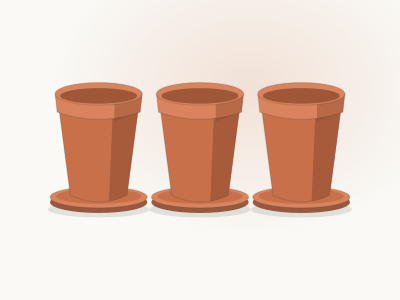
Every 2-3 years. Jade Plants prefer being somewhat root-bound. Use a heavy pot — they become top-heavy. Best done in spring. Wait a week before watering after repotting.
Common problems
Dropping leaves: Overwatering, underwatering, or sudden temperature change.
Leggy growth: Not enough light. Move to brighter spot and prune for bushier shape.
Soft trunk: Root rot from too much water. Let dry completely.
White spots on leaves: Mineral deposits from hard water — cosmetic only.
Pro tips
Bonsai potential: Jade Plants make excellent bonsai subjects. Prune regularly for a tree-like shape.
Red edges: Bright light and slight drought stress bring out beautiful red leaf margins.
Heirloom plant: Can be passed down through generations.
FAQ
Jade Plant questions
Starter kit
Get set up for your Jade Plant
Untick anything you already have.
The basics

Extras for your Jade Plant
Was this helpful?
Your answer helps us improve this page.
Your answer didn't go through. Please try again.
Thanks for your feedback!
Similar plants
Plants like this one
 Non-toxic to pets
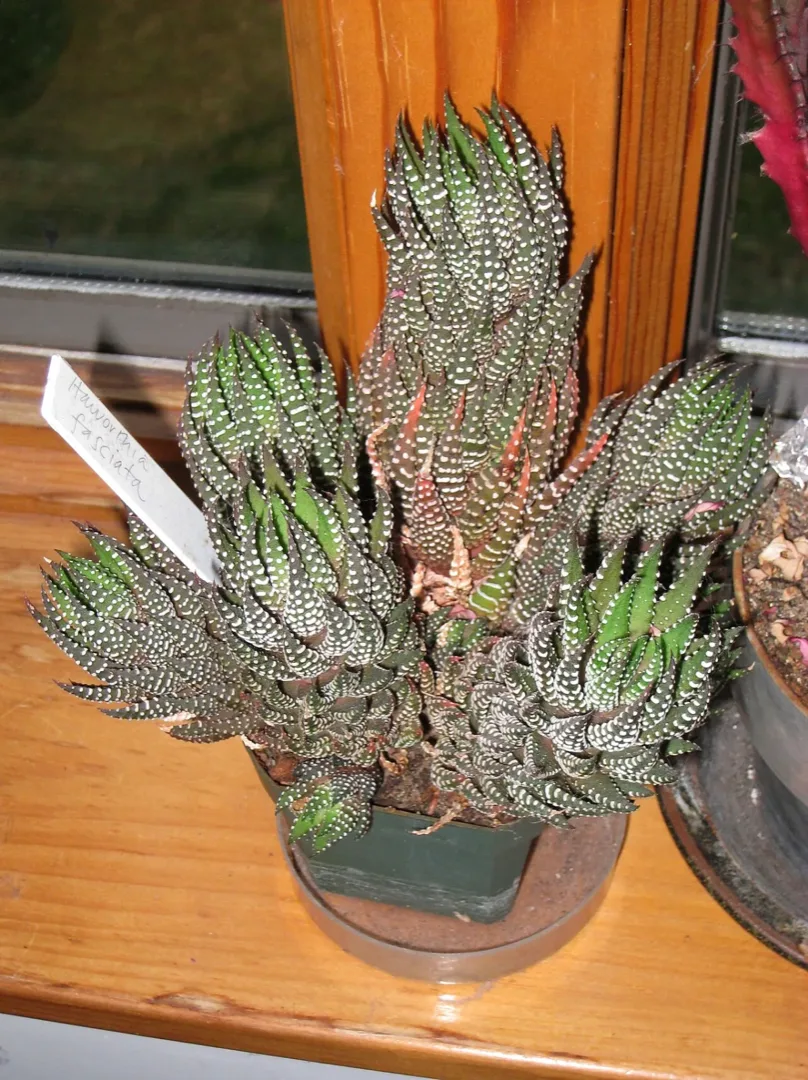
Haworthia
Haworthia fasciata
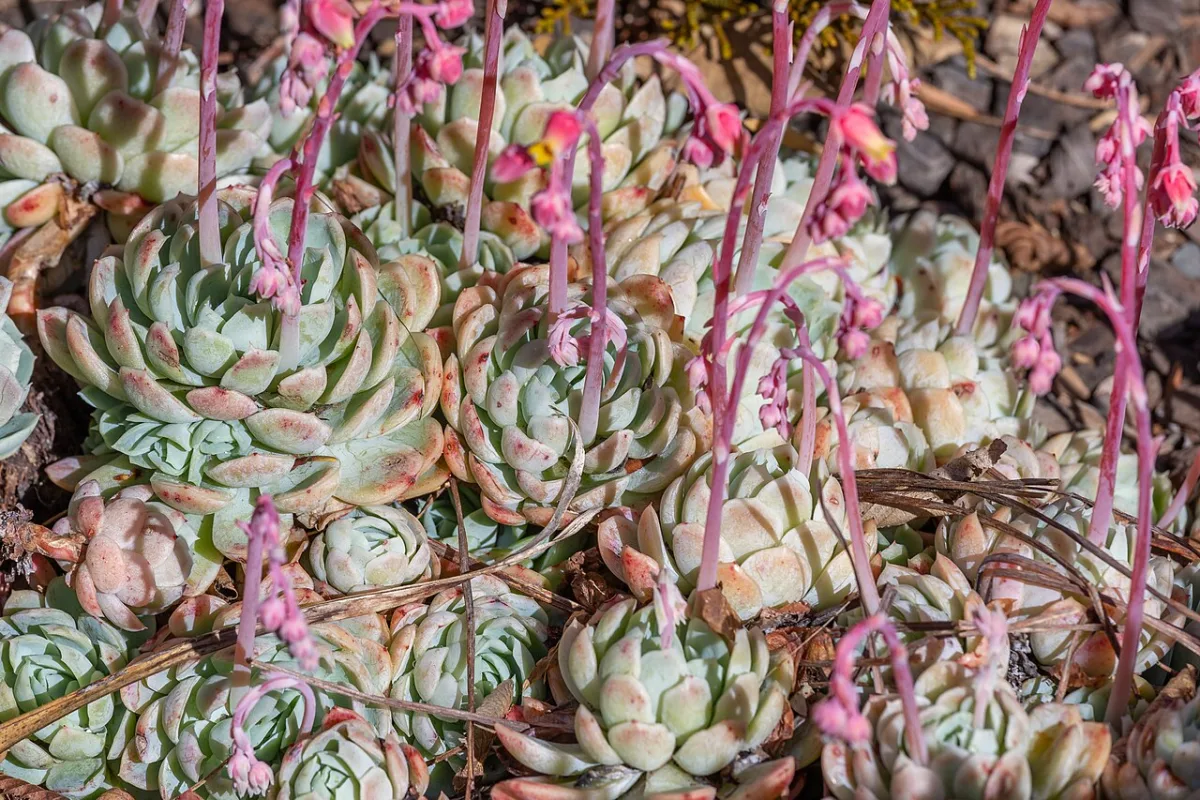 Non-toxic to pets
Echeveria
Echeveria elegans
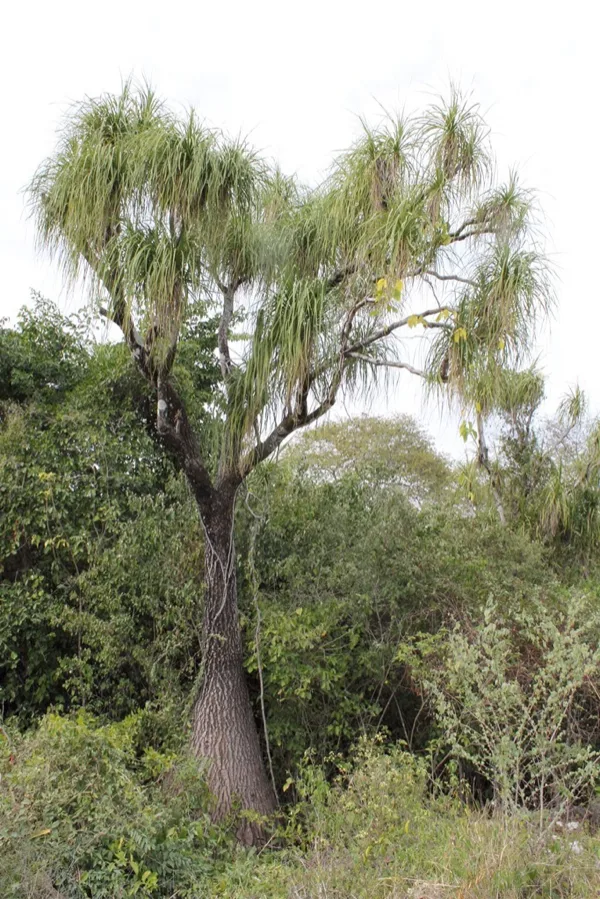 Non-toxic to pets
Ponytail Palm
Beaucarnea recurvata
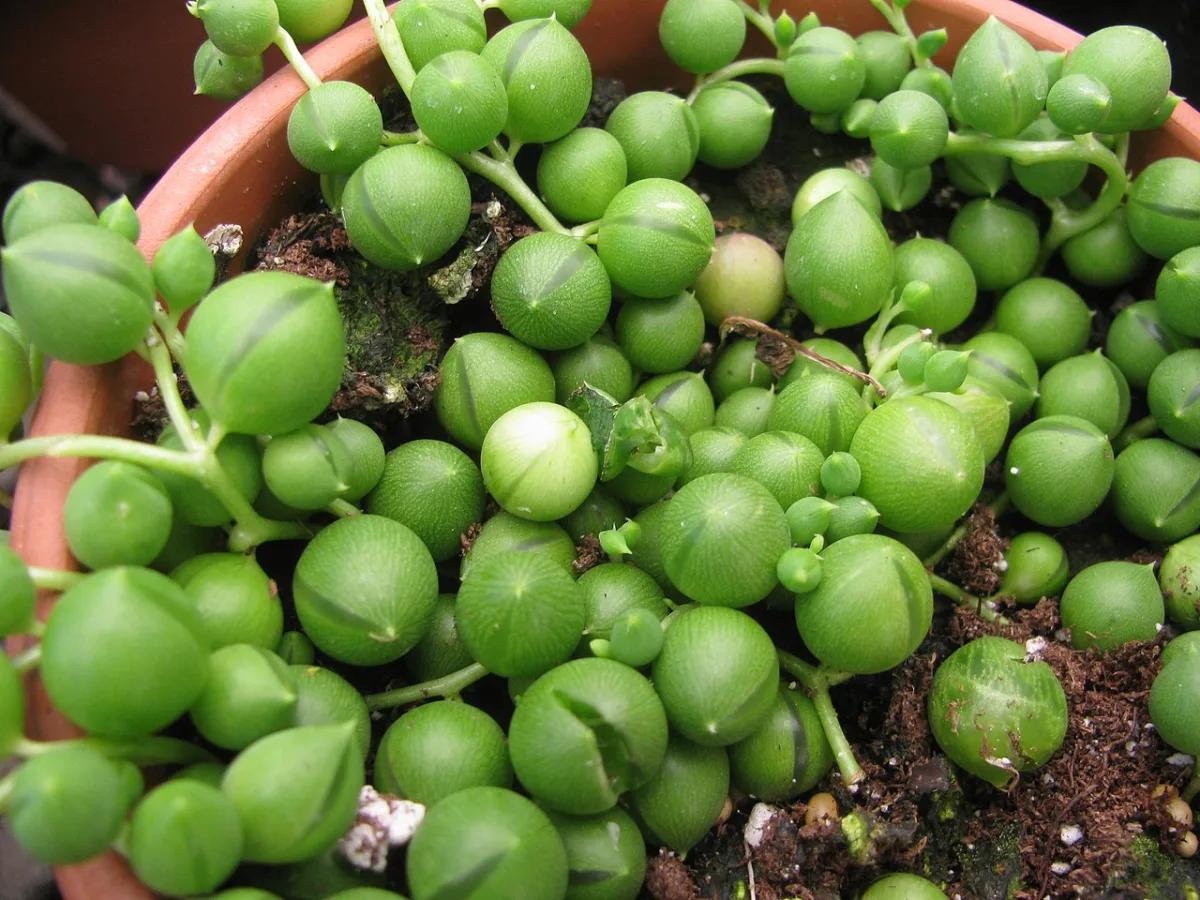
String of Pearls
Senecio rowleyanus
Free care tools
Keep your Jade Plant thriving.
Get a watering schedule for your conditions, or work out what's wrong when something looks off.