Tropical Plants
Fiddle Leaf Fig
Ficus lyrata
In short: Bright indirect light · medium water needs · toxic to cats and dogs (ASPCA)
Full Fiddle Leaf Fig care guideThe showstopper of indoor trees with large violin-shaped leaves. A bold design statement for bright, stable environments.
- Light
- Bright Indirect
- Water
- Medium
- Humidity
- High
- Growth
- Medium
- Mature size
- 6-10 feet indoors
- Temperature
- 60–80°F (16–27°C)
Does not bloom indoors. In the wild, produces small fig-like fruit. Grown exclusively for its stunning foliage.
Last updated
Overview
Fiddle Leaf Fig: A Statement Indoor Tree
The Fiddle Leaf Fig has become a fixture of interior design. Its large, dramatic, violin-shaped leaves create an instant focal point that elevates any room.
Worth the Effort
FLFs have a reputation as divas, but they mostly need consistency — consistent watering, consistent light, and a consistent spot. Once settled, they reward you with stunning vertical growth and lush foliage.
Growth Forms
- Tree form: Single trunk with a bushy crown (most popular)
- Bush form: Multiple stems, fuller shape
- Bambino: Compact dwarf variety with smaller leaves
- Column: Narrow, upright growth for tight spaces
A well-placed Fiddle Leaf Fig transforms a room the way few other plants can. It is living sculpture.

Watering
Water when top 2 inches of soil are dry. Use room-temperature water and water thoroughly until it drains. Establish a consistent schedule — FLFs dislike both overwatering and underwatering. Typically weekly in summer, every 10-14 days in winter. Consistency is everything.

Light
Needs bright, indirect light — the more the better. East or south-facing window is ideal. Some direct morning sun is fine. Rotate quarterly for even growth. In low light, growth stops and lower leaves drop. This is not a low-light plant.

Soil
Well-draining mix with added perlite. Fast drainage is critical. Use a pot with drainage holes — no exceptions. A blend of potting soil, perlite, and bark works perfectly.

Fertilizing
Feed monthly during spring and summer with liquid fertilizer formulated for ficus or a balanced 3-1-2 ratio. Stop in fall/winter. Do not over-fertilize — causes salt buildup and brown edges.
Propagation
Propagate by air layering (most reliable) or stem cuttings in water. Air layering produces a larger starter plant. For cuttings, use a single-leaf stem section with a node. Root in water, replacing weekly, for 4-8 weeks.

Repotting
Every 2-3 years in spring. Go up only 2 inches in pot size. Do not over-pot — excess soil stays wet and causes root rot. FLFs actually grow better slightly snug.

Common problems
Brown spots: Overwatering (dark brown from center) or sunburn (dry brown patches). Check soil moisture to diagnose.
Dropping leaves: Stress from moving, drafts, or inconsistent watering. The number one rule: do not move your FLF.
Red spots on new leaves: Normal — called edema. Caused by irregular watering.
Leaning: Growing toward light. Rotate regularly.
Pro tips
Do not move it: Find the perfect spot and leave it there. FLFs hate change.
Notching for branching: Cut a small notch above a node to encourage new branches without removing height.
Shower it: Monthly lukewarm shower removes dust, hydrates leaves, and deters pests.
FAQ
Fiddle Leaf Fig questions
Starter kit
Get set up for your Fiddle Leaf Fig
Untick anything you already have.
The basics

Extras for your Fiddle Leaf Fig
Was this helpful?
Your answer helps us improve this page.
Your answer didn't go through. Please try again.
Thanks for your feedback!
Plant hub
Everything about Fiddle Leaf Fig
Step-by-step guides


Similar plants
Plants like this one
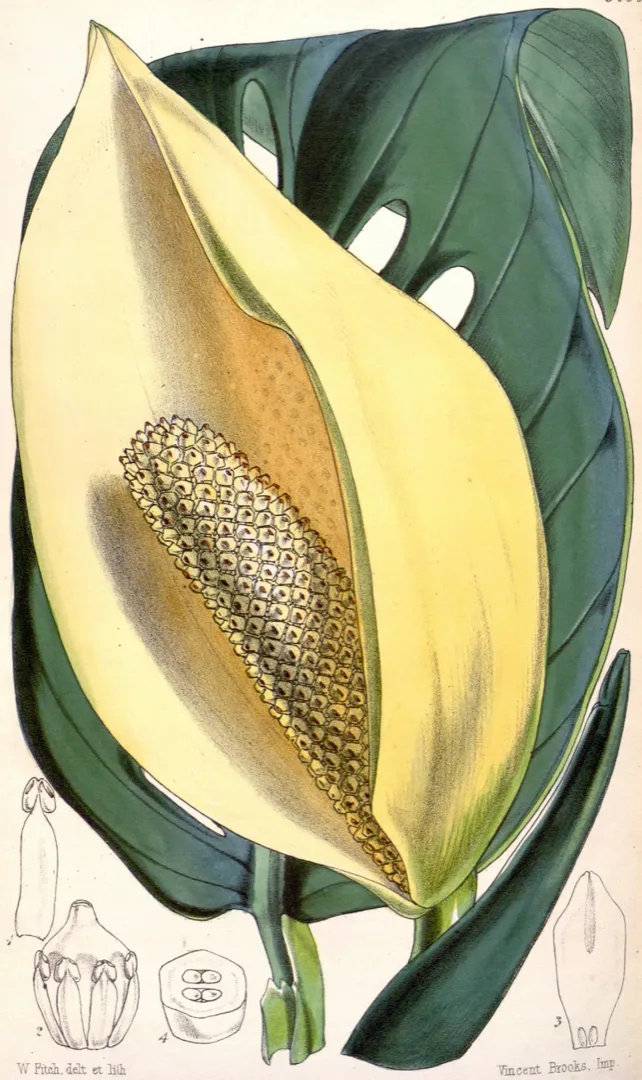
Swiss Cheese Vine
Monstera adansonii
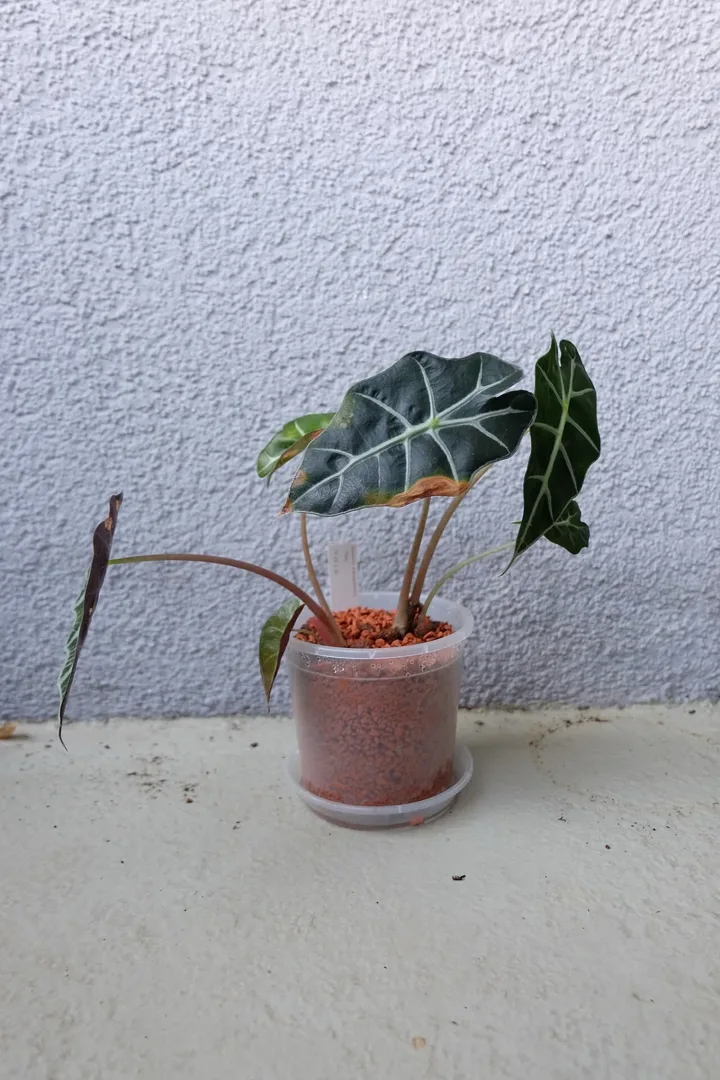
Alocasia
Alocasia amazonica
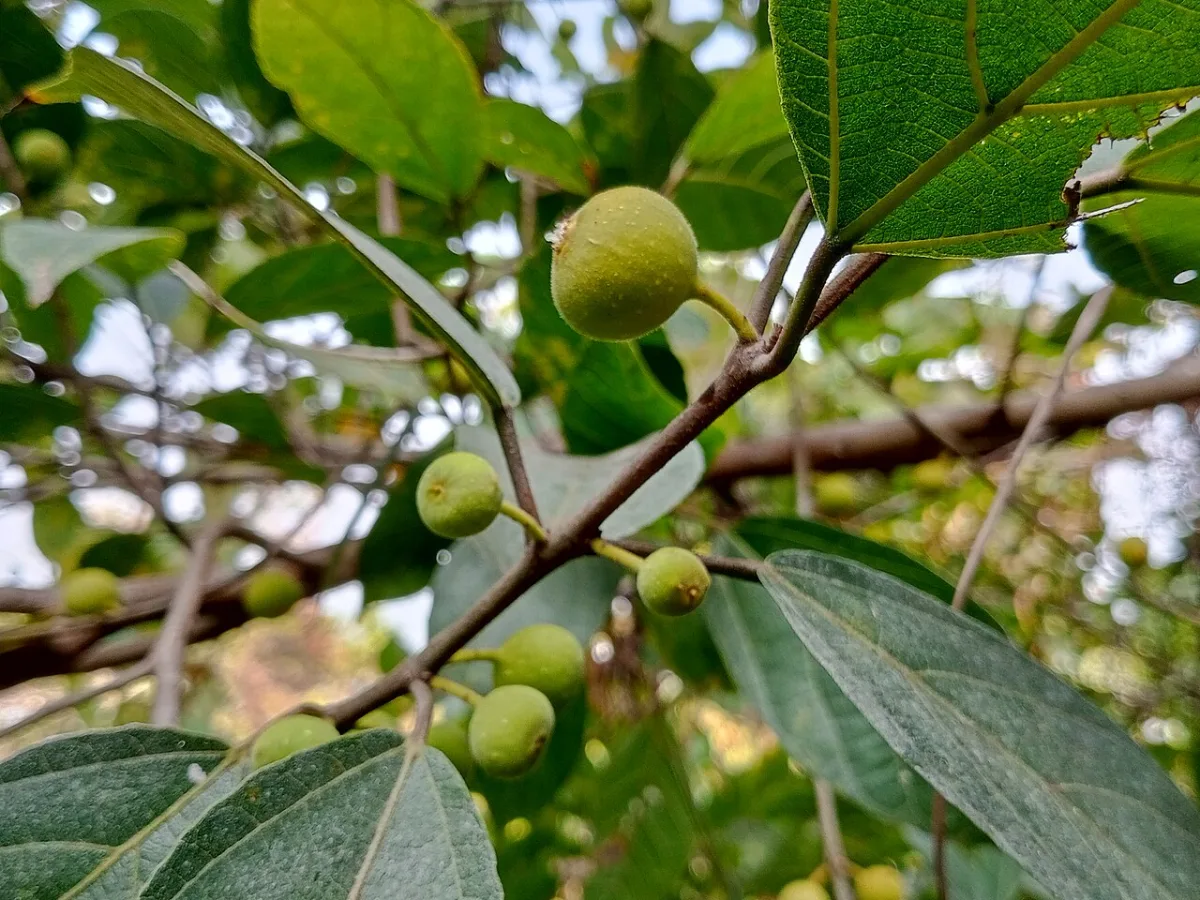
Fiddle Leaf Fig Bambino
Ficus lyrata Bambino
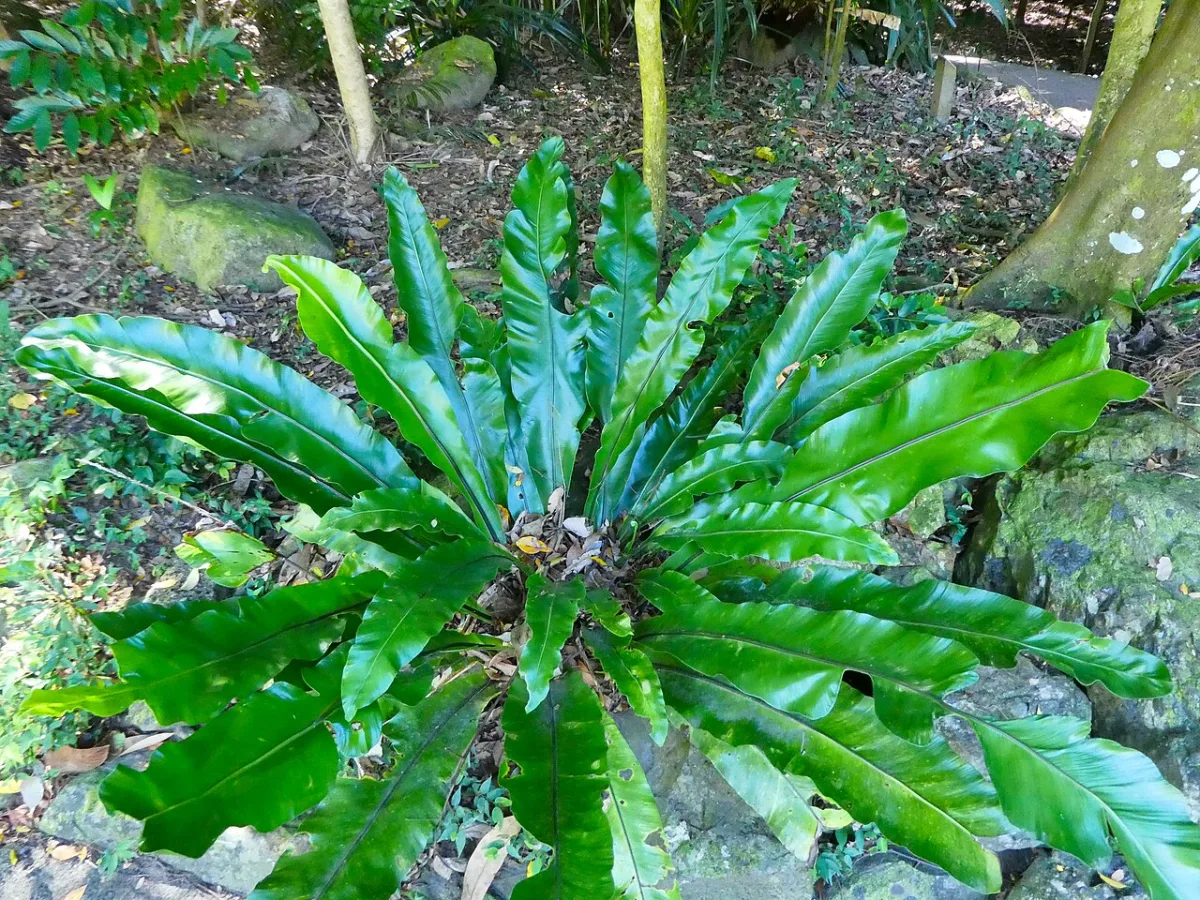 Non-toxic to pets
Bird's Nest Fern
Asplenium nidus
Free care tools
Keep your Fiddle Leaf Fig thriving.
Get a watering schedule for your conditions, or work out what's wrong when something looks off.