Plant propagation is the art of creating new plants from existing ones — and it is one of the most rewarding skills any plant parent can learn. Instead of buying new plants, you can grow unlimited plants for free from the ones you already own. You can share them with friends, fill empty pots, or even sell them once you get good at it.
This guide covers every major propagation method, explains which method works for which type of plant, lists the tools you need, and gives you the 10 easiest plants to start with.
Quick Summary
Easiest method for most plants: stem cutting in water. Fastest results: division. Best season to propagate: spring and early summer. Must-know concept: the node (where roots grow from). Start with: Pothos, Spider Plant, or Snake Plant.
Why Propagate?
Before diving into the how, here is why propagation is worth learning:
- Free plants. A single Pothos can produce dozens of new plants over its lifetime. That is a lot of free greenery.
- Fuller plants. Trim and propagate leggy vines, then plant the rooted cuttings back into the same pot for a bushier, fuller look.
- Backup plants. Propagate your favorites as insurance. If the mother plant gets sick, you have clones ready.
- Gifts. Rooted cuttings in a cute pot make thoughtful, personal gifts that cost you nothing but a few weeks of patience.
- It is deeply satisfying. Watching roots emerge from a cutting you made is genuinely exciting. It does not get old.
The Essential Concept: What Is a Node?
If you remember one thing from this entire guide, remember this: roots grow from nodes.
A node is the point on a stem where a leaf attaches. It contains meristem tissue — the plant equivalent of stem cells — that can differentiate into roots, leaves, or branches. When you take a cutting for propagation, you must include at least one node, or the cutting will never produce roots or new growth.
Nodes usually look like:
- A small bump or thickened ring on the stem
- The point where a leaf petiole meets the main stem
- A spot with tiny brown aerial root nubs already forming
The section of stem between two nodes is called the internode. Internodes contain no meristem tissue and will not produce roots.
Method 1: Stem Cuttings in Water
This is the most popular propagation method and the best place for beginners to start. You cut a section of stem, place it in water, and watch roots grow in real time.
How it works
- Cut a 4-6 inch section of stem just below a node using clean, sharp scissors
- Remove any leaves that would sit below the waterline
- Place the cutting in a glass of room-temperature water with the node submerged
- Set in bright indirect light
- Change water every 5-7 days
- Transfer to soil when roots are 2-3 inches long (usually 2-4 weeks)
Best for
Pothos, Philodendron, Monstera, Tradescantia, Begonia, Coleus, Basil, Mint
Method 2: Stem Cuttings in Soil
Same concept as water propagation, but the cutting goes directly into soil. This produces stronger, soil-adapted roots and eliminates the water-to-soil transition step.
How it works
- Take a cutting the same way as the water method
- Optional: dip the cut end in rooting hormone powder
- Insert the cutting 1-2 inches into moist, well-draining potting mix
- Keep soil consistently damp (not soggy) for 2-4 weeks
- A gentle tug that meets resistance confirms rooting
Best for
Rubber Plant, Fiddle Leaf Fig, Jade Plant, Dracaena, Dieffenbachia, most woody-stemmed plants
Method 3: Leaf Propagation
Some plants can grow entirely new plants from a single leaf. This is different from stem cutting — you remove just the leaf (or leaf with a bit of stem) and it produces roots and a baby plant from the leaf base.
How it works
- Remove a healthy, plump leaf with a clean twist or cut
- Let the broken end callous (dry) for 2-5 days
- Place the leaf on top of moist soil (do not bury it)
- Mist the soil every few days
- Roots and a baby plant emerge from the base in 3-6 weeks
Best for
Succulents (Echeveria, Sedum, Graptopetalum), African Violet (leaf with petiole in water), Begonia rex (leaf sections in soil), Snake Plant (leaf sections in water or soil)
Method 4: Division
Division is the fastest propagation method because you are separating an already-rooted plant into multiple plants. Many houseplants naturally produce clumps, offsets, or pups that are connected to the mother plant by roots or rhizomes underground.
How it works
- Remove the entire plant from its pot
- Gently separate natural clusters, ensuring each has its own roots
- Use a clean knife to cut connecting roots or rhizomes if needed
- Pot each division individually in fresh soil
- Water and provide normal care — no recovery period needed for most plants
Best for
Snake Plant, Peace Lily, Spider Plant (babies), ZZ Plant, Calathea, Maranta, Bird of Paradise, Aloe, Hens and Chicks, most clumping or spreading plants
Method 5: Air Layering
Air layering is the most advanced method, but it is the most reliable for large, woody-stemmed plants that are difficult to propagate from cuttings. The cutting develops roots while still attached to the mother plant, receiving nutrients the entire time.
How it works
- Choose a node on the stem and optionally make a small notch below it
- Wrap the node with moist sphagnum moss
- Cover the moss with plastic wrap and secure with tape or twist ties
- Check moisture weekly; add water to the moss if it dries
- Roots grow through the moss in 3-6 weeks
- Cut below the rooted section and pot it up
Best for
Monstera, Fiddle Leaf Fig, Rubber Plant, Dracaena, Schefflera, Ficus — any large plant where stem cuttings would be risky
Which Method for Which Plant?
| Plant | Best Method | Difficulty | Time to Root |
|---|---|---|---|
| Pothos | Water cutting | Very easy | 1-2 weeks |
| Monstera | Water cutting or air layering | Easy-Moderate | 3-6 weeks |
| Snake Plant | Division or water cutting | Easy | 4-8 weeks (cuttings), instant (division) |
| Spider Plant | Division (babies) | Very easy | 1-2 weeks |
| Succulents | Leaf or stem cutting | Easy | 3-6 weeks |
| Philodendron | Water cutting | Easy | 2-3 weeks |
| Rubber Plant | Air layering or soil cutting | Moderate | 4-8 weeks |
| Fiddle Leaf Fig | Air layering | Moderate | 4-8 weeks |
| ZZ Plant | Division or leaf cutting | Easy (division), Slow (leaf) | Instant (division), 6-12 months (leaf) |
| String of Pearls | Stem cutting in soil | Easy | 2-3 weeks |
Tools You Need
You do not need much to start propagating. Here is the essential kit:
Must-haves
- Clean, sharp scissors or pruning shears. Dull or dirty cuts crush stems and introduce bacteria. Wipe blades with rubbing alcohol before each use.
- Clear glass jars or cups. For water propagation. Clear glass lets you monitor root growth. Mason jars, old drinking glasses, or even cleaned jam jars work perfectly.
- Well-draining potting mix. Standard indoor potting mix works for most propagations. Mix in extra perlite for plants that need more drainage (succulents, Snake Plants).
- Small pots with drainage holes. 2-4 inch pots are ideal for rooted cuttings. Nursery pots are cheap and effective.
Nice-to-haves
- Rooting hormone. A powder or gel that encourages faster root development. Not necessary for easy-rooters like Pothos, but helpful for slower plants like Fiddle Leaf Fig and Rubber Plant. Available at any garden center for a few dollars.
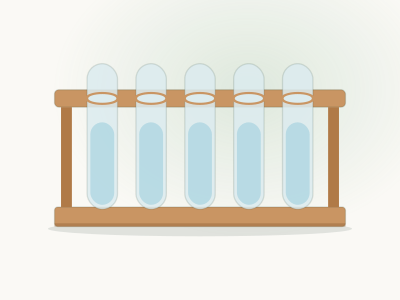
- Propagation station. A decorative stand that holds small glass tubes or vases for water propagation. Looks beautiful on a shelf and keeps multiple cuttings organized. You can find these at plant shops and home decor stores.
- Sphagnum moss. For moss propagation and air layering. Long-fiber sphagnum is cheap, reusable, and available at garden centers.
- Heat mat. A seedling heat mat placed under propagation trays maintains soil warmth, which significantly speeds up rooting during cooler months.
Pro Tip
A propagation station with glass tubes on a wooden stand is one of the most decorative and functional accessories you can own as a plant parent. It turns propagation from a kitchen-counter hobby into a display piece.
Best Season for Propagation
Spring and early summer (March through June) are the best times to propagate almost everything. Here is why:
- Active growth. Plants are producing growth hormones at their highest levels, and cuttings root faster as a result.
- Longer days. More light hours means more photosynthesis energy for root development.
- Warmer temperatures. Root growth is significantly faster in temperatures between 65-80 degrees Fahrenheit.
- Recovery time. The mother plant has the entire growing season to recover from having cuttings taken.
Can you propagate in fall or winter? Yes, but expect it to take noticeably longer (often up to twice as long) and have a lower success rate. If you propagate in winter, a heat mat and grow light level the playing field.
Top 10 Easiest Plants to Propagate
If you are new to propagation, start with these forgiving, fast-rooting plants:
- Pothos — Roots in water in 1-2 weeks. Almost impossible to fail.
- Spider Plant — Produces ready-made babies that root when you look at them.
- Tradescantia (Wandering Dude) — Roots in water in under a week. Absurdly fast.
- Philodendron — Roots in water in 2-3 weeks. All common varieties propagate easily.
- Snake Plant — Division is instant. Leaf cuttings are slow but reliable.
- Coleus — Roots in water in less than a week. Great for practicing technique.
- Basil — Snip a stem from a grocery store basil plant, put it in water, and it roots in days.
- Mint — So eager to root that it sometimes sprouts roots while still in a glass of water you were about to drink.
- Monstera — Takes longer (3-6 weeks) but has a very high success rate with proper node selection.
- Succulents (Echeveria, Sedum) — Leaf propagation is slow but incredibly satisfying. Twist off a leaf, set it on soil, and a baby grows.
Common Propagation Mistakes
- Cutting without a node. A very common mistake. Without a node, no roots will ever grow. The cutting will sit in water, slowly decline, and eventually rot. Always identify the node before cutting.
- Putting the cutting in direct sun. Cuttings without roots cannot replace water fast enough to handle direct sunlight. They overheat and wilt. Bright indirect light is the sweet spot.
- Not changing the water. Stagnant water breeds bacteria that cause rot. Change it every 5-7 days — it takes 30 seconds and dramatically improves success rates.
- Overwatering soil propagations. Soggy soil rots cuttings before they root. Keep soil damp, not wet. The top should dry slightly between waterings.
- Giving up too soon. Some plants (Snake Plant, ZZ Plant, Rubber Plant) take 6-8 weeks to show the first root. If the cutting is still firm and green, it is still alive and trying. Patience.
- Taking too many cuttings at once. Heavy pruning stresses the mother plant. Never remove more than one-third of a plant's foliage at once. Take a few cuttings now and more later.
Pro Tip
Start your propagation journey with Pothos. It is cheap, widely available, and roots so fast and reliably that it builds your confidence for trickier plants. Once you have successfully propagated Pothos, move on to Philodendron, then Monstera, then try air layering.
Frequently Asked Questions
Is rooting hormone necessary?
No, not for most common houseplants. Pothos, Philodendron, Tradescantia, Coleus, and many others root quickly without any help. Rooting hormone is most useful for slow-rooting or woody-stemmed plants like Fiddle Leaf Fig, Rubber Plant, and some Dracaena species. Think of it as optional insurance, not a requirement.
Can I propagate a plant from a store-bought bouquet or grocery herb?
Sometimes. Fresh herbs (basil, mint, rosemary) from the grocery store can often be rooted in water if the stems are still fresh and green. Cut flower bouquets are rarely propagatable because the stems have been treated and are too old. The exception is roses — some varieties can root from stem cuttings, though success rates are lower than with houseplants.
How do I know if my cutting has failed?
A failed cutting will show clear signs: the stem turns mushy, black, or translucent; the leaf yellows and drops; or the cutting develops a foul smell in water. If a cutting is still firm and green after several weeks but has not rooted yet, it has not failed — it is just slow. Give it more time.
Can I propagate in winter?
Yes, but expect slower results. Winter propagation takes roughly twice as long as spring propagation. To improve your odds: use a heat mat to maintain soil warmth, place cuttings under a grow light to compensate for shorter days, and choose easy-rooting plants like Pothos or Tradescantia. Avoid propagating fussy or slow-rooting plants in winter.
Sources and further reading
- Propagating Houseplants — Iowa State University Extension and Outreach
- From one to many: A beginner's guide to plant propagation — University of Illinois Extension
- Propagating Houseplants — Penn State Extension