Tropical Plants
Bird of Paradise
Strelitzia reginae
In short: Bright indirect light · medium water needs · toxic to cats and dogs (ASPCA)
Dramatic banana-like leaves that bring bold tropical style indoors. Bird of Paradise is the ultimate statement plant for bright rooms.
- Light
- Bright Indirect
- Water
- Medium
- Humidity
- Average
- Growth
- Medium
- Mature size
- 4-6 feet indoors
- Temperature
- 60–85°F (16–29°C)
Winter-Spring · The iconic orange and blue flowers resemble a tropical bird in flight. Usually requires several years of maturity, bright light, and slight root...
Last updated
Overview
Bird of Paradise: Tropical Drama Indoors
Strelitzia reginae brings the drama of the tropics indoors with its large, banana-like leaves that fan out elegantly. Named for its spectacular bird-shaped flowers, it is grown primarily for its architectural foliage indoors.
Statement Maker
Few plants make as bold a statement. The large, paddle-shaped leaves create instant tropical ambiance. A single well-placed Bird of Paradise transforms any room from ordinary to extraordinary.
Indoor vs Outdoor
- Indoors: Grown for stunning foliage, rarely flowers
- Outdoors (warm climates): Produces iconic orange and blue crane-shaped flowers
- Nicolai (Giant): Larger species with white flowers, can reach 20 feet
Indoor specimens rarely bloom but the foliage alone justifies the space. Patience and bright light occasionally reward with flowers on mature plants.

Watering
Water when top 2 inches of soil are dry. Likes consistent moisture during growing season but tolerates brief dry periods. Reduce in winter. Water thoroughly and drain — do not let sit in water. Drooping leaves can indicate either thirst or overwatering — check soil.

Light
As much bright light as possible, including some direct sun. South-facing window is ideal. At least 4-6 hours of bright light daily. Without sufficient light, growth stalls and leaves stay small. More light = larger leaves and better chance of flowering.

Soil
Rich, well-draining potting mix. Blend of potting soil, perlite, and compost works well. Needs nutrients but also good drainage. A heavy pot helps support the top-heavy plant.
Fertilizing
Feed every 2 weeks during spring and summer with balanced liquid fertilizer. Moderate to heavy feeder during active growth. Reduce to monthly in fall, stop in winter.
Propagation
Propagate by division when the plant produces multiple clumps. Separate during repotting in spring, ensuring each division has roots and at least 2-3 leaves. Can also grow from seed but extremely slow — 3-5 years to maturity.
Repotting
Every 2-3 years in spring. Actually blooms better when slightly root-bound, so do not rush to repot. Use a heavy, sturdy pot — these plants are top-heavy. Go up only 2 inches.

Common problems
Splitting leaves: Natural — wind causes this in the wild. Indoors, drafts or handling cause it. Cosmetic only.
Curling leaves: Underwatering. Soak thoroughly.
Brown leaf edges: Low humidity or underwatering.
No flowers: Needs maturity, bright light, and to be slightly root-bound. Most indoor plants do not flower.
Pro tips
Leaf splits are normal: Do not worry about torn leaves — this is natural adaptation for wind resistance.
Heavy pot: Use a wide, heavy ceramic or terracotta pot to prevent tipping.
Patience for flowers: Indoor flowering usually takes several years of good conditions.
FAQ
Bird of Paradise questions
Starter kit
Get set up for your Bird of Paradise
Untick anything you already have.
The basics

Extras for your Bird of Paradise
Was this helpful?
Your answer helps us improve this page.
Your answer didn't go through. Please try again.
Thanks for your feedback!
Similar plants
Plants like this one
 Non-toxic to pets
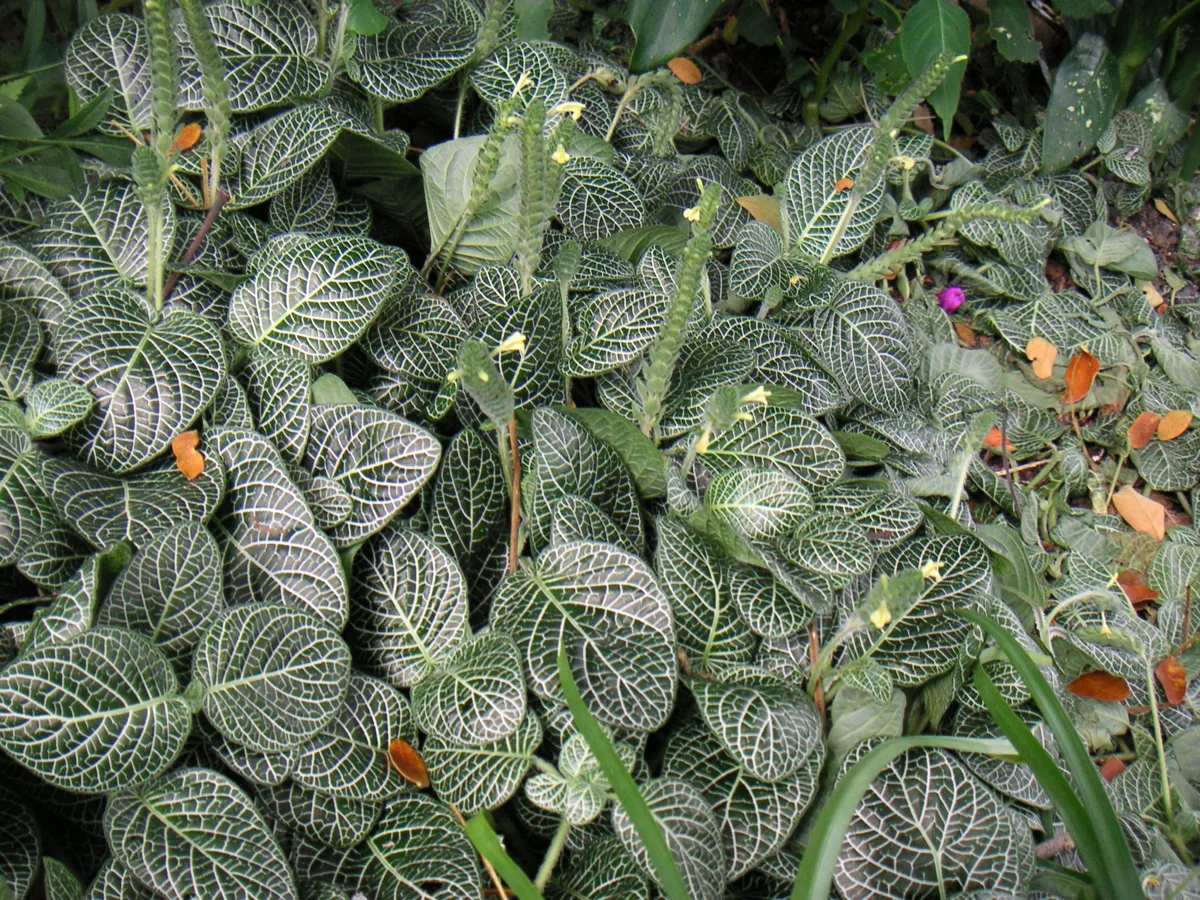
Nerve Plant
Fittonia albivenis
 Non-toxic to pets
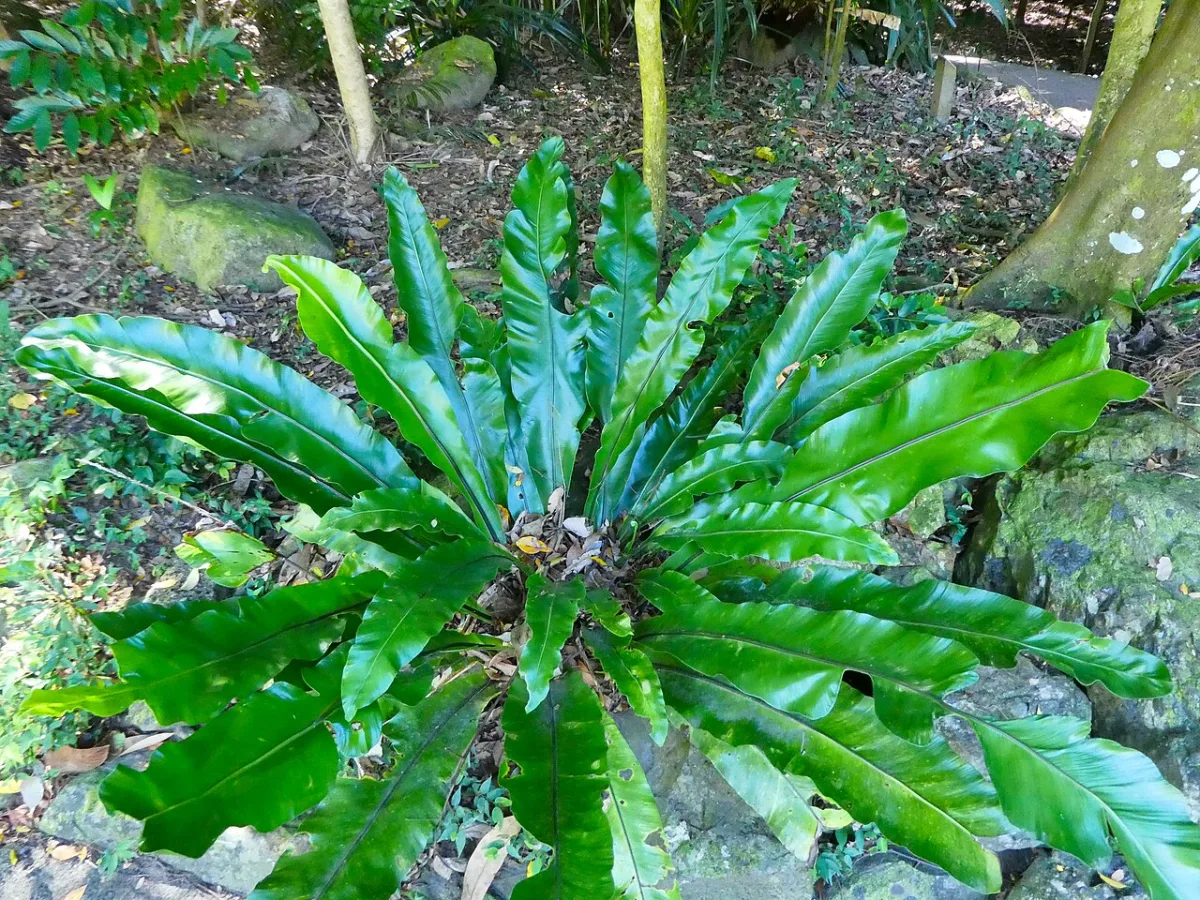
Bird's Nest Fern
Asplenium nidus
 Non-toxic to pets
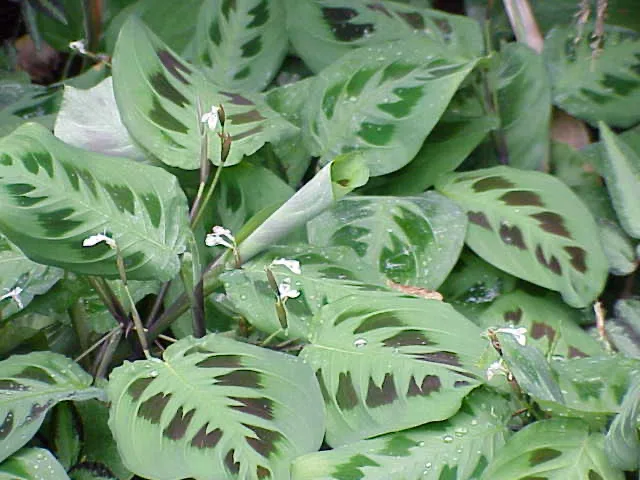
Prayer Plant
Maranta leuconeura
 Non-toxic to pets
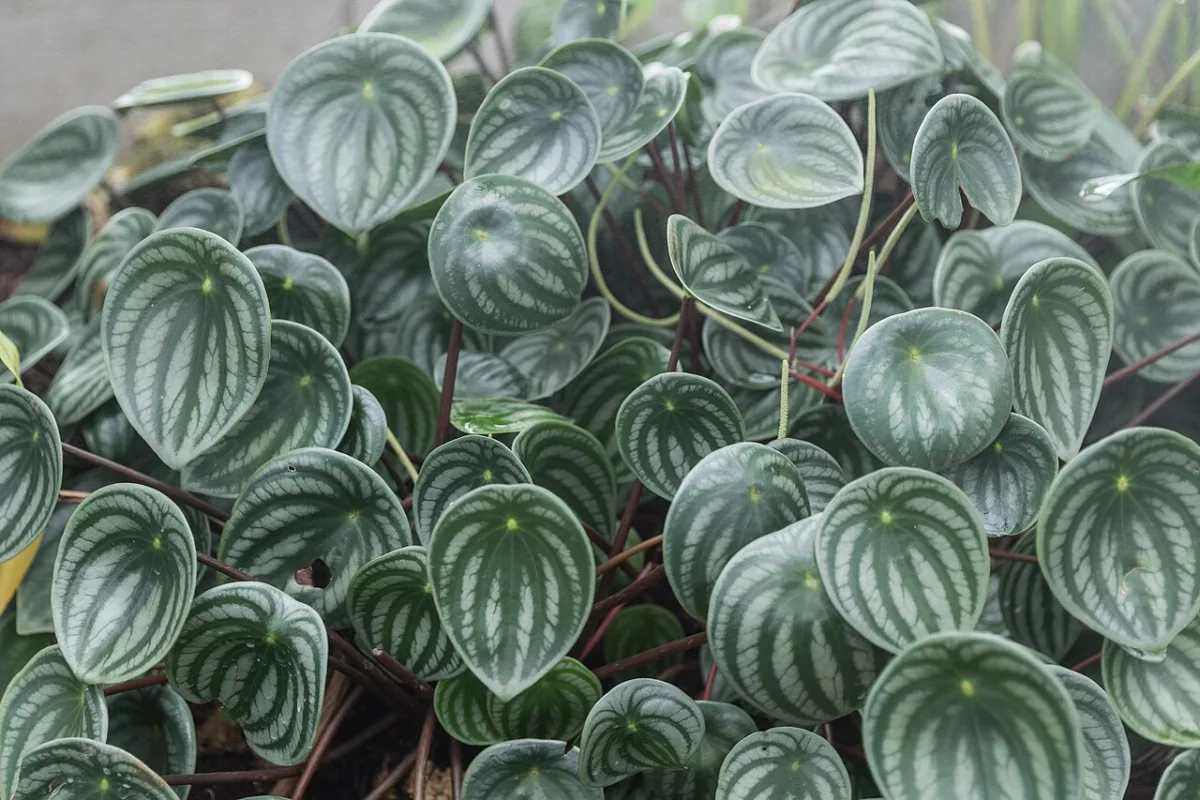
Watermelon Peperomia
Peperomia argyreia
Free care tools
Keep your Bird of Paradise thriving.
Get a watering schedule for your conditions, or work out what's wrong when something looks off.