Hanging Plants
Tradescantia
Tradescantia zebrina
In short: Bright indirect light · medium water needs · toxic to cats and dogs (ASPCA)
Fast-growing trailing plant with stunning purple and silver striped leaves. Tradescantia fills hanging baskets with vibrant color.
- Light
- Bright Indirect
- Water
- Medium
- Humidity
- Average
- Growth
- Fast
- Mature size
- Trails 2-3 feet
- Temperature
- 55–80°F (13–27°C)
Spring-Summer · Produces tiny three-petaled flowers in pink, purple, or white. Not showy but charming. Appear more frequently in bright light.
Last updated
Overview
Tradescantia: The Purple Speedster
Tradescantia zebrina (Wandering Dude) is a fast-growing, colorful trailing plant. Its leaves shimmer with purple, silver, and green stripes that catch light beautifully.
Instant Gratification
Few plants grow as quickly or look as lush. Within weeks, a few cuttings can fill a hanging basket with cascading purple vines. The metallic sheen on the leaves is very distinctive.
Varieties
- Zebrina: Purple and silver stripes
- Nanouk: Pink, purple, and white
- Pallida (Purple Heart): Deep solid purple
- Fluminensis: Green and white variegation
Easy to grow, easy to propagate, and rewarding from day one.
Watering
Water when top inch of soil is dry. Likes consistent moisture but forgives occasional neglect. Not drought-tolerant — dry soil causes crispy leaves. Weekly in summer, every 10 days in winter.

Light
Bright indirect light for the most vivid colors. Some direct morning sun intensifies the purple. In low light, colors fade to mostly green and growth becomes leggy. More light = more color.

Soil
Standard well-draining potting mix. Not fussy. Add perlite for extra drainage. Grows in almost any soil that drains reasonably well.
Fertilizing
Monthly during growing season with balanced liquid fertilizer at half strength. Grows fast enough without heavy feeding. Stop in winter.
Propagation
Absurdly easy. Cut any stem section with a node, place in water or soil, and roots often appear within a week or two. One of the quickest houseplants to root. Share cuttings generously.

Repotting
Annually in spring. Fast growers that benefit from fresh soil. Or simply take cuttings from an aging plant and start fresh — often easier than repotting.
Common problems
Leggy and bare: The most common issue. Lower leaves naturally drop with age. Solution: prune hard and root cuttings back into the pot.
Fading color: Not enough light. Move to brighter spot.
Crispy leaves: Underwatered or very low humidity.
All green new growth: Insufficient light to trigger pigmentation.
Pro tips
Refresh regularly: Tradescantia gets leggy over time. Every 6-12 months, take cuttings from the best parts and start a fresh pot. The new plant looks full and lush immediately.
Pinch for fullness: Regularly pinch growing tips to encourage branching.
Skin sensitivity: The sap can cause skin irritation in some people. Handle with care.
FAQ
Tradescantia questions
Starter kit
Get set up for your Tradescantia
Untick anything you already have.
The basics


Extras for your Tradescantia
Was this helpful?
Your answer helps us improve this page.
Your answer didn't go through. Please try again.
Thanks for your feedback!
Similar plants
Plants like this one
 Non-toxic to pets
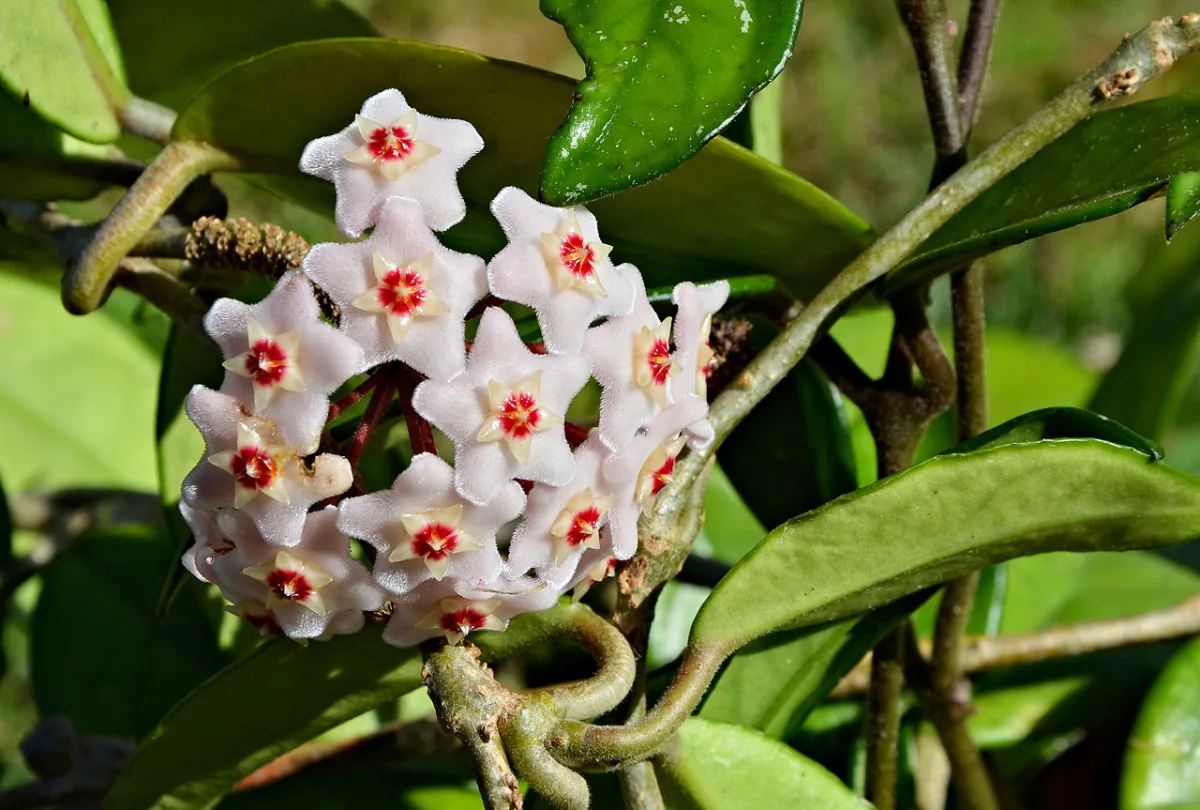
Hoya
Hoya carnosa
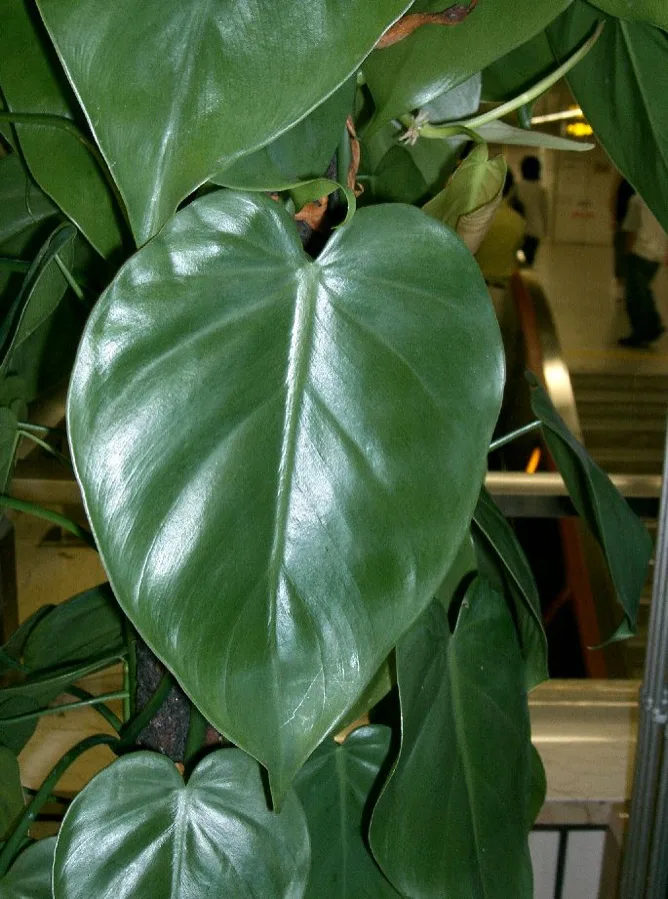
Philodendron Micans
Philodendron hederaceum 'Micans'
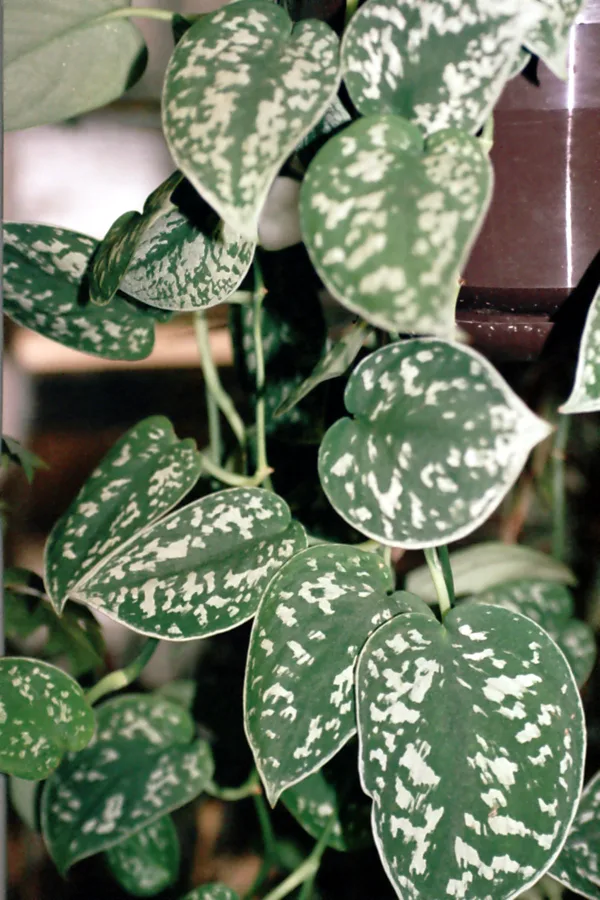
Satin Pothos
Scindapsus pictus
 Non-toxic to pets
Spider Plant
Chlorophytum comosum
Free care tools
Keep your Tradescantia thriving.
Get a watering schedule for your conditions, or work out what's wrong when something looks off.