Quick Summary
Light is the most important factor in plant health. Direct sun = sunbeams hit the plant. Bright indirect = well-lit room, no direct rays. Medium = comfortable reading light. Low = dim, need a lamp to read. Match your plants to your window direction: south (brightest), east (gentle morning sun), west (hot afternoon sun), north (low light only). Use a free lux meter app to measure actual light levels.
Every plant care guide tells you a plant needs "bright indirect light" or "low light," but what do those terms actually mean in your home? Understanding how to choose the right light for your plants is the difference between a thriving collection and a struggling one. Light is arguably the most important factor in plant health — more important than watering, soil, or fertilizer. Get the light right, and everything else becomes easier.
Light Level Definitions
Direct Sunlight
Sunbeams hit the plant directly. You can see a sharp, defined shadow of your hand when held near the plant. This is the light on a sunny windowsill facing south or west. In foot-candle measurements, direct sun is typically 5,000-10,000+ foot-candles.
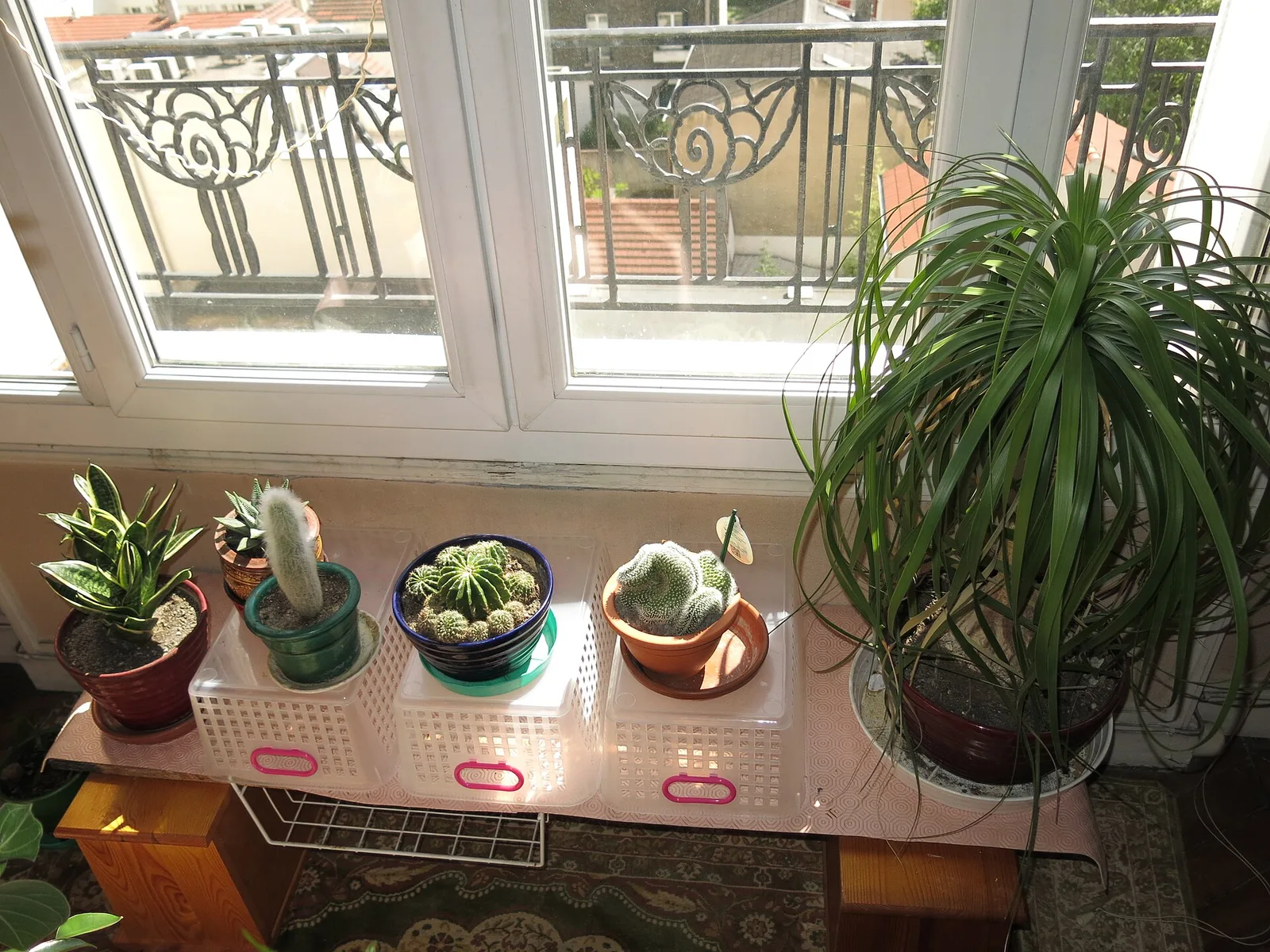
Best for: Succulents, cacti, Aloe, Jade Plant, herbs, Bird of Paradise, most flowering plants
Bright Indirect Light
The room is well-lit and bright, but the sun does not directly hit the plant. A spot 2-4 feet from a south-facing window, or right next to an east-facing window. You can see a soft shadow of your hand. This measures roughly 1,000-5,000 foot-candles and is the sweet spot for the majority of houseplants.
Best for: Monstera, Fiddle Leaf Fig, Rubber Plant, Calathea, Alocasia, most tropical plants
Medium Light
The middle zone — enough light to comfortably read a book without a lamp, but not particularly bright. A few feet from an east window, or in a well-lit room without direct exposure. Shadow is faint. Measures 250-1,000 foot-candles.
Best for: Pothos, Philodendron, Dracaena, Spider Plant, Peperomia, Dieffenbachia
Low Light
A dimmer room or a spot far from windows. You can still see, but it would be difficult to read without turning on a lamp. No shadow visible. Measures under 250 foot-candles. Important: "low light" does not mean "no light." All plants need some light to survive.
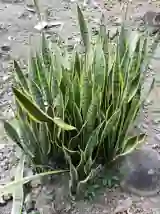
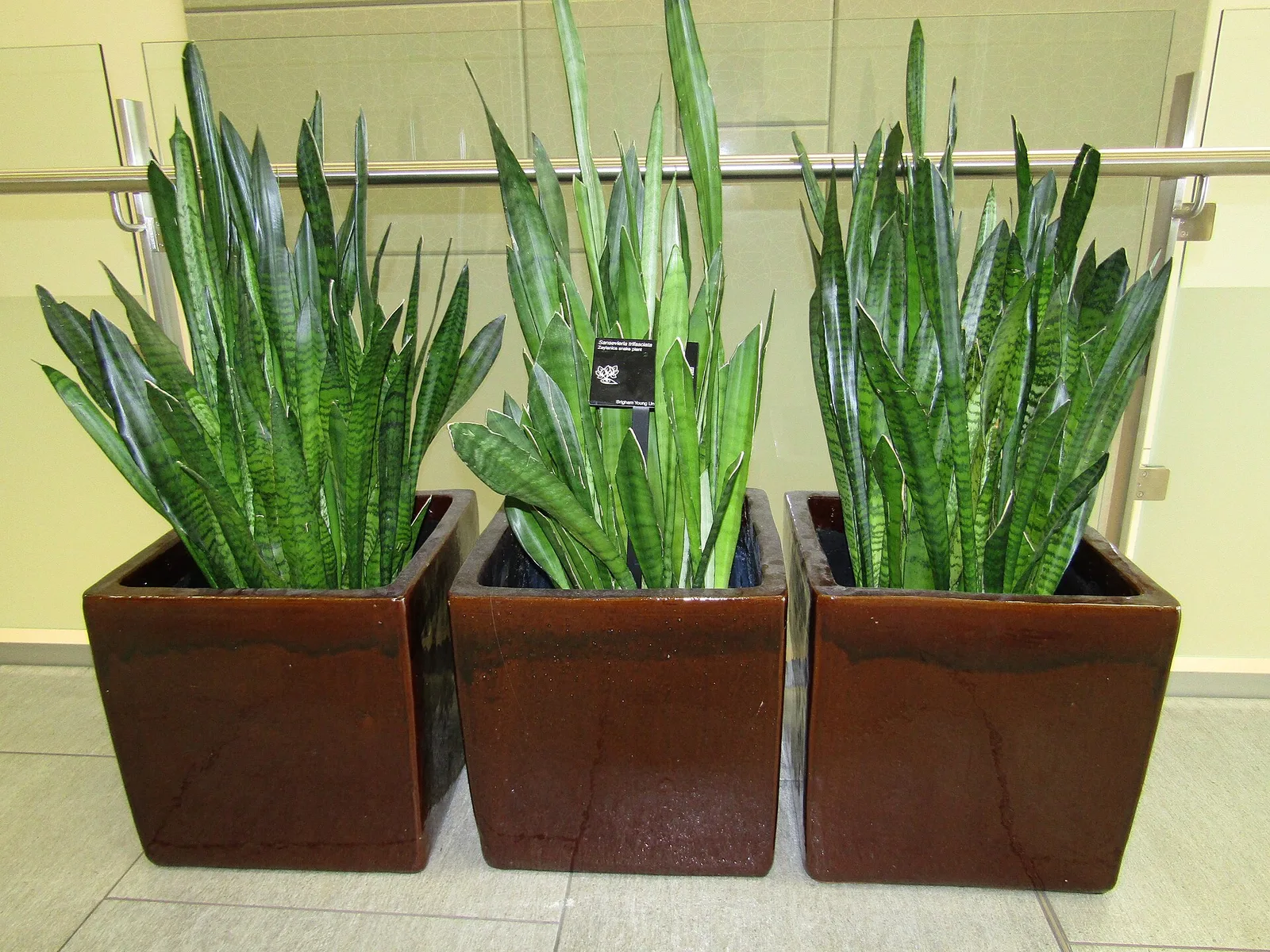
Best for: ZZ Plant, Snake Plant, Cast Iron Plant, Peace Lily, Chinese Evergreen
Pro Tip
Download a free lux meter app on your phone (like "Lux Light Meter" for iOS or "Light Meter" for Android) to get actual measurements. Under 500 lux (about 50 foot-candles) is low light, 500-2,000 lux is medium, 2,000-5,000 lux is bright indirect, and over 5,000 lux is direct sun. Measure at different times of day to understand how the light changes.
Measuring Light: Foot-Candles, Lux, and Apps
If you are serious about keeping plants healthy, measuring your actual light levels removes all the guesswork. Here is what you need to know:
- Foot-candles (fc) — the traditional measurement for plant light. One foot-candle is the amount of light from a candle at one foot distance.
- Lux — the metric equivalent. 1 foot-candle = approximately 10.7 lux.
- PPFD / PAR — the most accurate way to measure usable plant light (photosynthetically active radiation). Most hobbyists do not need this level of precision, but it is what professional growers use.
For home use, a free lux meter app on your smartphone is accurate enough. Hold your phone at the level of the plant with the camera facing the brightest light source (window). Take readings at several times during the day — morning, midday, and afternoon — since light intensity changes significantly throughout the day.
Window Direction Guide (Detailed)
| Window | Light Quality | Intensity | Best Plants |
|---|---|---|---|
| South-facing | Brightest, direct sun most of the day | 4,000-8,000+ fc at sill | Succulents, cacti, herbs, Bird of Paradise, Jade Plant, Aloe, Croton |
| West-facing | Bright, hot afternoon sun (2-5 hrs direct) | 2,000-5,000 fc at sill | Monstera, Fiddle Leaf Fig (with some distance), Rubber Plant, Schefflera |
| East-facing | Gentle morning sun (2-4 hrs), moderate rest of day | 1,000-3,000 fc at sill | Most houseplants — Pothos, Philodendron, Prayer Plants, Ferns, Calathea |
| North-facing | Consistent but low light, no direct sun ever | 200-800 fc at sill | ZZ Plant, Snake Plant, Cast Iron Plant, Peace Lily, Chinese Evergreen |
South-Facing Windows
The brightest option in the Northern Hemisphere. South windows get direct sun for most of the day and provide the highest light levels of any window direction. Plants directly on a south-facing windowsill receive intense light that can burn tender tropical foliage. However, 2-4 feet back from a south window provides excellent bright indirect light that most tropical plants love. If you have a sheer curtain, it transforms direct south light into perfect bright indirect light.
Best plants for right on the sill: Succulents, cacti, Jade Plant, Aloe, herbs (basil, rosemary), String of Pearls
Best plants for 2-4 feet back: Monstera, Fiddle Leaf Fig, Bird of Paradise, Rubber Plant, Croton
East-Facing Windows
The Goldilocks window for most houseplants. Morning sun is gentle and warm without being scorching. Most tropical houseplants thrive next to an east window because they get direct morning light (which is not intense enough to burn) followed by bright indirect light for the rest of the day. This is the safest and most versatile window direction for a plant collection.
Best plants: Pothos, Philodendron, Calathea, Prayer Plant, most Ferns, Peperomia, String of Turtles, Hoya
West-Facing Windows
West windows get hot afternoon sun, which is more intense than morning sun from east windows. This is great for plants that like bright conditions but can be too harsh for shade-lovers. Be careful with delicate plants — afternoon sun through glass can be scorching in summer. A sheer curtain helps moderate the intensity.
Best plants for the sill: Succulents, cacti (with acclimation), herbs
Best plants 1-3 feet back: Monstera, Fiddle Leaf Fig, Rubber Plant, Dracaena, Schefflera
North-Facing Windows
The lowest light option. North windows never receive direct sunlight in the Northern Hemisphere. They provide consistent, even, low light throughout the day. Many common houseplants struggle here, but some thrive. If this is all you have, choose plants specifically marketed as low-light tolerant — and consider supplementing with a grow light.
Best plants: ZZ Plant, Snake Plant, Cast Iron Plant, Peace Lily, Chinese Evergreen, Pothos (grows slower but survives), Dracaena
How Seasons Affect Indoor Light
Most people set up their plants once and forget that light conditions change dramatically with the seasons:
- Summer: The sun is high in the sky and days are long (14-16 hours). South-facing windows get less direct sun (sun angle is too steep for windowsill beams) but the overall light in the room is much higher. East and west windows get extended hours of exposure.
- Winter: The sun is low in the sky and days are short (8-10 hours). South-facing windows actually get MORE direct sun in winter because the low angle sends sunbeams deeper into the room. However, the shorter day length means total light received is lower. North-facing windows become very dim.
- Spring/Fall: Transitional periods. Watch for sudden changes — a plant that was fine in its spot may suddenly get direct sun it did not get before, or lose the light it relied on.
Practical implication: you may need to move plants with the seasons. A Calathea that is happy near a south window in summer may get scorched in winter when the low sun angle sends direct beams right onto it. Conversely, a plant tucked in a corner may need to move closer to a window in winter.
Pro Tip
Take light meter readings in your home during both summer and winter. You may be surprised how much the light changes. A spot that gets 3,000 lux in July might drop to 800 lux in December. Adjust plant positions accordingly.
Plants by Light Level: Comprehensive Guide
| Light Level | Foot-Candles | Best Plants |
|---|---|---|
| Direct Sun (6+ hours) | 5,000+ | Cacti, most succulents, Jade Plant, Aloe Vera, Bird of Paradise, herbs (basil, rosemary), String of Pearls, Ponytail Palm, Croton |
| Bright Indirect | 1,000-5,000 | Monstera Deliciosa, Fiddle Leaf Fig, Rubber Plant, Alocasia, Calathea (careful of direct rays), Hoya, Begonia, Orchids, String of Hearts |
| Medium | 250-1,000 | Pothos (all varieties), Philodendron (heartleaf, Brasil), Spider Plant, Peperomia, Dracaena, Dieffenbachia, Prayer Plant, Parlor Palm |
| Low | 50-250 | ZZ Plant, Snake Plant, Cast Iron Plant, Peace Lily, Chinese Evergreen, Dracaena (slower), Pothos (slower, leggy) |
Remember: "tolerates low light" is different from "thrives in low light." Most plants on the low-light list will grow faster and look better with more light. They just will not die in dim conditions.
Grow Light Primer
If your home does not have enough natural light, a grow light can transform a dark corner into a plant-friendly spot. Here is a quick overview:
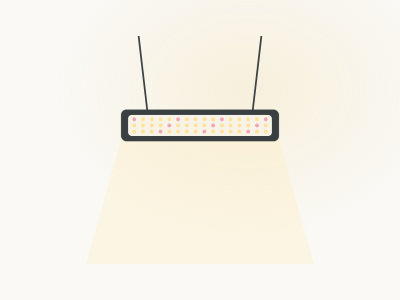
- Full-spectrum LED bulbs are the easiest option — they screw into regular lamp sockets and provide the red and blue light wavelengths plants need for photosynthesis.
- Position the light 6-12 inches above the plant foliage for most LED grow lights.
- Run the light 10-14 hours per day using a timer. Plants need a dark period too.
- Supplemental lighting works best — if your plants get some natural light, even a few hours of grow light fills the gap.
- Budget option: A full-spectrum LED bulb (like the GE Grow Light or Sansi 36W) in a desk lamp is enough for 1-3 plants.
For a deep dive into grow lights, check out our complete guide to the best grow lights for indoor plants.
Signs Your Plant Is Getting Too Much Light
- Bleached, faded, or washed-out leaves — the chlorophyll is being destroyed
- Brown, crispy patches on leaves (sunburn) — especially on the side facing the window
- Leaves curling inward or wilting even when the soil is moist
- Soil drying out abnormally fast (more than once a week in a standard pot)
- Leaf edges turning dry and papery
- Colors becoming muted or washed out
Fix: Move the plant further from the window, add a sheer curtain to filter the light, or relocate to an east-facing window for gentler exposure. Most sunburn damage is permanent on affected leaves, but new growth will come in healthy once the light is corrected.
Signs Your Plant Needs More Light
- Leggy, stretched-out stems reaching toward the nearest light source (etiolation)
- Small, widely spaced leaves — new leaves are noticeably smaller than older ones
- Pale or yellowing lower leaves — the plant is shedding leaves it cannot sustain
- Variegated plants reverting to solid green — the plant produces more chlorophyll to compensate for low light, which covers the variegation
- Very slow or no growth during the growing season (spring/summer)
- Soil stays wet for weeks — the plant is not photosynthesizing enough to use the water
Fix: Move the plant closer to a window, relocate to a brighter room, or add a supplemental grow light. Gradually increase light exposure over 1-2 weeks to avoid shocking the plant.
Tips for Maximizing Light
- Clean your windows. Dirty glass can noticeably reduce the light that gets through. A simple cleaning can make a noticeable difference for your plants.
- Clean your leaves. Dusty leaves cannot photosynthesize efficiently. Wipe smooth leaves with a damp cloth monthly. For fuzzy-leaved plants, use a soft brush.
- Use mirrors. Placing a mirror on the wall opposite a window reflects light deeper into the room, effectively doubling the reach of your window light.
- Rotate your plants. Quarter-turn every 1-2 weeks for even growth on all sides.
- Use light-colored walls and surfaces. White and light walls reflect significantly more light than dark walls. Even switching to a lighter-colored shelf can bounce more light to nearby plants.
- Consider grow lights. A simple LED grow light bulb in a desk lamp can make a dark corner viable for plants. They are inexpensive and use little electricity.
- Sheer curtains as tools. Use them to convert harsh direct sun into perfect bright indirect light. This lets you place light-sensitive tropicals right next to south and west windows.
Frequently Asked Questions
Does light through a window count as direct sunlight?
Yes, if sunbeams are hitting the plant through the glass, that counts as direct sunlight — though glass does filter out some UV radiation and reduces intensity to a varying degree depending on the glass type. Double-pane windows, tinted glass, and Low-E coatings reduce light significantly more than single-pane clear glass. But for practical plant care, if you see a sharp shadow on the plant, treat it as direct sun.
Can artificial room lights substitute for sunlight?
Standard household bulbs (even bright ones) provide far less usable light than even a dim window. A 100W incandescent bulb produces about 100 foot-candles at 2 feet — barely enough for low-light plants. Regular LED ceiling lights are slightly better but still not enough for most plants. Dedicated grow lights are specifically designed to output the wavelengths plants need and provide enough intensity to support growth.
My plant was fine in its spot for months but is suddenly struggling. What changed?
Seasonal light changes are a common culprit. As the sun angle shifts through the year, the light in a specific spot can change dramatically. A location that received bright indirect light in summer may drop to low light in winter. Trees outside the window losing or gaining leaves also changes indoor light levels significantly. Measure your light with a lux app and compare to your plant's needs.
I just moved my plant to a brighter spot and the leaves are burning. Why?
Plants need to acclimate to increased light gradually, just like humans need to build a tan slowly. A plant that has been in low light for months has thin, shade-adapted leaves that burn easily in bright conditions. Move plants to brighter spots in stages — increase light exposure by a few hours each day over 1-2 weeks. Sheer curtains can help buffer the transition.