Succulents & Cacti
String of Pearls
Senecio rowleyanus
In short: Bright indirect light · low water needs · toxic to pets
Mesmerizing cascading strands of round, bead-like leaves. A show-stopping succulent for hanging planters and bright shelves.
- Light
- Bright Indirect
- Water
- Low
- Humidity
- Low
- Growth
- Fast
- Mature size
- Trails 2-3 feet
- Temperature
- 50–80°F (10–27°C)
Summer · Produces small, white, daisy-like flowers with a sweet cinnamon scent in summer. Flowers appear at the tips of strands when the plant is mature and hap...
Last updated
Overview
String of Pearls: Nature's Living Necklace
String of Pearls is a mesmerizing trailing succulent with perfectly round, pea-shaped leaves strung along thin stems like a beaded curtain. Few plants are as visually unique.
A Conversation Starter
Hang one in a bright window and watch guests do a double-take. The cascading strands can trail 2-3 feet, creating a living curtain of green beads that catches light beautifully.
Care Challenge
While not difficult once you understand its needs, String of Pearls has specific requirements. It wants bright light, infrequent watering, and excellent drainage. Get these right and it rewards you with vigorous trailing growth.
A close relative, String of Bananas (Senecio radicans), offers a similar look but is slightly more forgiving for beginners.
Watering
Water only when pearls start looking slightly deflated or less plump. Typically every 10-14 days in summer, every 3-4 weeks in winter. Water the soil directly — avoid wetting the pearls. Bottom watering works best to prevent stem rot at the soil line.

Light
Bright indirect light with some direct morning sun is ideal. At least 6 hours of bright light daily. East-facing window is perfect. Too little light causes sparse, leggy growth. Harsh afternoon sun can burn the pearls.

Soil
Cactus/succulent mix with extra perlite for maximum drainage. The soil should dry quickly. A shallow pot with large drainage holes is essential. Consider adding pumice for even better aeration.

Fertilizing
Feed monthly during spring and summer with liquid succulent fertilizer at half strength. Stop in fall and winter. Light feeder — do not overdo it.

Propagation
Very easy from stem cuttings. Cut 4-6 inch strands, remove a few bottom pearls, and lay on moist soil or coil on the surface. Press gently so nodes contact soil. Roots form at nodes within 2-3 weeks. Keep lightly moist until established.

Repotting
Every 2-3 years. Use a wide, shallow pot. Be extremely gentle — strands break easily. Best done in spring. Wait a few days before watering after repotting.
Common problems
Shriveled pearls: Underwatering — give a good soak.
Mushy pearls: Overwatering. Reduce immediately, check for root rot.
Flat, deflated pearls: Thirsty. Water and they plump back up.
Sparse growth at base: Normal aging. Coil healthy strands back on top to fill in.
Pro tips
Fuller plant trick: Coil trailing strands back on top of the soil. They root at nodes where they touch soil, creating a denser plant.
Bottom water: Place pot in a tray of water for 10 minutes. Prevents moisture at the soil surface where stems rot.
Smell the flowers: The tiny blooms have a delightful cinnamon-like fragrance.
FAQ
String of Pearls questions
Starter kit
Get set up for your String of Pearls
Untick anything you already have.
The basics

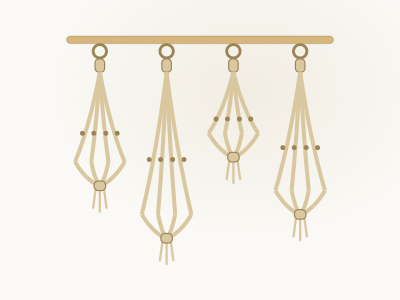
Extras for your String of Pearls
Was this helpful?
Your answer helps us improve this page.
Your answer didn't go through. Please try again.
Thanks for your feedback!
Similar plants
Plants like this one
Free care tools
Keep your String of Pearls thriving.
Get a watering schedule for your conditions, or work out what's wrong when something looks off.