Hanging Plants
String of Hearts
Ceropegia woodii
In short: Bright indirect light · low water needs · not on the ASPCA plant list
Delicate trailing chains of tiny heart-shaped leaves in silver-green and purple. A romantic, fairy-tale plant for sunny spots.
- Light
- Bright Indirect
- Water
- Low
- Humidity
- Low
- Growth
- Fast
- Mature size
- Trails 6-10 feet
- Temperature
- 50–80°F (10–27°C)
Summer-Fall · Produces unique tube-shaped pink and purple flowers that look like tiny lanterns or candelabras. They are small but intricate and fascinating up c...
Last updated
Overview
String of Hearts: Nature's Love Letter
Ceropegia woodii is a dainty trailing succulent with tiny heart-shaped leaves patterned in silver-green with purple undersides. Thin, wire-like stems create a romantic, fairy-tale cascade.
Charming Cascade
Mature String of Hearts can trail 6-10 feet, creating a living curtain of tiny hearts. Backlit in a sunny window, the silver patterning and translucent leaves glow beautifully.
Varieties
- Classic: Silver-green hearts with purple backs
- Variegata: Pink, cream, and green coloring
- Silver Glory: Extra-silvery leaves
Semi-succulent and surprisingly tough, String of Hearts thrives with the same care as most succulents — bright light and infrequent watering.
Watering
Water when soil is completely dry. Semi-succulent tuberous roots store water — overwatering is the biggest killer. Every 10-14 days in summer, every 3-4 weeks in winter. When in doubt, wait. The leaves wrinkle slightly when truly thirsty.

Light
Bright indirect light with some direct morning sun. At least 3-4 hours of bright light daily. More light = denser, more colorful growth. Variegated types need even more light. Leggy, sparse growth indicates insufficient light.

Soil
Fast-draining succulent/cactus mix. Add extra perlite. These are semi-succulent tuber plants that rot in moisture-retentive soil. Small, shallow pots work best.

Fertilizing
Feed monthly during growing season with diluted succulent fertilizer. Very light feeder. Stop in winter. Over-fertilizing causes soft, weak growth.

Propagation
Several methods: butterfly method (cut individual leaf pairs and press into soil), water propagation of vine cuttings, or planting the small aerial tubers that form along stems. All methods work well. Roots in 2-4 weeks.

Repotting
Every 2-3 years. The tuber at the base should sit at soil level. Use a shallow pot with drainage. Handle delicate vines carefully during repotting.
Common problems
Sparse growth at top: Natural. Coil vines back on top of soil — they root at nodes and fill in.
Mushy tuber: Overwatering. Reduce drastically.
Pale, small leaves: Not enough light.
Leaves falling off: Overwatering or cold damage.
Pro tips
Coiling trick: Lay strands back on top of the soil to root at nodes — creates a denser, fuller plant.
Aerial tubers: Small tubers form along the vine. Press these into soil for new plants — free propagation!
Backlight them: Place where sunlight shines through the leaves — the silver pattern glows beautifully.
FAQ
String of Hearts questions
Starter kit
Get set up for your String of Hearts
Untick anything you already have.
The basics

Extras for your String of Hearts
Was this helpful?
Your answer helps us improve this page.
Your answer didn't go through. Please try again.
Thanks for your feedback!
Similar plants
Plants like this one

Philodendron Brasil
Philodendron hederaceum 'Brasil'

Philodendron Micans
Philodendron hederaceum 'Micans'
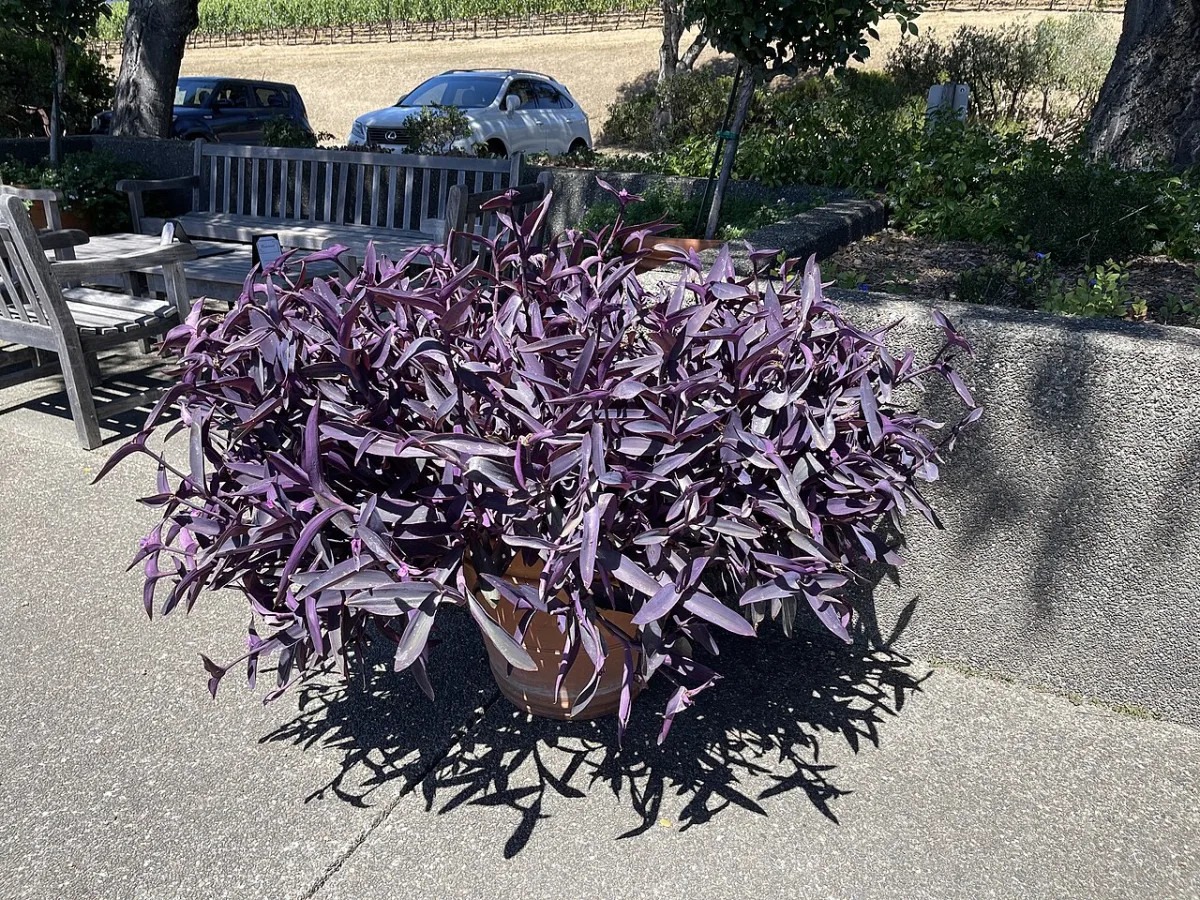
Tradescantia
Tradescantia zebrina
 Non-toxic to pets
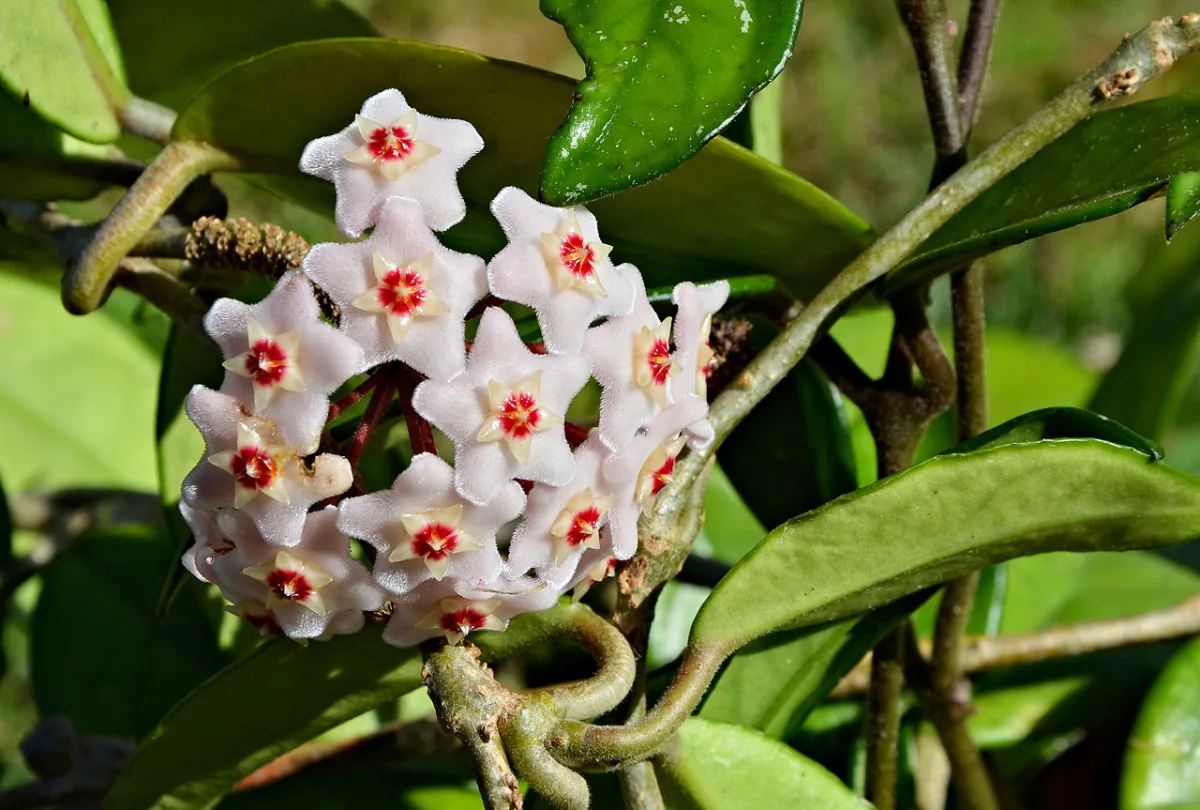
Hoya
Hoya carnosa
Free care tools
Keep your String of Hearts thriving.
Get a watering schedule for your conditions, or work out what's wrong when something looks off.