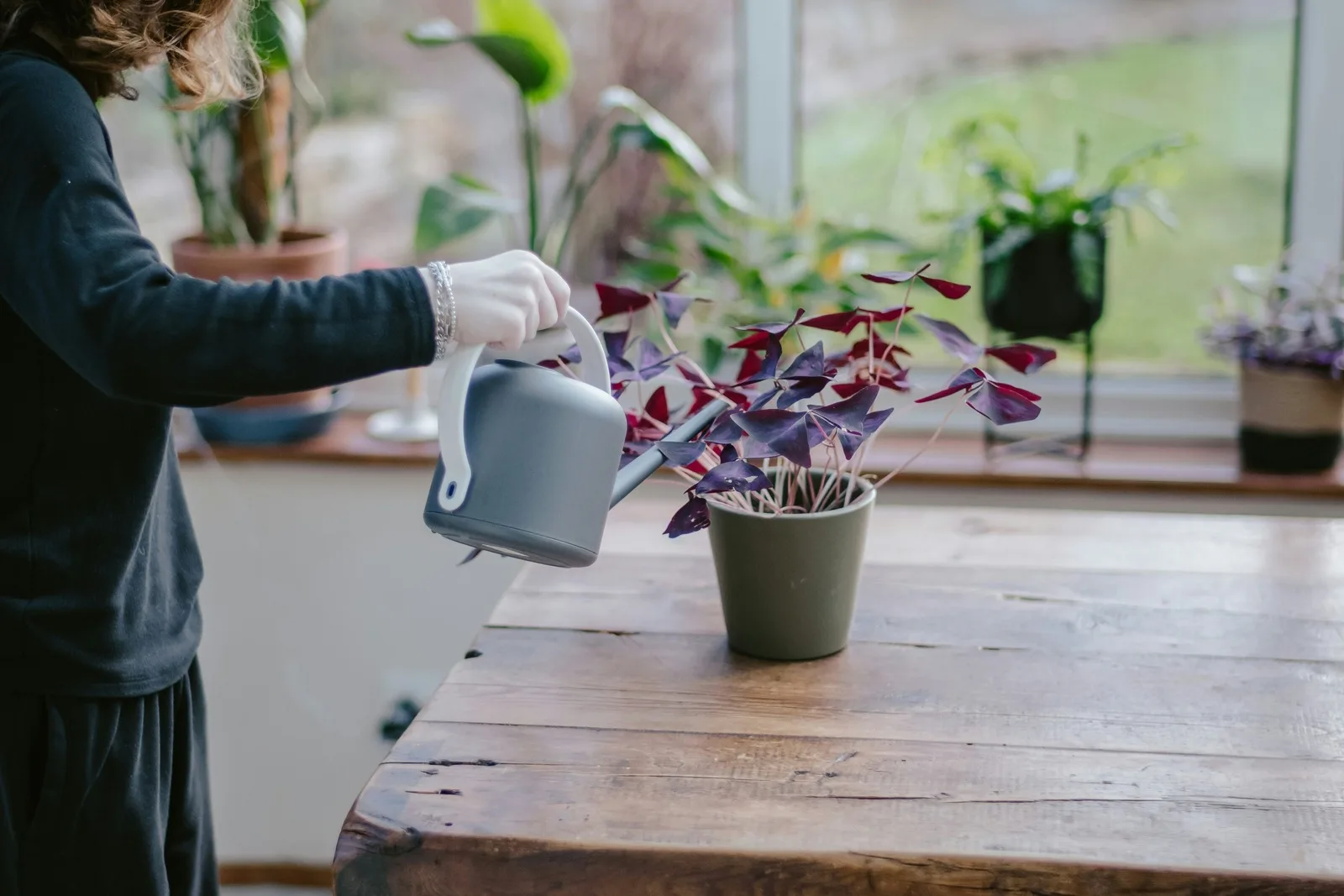
Plants are living decor, and how you display your houseplants matters just as much as which plants you choose. A Monstera in a basic nursery pot on the floor has a completely different impact than the same plant in a ceramic pot on a mid-century stand by a bright window. These 15 styling tips will help you arrange your collection like an interior designer, not a garden center shelf.
1. Use the Rule of Odds
Group plants in odd numbers (3, 5, 7). Our brains find odd-numbered groupings more visually interesting and natural than even numbers. Three plants of varying heights on a shelf will always look better than two or four. This principle comes from design and photography — odd numbers create asymmetry, which feels dynamic and organic rather than rigid and staged. Try a group of three on a side table: one tall (Snake Plant), one medium (Peperomia), one trailing (Pothos in a small pot).
2. Vary the Heights
Create visual interest by combining tall floor plants, medium tabletop plants, and trailing plants at different levels. The key is creating a cascade that guides the eye from high to low. Use these tools to add vertical dimension:
- Plant stands: Instantly elevate a medium plant to eye level. Mid-century wooden stands are timeless.
- Stacked books: A stack of hardcovers under a pot adds height and a bohemian touch.
- Wall-mounted shelves: Create floating displays at various heights along a wall.
- Hanging planters: Add overhead greenery for a true jungle effect.
- Stools and side tables: Repurpose small furniture as plant platforms.
A great formula: tall Fiddle Leaf Fig on the floor, medium Monstera on a stand at counter height, trailing Pothos on a shelf above. Three levels, three textures, one cohesive display.
3. Choose One Statement Plant Per Room
One large, dramatic plant has more impact than a dozen small ones scattered randomly. A 5-foot Fiddle Leaf Fig, a mature Monstera deliciosa, a Bird of Paradise, or a tall Dracaena — any of these commands attention as a focal point. Place your statement plant where it naturally draws the eye: beside a sofa, in an empty corner, or flanking an entryway. Then supplement with smaller plants that complement rather than compete.
Good statement plant options:
- Monstera deliciosa — dramatic split leaves, tropical vibe
- Fiddle Leaf Fig — tall, sculptural, modern appeal
- Bird of Paradise — large paddle-like leaves, architectural
- Rubber Plant (Ficus elastica) — glossy burgundy or dark green leaves, tree-like form
- Parlor Palm or Areca Palm — feathery fronds, instant tropical feel
4. Match Pots to Your Aesthetic
Mismatched pots from the nursery make any space look cluttered. Pick a pot palette that matches your interior style:
- Modern/minimal: White or matte black ceramics, clean geometric lines, concrete. Think simple forms, no patterns.
- Boho: Mix terracotta, woven seagrass baskets, macrame hangers, and hand-painted ceramics. Embrace texture and warmth.
- Mid-century: Wooden plant stands with spun ceramic pots in earthy tones — mustard, olive, rust. Walnut or teak stands.
- Scandinavian: Simple white or light gray pots, natural materials, minimal decoration. Let the plant be the color.
- Industrial: Concrete pots, metal plant stands, dark ceramics. Pair with trailing plants to soften hard edges.
Pro Tip
You do not need to repot every plant into a decorative pot. Use cachepots: keep the plant in its nursery pot (with drainage) and set it inside a prettier pot. This gives you easier maintenance, better drainage, and total flexibility to swap looks seasonally or when you redecorate.
5. Use Trailing Plants on High Shelves
Trailing plants like Pothos, String of Pearls, Heartleaf Philodendron, and Tradescantia look best cascading from high shelves, the tops of bookcases, or wall-mounted planters. The trailing vines add movement and draw the eye downward, creating a waterfall effect that softens hard edges. Best placement: the top shelf of a bookcase, above kitchen cabinets, or in wall-mounted planters at ceiling height. Let vines grow at least 2-3 feet long for maximum effect before trimming.
6. Create a Plant Corner
Instead of spreading plants thinly across the house, concentrate them in one corner for maximum impact. A corner with 5-8 plants of varying sizes creates a lush, jungle-like effect that becomes a room feature. Layer them: tallest in the back, medium on stands in the middle, small and trailing in the front. Bonus: grouped plants also create a humidity microclimate that benefits all of them. Choose a corner near a window for the best light exposure.
7. Frame a Window
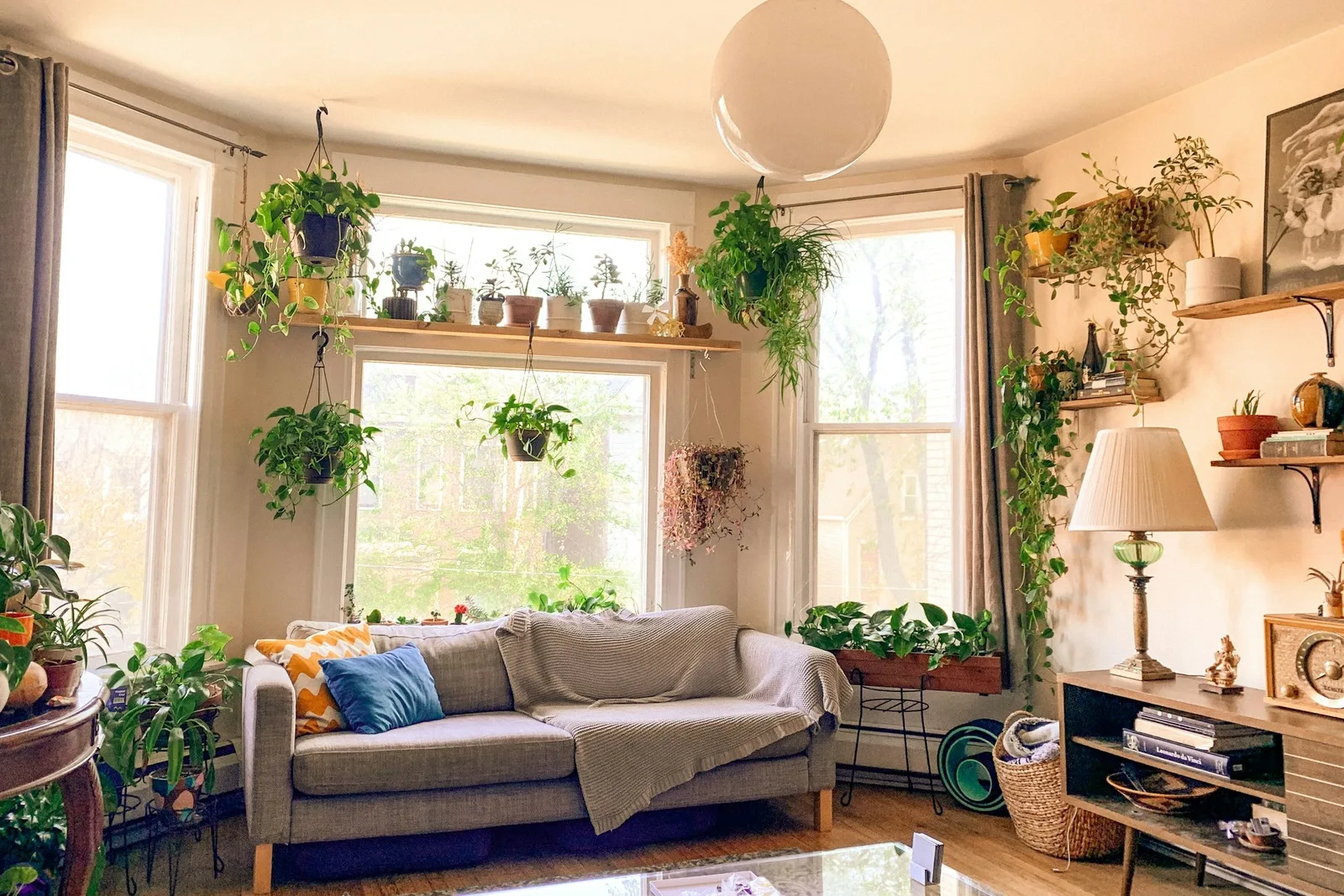
Place plants on both sides of a window and let trailing plants drape down from window-height shelves or tension rod planters. This frames the window with greenery and takes advantage of the best light in the room. Hanging plants in the window itself (using suction cup planters or ceiling hooks) create a living curtain effect. Best plants for window framing: Pothos, String of Hearts, Spider Plant (with cascading spiderettes), and Heartleaf Philodendron.
8. Use Plants as Room Dividers
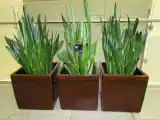
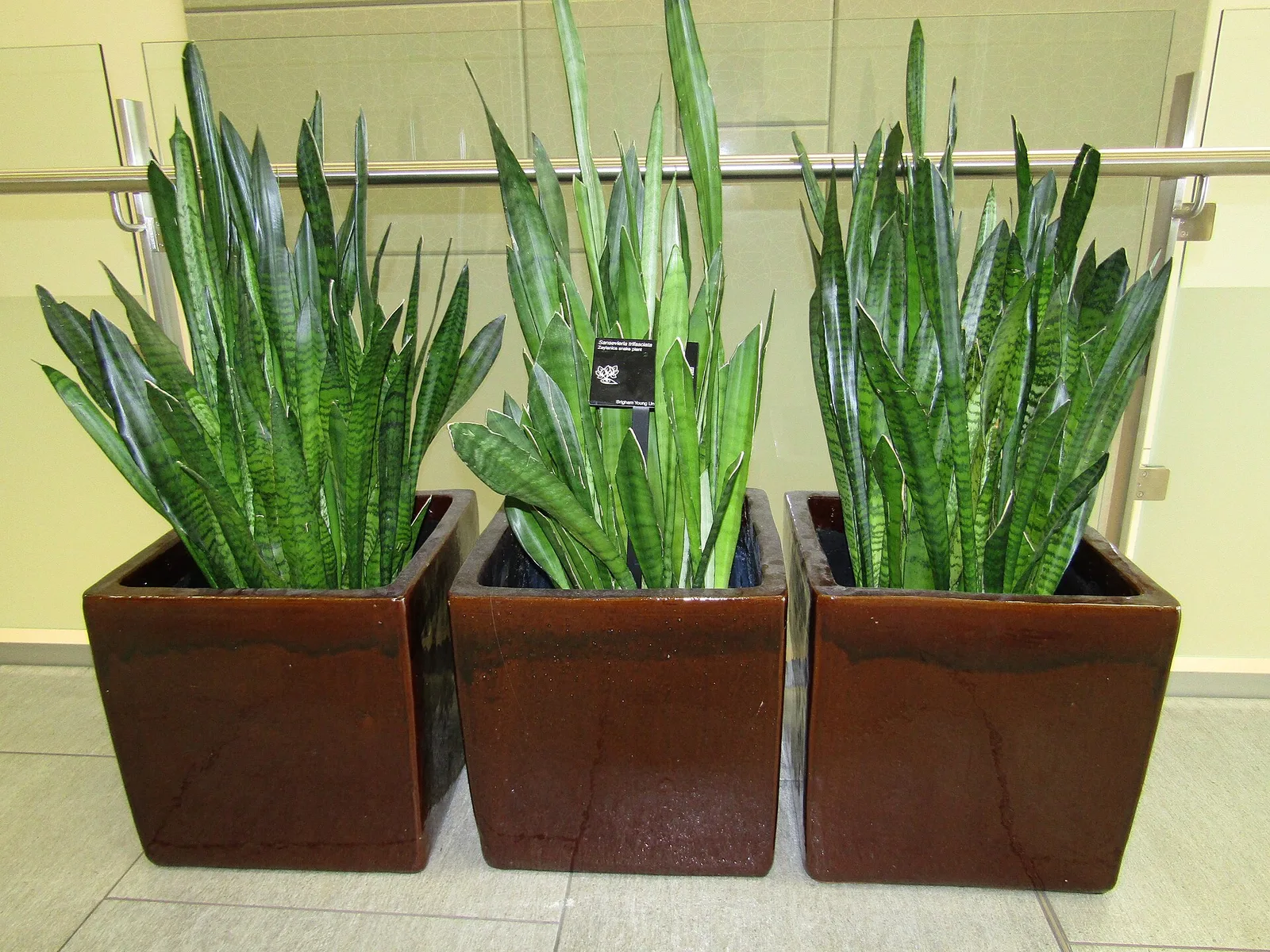
In open-plan spaces, a row of tall plants can visually separate living areas without blocking light or feeling heavy like furniture dividers. Line up 3-5 plants of similar height along the boundary. Snake Plants create a modern, geometric divider. Fiddle Leaf Figs or Bird of Paradise create a tropical screen. Even a rolling plant shelf with multiple smaller plants works as a beautiful, movable partition.
9. Do Not Forget the Bathroom
Bathrooms offer high humidity that tropical plants love, and the contrast of greenery against tile looks stunning. Ferns, Pothos, and Calatheas thrive in bright bathrooms. Even a single plant on the vanity or a hanging Boston Fern above the bathtub transforms the space from clinical to spa-like. No window? A ZZ Plant or Snake Plant can survive on artificial light, or add a small grow light for more options.
10. Style the Negative Space
Not every surface needs a plant. Leave breathing room around your displays. A single beautiful Monstera with space around it feels intentional and designed. A shelf crammed with 15 small plants feels cluttered, no matter how healthy they are. Edit ruthlessly — sometimes removing one plant makes the whole arrangement better. White space (or empty surface space) is part of the design.
11. Color-Coordinate Your Pots
Pick 2-3 pot colors and stick with them throughout a room. A unified pot palette creates visual harmony even with different plant species. Some winning combinations:
- White + terracotta: Classic, clean, works in any room
- Matte black + brass: Sophisticated, modern, pairs well with dark green foliage
- Sage green + cream: Soft, organic, Scandinavian feel
- Mixed terracotta tones: Warm, bohemian, naturally cohesive
The easiest approach: choose one neutral pot color (white, cream, or terracotta) for most plants, then add 1-2 accent pots in a complementary color for visual punctuation.
12. Master Height Variation Techniques
Beyond plant stands, here are creative ways to add height to your displays:
- Inverted pots as risers: Turn an empty terracotta pot upside down and set another pot on top. Instant, cohesive height.
- Wooden crates: Stack or stand them upright for rustic, adjustable platforms.
- Floating shelves at staggered heights: Install 3 shelves at different levels on the same wall for a gallery-style display.
- Ladder shelves: A vintage wooden ladder leaned against a wall creates graduated levels perfect for small-to-medium plants.
- Ceiling-to-floor combo: Hang a trailing plant from the ceiling directly above a floor plant to create a single green column.
13. Create a Perfect Shelfie
Plant shelfies (shelf + selfie) are an art form. Follow these composition rules:
- Anchor with a focal plant: Place one standout plant (like a unique Calathea or variegated Monstera) off-center on the shelf.
- Mix plant sizes: One medium, two small, one trailing that drapes over the edge.
- Add non-plant elements: A small book stack, a candle, a ceramic object. This prevents the shelf from looking like a nursery display and adds personality.
- Leave 30% of shelf space empty: Negative space is essential. An overcrowded shelf looks messy regardless of how beautiful the plants are.
- Vary textures: Combine a spiky succulent with a soft fern and a glossy Pothos. Textural contrast keeps the eye moving.
14. Room-by-Room Styling Guide
Living Room
The main stage for plant styling. Anchor with 1-2 statement plants (Monstera, Fiddle Leaf Fig) near the largest light source. Add trailing plants on bookshelves and a small cluster on the coffee table or side tables. Total: 5-10 plants feels lush without being overwhelming.
Bedroom
Keep it calming. One medium plant on a nightstand (Snake Plant for nighttime oxygen), one trailing plant on a dresser, and optionally a floor plant in a corner. Avoid overcrowding — the bedroom should feel restful. Stick to 2-4 plants.
Kitchen
Herbs in a sunny windowsill serve double duty as decor and ingredients. A trailing Pothos on top of the fridge or above the cabinets adds greenery without taking counter space. Avoid placing plants near the stove (heat and grease). Total: 2-5 plants.
Bathroom
Humidity-loving plants thrive here. A hanging Boston Fern above the shower, a Calathea on the vanity, or air plants on a shelf. If light is limited, stick to low-light tolerants like Pothos or ZZ Plant. Total: 1-3 plants.
Home Office
Many people find that plants on a desk make a workspace feel calmer. A compact Peperomia or small Snake Plant on the desk, a larger plant like a Dracaena in the corner. Total: 2-4 plants.
Entryway
Make an instant impression. A single dramatic plant (tall Snake Plant, Fiddle Leaf Fig, or ZZ Plant) near the front door signals that this is a plant-friendly home. Total: 1-2 plants.
15. Before and After: The Transformation
Imagine a typical living room corner: empty, generic, forgettable. Now picture this same corner with a 4-foot Monstera in a white ceramic pot on a walnut mid-century stand, a trailing Pothos in a macrame hanger above it, and two small succulents in matching terracotta pots on a floating shelf nearby. Same corner, same furniture — but the space now feels alive, intentional, and personal. That is the power of thoughtful plant styling.
Pro Tip
Take a photo of your room before and after adding plants. The camera sees what your eyes stop noticing over time. Use the photo to evaluate balance, identify empty spots, and check that the arrangement looks intentional from the room doorway — the first angle most people see when entering.
Styling Mistakes to Avoid
- Prioritizing aesthetics over plant needs. That dark corner looks perfect for a big plant, but if there is no light, the plant will suffer and eventually die. Always style around the light — find the spots where both the design and the plant work.
- Using pots without drainage. Style matters, but root rot matters more. Always ensure proper drainage, even if it means using a cachepot setup with a functional inner pot.
- Ignoring scale. A tiny succulent on a massive console table looks lost. A huge Fiddle Leaf Fig on a small side table looks overwhelming and risks tipping. Match plant size to the space it occupies.
- Cluttering every surface. More plants does not always mean better design. Curate and edit. A few well-placed plants with breathing room look more intentional than plants crammed on every available surface.
- Matching everything too perfectly. A room where every pot is identical and every plant is the same height looks staged and boring. Intentional variation in pots, plants, and heights creates visual interest.
Frequently Asked Questions
How many plants should I group together on a shelf or table?
Group plants in odd numbers such as 3, 5 or 7, which tend to look more natural than even groupings. A group of three with one tall, one medium and one trailing plant works well on a side table.
Can I use a decorative pot without drainage holes?
Yes, as a cachepot. Keep the plant in its nursery pot with drainage and set it inside the decorative pot. This protects against root rot and makes it easy to swap looks when you redecorate.
How many plants should I put in a living room or bedroom?
As a rough guide, 5-10 plants feels lush without being overwhelming in a living room, while 2-4 plants keeps a bedroom feeling restful.