Tropical Plants
Monstera Deliciosa
Monstera deliciosa
In short: Bright indirect light · medium water needs · toxic to cats and dogs (ASPCA)
Full Monstera Deliciosa care guideThe iconic Swiss Cheese Plant with dramatic split leaves. A fast-growing tropical must-have for any indoor jungle enthusiast.
- Light
- Bright Indirect
- Water
- Medium
- Humidity
- Average
- Growth
- Fast
- Mature size
- 6-8 feet indoors
- Temperature
- 65–85°F (18–29°C)
Rarely blooms indoors. In the wild produces a spadix flower and edible fruit (hence "deliciosa") that tastes like a mix of banana and pineapple.
Last updated
Overview
Monstera Deliciosa: The Swiss Cheese Plant
Monstera deliciosa is a widely grown, iconic houseplant. Its large, glossy, heart-shaped leaves develop characteristic splits and holes (fenestrations) as the plant matures, giving it dramatic tropical appeal.
Why Everyone Wants One
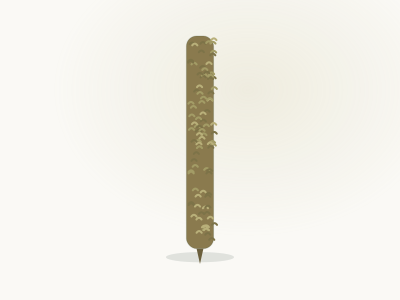
Fast-growing, forgiving, and photogenic — Monstera checks every box. Give it a moss pole and watch it transform from a modest tabletop plant into a towering tropical showpiece.
Varieties
- Deliciosa: Classic large leaves with splits
- Borsigiana: Smaller, faster-growing variety
- Thai Constellation: Cream-speckled variegation
- Albo Variegata: White-sector variegation (rare)
Native to Central American rainforests, Monstera climbs trees using aerial roots to reach the forest canopy. Indoors, a moss pole mimics this natural support.

Watering
Water when top 2 inches of soil feel dry — typically weekly in summer, every 10-14 days in winter. Water thoroughly and drain. Monstera prefers consistent moisture but never soggy soil. Yellow leaves usually signal overwatering.

Light
Thrives in bright, indirect light. Tolerates some direct morning sun. Avoid harsh afternoon sunlight which burns leaves. In low light, growth slows significantly and new leaves will not develop fenestrations. More light = more splits.

Soil
Well-draining, chunky mix. Combine potting soil, perlite, and orchid bark in a 2:1:1 ratio. The aerial roots appreciate the airy texture. Good drainage prevents root rot.

Fertilizing
Feed monthly during spring and summer with balanced liquid fertilizer at half strength. Stop in winter. A fertilizer with slightly higher nitrogen encourages larger leaves.

Propagation
Easy from stem cuttings. Cut below a node with an aerial root, place in water until roots are 2-3 inches long (2-4 weeks), then pot in soil. Can also propagate directly in moist perlite or sphagnum moss.

Repotting
Repot every 1-2 years in spring, moving to a pot 2 inches larger. Fast growers may need annual repotting. Add a moss pole at repotting time for support. Use a heavy pot — they get top-heavy.
Common problems
Yellow leaves: Usually overwatering. Let soil dry more between waterings.
Brown leaf tips: Low humidity. Mist or use humidifier.
No fenestrations: Not enough light or plant is too young. Leaves split more with age and bright light.
Leggy growth: Needs more light and a support structure to climb.
Pro tips
Moss pole magic: Give it something to climb — leaves grow dramatically larger when the plant grows vertically.
Aerial roots: Do not cut them. Direct them into the soil or moss pole. They help the plant absorb water and nutrients.
Clean leaves: Wipe with a damp cloth monthly. Dust reduces photosynthesis.

FAQ
Monstera Deliciosa questions
Starter kit
Get set up for your Monstera Deliciosa
Untick anything you already have.
The basics


Extras for your Monstera Deliciosa
Was this helpful?
Your answer helps us improve this page.
Your answer didn't go through. Please try again.
Thanks for your feedback!
Plant hub
Everything about Monstera Deliciosa
Step-by-step guides


Articles & tips



Similar plants
Plants like this one
 Non-toxic to pets
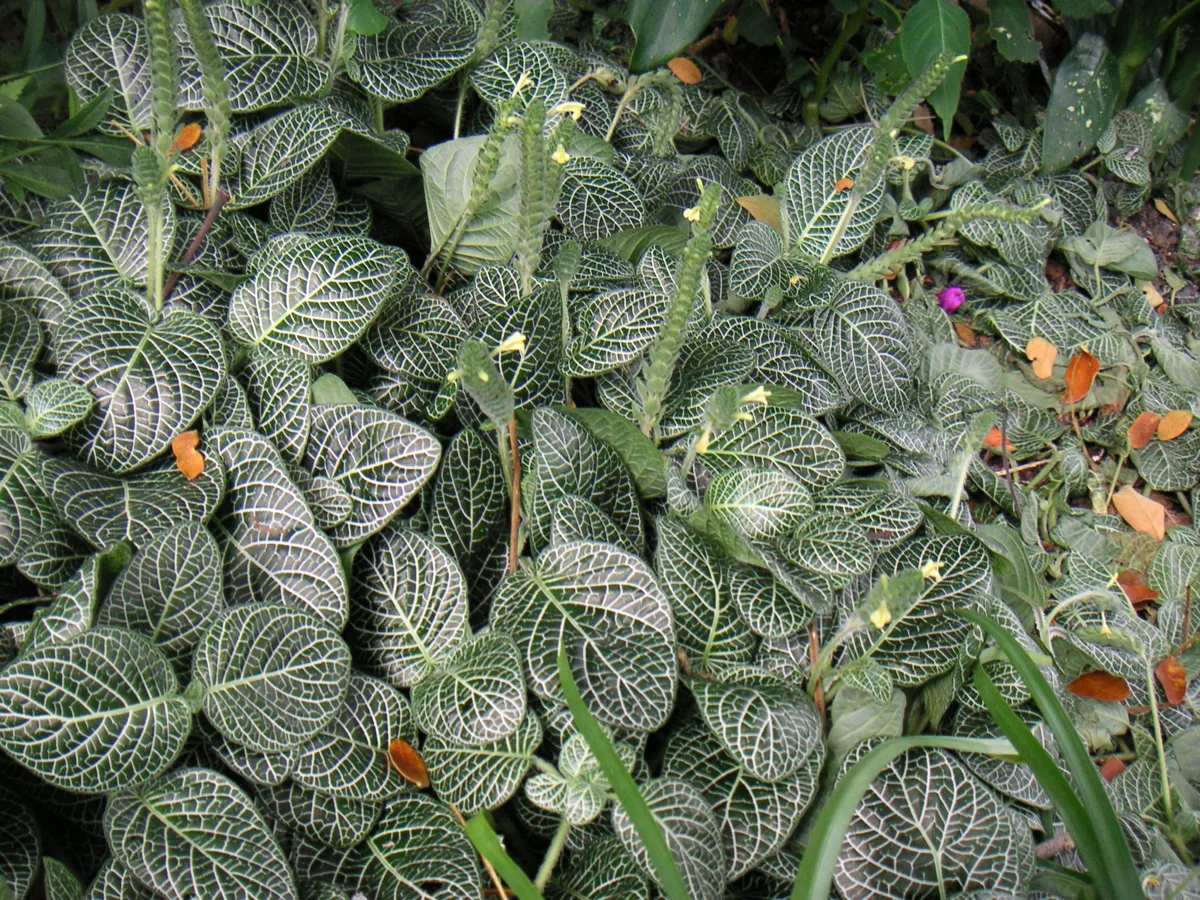
Nerve Plant
Fittonia albivenis
 Non-toxic to pets
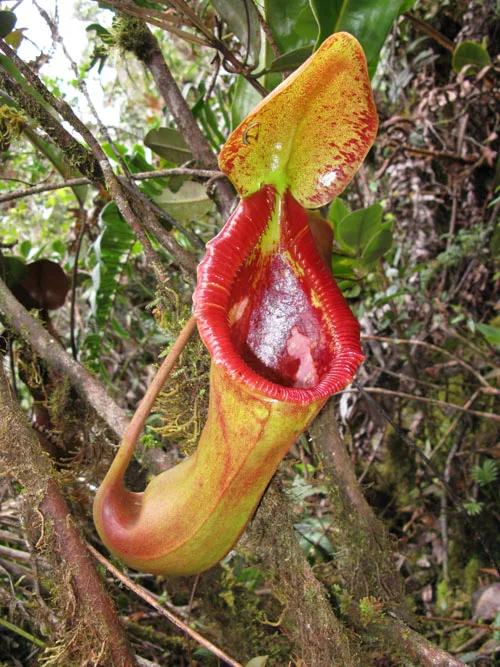
Pitcher Plant
Nepenthes
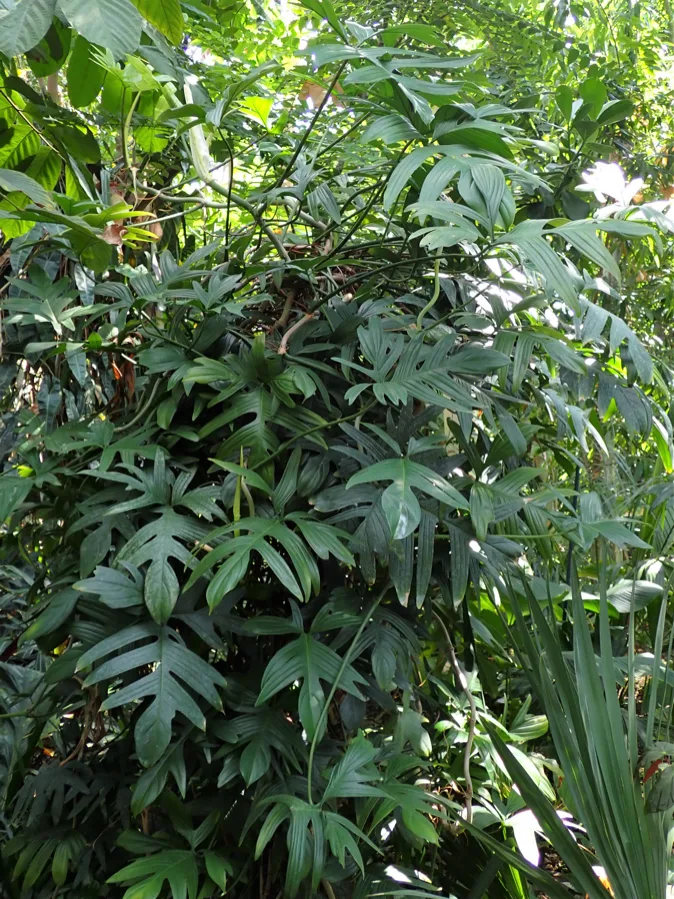
Philodendron Florida Ghost
Philodendron 'Florida Ghost'
 Non-toxic to pets
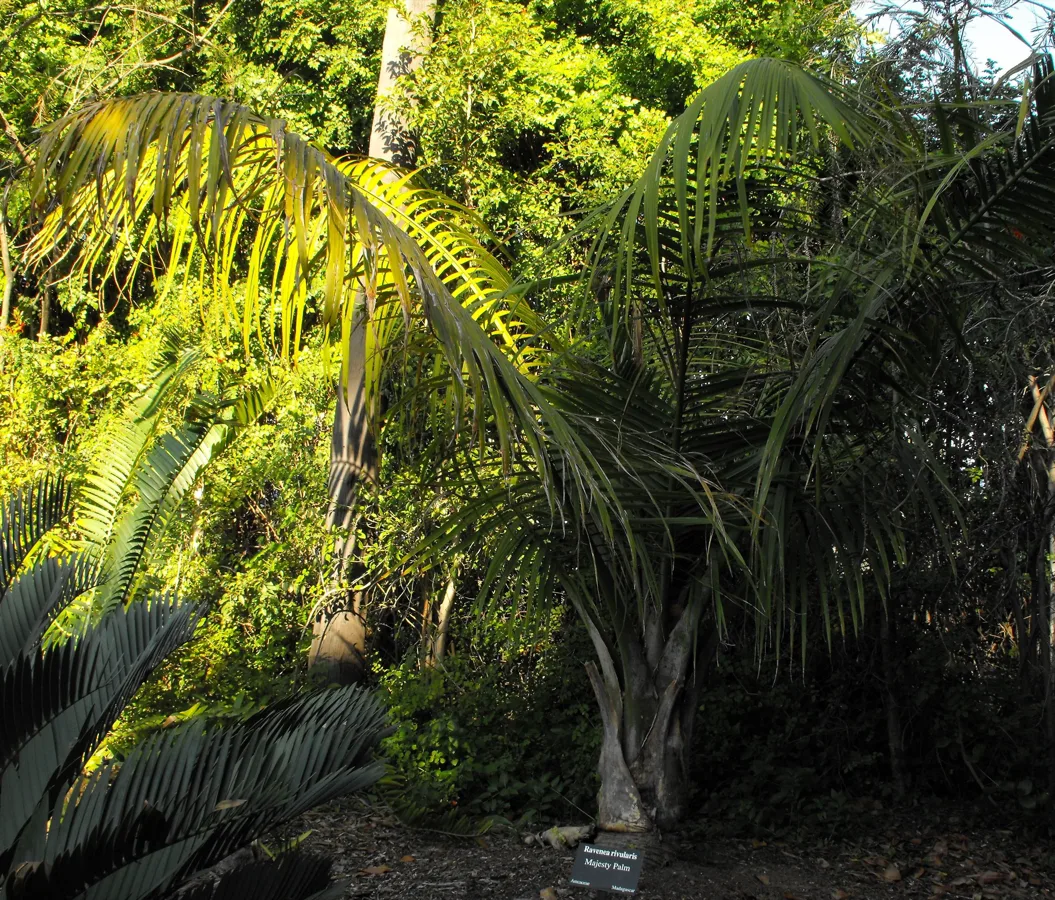
Majesty Palm
Ravenea rivularis
Free care tools
Keep your Monstera Deliciosa thriving.
Get a watering schedule for your conditions, or work out what's wrong when something looks off.