Hanging Plants
Satin Pothos
Scindapsus pictus
In short: Bright indirect light · medium water needs · toxic to cats and dogs (ASPCA)
Velvety leaves with shimmering silver splashes make the Satin Pothos an elegant trailing plant for shelves and hanging baskets.
- Light
- Bright Indirect
- Water
- Medium
- Humidity
- Average
- Growth
- Medium
- Mature size
- 3-6 feet trailing
- Temperature
- 60–85°F (16–29°C)
Satin Pothos does not bloom indoors. In the wild, mature plants may produce inconspicuous spathe-type flowers, but this is virtually never seen in cultivation.
Last updated
Overview
Why the Satin Pothos Is Simply Stunning
The Satin Pothos (Scindapsus pictus) is one of those plants that looks expensive. Its heart-shaped, velvety leaves feature shimmering silver splotches that catch the light beautifully. Despite not being a true Pothos (it's a Scindapsus), it shares the same easy-going, trailing nature that makes hanging plants so popular.
Elegant Trailing Habit
With vines that can trail 3-6 feet or more, the Satin Pothos is stunning cascading from a high shelf, hanging basket, or climbing up a moss pole. The matte texture and metallic sparkle of the leaves add sophistication to any room — it's the kind of plant that elevates a space.
Popular Varieties
- Argyraeus: Small leaves with distinct silver spots — the classic variety
- Exotica: Larger leaves with dramatic, splashy silver patches
- Silver Splash: Heavy silver variegation covering most of the leaf
- Silvery Ann: Almost entirely silver leaves — the most variegated form
Important: Toxic to Pets
The Satin Pothos contains calcium oxalate crystals and is toxic to cats and dogs. Keep it on high shelves or in hanging planters out of reach.
Watering
Water when the top 1-2 inches of soil feel dry — typically every 7-10 days. The Satin Pothos is more sensitive to overwatering than its true Pothos cousins. Leaves will curl inward when thirsty, which is a helpful signal. Reduce watering in winter.
Tip: Curling leaves = thirsty. Yellow leaves = overwatered. The plant communicates clearly.

Light
Bright, indirect light keeps the silver variegation vivid and striking. Medium light is tolerated, but the silver markings will become less pronounced. Avoid direct sun, which can scorch the delicate leaves. A few feet from a bright window is the sweet spot.

Soil
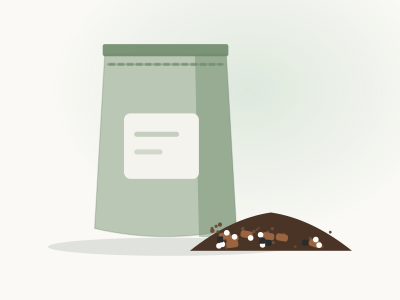
A well-draining aroid mix works best. Combine potting soil with perlite and orchid bark in a 2:1:1 ratio. Good drainage is essential since Satin Pothos roots are prone to rot in heavy, wet soil.
Fertilizing
Feed monthly during spring and summer with a balanced liquid fertilizer at half strength. Skip winter feeding entirely. Over-fertilizing can cause brown leaf edges and salt buildup.
Propagation
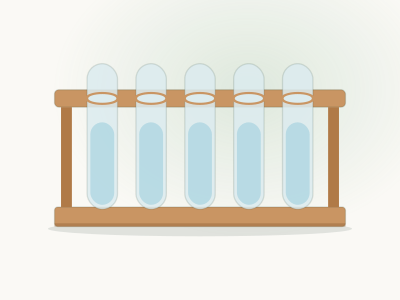
Propagate easily from stem cuttings. Cut below a node (the small bump on the stem), place in water or moist perlite, and roots appear in 2-4 weeks. Each cutting needs at least one node and one leaf. Water propagation lets you watch roots grow.
Repotting
Repot every 1-2 years when roots start circling the pot or growing through drainage holes. Go up one pot size in spring. Fresh soil gives a nice growth boost.
Common problems
Curling leaves: Underwatering — the plant's way of conserving moisture. Water thoroughly.
Brown spots: Overwatering or fungal issues from wet leaves. Improve air circulation and watering habits.
Loss of silver pattern: Insufficient light. Move to a brighter spot to restore the variegation.
Leggy vines: Normal with age. Prune back to encourage bushier growth, and use cuttings to propagate.
Pro tips
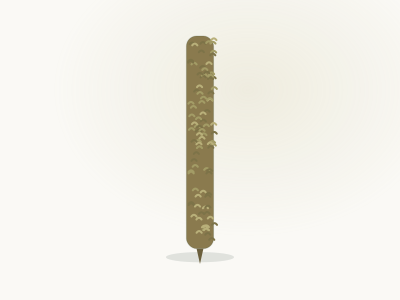
Moss pole magic: Train it up a moss pole for larger, more dramatic leaves — climbing mimics its natural habitat.
Leaf texture: The velvety texture repels water, so avoid misting directly on leaves — water the roots instead.
Pruning = fullness: Regular pruning encourages branching, resulting in a fuller, more lush plant.
Keep high: Its toxic nature makes high shelves and hanging baskets the ideal placement with pets.

FAQ
Satin Pothos questions
Starter kit
Get set up for your Satin Pothos
Untick anything you already have.
The basics


Extras for your Satin Pothos
Was this helpful?
Your answer helps us improve this page.
Your answer didn't go through. Please try again.
Thanks for your feedback!
Similar plants
Plants like this one
 Non-toxic to pets
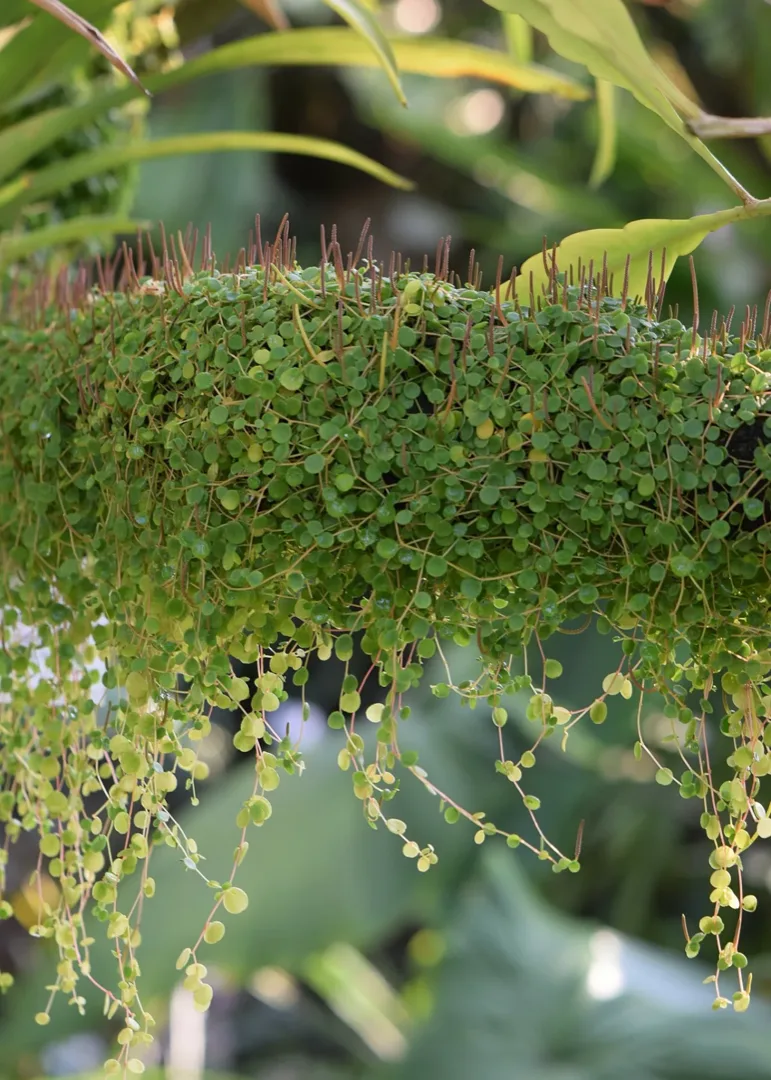
String of Turtles
Peperomia prostrata
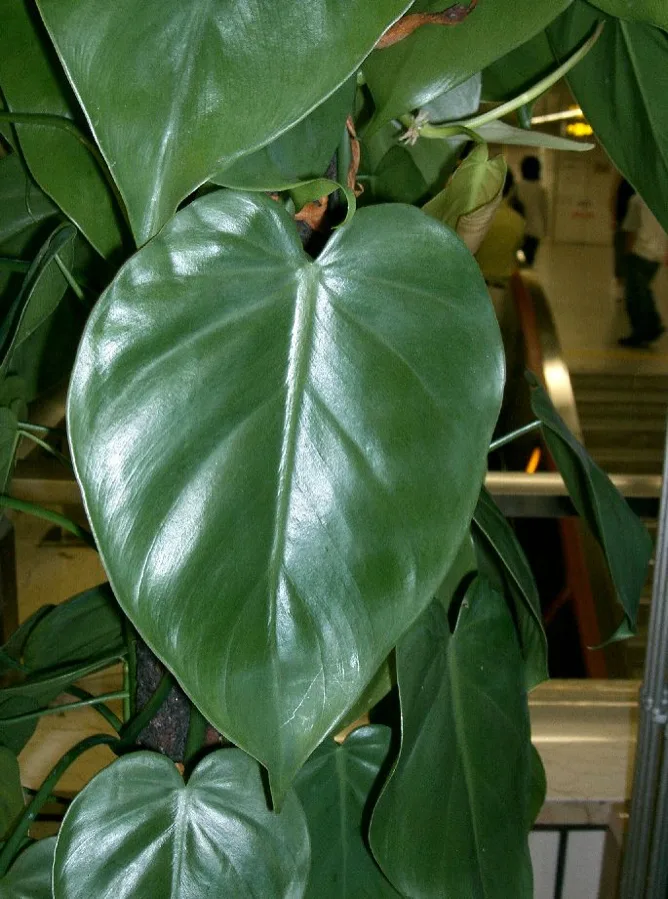
Philodendron Brasil
Philodendron hederaceum 'Brasil'
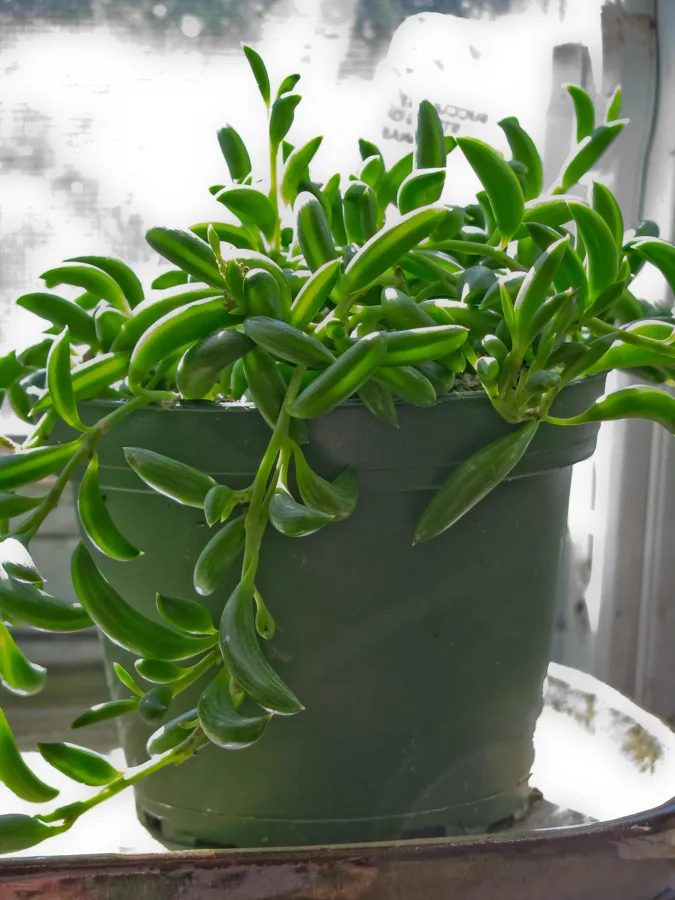
String of Bananas
Senecio radicans
 Non-toxic to pets
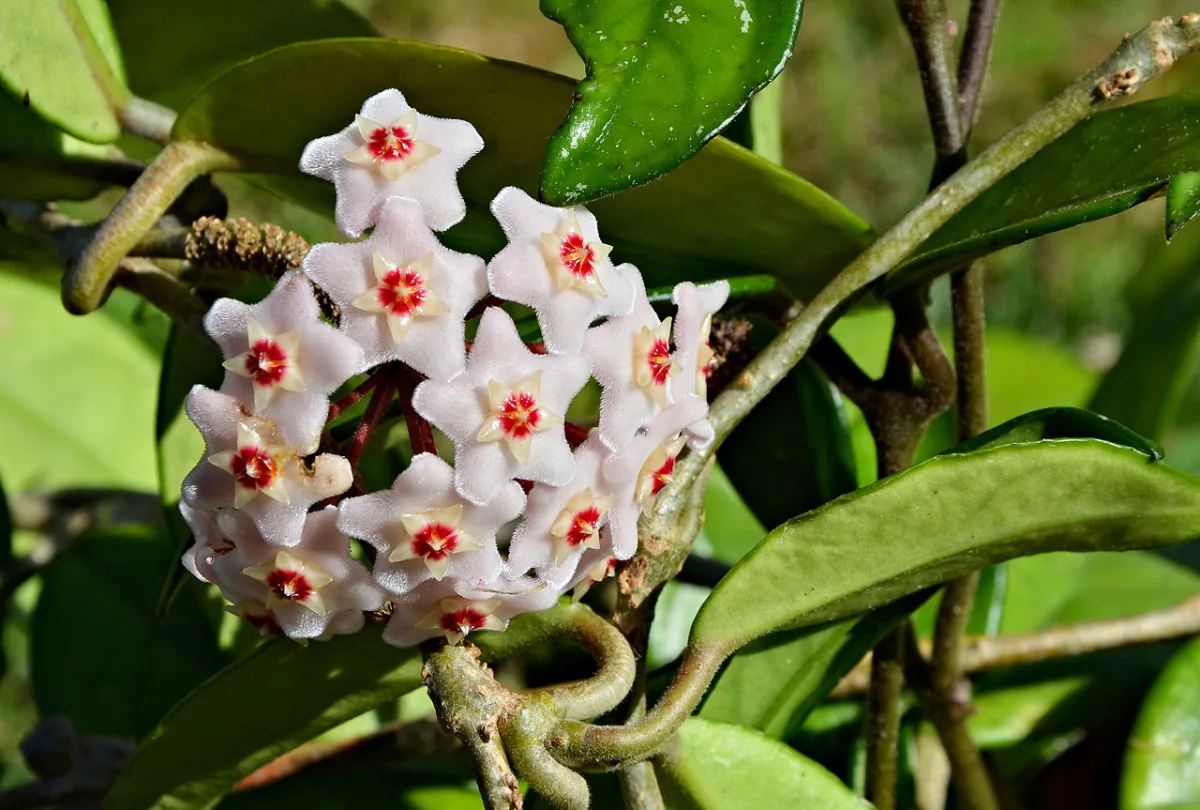
Hoya
Hoya carnosa
Free care tools
Keep your Satin Pothos thriving.
Get a watering schedule for your conditions, or work out what's wrong when something looks off.