Hanging Plants
Hoya
Hoya carnosa
In short: Bright indirect light · low water needs · non-toxic to cats and dogs (ASPCA)
Waxy-leaved trailing vine that produces spectacular fragrant flower clusters. A rewarding collector plant with hundreds of species.
- Light
- Bright Indirect
- Water
- Low
- Humidity
- Average
- Growth
- Slow
- Mature size
- Trails or climbs 4-8 feet
- Temperature
- 55–85°F (13–29°C)
Spring-Summer · Produces stunning clusters of 15-40 star-shaped waxy flowers. Each cluster lasts 2-3 weeks. Flowers may produce sweet nectar. Plants need maturi...
Last updated
Overview
Hoya: The Wax Plant
Hoyas are trailing or climbing vines with thick, waxy leaves and spectacular clusters of star-shaped, often fragrant flowers. Once you own one Hoya, you will want them all — they are famously collectible.
Flower Reward
The porcelain-like flower clusters are worth the wait. They look like they are made of wax or sugar, often produce nectar droplets, and fill a room with sweet fragrance — especially at night.
Popular Species
- Carnosa: Classic with pink flower clusters
- Kerrii: Heart-shaped leaves (sweetheart plant)
- Pubicalyx: Splash-patterned leaves, vigorous grower
- Compacta: Curled, rope-like leaves (Hindu Rope)
Semi-succulent and surprisingly drought-tolerant, Hoyas are lower-maintenance than they look.
Watering
Allow soil to dry out between waterings. Semi-succulent leaves store water, so err on the dry side. Water thoroughly when you do water, then let drain completely. Every 7-10 days in summer, every 2-3 weeks in winter. Slightly drying actually encourages flowering.

Light
Bright indirect light for best growth and flowering. Some direct morning sun is beneficial. East or south-facing window ideal. Too little light = no flowers. Variegated types need more light.

Soil
Very well-draining, airy mix. Orchid bark, perlite, and potting soil in equal parts. As semi-epiphytes, they need air around their roots. Standard potting soil is too dense.

Fertilizing
Feed monthly during spring and summer with balanced fertilizer. A bloom-boosting formula with higher phosphorus encourages flowering. Stop in fall/winter.

Propagation
Stem cuttings with 2-3 nodes root easily in water, perlite, or sphagnum moss. Roots appear in 3-6 weeks. Can also propagate by layering — pin a vine to soil and it roots at nodes.
Repotting
Every 2-3 years. Hoyas prefer being root-bound — tight roots actually encourage blooming. Use a pot with excellent drainage. Disturb roots minimally.
Common problems
No flowers: Needs maturity, bright light, and root-bound conditions. Patience!
Wrinkled leaves: Underwatered — give a thorough soak.
Yellow leaves: Overwatering — let dry more.
Leaf drop: Cold drafts or temperature shock.
Pro tips
Never remove flower spurs: The short stalks (peduncles) where flowers bloom will produce flowers again and again. Cutting them means no more blooms from that spot.
Root-bound = blooms: Do not rush to repot. Snug roots trigger flowering.
Night fragrance: Many Hoya flowers are most fragrant at night — place in a bedroom for evening perfume.

FAQ
Hoya questions
Starter kit
Get set up for your Hoya
Untick anything you already have.
The basics

Extras for your Hoya
Was this helpful?
Your answer helps us improve this page.
Your answer didn't go through. Please try again.
Thanks for your feedback!
Similar plants
Plants like this one
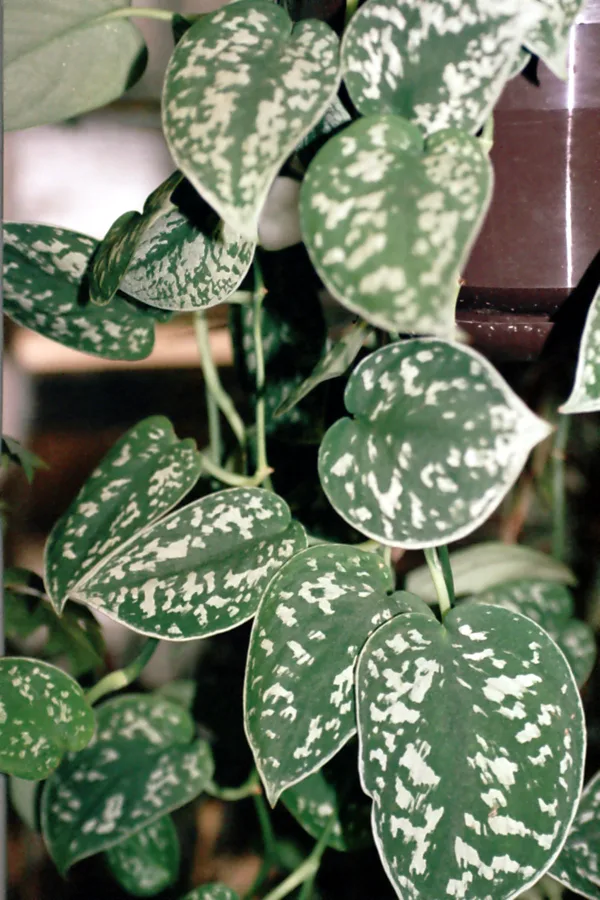
Satin Pothos
Scindapsus pictus
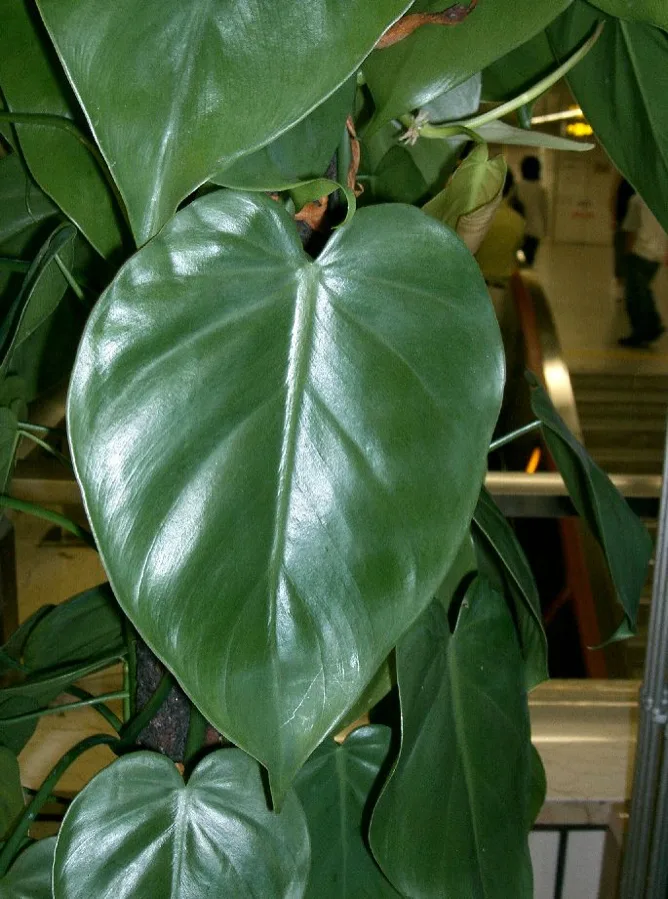
Philodendron Brasil
Philodendron hederaceum 'Brasil'
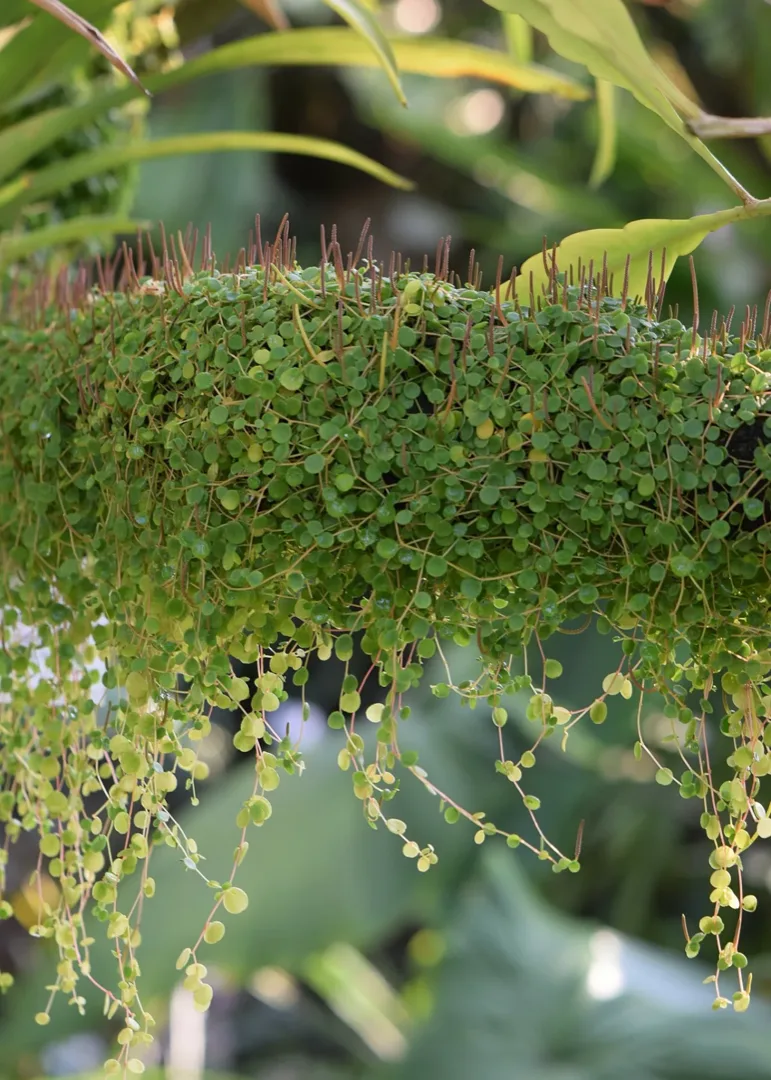 Non-toxic to pets
String of Turtles
Peperomia prostrata

Pothos
Epipremnum aureum
Free care tools
Keep your Hoya thriving.
Get a watering schedule for your conditions, or work out what's wrong when something looks off.