Hanging Plants
English Ivy
Hedera helix
In short: Bright indirect light · medium water needs · toxic to cats and dogs (ASPCA)
Classic trailing vine with elegant lobed leaves. English Ivy thrives in cool, bright conditions.
- Light
- Bright Indirect
- Water
- Medium
- Humidity
- Average
- Growth
- Fast
- Mature size
- Trails up to 6 feet indoors
- Temperature
- 45–80°F (7–27°C)
Rarely blooms indoors. Outdoor plants produce small greenish-yellow flowers followed by dark berries in their mature form.
Last updated
Overview
English Ivy: The Classic Trailing Vine
English Ivy is a timeless trailing plant with elegant, lobed leaves that brings old-world charm to any space. It often appears on NASA Clean Air Study plant lists, though at normal room scale its effect on indoor air is negligible.
Versatile Grower
Trails gracefully from baskets, climbs trellises, or creates a lush tabletop display with training. Ivy is incredibly versatile in both growth habit and placement.
Varieties
- Classic: Dark green, lobed leaves
- Glacier: Grey-green with white edges
- Gold Child: Green with gold margins
- Needlepoint: Tiny, deeply lobed leaves
Ivy prefers cooler conditions than most houseplants, making it ideal for rooms other plants find too chilly.
Watering
Keep soil evenly moist but not soggy. Water when top inch is dry. Ivy prefers consistent moisture and dislikes drying out completely. Good drainage is essential. Reduce slightly in winter but never let it go bone dry.

Light
Bright indirect light for best growth. Variegated types need more light. Tolerates medium light but grows slower. Some direct morning sun is beneficial. Avoid hot afternoon sun.

Soil
Standard well-draining potting mix. Add perlite for extra drainage. Ivy is not particular about soil composition.
Fertilizing
Feed monthly during spring and summer with balanced liquid fertilizer at half strength. Light feeder. Stop in winter when growth slows.
Propagation
Very easy from stem cuttings. Cut 4-6 inch sections, remove lower leaves, and place in water or moist soil. Roots form in 2-3 weeks. Can propagate anytime during growing season.

Repotting
Every 1-2 years. Ivy grows fast and can become root-bound quickly. Move up one pot size. Spring is best.
Common problems
Spider mites: The #1 ivy problem. Dry indoor air is their paradise. Mist regularly and check leaf undersides.
Brown crispy leaves: Too hot and dry. Ivy prefers cool, humid conditions.
Leggy growth: Not enough light. Prune and move brighter.
Leaf drop: Sudden temperature change or overwatering.
Pro tips
Cool customer: Ivy prefers temperatures of 50-70°F — cooler than most houseplants. A cool bedroom or sunroom is ideal.
Spider mite prevention: Regular misting and monthly shower rinses keep spider mites at bay.
Shape it: Train on small trellises, wire forms, or topiaries for creative displays.

FAQ
English Ivy questions
Starter kit
Get set up for your English Ivy
Untick anything you already have.
The basics


Extras for your English Ivy
Was this helpful?
Your answer helps us improve this page.
Your answer didn't go through. Please try again.
Thanks for your feedback!
Similar plants
Plants like this one
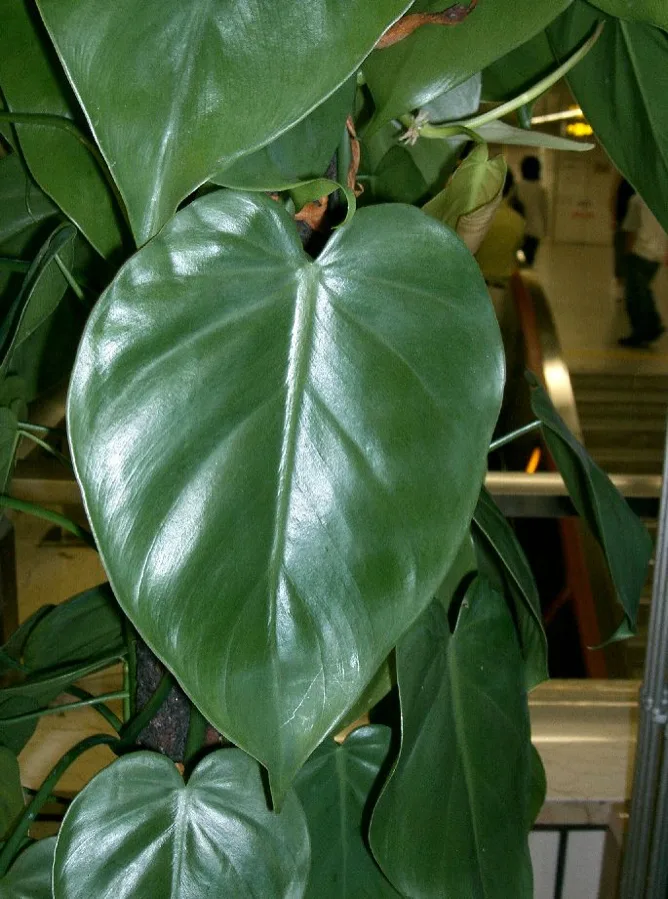
Philodendron Brasil
Philodendron hederaceum 'Brasil'
 Non-toxic to pets
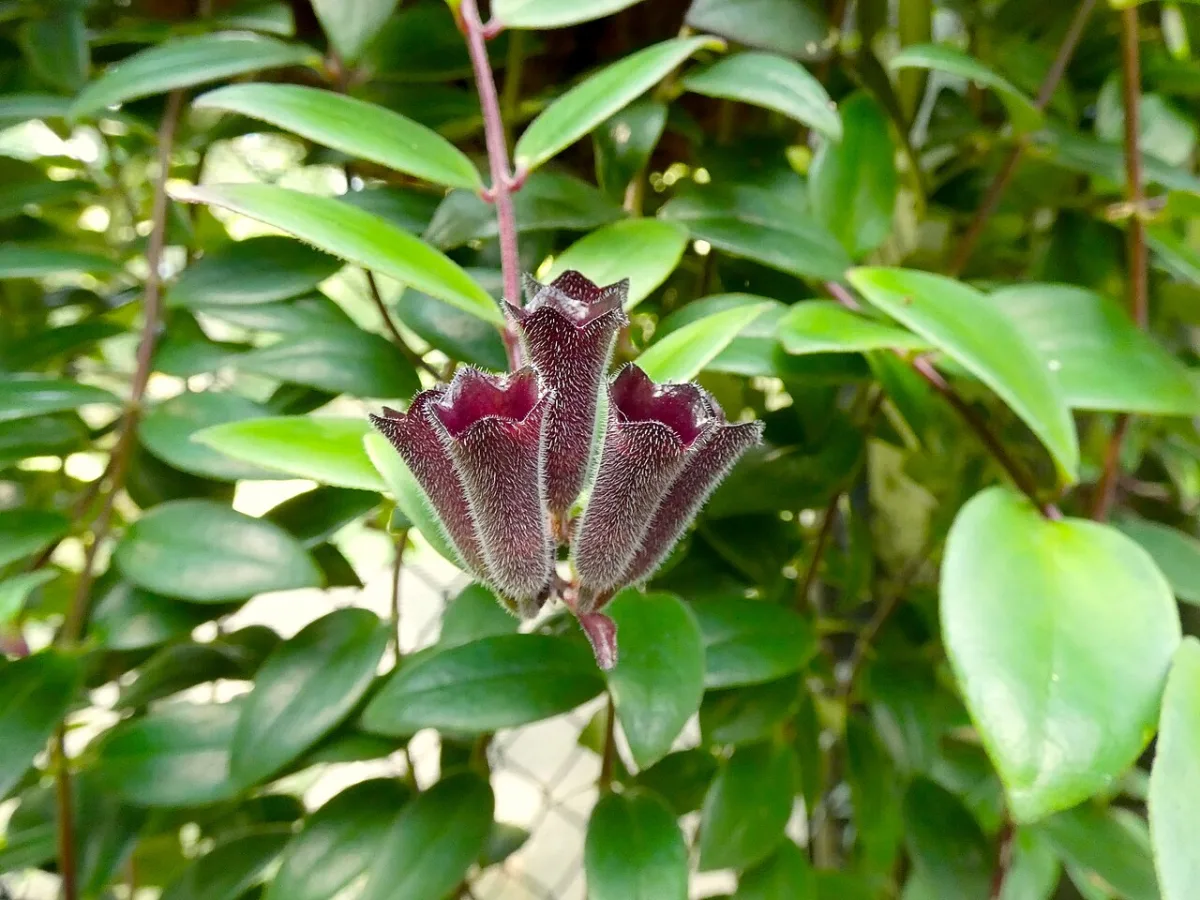
Lipstick Plant
Aeschynanthus radicans
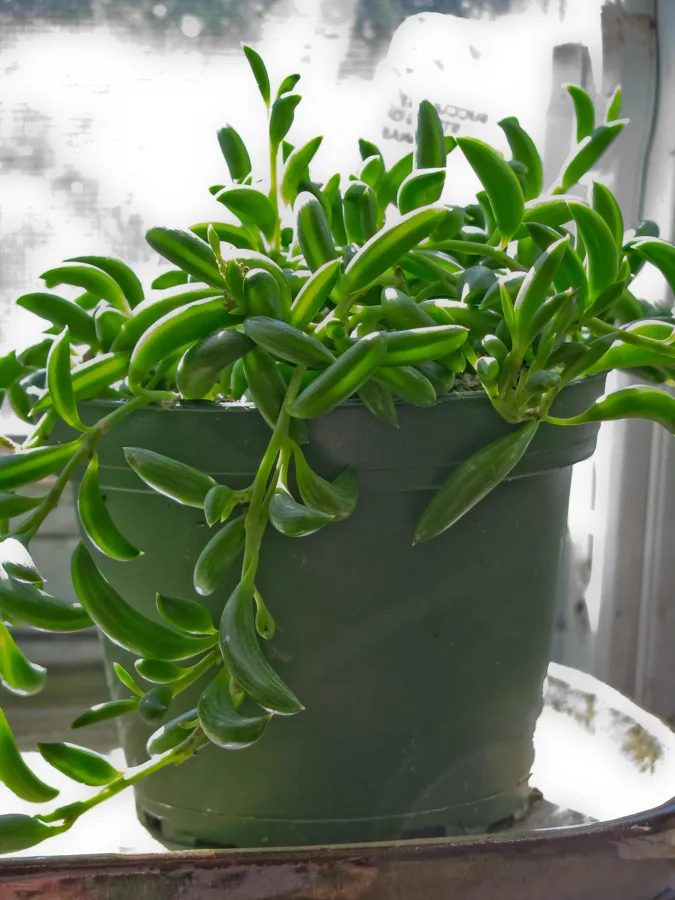
String of Bananas
Senecio radicans
 Non-toxic to pets
Spider Plant
Chlorophytum comosum
Free care tools
Keep your English Ivy thriving.
Get a watering schedule for your conditions, or work out what's wrong when something looks off.