How to Make Your Pothos Trail: Training & Care Tips
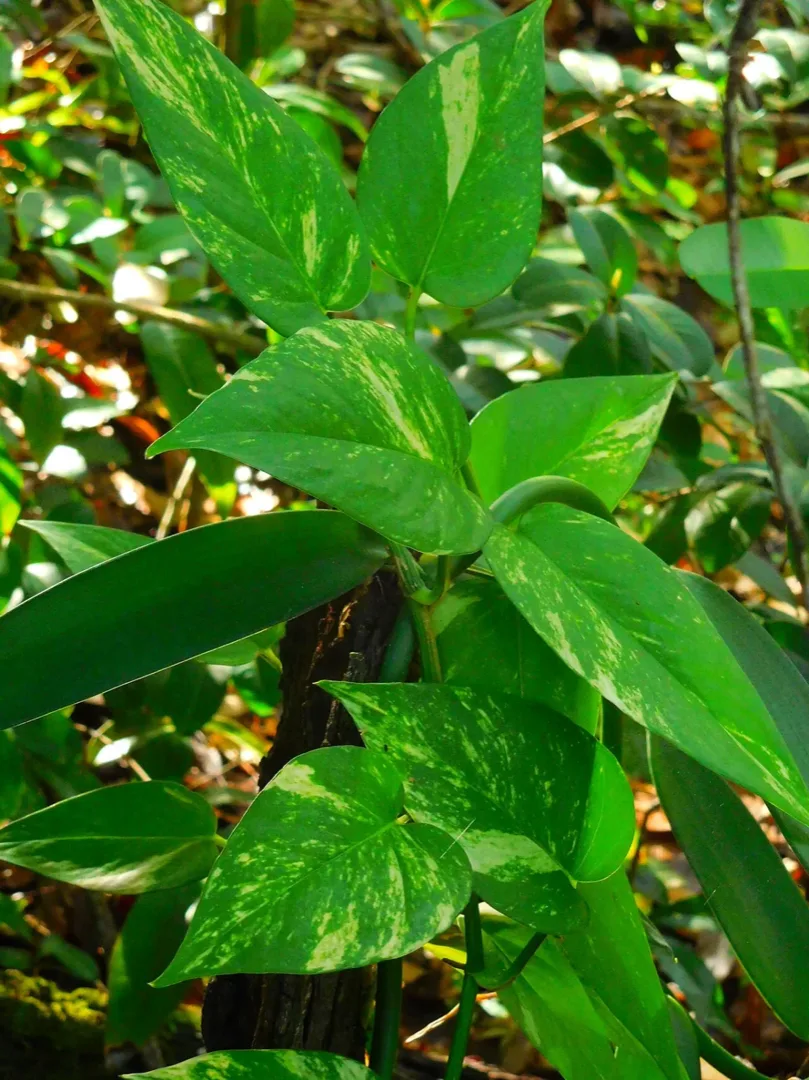
Quick Summary
- Pothos trail naturally when placed in hanging baskets, on high shelves, or in macramé hangers
- Vines can grow 10 feet or longer indoors with the right light and feeding schedule
- Pinching the tips regularly creates fuller, bushier growth with more vines
- Bright indirect light produces longer, faster vines than low-light positions
- Trailing and climbing are both natural behaviors — the choice is yours
Few plants deliver that lush, cascading look as effortlessly as a trailing pothos. With vines that can reach 10 feet or more indoors, Epipremnum aureum is the go-to choice for dramatic shelf styling, hanging baskets, and the kind of plant-filled corners you see on every interior design mood board. But getting those long, full trails does not happen by accident — it takes the right variety, the right position, and a few simple care habits.
Why Pothos Trail: The Biology Behind the Vines
Pothos are native to tropical forest floors across Southeast Asia and the Pacific Islands. In their natural habitat, they spend their early life as ground-covering vines before finding a tree to climb. Their vines are technically called stolons — specialized stems designed to grow long and fast, searching for a vertical surface or spreading light cover across the forest floor.
Indoors, when there is no tree to climb, that energy goes into horizontal or downward growth instead. Each node on the vine is capable of producing a leaf and a root, which is why pothos are such reliable trailers — every few inches, the vine extends another growth point outward. Light direction plays a significant role too: vines naturally grow toward light sources (phototropism), so a plant hanging in front of a window will trail its vines downward and outward toward the brightest point in the room.
The key insight is that pothos do not need any special encouragement to trail — they just need the right position and consistent care. Remove the obstacles to growth (low light, root-bound conditions, infrequent watering) and the vines will take care of themselves.
Best Pothos Varieties for Trailing
Not all pothos varieties trail the same way. Some produce larger leaves that create a bold, dramatic look; others grow denser and faster with smaller foliage. Here are the four best varieties for trailing displays:
| Variety | Vine Speed | Leaf Size | Light Needs | Best Feature |
|---|---|---|---|---|
| Golden Pothos | Fast | Medium (4–6 in) | Low to bright indirect | Most forgiving, longest vines |
| Marble Queen | Medium | Medium (4–5 in) | Bright indirect | Striking white-green variegation |
| Neon Pothos | Fast | Medium (3–5 in) | Bright indirect | Electric chartreuse colour |
| Cebu Blue | Medium-Fast | Small to medium | Bright indirect | Silvery-blue iridescent leaves |
Golden Pothos is the undisputed champion for long trailing vines. It tolerates low light better than any other variety and produces steady growth year-round. If you want 8-foot vines cascading down a bookshelf, this is your plant.
Marble Queen grows more slowly due to its high variegation — less green means less chlorophyll, which means less photosynthesis. But the white-and-green contrast looks stunning in a hanging basket. Give it brighter light to compensate for the reduced chlorophyll.
Neon Pothos is the showiest option. The lime-green leaves almost glow in a bright window. It grows quickly and produces long vines readily, making it ideal for shelving displays where you want visual impact.
Cebu Blue is the most distinct, with narrow silvery leaves that shimmer in the right light. It trails more loosely than the others, which creates an airy, delicate look in a macramé hanger.
Pro Tip
If you want the longest vines possible, choose Golden Pothos and place it in the brightest spot in your home that receives no direct afternoon sun. Combine consistent watering with a balanced liquid fertilizer every 3–4 weeks during spring and summer, and you can expect vines to grow 6–12 inches per month in peak conditions.
How to Encourage Trailing Growth
Getting your pothos to produce long, healthy vines comes down to five factors:
- Light: Bright, indirect light is the single biggest driver of vine growth. A pothos in a low-light corner may survive, but its vines will grow slowly and produce small, widely spaced leaves. Position your plant within 4–6 feet of a window for best results. An east-facing window provides ideal morning light without harsh afternoon sun.
- Watering: Water when the top 1–2 inches of soil feel dry. Consistent moisture (not soggy) keeps the vine-growing engine running. Chronic underwatering causes vines to grow slowly and leaves to curl; overwatering causes yellowing and root rot.
- Feeding: During spring and summer, feed every 3–4 weeks with a balanced liquid fertilizer diluted to half strength. Nitrogen drives leafy vine growth. Skip feeding in autumn and winter when growth naturally slows.
- Pot size: A slightly root-bound plant actually puts more energy into vine growth than a plant in an oversized pot. If your pothos is in a very large container with lots of empty soil, root development takes priority. Keep it in a pot that fits its root ball snugly.
- Humidity: Pothos tolerates average household humidity (40–50%) but produces larger leaves and faster growth in higher humidity (60%+). A pebble tray with water or a nearby humidifier helps, especially in winter when central heating dries indoor air.
Best Positions for Trailing Pothos
The position you choose determines how the trailing looks — and how practical it is to care for the plant.
Hanging Baskets
A classic hanging basket placed near a window gives vines maximum space to grow downward. The key is choosing a basket with good drainage and using a lightweight potting mix — heavy soil in a hanging basket becomes exhausting to water without spilling. Hook it at ceiling height for the most dramatic effect; vines can cascade 3–4 feet within a single growing season.
High Shelves
Placing a pothos on a tall bookshelf or kitchen cabinet lets the vines spill down naturally over multiple levels. This works especially well in rooms with floor-to-ceiling shelving. The plant sits comfortably, watering is straightforward, and the vines drape over books or objects below for a styled, intentional look.
Macramé Hangers
Macramé plant hangers add a textural, bohemian element and suspend the plant at eye level or above. The loose-woven structure is breathable, which is good for air circulation. Make sure the hanger can support the weight of the pot when watered — a large, fully watered pot in plastic can reach 5–7 lbs.
Wall Mounts and Floating Shelves
A floating shelf at door height or above a window lets vines frame doorways or trail along walls. Use small hooks to guide vines along a wall in a decorative pattern — pothos can be loosely trained without harming the plant or the wall.
Pro Tip
Rotate your hanging pothos a quarter turn every time you water. This ensures all sides of the plant receive equal light, producing fuller, more even growth rather than a lopsided display where all the long vines grow on one side.
Pruning for Fullness
Pruning is the most overlooked trick for getting a lush, full trailing pothos. Left unpruned, a pothos will produce fewer, longer vines. Pruning redirects energy from extending existing vines into producing new vines from dormant nodes — the result is a much fuller, denser plant.
The technique is simple: use clean, sharp scissors to cut just below a node (the bump on the stem where a leaf attaches). Make your cut anywhere along the vine to control the length. The cut vine does not grow back from the cut point — instead, the next node below the cut will activate and sprout a new growth tip. Do this to 3–5 vines at staggered points and your pothos will explode with new growth within 2–3 weeks.
What do you do with the cut vines? Propagate them. A 4–6 inch cutting with 2–3 nodes placed in a glass of water will develop roots in 2–3 weeks. Pot several cuttings back into the original pot to increase density, or start new plants to give away or place in other rooms.
Trailing vs Climbing: Which Is Better?
Pothos can trail downward or climb upward — and the results look very different. Understanding the difference helps you decide which suits your space.
| Aspect | Trailing | Climbing (on a moss pole) |
|---|---|---|
| Leaf size | Stays small to medium | Grows dramatically larger over time |
| Vine direction | Downward / horizontal | Upward |
| Space requirement | Vertical drop space | Vertical height and ceiling clearance |
| Maintenance | Occasional pruning | Regular tying and training |
| Best for | Shelves, hangers, mantels | Statement corner pieces |
| Dramatic effect | Lush cascades | Jungle-feel feature plant |
Climbing on a moss pole actually triggers a developmental response in pothos — leaves can grow from 4 inches to 12 inches or more as the plant matures upward. If you want big, impressive leaves, climb. If you want cascading, flowing vines, trail. You can also do both: let some vines trail while training others up a support in the same pot.
Common Problems with Trailing Pothos
- Leggy vines with small, widely spaced leaves: This is a light issue. Move the plant to a brighter location — the vines are stretching toward a light source. More light means shorter internodal spacing and larger, fuller-looking leaves.
- Vines turning brown at the tips: Usually caused by low humidity, fluoride in tap water, or inconsistent watering. Try filtered water or leaving tap water out overnight before using it.
- Vines growing mostly in one direction: The plant is chasing light. Rotate the pot regularly (every 1–2 weeks) for even growth in all directions.
- Loss of variegation: If your Marble Queen or other variegated variety is reverting to solid green, it needs more light. Variegation requires energy to maintain — low light causes the plant to produce more chlorophyll (green) to compensate.
- Vines are growing but leaves are yellowing: Could be overwatering, root rot, or nitrogen deficiency. Check the roots first, adjust watering, and feed with a balanced fertilizer if the soil and drainage are healthy.
Frequently Asked Questions
How long can pothos vines grow indoors?
In good conditions, pothos vines can reach 10 feet or more indoors. Some well-cared-for specimens in bright rooms have been documented trailing 20+ feet. Growth is typically 6–12 inches per month during the growing season.
Can I make a short pothos trail faster by adding fertilizer?
Yes, but light is more important than fertilizer. Feed with a nitrogen-rich liquid fertilizer every 3–4 weeks in spring and summer, but move the plant to better light first. Fertilizing a plant in low light pushes weak, leggy growth rather than healthy vines.
Should I remove the nursery pot pins holding vines in place?
Yes. Remove all nursery pins, clips, and stakes that are holding vines at unnatural angles. Let the vines hang freely so gravity pulls them into a natural trailing position.
Does hanging the pot help the pothos grow faster?
Hanging helps by giving vines unrestricted downward space and, if placed near a window, optimizing light exposure. It does not inherently speed up growth, but it creates the best conditions for dramatic trailing.
Written by
Plant Care Club
The Plant Care Club team combines years of hands-on plant parenting with science-based research to create guides you can actually trust. We test, we grow, we learn — so you can too.
94 articles published
Was this helpful?
Thanks for your feedback!
More Care Guides
 Plant Care Tips
How to Propagate Monstera: Stem Cuttings and Air Layering
Learn how to propagate Monstera deliciosa with stem cuttings and air layering. Includes node identification and a complete rooting timeline.
 Plant Care Tips
Monstera Deliciosa Care: The Complete Guide
The definitive Monstera deliciosa care guide. Covers light, watering, chunky soil mix, humidity, moss poles, fenestration, common problems, and all popular varieties.
 Plant Care Tips
Snake Plant Care: The Only Guide You'll Ever Need
The complete snake plant care guide covering light, watering, soil, propagation, and every common problem — from mushy roots to brown tips.