Quick Summary
When a houseplant stops growing, the cause is almost always environmental — not enough light, wrong pot size, seasonal dormancy, nutrient depletion, being root bound, incorrect temperature, pest stress, or the wrong soil. This guide walks through each cause and gives you a clear fix for every one.
You have had your plant for months. It looks okay — not dying, not drooping — but it has not put out a single new leaf. No new stems. No growth whatsoever. It is just... sitting there. This is more common than you think, and it is almost always fixable once you identify the bottleneck.
Plants need five things to grow: light, water, nutrients, appropriate temperature, and space for roots. When any one of these is lacking or out of balance, growth stalls. Let us figure out which one is holding your plant back.
1. Not Enough Light
This is one of the most common reasons houseplants stop growing, and it is easy to underestimate. What looks like a bright room to your eyes is often dim by plant standards. Plants need light for photosynthesis — it is literally their energy source. Without enough light, they do not have the energy to produce new growth.
Signs it is a light problem:
- The plant is more than 5-6 feet from a window
- Existing leaves are smaller than they used to be
- The plant is leaning dramatically toward the light source
- New growth (if any) is pale and stretched
- A low-light tolerant plant like Pothos or Snake Plant is surviving but not thriving
How to Fix It
- Move the plant closer to a window — even 2-3 feet can make a dramatic difference
- East-facing windows provide gentle morning light ideal for most houseplants
- If natural light is limited, add a grow light — even a basic LED grow bulb in a desk lamp can significantly boost growth
- Clean your windows — dirty glass can noticeably reduce the light that gets through
Pro Tip
Your phone has a light meter app (search for "lux meter" in your app store). Most foliage plants want at least 200-400 foot-candles for active growth. Measure the light at plant level — you might be surprised how much it drops even a few feet from the window.
2. Wrong Pot Size (Too Big)
This surprises most people. They assume a bigger pot means more room to grow. But here is what actually happens: when you put a small plant in a large pot, the excess soil holds moisture the roots cannot use. The soil stays wet, the roots stay compact, and the plant focuses on root development rather than leaf growth. In the worst case, the wet soil leads to root rot.
Signs the pot is too big:
- The pot is more than 2-3 inches larger than the root ball
- Soil stays wet for a very long time after watering
- The plant looks tiny and lost in a large container
- Growth stalled after repotting into a bigger pot
How to Fix It
- Repot into a container that is only 1-2 inches larger than the root ball
- A snug pot encourages the plant to fill the root space and then shift energy to above-ground growth
- When repotting in the future, only go up one pot size at a time
3. Seasonal Dormancy
Many houseplants slow down or stop growing entirely in fall and winter. This is normal. Shorter days, lower light intensity, and cooler temperatures signal the plant to conserve energy. It is not dead or unhealthy — it is resting.
Seasonal Growth Calendar
| Season | Growth Activity | Care Adjustments |
|---|---|---|
| Spring (Mar-May) | Growth resumes, new leaves appear | Resume fertilizing, increase watering slightly |
| Summer (Jun-Aug) | Peak growth season | Fertilize regularly, water consistently |
| Fall (Sep-Nov) | Growth slows down | Reduce fertilizer, let soil dry more |
| Winter (Dec-Feb) | Minimal or no growth | Stop fertilizing, water sparingly |
What to Do
- Accept it. Dormancy is healthy and natural.
- Reduce watering — the plant is using less water
- Stop fertilizing — the plant cannot use nutrients during dormancy, and unused fertilizer salts build up in the soil
- Wait for spring — growth will resume when days get longer and warmer
4. Root Bound
Signs: Roots circling the bottom of the pot, growing out of drainage holes, or forming a dense mass with very little soil visible. The plant dries out very quickly after watering. Growth has stalled despite adequate light and feeding.
A root-bound plant has exhausted the space and nutrients available in its pot. The roots are cramped, competing for resources, and there is not enough soil to hold water or nutrients.
How to Fix It
- Repot into a container 1-2 inches larger in diameter
- Gently tease apart the circling roots before placing in the new pot
- Use fresh potting mix
- Water thoroughly after repotting
- Expect a burst of new growth within a few weeks
5. Nutrient Deficiency
Signs: Pale or yellowing leaves, slow growth, small new leaves. The plant has not been fertilized in over 6 months or has been in the same soil for more than 2 years.
Potting mix contains a limited supply of nutrients that gets depleted over time. Without replenishment, the plant lacks the raw materials to build new cells and grow.
How to Fix It
- Apply a balanced liquid houseplant fertilizer (like 10-10-10 or 20-20-20) at half strength every 2-4 weeks during the growing season
- If the plant has been in the same soil for 2+ years, repot with fresh mix — this provides both nutrients and improved soil structure
- Do not fertilize during winter dormancy
6. Wrong Temperature
Signs: Stalled growth, possibly combined with leaf drop or discoloration. The plant is in a room that is consistently too cold (below 55 degrees Fahrenheit) or too hot (above 90 degrees Fahrenheit), or it is exposed to drafts from doors, windows, or HVAC vents.
Most houseplants are tropical and prefer temperatures between 65-80 degrees Fahrenheit. Outside this range, metabolic processes slow down and growth stops.
How to Fix It
- Move the plant to a room with stable temperatures in the 65-80 degree range
- Keep plants away from exterior doors, drafty windows, heating vents, and air conditioning units
- Avoid placing plants on cold windowsills in winter — the glass radiates cold
7. Pest Stress
Signs: Stunted growth, distorted new leaves, sticky residue, visible insects (tiny dots, white fuzz, small bumps on stems). The plant is surviving but clearly not thriving.
Even a low-level pest infestation can divert a plant's energy from growth to survival. Spider mites, mealybugs, scale, and thrips all sap the plant's resources, literally feeding on its sap and photosynthetic tissue.
How to Fix It
- Inspect the plant carefully — check undersides of leaves, stems, and leaf axils
- Identify the pest and treat accordingly (neem oil, insecticidal soap, or systemic insecticide)
- Treat consistently for 3-4 weeks to break the lifecycle
- Once pests are eliminated, the plant should resume growing
8. Wrong Soil
Signs: Soil that is either compacted and hard (not letting air reach roots) or so loose that water runs straight through without being absorbed. The plant is otherwise getting good light and water but not responding.
Old soil breaks down over time, becoming dense and waterlogged. Alternatively, soil that is too coarse drains too quickly and does not hold enough moisture or nutrients for the roots.
How to Fix It
- Repot with an appropriate potting mix for your plant type
- For most tropical houseplants: standard potting mix plus 20-30% perlite
- For succulents and cacti: a gritty, fast-draining mix (50% potting soil, 50% perlite or pumice)
- For orchids: orchid bark mix, not potting soil
- For Alocasias and aroids: a chunky mix of bark, perlite, and potting soil
Pro Tip
If your plant has been sitting without growth for months and you have addressed light, water, and nutrients, repotting alone often triggers a growth response. Fresh soil, slightly loosened roots, and a right-sized pot can wake up a stalled plant remarkably fast.
Frequently Asked Questions
How do I know if my plant is dormant or has a problem?
If it is fall or winter and the plant looks healthy (green leaves, firm stems, no pests) but just is not growing, it is almost certainly dormant. If the plant looks unhealthy (yellowing, drooping, spots, pests) or it is the growing season and nothing is happening, investigate the causes above.
Can I force my plant to grow faster?
You can optimize conditions — more light (up to the plant's tolerance), consistent watering, regular fertilizing during the growing season, and appropriate pot size. But every plant has a natural growth rate. A Snake Plant will always grow slower than a Pothos. Trying to push beyond the plant's natural pace with extra fertilizer usually does more harm than good.
My plant grew great at the nursery but stopped at home. Why?
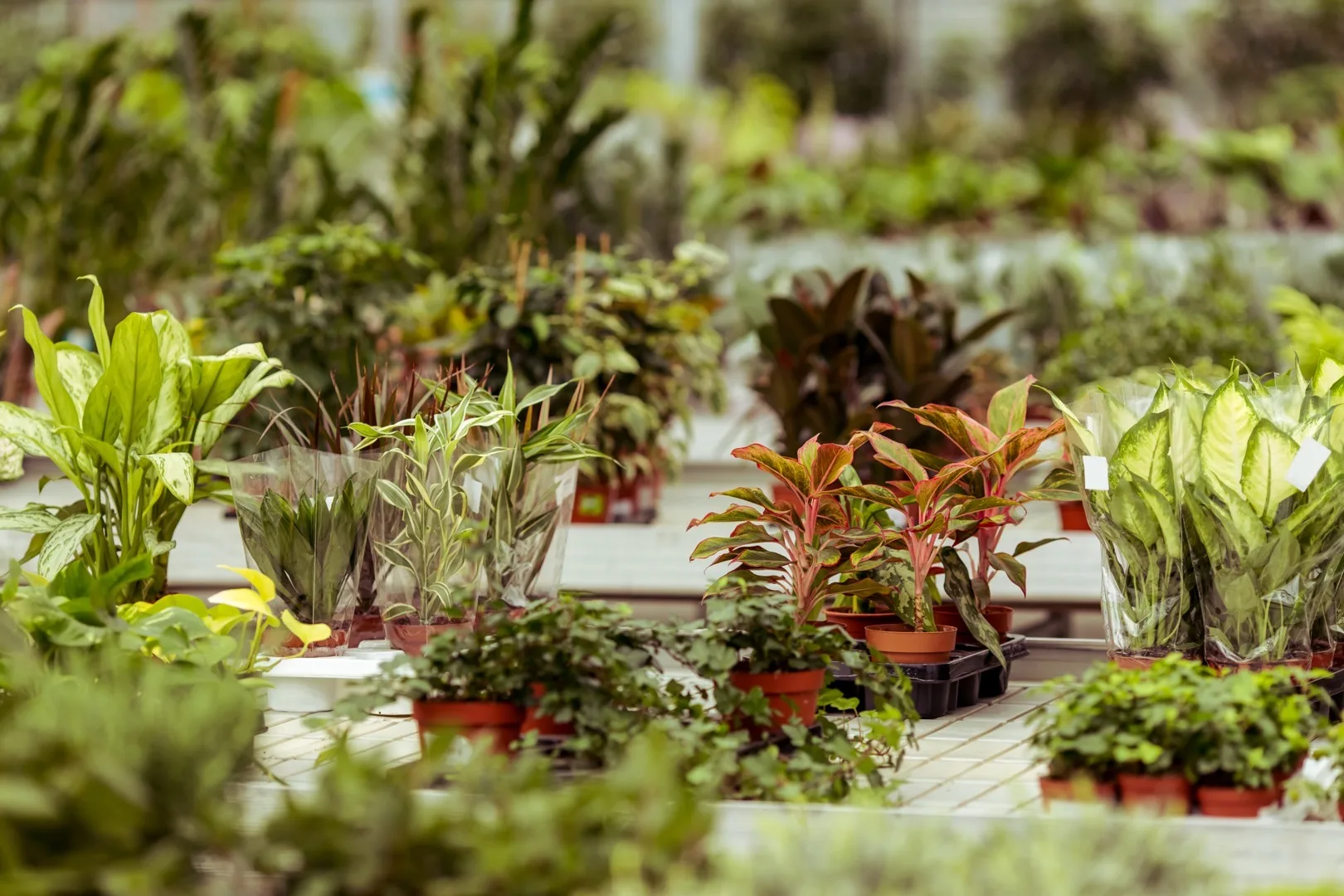
Nurseries have greenhouse conditions — perfect light, humidity, temperature, and professional-grade fertilizing. Your home is a significant step down in at least one of these areas, usually light. The plant is not sick; it has just lost its optimal conditions. Get the light as close to ideal as you can, and the plant will adapt and resume growing, though likely at a slower pace than in the greenhouse.
Sources and further reading
- How to Care for Houseplants — Iowa State University Extension and Outreach
- Indoor Plants: Cleaning, Fertilizing, Containers & Light Requirements — Clemson Cooperative Extension (Home & Garden Information Center)
- How to help a poorly houseplant — Royal Horticultural Society