Quick Summary
LED grow lights are the best choice for most indoor plant owners — energy-efficient, long-lasting, and low heat. Full-spectrum LEDs mimic sunlight and support all plant types. Position lights 6-12 inches from foliage, run 12-16 hours daily with a timer, and match the light intensity to your plants' needs. A full-spectrum LED bulb in a desk lamp is enough for 1-3 plants.
If your home does not get enough natural light — or you want to grow plants in a windowless room, a dark corner, or on a bookshelf away from windows — a grow light for indoor plants is a game-changer. Modern LED grow lights are affordable, energy-efficient, and no longer look like they belong in a lab. Whether you are supplementing winter light or creating a full indoor garden, here is everything you need to know to choose the right grow light.
Why Your Plants Need Specific Light
Plants use light for photosynthesis — the process of converting light energy into the sugars they need to grow. But not all light is created equal. Plants primarily use specific wavelengths within the visible light spectrum:
- Blue light (400-500nm): Promotes compact, leafy growth. Drives vegetative development and strong stems. Essential for foliage houseplants.
- Red light (600-700nm): Encourages flowering, fruiting, and root development. Important for blooming plants and fruiting herbs.
- Far-red light (700-750nm): Influences stem elongation and flowering timing. Less critical for houseplants but present in natural sunlight.
- Green light (500-600nm): Long thought to be largely unused by plants, but it is now understood to penetrate deeper into leaf tissue and lower canopy layers.
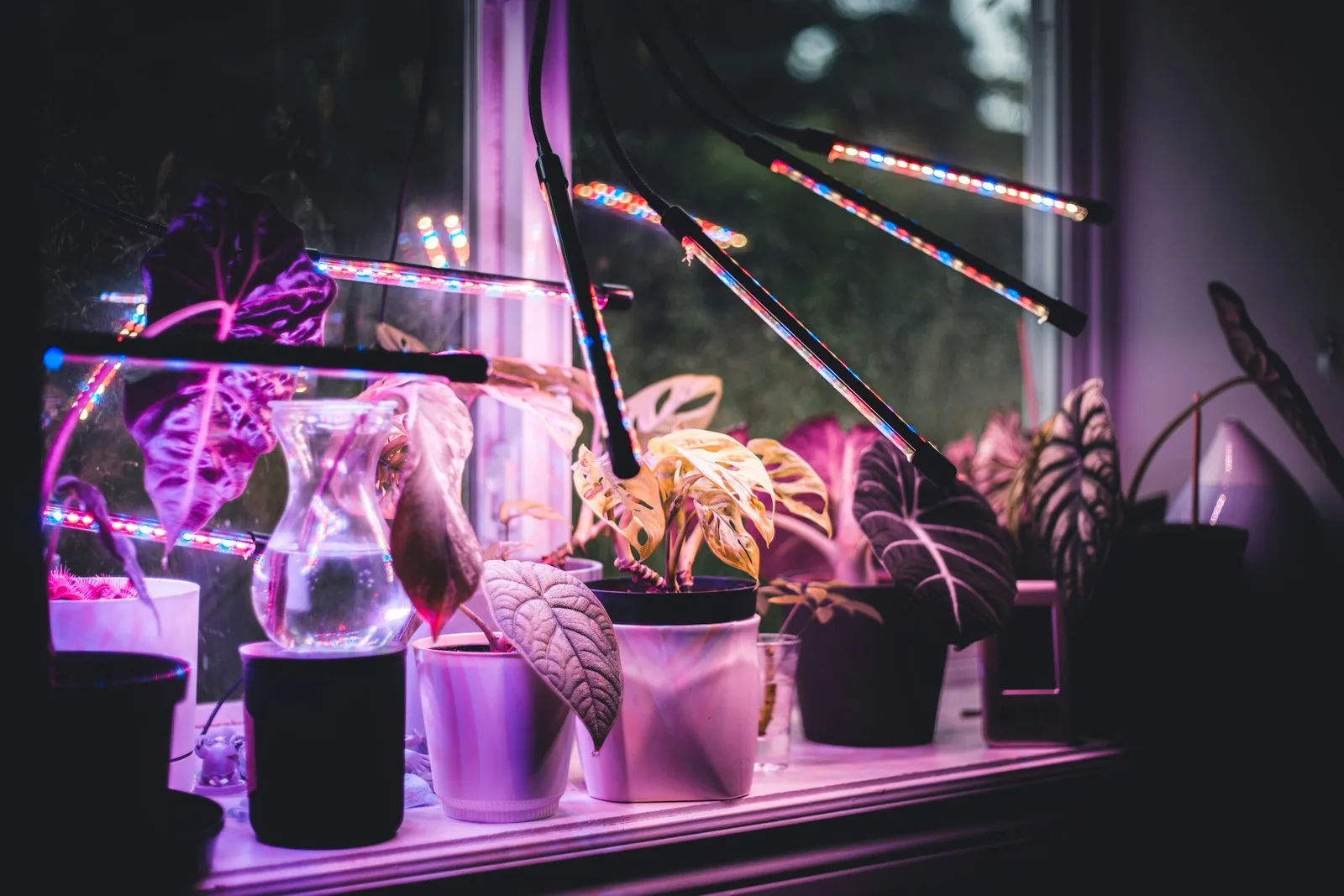
Full-spectrum grow lights provide all these wavelengths in a balanced ratio that mimics natural sunlight. This is what you want for general houseplant care. Some older grow lights emit only blue and red (the "blurple" purple lights) — these work but cast an unpleasant purple glow in your living space. Modern full-spectrum LEDs produce a natural white light that looks much better in a home.
Understanding Grow Light Specifications
When shopping for grow lights, you will encounter these terms. Here is what actually matters:
PAR (Photosynthetically Active Radiation)
PAR measures the range of light wavelengths (400-700nm) that plants can use for photosynthesis. A "full-spectrum" or "full PAR" light covers this entire range. This is the most important specification for plant growth.
PPFD (Photosynthetic Photon Flux Density)
PPFD measures how much usable light actually reaches your plant, measured in micromoles per square meter per second (μmol/m²/s). Think of it as the "strength" of the light at a specific distance. Higher PPFD = more intense light. Most houseplants want 50-200 PPFD; succulents and herbs want 200-400+ PPFD.
Wattage
Wattage tells you energy consumption, not light output. A 20W LED can produce the same usable light as a 60W fluorescent. Compare PPFD or lux instead of wattage when evaluating grow lights.
Color Temperature (Kelvin)
Measured in Kelvin (K), this describes the appearance of the light:
- 2700-3000K (warm white): Yellowish, pleasant in living spaces. Emphasis on red spectrum — good for flowering.
- 4000-4500K (neutral white): Balanced, natural look. Good all-around for foliage plants.
- 5000-6500K (cool white/daylight): Bluish-white, mimics midday sun. Emphasis on blue spectrum — good for vegetative growth.
- Full-spectrum: Combines warm and cool for a complete range. Best for general houseplant care.
Pro Tip
Do not get paralyzed by specifications. For most houseplants, any full-spectrum LED grow light from a reputable brand will work. The difference between an entry-level and a premium bulb matters less than proper distance and duration. Just get started — you can always upgrade later.
Types of Grow Lights Explained
| Type | Pros | Cons | Best For | Lifespan | Energy Use |
|---|---|---|---|---|---|
| LED (Full Spectrum) | Energy-efficient, long-lasting, low heat, natural white light | Higher upfront cost (but cheapest long-term) | All houseplants, any setup | 30,000-50,000 hours | Low |
| LED (Blurple) | Effective for growth, often cheaper than full-spectrum | Purple light is unattractive in living spaces | Plant shelves, dedicated grow areas | 30,000-50,000 hours | Low |
| Fluorescent (T5) | Affordable, even light spread, low heat | Less energy-efficient, shorter lifespan, bulky fixtures | Seedlings, shelves, propagation stations | 10,000-20,000 hours | Moderate |
| Fluorescent (CFL) | Very cheap, fits regular sockets | Less efficient than LED, shorter life, limited coverage | Single plants, supplemental light | 8,000-15,000 hours | Moderate |
| Incandescent | Very cheap upfront | Hot, highly inefficient, very short life, wrong spectrum | Not recommended for plants | 750-2,000 hours | Very high |
The clear winner for home use is LED. The upfront cost has dropped considerably in recent years, and LEDs use less energy and last longer than the alternatives. A typical LED grow bulb uses 10-30 watts.
What to Look for When Buying
Here is a practical buying checklist:
- Full spectrum — look for "full spectrum" or "sunlight spectrum" on the label. Avoid "red and blue only" unless you do not mind the purple glow.
- Wattage: 15-25W for 1-3 plants, 30-50W for a small shelf, 50-100W+ for a full plant rack
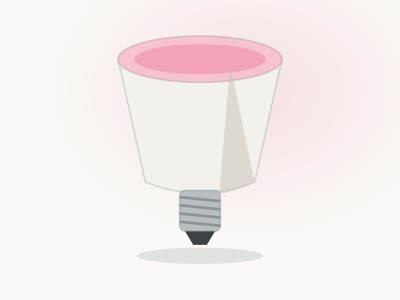
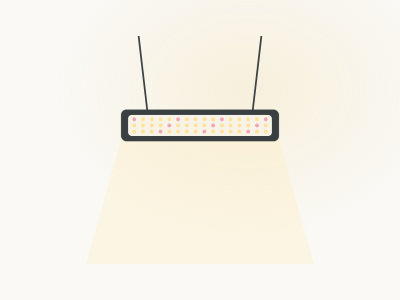
- Form factor: Bulb (fits desk lamps), strip (fits under shelves), panel (covers larger areas), clip-on gooseneck (flexible positioning)
- Timer built-in: Convenient but not essential — a simple outlet timer works the same
- Dimmable: Nice to have for adjusting intensity without changing distance
- Socket type: E26/E27 (standard US screw socket) for bulb-type grow lights — fits any desk lamp or floor lamp
Pro Tip
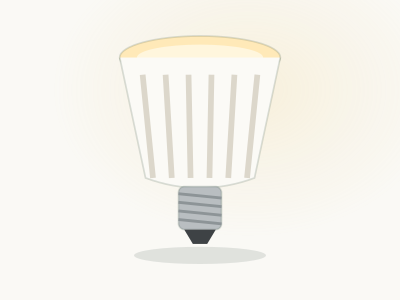
For most houseplants, a full-spectrum LED bulb that screws into a regular lamp socket is all you need. No fancy setup required. The Sansi 36W LED Grow Light Bulb is a solid, affordable starting point — it fits a standard socket, covers 2-3 plants, and produces a natural white light that does not look out of place in a living room.
How Much Light Do Your Plants Need?
| Plant Category | Examples | Hours/Day | Light Intensity (Lux) | PPFD (μmol/m²/s) |
|---|---|---|---|---|
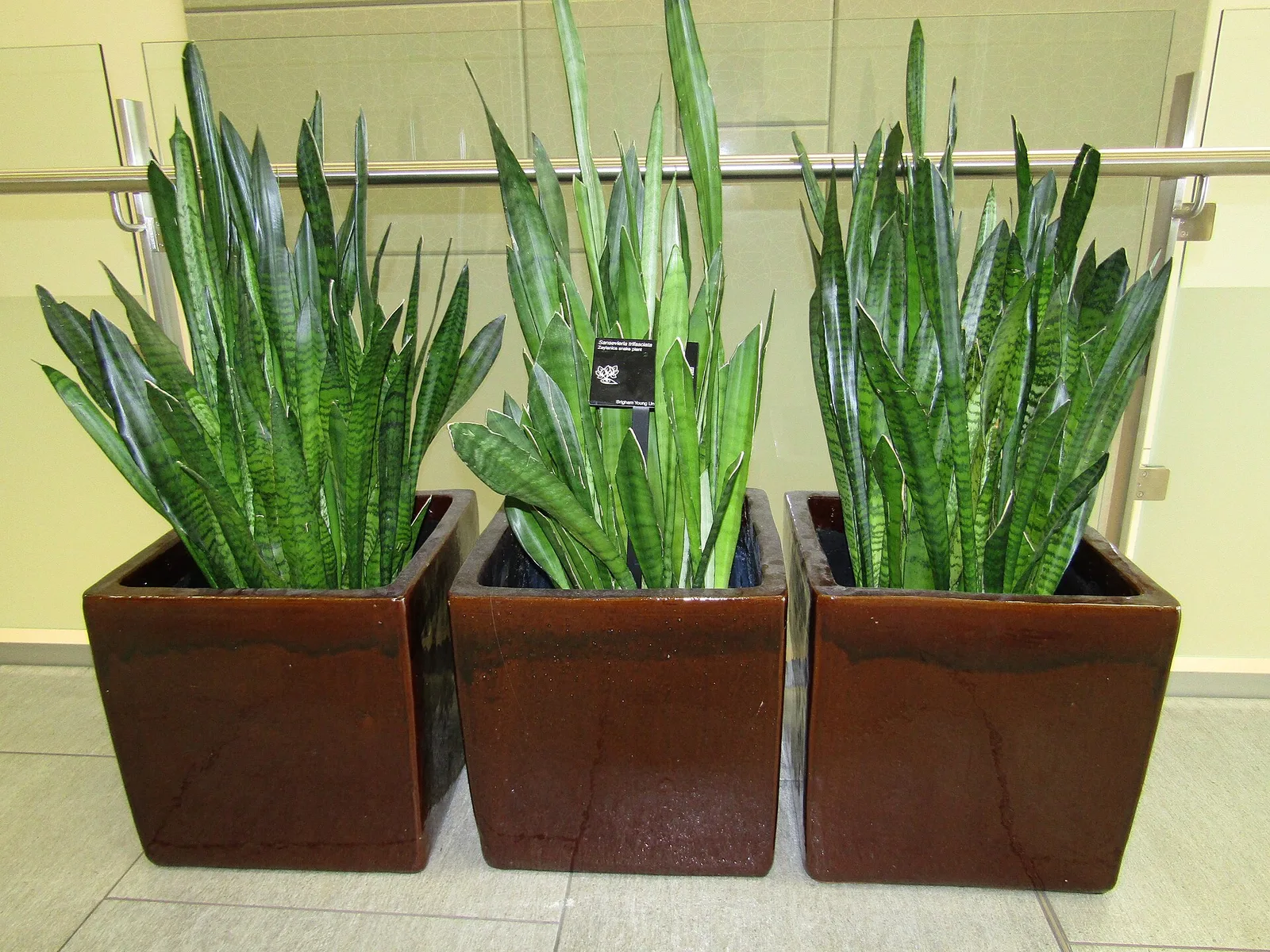
| Low-light plants | Pothos, Snake Plant, ZZ Plant, Peace Lily | 10-12 hours | 1,000-2,000 lux | 50-100 |
| Medium-light plants | Monstera, Philodendron, Spider Plant, Calathea | 12-14 hours | 2,000-5,000 lux | 100-200 |
| High-light plants | Succulents, Cacti, Fiddle Leaf Fig, Bird of Paradise | 14-16 hours | 5,000-10,000 lux | 200-400 |
| Herbs & edibles | Basil, Rosemary, Lettuce, Microgreens | 14-18 hours | 10,000-20,000 lux | 300-600 |
Use a free lux meter app on your phone to check light levels at your plant locations with the grow light on. Take the reading at leaf level.
Distance Guide: How Far Should the Light Be?
Light intensity drops dramatically with distance (it follows the inverse square law). Getting the distance right is just as important as choosing the right light.
| Light Wattage | Low-Light Plants | Medium-Light Plants | High-Light Plants |
|---|---|---|---|
| 10-15W bulb | 10-14 inches | 6-10 inches | 4-6 inches |
| 20-30W bulb | 14-18 inches | 10-14 inches | 6-10 inches |
| 30-50W panel | 18-24 inches | 12-18 inches | 8-12 inches |
| 50-100W panel | 24-36 inches | 18-24 inches | 12-18 inches |
Signs the light is too close: Bleached or burned leaves, leaf curling away from light, dried crispy spots
Signs the light is too far: Leggy growth toward the light, pale new leaves, slow growth despite long hours
Timer Recommendations
Plants need a dark period — running grow lights 24/7 stresses plants and disrupts their natural cycles. A timer is essential:
- Cheapest option: A mechanical outlet timer. Simple, reliable, no app needed. Set the pins for on/off times.
- Smart option: A smart plug connected to your phone. Set schedules, adjust remotely, and even simulate sunrise/sunset gradual dimming.
- Built-in timers: Many clip-on and strip grow lights have built-in timers with preset durations (8/12/16 hours). Convenient but sometimes unreliable — they may reset after a power outage.
Recommended schedule: 12-14 hours on, 10-12 hours off for most houseplants. Consistency matters — try to keep the same on/off times every day.
Setup Ideas for Different Spaces
Desk Setup (1-3 Plants)
A desk lamp with a full-spectrum LED bulb. Position it 10-14 inches above your plants. Clean, simple, doubles as a work light. Ideal for a Pothos, small Philodendron, or desk succulent, and you may already own the lamp.
Shelf / Bookcase Setup (4-10 Plants)
LED strip lights mounted under each shelf. This is a common setup for plant parents with growing collections. Use adhesive-backed LED strip lights (like the Barrina T5 LED strips) mounted to the underside of each shelf. They provide even light coverage across the entire shelf width.
Plant Rack / Wire Shelving Setup (10-20+ Plants)
A dedicated wire shelving unit (like a Metro rack or IKEA OMAR) with strip lights on each tier. This is the serious plant person's setup. Wire shelving allows airflow from all directions. Mount strip lights to each shelf using zip ties or clips. Add a single smart plug with a timer to control all lights at once.
Hanging / Pendant Setup
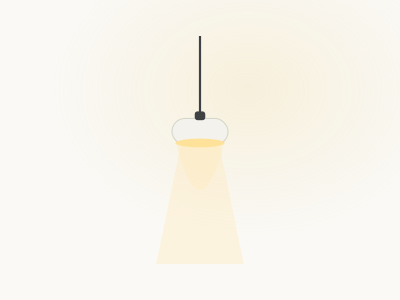
For larger plants on the floor (Fiddle Leaf Fig, Monstera, Bird of Paradise), hang a larger LED panel light or a pendant-style grow light from a ceiling hook or tall plant stand. Position it 18-24 inches above the plant canopy. This works well for a single statement plant in a dark corner.
Window Supplementation
If your plants get some natural light but not quite enough, a small grow light running 6-8 hours in the evening extends their "day" enough to keep them healthy. This is especially useful during winter when daylight drops below 10 hours. No complex setup needed — just a clip-on light pointed at your plant cluster.
Seasonal Use
Many plant owners do not need grow lights year-round:
- Winter (October-March): This is when grow lights earn their keep. Short days and weak winter sun mean most indoor plants benefit from supplemental light. Run lights for 10-14 hours daily.
- Spring/Fall: Transitional use. Plants near windows may not need supplemental light, but plants in darker spots still benefit from 6-8 hours of grow light.
- Summer: Many plants near windows get enough natural light and the grow light can be turned off or reduced to a few evening hours. Plants in windowless rooms still need year-round grow lights.
Energy Cost
A common concern is the electricity use of running grow lights. Here is roughly how much energy typical setups draw:
| Light Type | Wattage | Hours/Day | Monthly Energy Use* |
|---|---|---|---|
| LED bulb (single plant) | 15W | 12 hours | about 5.4 kWh |
| LED bulb (medium) | 30W | 12 hours | about 10.8 kWh |
| LED strip (4-pack for shelf) | 40W total | 12 hours | about 14.4 kWh |
| LED panel (large collection) | 100W | 14 hours | about 42 kWh |
| Fluorescent T5 (2 tubes) | 54W total | 12 hours | about 19.4 kWh |
*Wattage × hours per day × 30 days. Multiply by your local electricity rate to estimate the cost.
As you can see, LED grow lights use relatively little energy. A single bulb for a few plants uses only a few kilowatt-hours per month.
Grow Light Product Comparison
| Product Type | Coverage | Best For | Recommended Use |
|---|---|---|---|
| Full-spectrum LED bulb (E26) | 1-3 plants | Beginners, single plant spots | Desk lamp, clip lamp, floor lamp |
| Clip-on gooseneck (1-3 heads) | 2-5 plants | Flexible positioning, desks | Clip to shelf edge or desk |
| LED light strip (T5 style) | One shelf width | Shelving setups | Mount under shelves |
| LED panel light | 6-12 plants (2x2 ft area) | Large collections, plant racks | Hang from ceiling or shelf top |
| Pendant grow light | 1-3 large floor plants | Statement plants, dark corners | Hang from ceiling hook or stand |
| Full grow shelf system | 20+ plants | Serious collectors, propagation | Dedicated plant area |
Best Grow Light Options by Budget
Budget Options
A full-spectrum LED bulb (like the GE Grow Light LED or Sansi 15W) that fits a standard desk lamp. Simple, effective, and good enough for a few low-to-medium light plants. This is an easy starting point for anyone new to grow lights. Pair it with a mechanical timer.
Mid-Range Options
LED light strips or clip-on gooseneck lights with multiple heads. Great for shelves and plant corners. Look for models with built-in timers and adjustable brightness. The Barrina T5 LED strip lights (4-pack) are a common choice for shelf setups.
Premium Options
Full panel LED grow lights or pendant-style fixtures. These cover larger areas and provide more intense light. Worth the investment if you have a large collection or grow herbs, succulents, and flowering plants that need high light intensity. Brands like Mars Hydro, Spider Farmer, and Soltech Solutions make options in this category.
Signs Your Plants Need More Light
- Leggy, stretched-out growth reaching toward the nearest light source (etiolation)
- Small, pale new leaves — much smaller than previous growth
- Variegated plants losing their variegation (turning solid green to compensate)
- No growth at all during the growing season (spring/summer)
- Lower leaves dropping consistently while top leaves survive
- Soil staying wet for weeks (plant is not photosynthesizing enough to use the water)
- Stems bending dramatically toward the nearest window
Pro Tip
When you first set up a grow light, check your plants after one week. If leaves closest to the light are curling, bleaching, or developing dry spots, the light is too close or too intense — increase the distance by 2-3 inches. If the plant is still leaning or growing leggy, decrease the distance. Finding the sweet spot takes a little adjustment but pays off quickly.
Frequently Asked Questions
Can I use a regular LED bulb instead of a grow light?
A regular LED bulb provides some usable light for plants, but it is far less effective than a dedicated grow light. Regular LEDs are designed for human vision and prioritize green/yellow wavelengths while skimping on the red and blue that plants need most. A purpose-built grow light typically puts more of its output into the wavelengths plants use. If you are spending electricity to run a light for your plants, use one designed for the job.
Do grow lights use a lot of electricity?
Not usually. A typical LED grow bulb (15-30W) running 12 hours daily uses roughly 5-11 kWh per month, and a larger 100W panel uses more. Multiply by your local electricity rate to estimate the cost. LEDs are among the most energy-efficient options.
How long should grow lights be on each day?
12-16 hours for most houseplants. Low-light plants can get by with 10-12 hours. High-light plants (succulents, herbs) benefit from 14-16 hours. Always provide 8-10 hours of darkness — plants need dark periods for respiration and proper growth cycles. Use a timer for consistency.
Can grow lights burn my plants?
Yes, if they are too close or too intense. LED grow lights produce much less heat than incandescent or HID lights, but they can still cause light burn if positioned very close to foliage. Follow the distance guidelines for your light's wattage, and watch for signs of light stress (bleached leaves, curling, crispy tips) in the first week. If you see these signs, simply move the light further away.