If you have ever searched for how to increase humidity for your houseplants, you have seen this advice: "Place your plant on a tray of pebbles filled with water." The theory is that water evaporating from the tray raises the humidity around the plant. It is one of the most commonly recommended budget humidity solutions in the plant world. But does it actually work?
The short answer: a little, but far less than most people expect.
The Myth
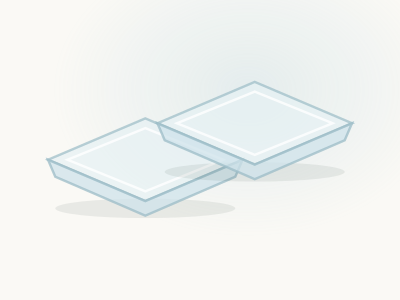
The claim is that a shallow tray filled with pebbles and water, placed beneath a plant pot, creates significant evaporation that raises the humidity in the immediate area around the plant. This is presented as a free, low-effort alternative to buying a humidifier. Nearly every "how to care for tropical plants" article includes it as a key recommendation.
Why People Believe It
The logic is reasonable on the surface. Water does evaporate. Evaporation does add moisture to the air. And a tray of water sitting in a warm room will slowly evaporate over days. So the physics are technically sound — water will evaporate and locally increase humidity by some amount. The question is whether that amount is meaningful for a plant.
Pebble trays also look deliberate and caring. They are visually appealing — a plant sitting on a bed of smooth river rocks in a tray of water looks like a thoughtful setup. And because they are free (most people already have a tray, rocks, and water), they are an appealing recommendation for writers who do not want to tell readers to spend money.
What to Expect
A pebble tray does add some moisture to the air, but only a little, and only very close to the tray. The water surface is small, it evaporates slowly at room temperature, and in a normally ventilated room the extra moisture disperses almost as soon as it rises.
In practice that means the air around your plant stays close to the humidity of the rest of the room. If a heated room is far drier than a tropical plant prefers (most tropicals do best somewhere around 50-60%), a pebble tray will not close that gap. Indoor humidity also swings naturally through the day with cooking, showering and airflow, and those swings are typically larger than anything a small tray adds.
Why the Effect Is So Small
The physics explain why pebble trays underperform expectations.
Evaporation rate is limited by surface area and air movement. A plant saucer has a small water surface (partly covered by pebbles), and still, room-temperature water evaporates slowly. That is simply not enough water vapor to meaningfully change the humidity of even a small room.
Indoor air is not sealed. Whatever moisture evaporates from the tray is immediately diluted by the volume of air in the room and carried away by normal air circulation from HVAC systems, drafts, and convection. The moisture does not stay concentrated around the plant — it disperses.
Heating systems actively dry the air. In winter, forced-air heating is a powerful dehumidifier. It is fighting against your tiny pebble tray and winning easily. Heated indoor air often stays very dry regardless of a tray of water.
Are Pebble Trays Completely Useless?
Not entirely. They do provide a few modest benefits:
- They prevent pots from sitting in drained water. The pebbles elevate the pot above any water that collects in the tray, preventing root rot from the pot sitting in standing water. This is a legitimate drainage benefit.
- They catch overflow. When you water your plant, excess water drains into the tray instead of onto your furniture or floor. Practical and useful.
- They provide a tiny, continuous humidity boost. It is very small, but it is continuous and requires zero effort once set up. In a space that is already close to adequate humidity, it does no harm to add one.
- They look nice. A plant sitting on smooth pebbles in a clean tray looks more polished and intentional than a pot sitting directly on a surface with a plastic saucer.
What Actually Works
A Humidifier
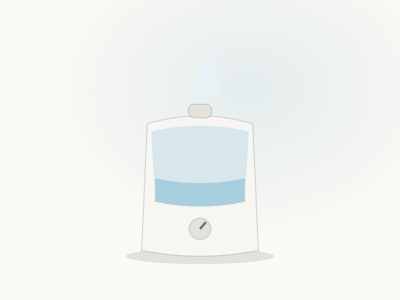
This is the answer. A cool-mist humidifier sized for the room can raise and hold humidity in a way a tray of water cannot. For humidity-loving plants, it is usually the most effective option.
For a single plant group, a small tabletop humidifier is usually sufficient. For an entire room, choose a unit rated for the room size. Run it during the day, refill the tank as needed, and clean it weekly to prevent mold and bacteria buildup.
Room Choice
Bathrooms and kitchens are naturally more humid than living rooms and bedrooms. If you have a bathroom with a window (even a small one), it may already be noticeably more humid thanks to daily showers. Relocating your humidity-loving plants to the most naturally humid room costs nothing and is more effective than any pebble tray.
Plant Grouping
Clustering plants together creates a local humidity microclimate through collective transpiration. The effect is modest, but it is completely free. Combine grouping with a humidifier for the best results.
Enclosed Spaces
Glass cabinets, terrariums, and cloches trap transpired moisture and can hold humidity far higher than an open room. For high-maintenance plants like rare calatheas or jewel orchids, this is the most reliable approach.
Bottom Line
Pebble trays are not bad — they are just dramatically overhyped. Use them as drip trays and decorative displays. But do not count on them to solve a humidity problem. If your plants need higher humidity, a humidifier will do far more for them than a pebble tray.
See also: the short answer to Do pebble trays actually increase humidity?
Frequently Asked Questions
Should I still use a pebble tray?
Yes, but for the right reasons. Use it as a drip tray to catch excess water and prevent your pot from sitting in standing water. Appreciate it as a decorative element. Just do not rely on it as your primary humidity solution.
What about larger trays or more water?
A larger tray increases the water surface area and therefore the evaporation rate, but the improvement is incremental, not transformative. Even a large baking sheet filled with water would add only a little more. You would need an impractically large open water surface to make a meaningful difference — at which point you have essentially built a less efficient humidifier.
Do pebble trays breed mosquitoes?
They can, especially in warm weather. Mosquitoes lay eggs in standing water, and a pebble tray is technically standing water. Change the water every few days to prevent this. Indoors, the risk is low but not zero, especially if you have windows open in summer.
I cannot afford a humidifier. What is my best free option?
Move your humidity-loving plants to the bathroom or kitchen (see our best plants for bathrooms). Group them together near the shower area. Leave the bathroom door open after a hot shower to let the steam reach them. This costs nothing and provides more humidity than any pebble tray. If your bathroom has no natural light, a basic grow light paired with the natural humidity makes the bathroom an excellent plant room.