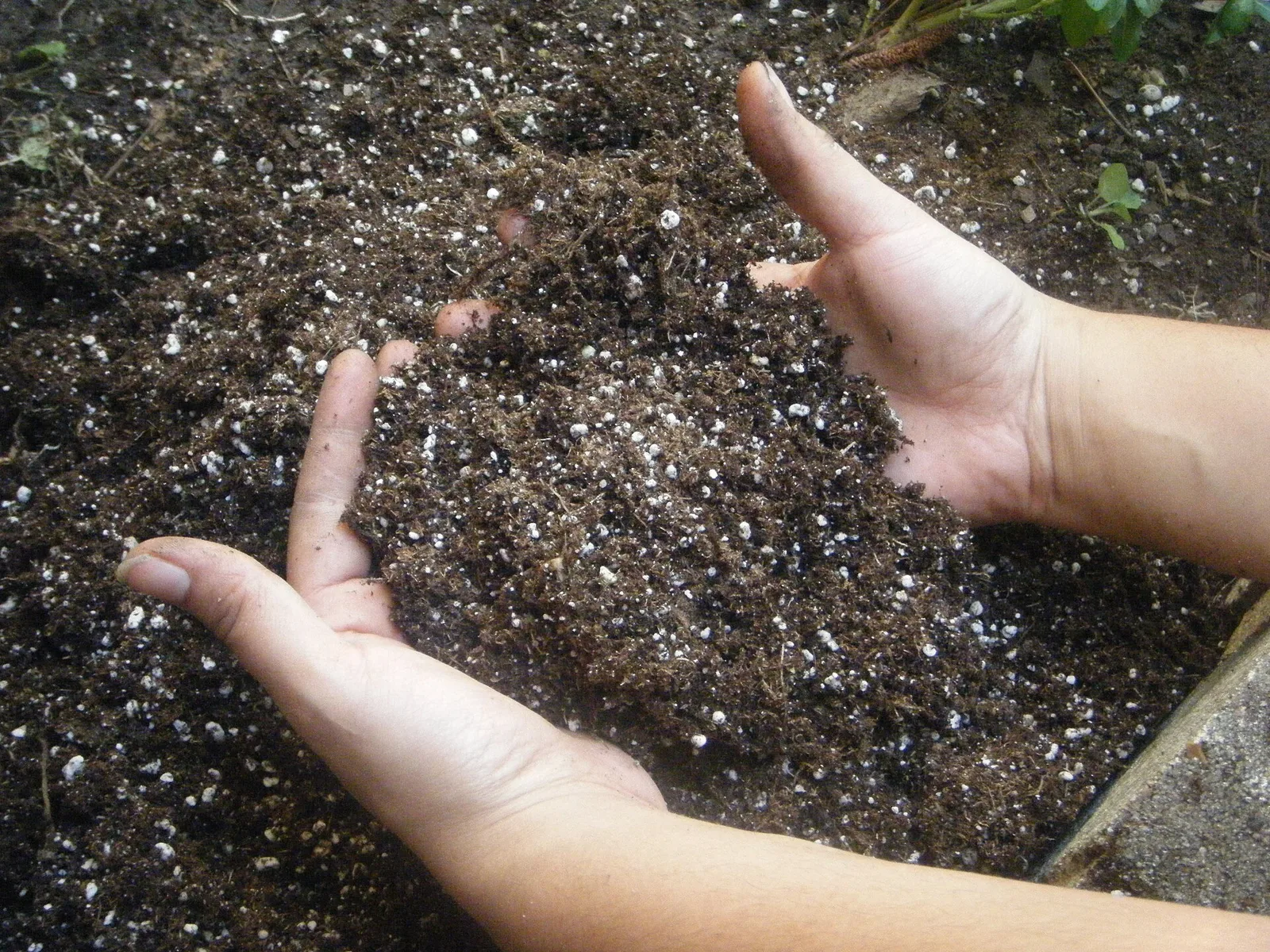
Choosing the best soil for indoor plants is one of the most impactful decisions you can make as a plant parent, yet most people just grab whatever bag is on sale. The right potting mix determines drainage, watering frequency, root oxygenation, and ultimately whether your plant thrives or merely survives.
Below are six popular indoor potting mixes, described by drainage, moisture retention, ingredients, and the plant types each one suits.
What to Look For
- Drainage speed. Poor drainage causes root rot — one of the most common ways houseplants die
- Moisture retention. Balance between draining well and not drying out daily
- Aeration. Root health depends on oxygen — compacted soil suffocates roots
- Ingredient quality. Peat, coir, perlite, bark, compost, or fillers?
- Value. Cost per quart, considering premium mixes often need fewer amendments
Warning
Never use outdoor garden soil for potted houseplants. It compacts in containers, drains poorly, may contain pests, and lacks aeration.
1. Fox Farm Ocean Forest — Best Overall
Ready to use — well-aerated, slightly acidic (pH 6.3-6.8), rich with aged forest products, sphagnum peat, earthworm castings, bat guano, fish meal, and crab meal. No fertilizing needed for the first 4-6 weeks. It is a well-draining mix straight out of the bag.
Pros:
- Excellent drainage and aeration out of the bag
- Rich nutrients — no immediate fertilizing needed
- Natural and organic ingredients
- pH suits most houseplants
Cons:
- Pricier than big-box alternatives
- Can be too rich for sensitive plants
- Occasional fungus gnat larvae
- Not chunky enough for aroids without amendments
2. Miracle-Gro Indoor Potting Mix — Best Budget
Their Indoor mix is genuinely different from their maligned outdoor soil. Coconut coir instead of bark, perlite for drainage, and a formula the maker says is designed to resist gnats. Widely available and inexpensive.
Pros:
- Available everywhere at an affordable price
- Coir-based formula marketed as gnat-resistant
- Adequate drainage for common houseplants
Cons:
- Contains synthetic slow-release fertilizer pellets
- Drains slower than premium mixes
- Can compact over time
3. Espoma Organic Potting Mix — Best Organic
Sphagnum peat, perlite, humus, earthworm castings, alfalfa meal, feather meal, and proprietary myco-tone — mycorrhizal fungi that colonize roots and can help with nutrient uptake.
Pros:
- Organic — no synthetic fertilizers
- Contains mycorrhizal fungi
- Long-established brand
Cons:
- Moderate drainage — add perlite for fast-draining needs
- Strong earthy smell when opened
- Can attract gnats if kept wet
4. Black Gold All Purpose — Best Mid-Range
Canadian sphagnum peat, perlite, pumice, earthworm castings, and controlled-release fertilizer. Having both perlite AND pumice is notable — pumice does not float to the top like perlite does.
Pros:
- Both perlite and pumice for good structure
- Moderate nutrient load suits many plants
- Good value for a mid-range mix
Cons:
- Less widely available than Miracle-Gro
- Forest products can harbor gnats
5. Pro-Mix BX — Best Professional Grade
Widely used by commercial growers. Peat-based soilless mix with perlite, vermiculite, dolomite limestone, and mycorrhizal fungi. Intentionally unfertilized for full nutrient control.
Pros:
- Made for professional growers
- Excellent drainage and aeration
- Economical when bought in bulk
Cons:
- Large bale too much for small collections
- Requires adding fertilizer from day one
- Hard to find in small quantities
6. Custom Aroid Mix (DIY)
Aroids — Monstera, Philodendron, Anthurium, Alocasia — need far more air than standard mix. Recipe: 1 part potting mix + 1 part orchid bark + 1 part perlite + handful of charcoal. Chunky, airy, drains almost instantly.
Pros:
- Well suited to aroids
- Customizable to watering habits
- Lowers the risk of root rot
Cons:
- Requires 3-4 separate components
- Dries faster — more frequent watering
- Not suitable for moisture-loving ferns
Pro Tip
Buy components in bulk. Large bags of perlite, orchid bark, and charcoal give you enough for dozens of repottings.
Comparison Chart
| Mix | Drainage | Aeration | Nutrients | Best For |
|---|---|---|---|---|
| Fox Farm Ocean Forest | Excellent | Very Good | Rich | Most tropicals |
| Miracle-Gro Indoor | Good | Adequate | Moderate | Beginners |
| Espoma Organic | Good | Good | Moderate | Organic growers |
| Black Gold | Very Good | Very Good | Moderate | General tropicals |
| Pro-Mix BX | Excellent | Excellent | None | Serious collectors |
| Custom Aroid | Excellent | Excellent | Variable | Aroids |
DIY Recipes by Plant Type
Tropical Foliage: 2 parts potting mix + 1 part perlite + 1 part orchid bark
Succulents/Cacti: 1 part potting mix + 2 parts coarse sand/pumice + 1 part perlite
Ferns/Calatheas: 2 parts potting mix + 1 part perlite + 1 part coco coir
African Violets: Equal parts peat moss, perlite, and vermiculite
Frequently Asked Questions
Can I reuse old potting soil?
For houseplants, start fresh. Old soil is depleted, compacted, and may harbor pests.
Do I need different soil for every plant?
A good all-purpose mix with extra perlite works for most houseplants. Specialize only for extremes.
Why is my soil repelling water?
Peat becomes hydrophobic when bone dry. Bottom-water: set the pot in water for 20-30 minutes.
Is coco coir better than peat?
Coir is more sustainable and rehydrates easier. Peat holds nutrients better. Either works.
Should I put rocks at the bottom of a pot?
No. This creates a perched water table that keeps soil wetter. Use drainage holes and good mix instead.