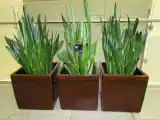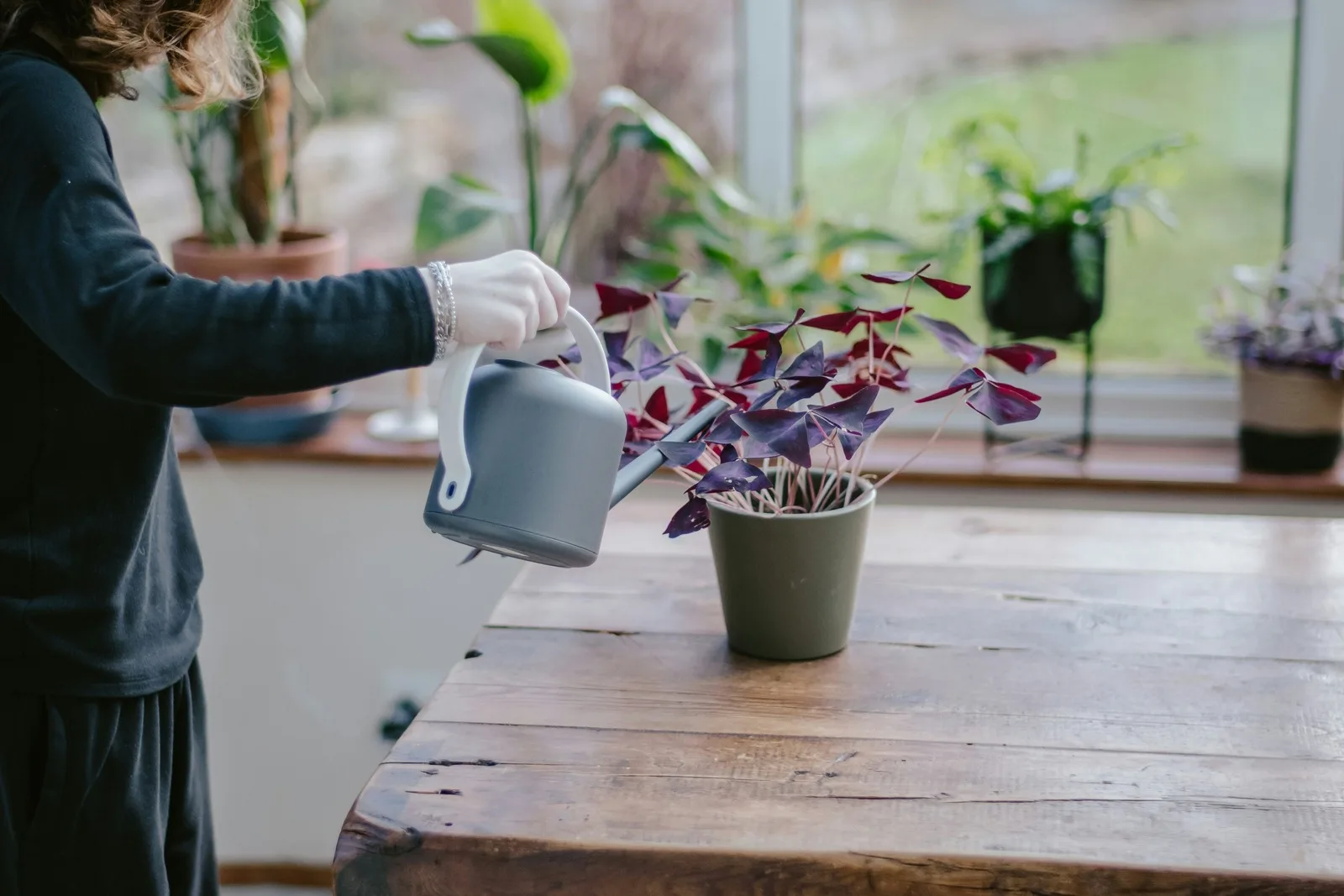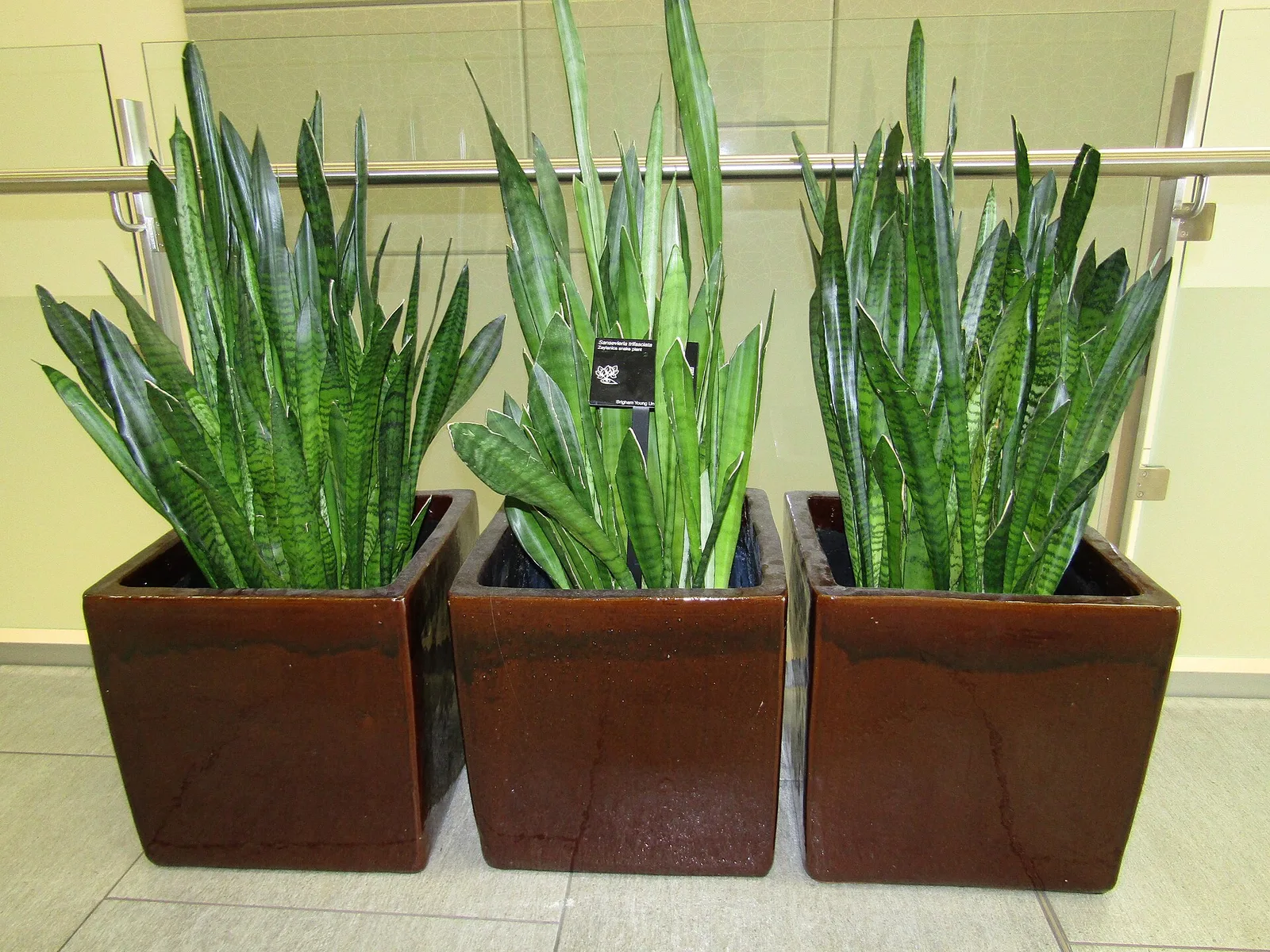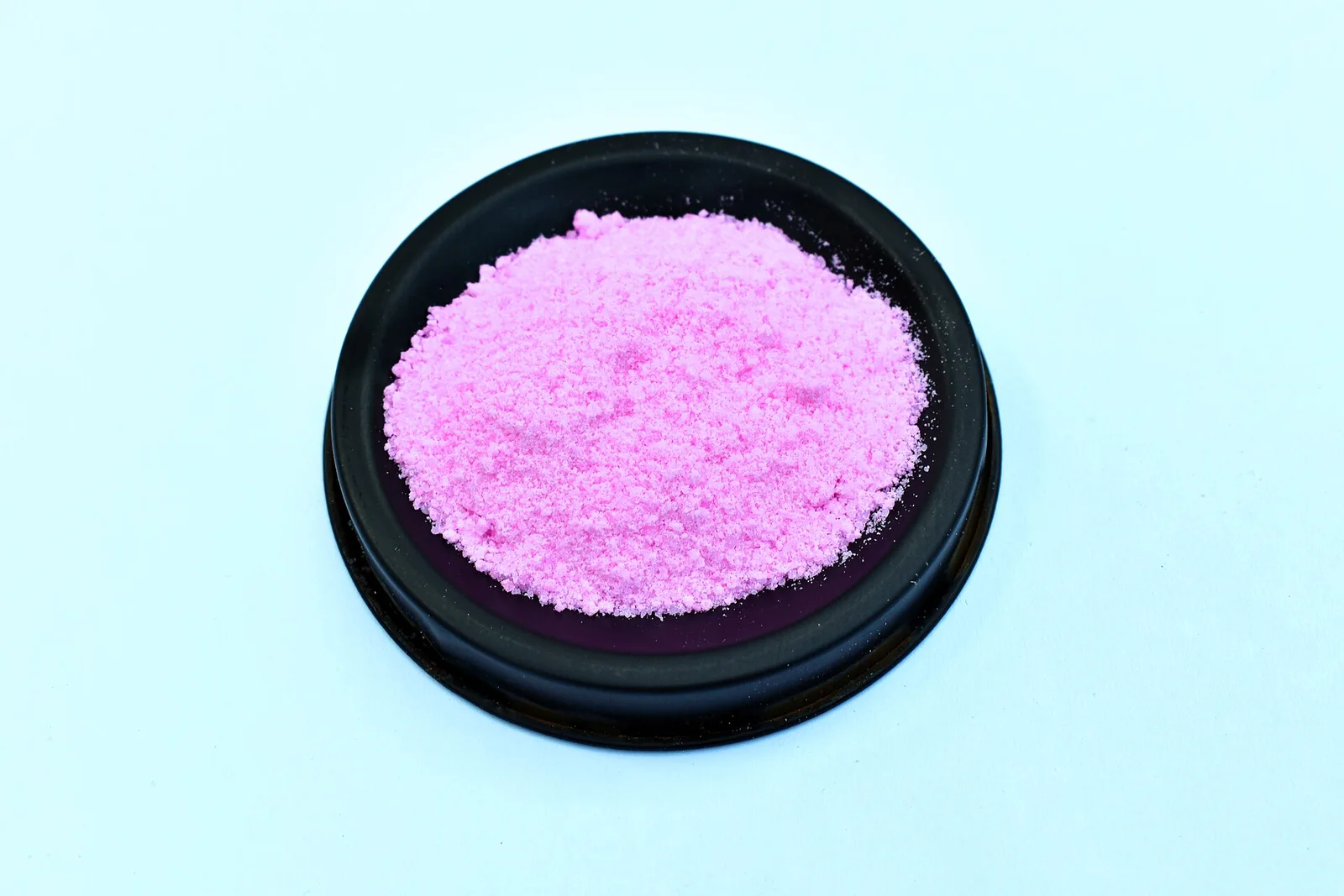
Your houseplants are growing in a closed system — a pot of soil that gets depleted a little more with every watering. Unlike outdoor plants that benefit from decomposing organic matter and microbial activity in the ground, potted plants depend entirely on you for nutrition. The best fertilizer for houseplants replenishes what the soil loses without burning roots or creating salt buildup.
Below are six popular options across liquid, slow-release, and organic categories.
NPK Explained Simply
Every fertilizer label shows three numbers (like 9-3-6). These are the NPK ratio:
- N (Nitrogen): Drives leaf growth and green color. The most important nutrient for foliage houseplants.
- P (Phosphorus): Supports root development and flowering. Important for blooming plants.
- K (Potassium): Strengthens overall plant health, disease resistance, and water regulation.
For most foliage houseplants, you want higher nitrogen relative to phosphorus. A ratio like 3-1-2 or 9-3-6 is ideal. Flowering plants benefit from balanced or higher-phosphorus formulas.
When to Fertilize: Seasonal Calendar
| Season | Action | Why |
|---|---|---|
| Spring (Mar-May) | Start fertilizing — full strength every 2 weeks | Growth resumes, plants are hungry |
| Summer (Jun-Aug) | Continue every 2 weeks or monthly | Peak growth season |
| Fall (Sep-Nov) | Reduce to monthly, then stop | Growth slows as light decreases |
| Winter (Dec-Feb) | Stop fertilizing completely | Most plants are dormant — fertilizer causes salt buildup |
Warning
Never fertilize a dry plant. Always water first, then fertilize. Applying fertilizer to dry roots can cause chemical burn. Also never fertilize a stressed, sick, or newly repotted plant.
1. Dyna-Gro Foliage Pro 9-3-6 — Best Overall
Dyna-Gro Foliage Pro is a liquid concentrate with a 9-3-6 ratio that suits foliage houseplants. The maker says it contains all 16 essential nutrients plants need — not just NPK, but calcium, magnesium, sulfur, iron, manganese, zinc, copper, boron, and molybdenum. Many basic fertilizers list only a few of these.
Why it is good: The complete micronutrient profile is the differentiator. Plants in standard potting mix eventually run low on calcium, magnesium, and iron — deficiencies that show up as yellowing leaves, stunted growth, or pale new growth. A complete formula helps prevent these. Follow the label dose, or use a diluted dose at every watering (the weakly-weekly method).
Pros:
- Complete formula with micronutrients
- 3-1-2 ratio suits foliage plants
- Concentrated — a small bottle goes a long way
- Urea-free, according to the maker
Cons:
- Liquid concentrate requires measuring and mixing
- Bottle design makes precise pouring difficult
- Not organic (synthetic)
- Can cause salt buildup if overused (flush soil periodically)
2. Espoma Indoor! Liquid Plant Food — Best Organic
Espoma has been making organic plant food since 1929. Their Indoor formula (2-2-2) is gentle, balanced, and contains their proprietary Bio-tone beneficial microbes. The balanced NPK means it works for both foliage and flowering houseplants without favoring one over the other.
Pros:
- Organic formula
- Gentle 2-2-2 formula — harder to over-fertilize
- Contains beneficial microbes for soil health
- No chemical smell
Cons:
- Lower nutrient concentration than synthetic options
- Needs more frequent application
- Not a complete micronutrient formula like Dyna-Gro
- Slightly more expensive per-feeding than synthetics
3. Osmocote Smart-Release Plant Food — Best Low-Effort
Osmocote are those little yellow and brown pellets you see in nursery soil. Each pellet is coated with a resin that slowly dissolves, releasing nutrients over 4-6 months. Sprinkle them on top of the soil or mix them in during repotting, and you are done for the season. The 14-14-14 formula is balanced for general use.
Pros:
- Apply once every 4-6 months — set and forget
- Consistent, slow nutrient release
- Hard to over-fertilize (the slow-release coating controls dosing)
- Great for people who forget to fertilize
Cons:
- No control over nutrient timing — it keeps releasing even in winter
- Pellets can attract curious pets
- 14-14-14 ratio is more phosphorus than most foliage plants need
- Does not include micronutrients
4. Schultz Liquid Plant Food 10-15-10 — Best Budget
Schultz is a long-standing brand and its liquid plant food is widely available in hardware and grocery stores. The dropper bottle is convenient — follow the drops-per-quart dose on the label, no measuring spoons needed.
Pros:
- Inexpensive
- Dropper bottle — easy to dose
- Widely available
- Works fine for general houseplant care
Cons:
- 10-15-10 ratio is high in phosphorus — not ideal for foliage plants
- No micronutrients
- Synthetic — not organic
- Blue dye can stain surfaces if spilled
5. Joyful Dirt Organic Fertilizer — Best for Beginners
Joyful Dirt is a granular organic fertilizer in a shaker bottle. Sprinkle it on top of the soil, water it in, done. The shaker packaging makes it hard to over-apply. The formula (8-1-5 with mycorrhizal fungi) is well-suited for foliage plants, and it smells pleasantly earthy rather than chemical.
Pros:
- Shaker bottle — very easy to use
- Contains mycorrhizal fungi
- Good NPK ratio for foliage plants
- Organic (check the label before using around pets)
Cons:
- More expensive per-application than liquid concentrates
- Granules sit on soil surface and can get moldy if overwatered
- Less precise dosing than liquid
6. FoxFarm Big Bloom Liquid Concentrate — Best for Flowering Plants
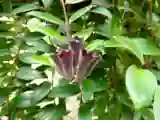
If you grow flowering houseplants — African violets, orchids, hoyas, jasmine, lipstick plant — Big Bloom is formulated to support blooming. The 0.01-0.3-0.7 NPK is very low, which sounds counterintuitive, but Big Bloom is designed as a gentle, consistent feed with earthworm castings, bat guano, and kelp. The maker positions it as a feed that supports soil life and flowering.
Pros:
- Made for flowering houseplants
- Organic — earthworm castings and bat guano
- Very gentle — low risk of burning plants
- Supports soil microbiome
Cons:
- Very low NPK — not enough nutrition as a sole fertilizer for fast-growing foliage plants
- Needs to be paired with a stronger fertilizer for non-flowering plants
- Earthy smell that some people dislike
Signs of Over-Fertilizing
- White crusty salt deposits on soil surface or pot rim
- Brown, crispy leaf tips (fertilizer burn)
- Wilting despite moist soil
- Yellowing lower leaves
- Stunted or distorted new growth
Fix: Flush the soil by running water through the pot for several minutes to wash out excess salts. Skip fertilizing for a month.
Signs of Under-Fertilizing
- Pale or yellowing leaves (especially older/lower leaves)
- Slow or no new growth during growing season
- Small new leaves compared to older ones
- Loss of variegation (plant prioritizes chlorophyll production)
Pro Tip
The weakly-weekly method is the safest approach: use 1/4 strength fertilizer every time you water during growing season. This provides consistent, gentle nutrition without the risk of a monthly full-strength dose burning roots.
Frequently Asked Questions
Can I use outdoor fertilizer on houseplants?
Technically yes, but outdoor fertilizers are often too strong and formulated for different needs. Stick with products labeled for indoor or houseplant use.
Do new plants need fertilizer right away?
No. Fresh potting soil has enough nutrients for 4-8 weeks. Newly bought plants should acclimate to your home for 2-4 weeks before you start fertilizing.
Is organic better than synthetic?
Both work. Organic fertilizers are gentler, support soil biology, and are safer for pets and edibles. Synthetic fertilizers are more concentrated, cheaper per dose, and faster-acting. Choose based on your priorities.
How do I know which fertilizer my plant needs?
For most foliage houseplants, a balanced or nitrogen-heavy liquid fertilizer (like Dyna-Gro 9-3-6) is the right choice. Only specialize if you grow flowering plants, orchids, or have specific deficiency symptoms.