Quick Summary
Root rot is a fungal condition that destroys plant roots when they sit in waterlogged soil for too long. It is a common cause of houseplant death, but early detection and quick treatment can save many plants. This guide covers identification, a step-by-step treatment protocol, when to call it quits, and a prevention checklist.
If overwatering is one of the biggest threats to houseplants, root rot is the weapon it uses. Root rot is not a single disease — it is a group of fungal and bacterial infections that attack roots when they are deprived of oxygen. Healthy roots need air just as much as they need water, and when soil stays waterlogged, the balance tips toward pathogens like Pythium, Phytophthora, and Fusarium that thrive in wet, low-oxygen environments.
The problem with root rot is that it happens underground, out of sight. By the time you notice symptoms above the soil, the damage is often significant. That is why knowing the early signs is so important.
What Causes Root Rot?
Root rot does not happen randomly. It is always caused by one or more of these factors:
Overwatering
The primary cause. Watering too frequently, watering on a fixed schedule regardless of soil moisture, or giving too much water at once keeps the soil constantly saturated. Roots need to breathe, and waterlogged soil cuts off their oxygen supply.
Poor Drainage
Even correct watering frequency cannot save a plant in a pot without drainage holes, or in soil that compacts and holds water. Clay-heavy or old, broken-down peat moss mixes drain poorly and stay wet far too long.
Wrong Soil Mix
Standard potting mixes are often too moisture-retentive for many houseplants. Plants like succulents, cacti, Snake Plants, and ZZ Plants need gritty, fast-draining mixes. Even tropical plants like Monstera and Philodendrons benefit from added perlite or pumice.
Oversized Pots
A pot that is too large for the plant holds more soil than the roots can use. That excess soil stays wet, creating a reservoir of moisture around roots that are not actively drinking from it.
Cold Temperatures
Cold soil slows root metabolism and water uptake. If you water at the same rate in winter as in summer, the soil stays wet much longer. Cold, wet soil is the ideal breeding ground for root rot pathogens.
How to Identify Root Rot
Above-Ground Signs (What You See)
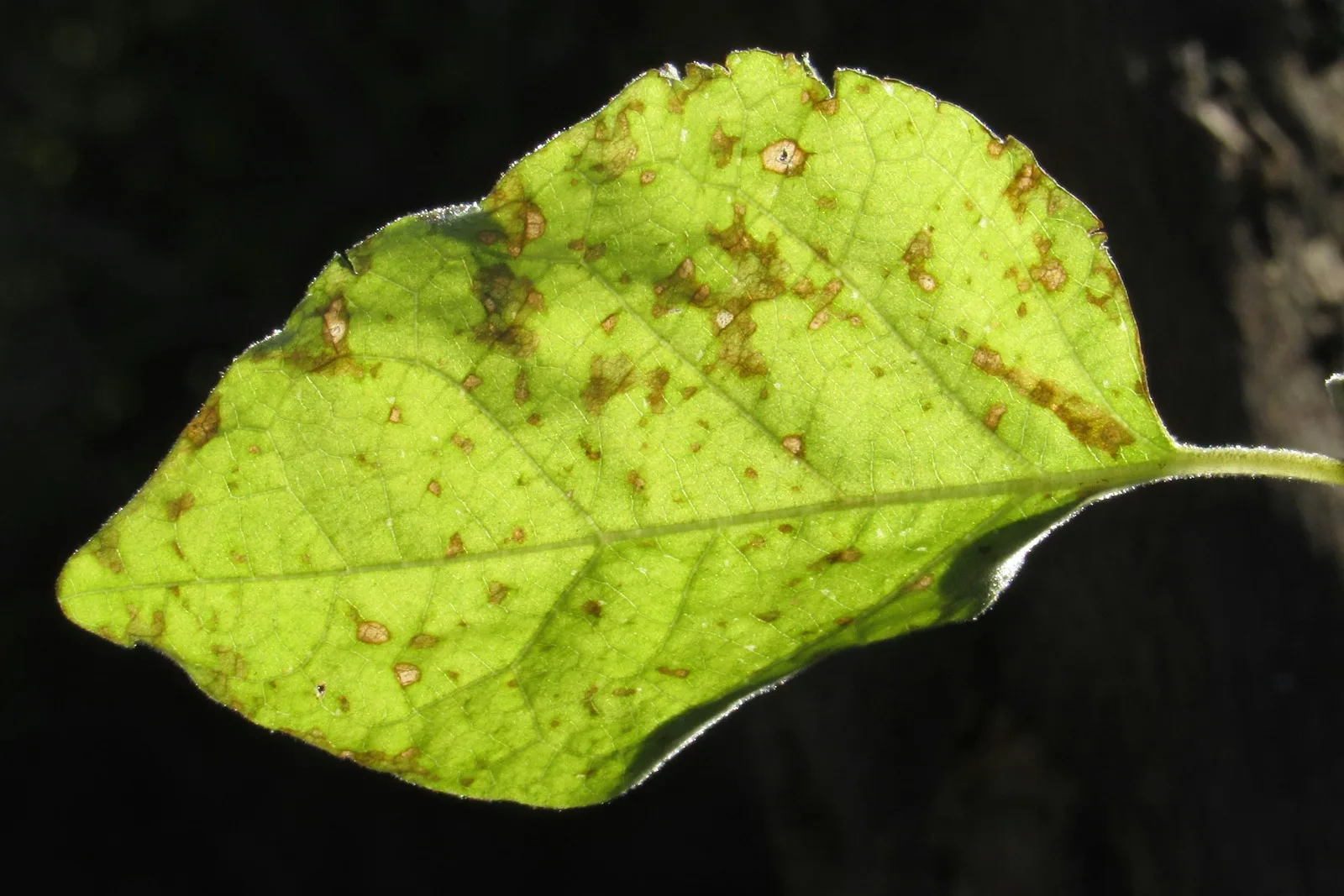
- Yellowing leaves — starting with the lower, older leaves
- Wilting despite wet soil — the plant looks thirsty but the soil is moist or wet
- Mushy or translucent stems — especially at the base where they meet the soil
- Slow or no new growth — even during the growing season
- Leaves dropping — including leaves that look relatively healthy
- A musty or sour smell — coming from the soil or pot
- Fungus gnats — they love the moist, decaying environment that root rot creates
Below-Ground Signs (What You Find)
To confirm root rot, you need to unpot the plant and look at the roots:
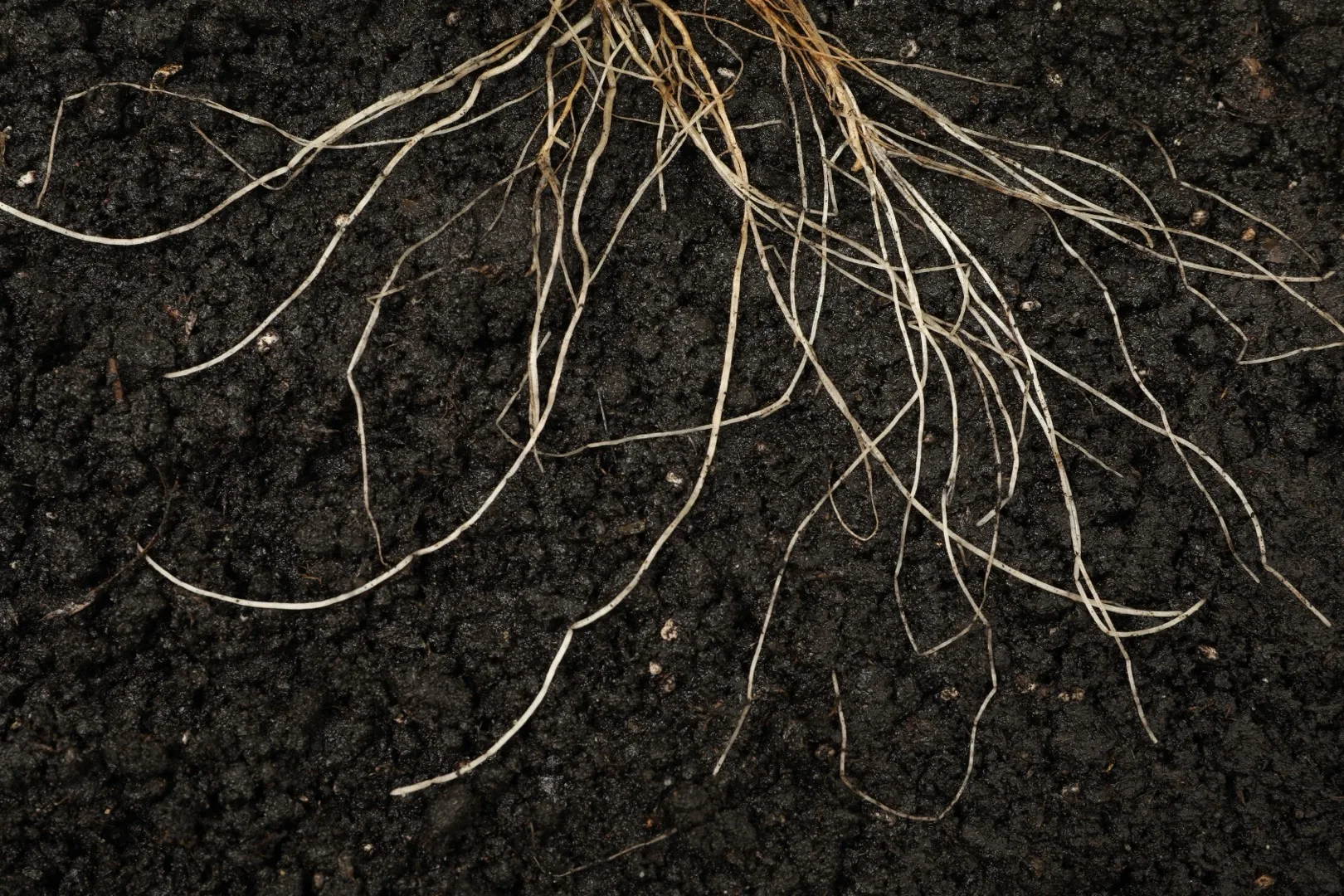
- Healthy roots: White or light tan, firm, and springy. They hold together when touched.
- Rotted roots: Brown or black, mushy, slimy. They fall apart or slide off the root core when touched. They may smell foul.
Pro Tip
A moisture meter can help you catch the conditions that lead to root rot before it starts. If your meter consistently reads "wet" at the bottom of the pot days after watering, your soil is not draining well enough.
Step-by-Step Root Rot Treatment
Step 1: Remove the Plant From Its Pot
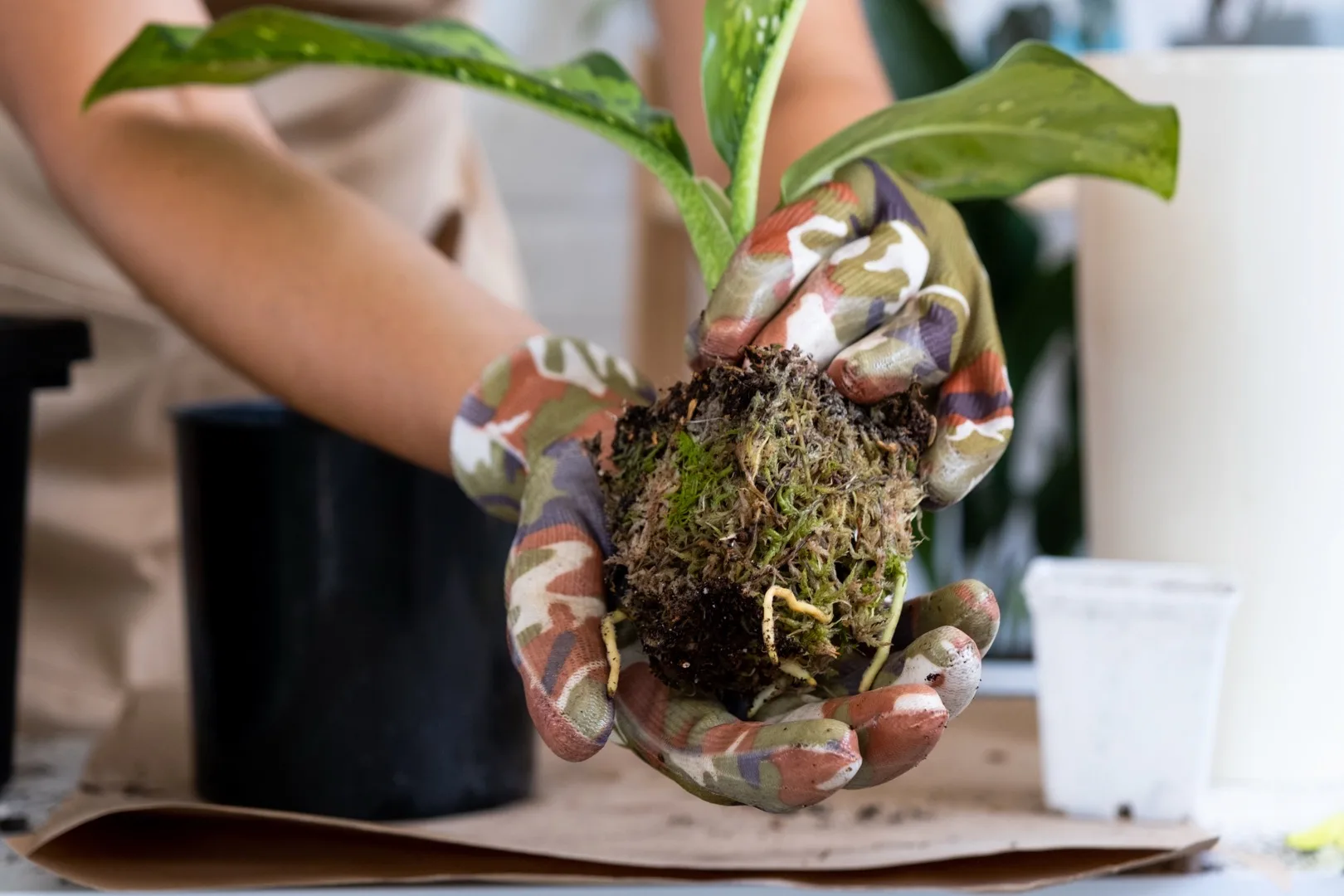
Gently slide the plant out. If it is stuck, squeeze the sides of the pot (if plastic) or run a knife around the inside edge. Be as gentle as possible with the roots.
Step 2: Wash the Roots
Rinse off all the old soil under lukewarm running water. You need to see the roots clearly to assess the damage. Old, contaminated soil should not be reused.
Step 3: Assess the Damage
Separate the healthy roots from the rotted ones. This determines your next steps:
- Less than 25% rotted: Excellent chances of recovery. Proceed with treatment.
- 25-50% rotted: Good chances with aggressive trimming and proper aftercare.
- 50-75% rotted: Possible recovery, but the plant will need significant time. Consider propagating healthy cuttings as an insurance policy.
- More than 75% rotted: Recovery is unlikely. Focus on salvaging healthy stems for propagation.
Step 4: Cut Away Rotted Roots
Using clean, sharp scissors or shears (sterilize with rubbing alcohol between cuts), trim away every root that is brown, black, mushy, or slimy. Cut at least half an inch into healthy tissue to ensure you are past the infection. Do not leave any rotted material — it will continue to spread.
Step 5: Treat the Remaining Roots
Options for treating the trimmed root system:
- Hydrogen peroxide soak: Mix 1 part 3% hydrogen peroxide with 4 parts water. Soak roots for 5-10 minutes, then rinse. Many growers use it to help clean trimmed roots; try it on one plant first.
- Cinnamon powder: Dust the cut ends with ground cinnamon, which has natural antifungal properties.
- Fungicide: For severe cases, a copper-based fungicide provides stronger protection.
Step 6: Repot in Clean, Fast-Draining Soil
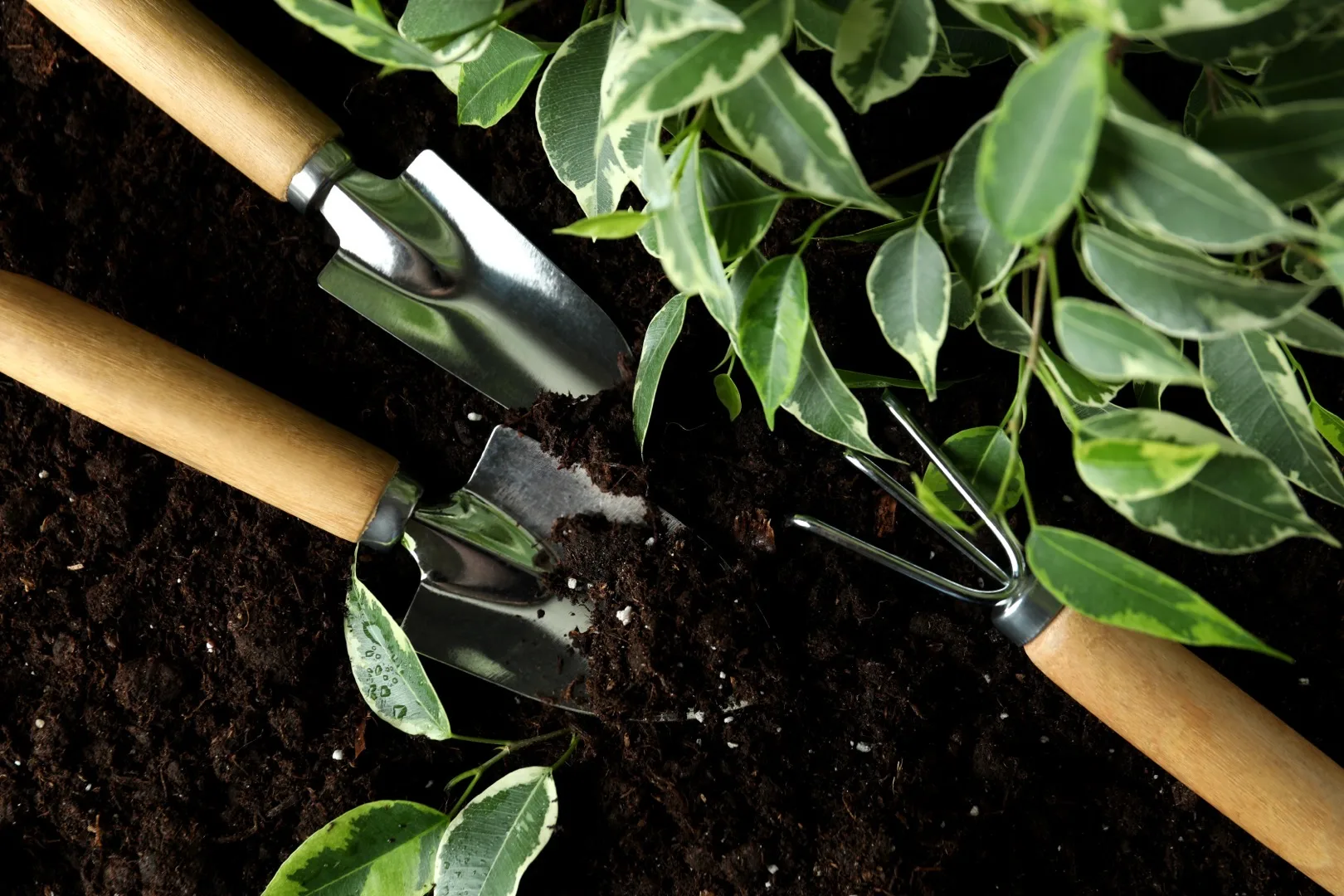
Use a fresh potting mix amended with at least 30% perlite or pumice for drainage. Choose a clean pot with drainage holes — if reusing the old pot, scrub it with a 10% bleach solution and rinse thoroughly. Size the pot to match the remaining root system — if you removed a lot of roots, go smaller.
Step 7: Aftercare
- Water lightly just to settle the soil — do not soak it
- Place in bright indirect light (not direct sun)
- Do not fertilize for at least 4-6 weeks — damaged roots are very sensitive to salt burn
- Water only when the top 2 inches of soil are dry
- Monitor closely for the next several weeks
Warning
Do not reuse the old soil or pot without sterilizing. Root rot pathogens persist in contaminated soil and can immediately re-infect a treated plant. Use fresh mix in a clean pot, every time.
When the Plant Is Beyond Saving
If the entire root system is gone or the stem base is black and mushy, the plant itself cannot be saved. But you can still salvage healthy parts:
- Stem cuttings: Cut healthy stems above the rot line and root them in water or fresh soil. Works well with Pothos, Philodendrons, Monstera, and many other tropicals.
- Leaf cuttings: Some plants like Snake Plants, Begonias, and succulents can grow new plants from individual healthy leaves.
- Division: If any section of the root system is healthy, separate it from the rotted portion and pot it independently.
Prevention Checklist
Root rot is far easier to prevent than to treat. Follow this checklist:
- Always use pots with drainage holes — this is non-negotiable
- Use well-draining soil — add perlite, pumice, or orchid bark to standard mixes
- Check soil moisture before watering — use the finger test or a moisture meter
- Match pot size to plant size — no more than 1-2 inches larger than the root ball
- Empty saucers after watering — do not let pots sit in standing water
- Reduce watering in winter — plants use less water when growth slows
- Ensure good air circulation — stagnant air keeps soil wet longer
- Repot periodically — old soil breaks down and drains poorly over time
Frequently Asked Questions
Can root rot fix itself?
No. Root rot is caused by active fungal and bacterial pathogens that continue to spread as long as conditions remain wet. The plant cannot fight the infection on its own. You need to physically remove the rotted roots, treat the remaining ones, and change the soil and watering conditions. Without intervention, root rot will eventually kill the plant.
What does root rot smell like?
Root rot produces a distinctive sour, musty, or swampy smell. Some people describe it as similar to rotting vegetables. If you notice a foul smell coming from your plant pot, check the roots immediately — that odor almost always indicates active root rot.
Does cinnamon really work for root rot?
Cinnamon has mild natural antifungal properties and can help protect cut root ends from reinfection. It is not a cure for active root rot on its own — you still need to remove the damaged roots and improve drainage. Think of cinnamon as a supplemental treatment, not a standalone solution. It works best dusted on freshly cut root surfaces after trimming.
Should I water a plant right after treating root rot?
Give a very light watering just to settle the new soil around the roots, but do not soak it. The whole point of treating root rot is to get the roots out of waterlogged conditions. Let the soil dry significantly before the next watering. Err heavily on the side of underwatering for the first few weeks of recovery.
Sources and further reading
- Root Rots of Houseplants — Iowa State University Extension and Outreach
- Houseplant Diseases & Disorders — Clemson Cooperative Extension (Home & Garden Information Center)