Quick Summary
Leggy plants are stretching toward light they are not getting enough of. The technical term is etiolation, and the fix is straightforward: more light. This guide explains why it happens, which plants are most prone, how to fix existing legginess with pruning and propagation, and when a grow light makes sense.
Your plant was once compact and bushy. Now it looks like it is reaching for something — long, spindly stems with wide gaps between leaves. The leaves themselves might be smaller than they used to be, and the plant has a stretched, sparse appearance. This is etiolation, and it is one of the most common houseplant problems — and one of the most fixable.
What Is Etiolation?
Etiolation is a plant's biological response to insufficient light. When a plant does not get enough light for photosynthesis, it puts all its energy into stem elongation — literally stretching toward whatever light source it can find. It sacrifices leaf size, stem thickness, and compact form in a desperate attempt to reach better light.
In the wild, this makes sense. A seedling on the forest floor needs to outgrow its neighbors to reach sunlight. But in your living room, there is no canopy to grow past — the plant just keeps stretching until it becomes weak and floppy.
Signs Your Plant Is Getting Leggy
- Long spaces between leaves (large internodes) — the stem stretches but does not produce leaves at the normal rate
- Stems are thinner than normal — the plant invests in length over girth
- Leaves are smaller than they should be — not enough light energy to produce full-sized leaves
- Leaves are pale or light green — less chlorophyll due to reduced light
- The plant leans heavily toward the nearest window
- Lower leaves drop — the plant sheds older leaves it cannot support
Which Plants Are Most Prone to Legginess?
Some plants show etiolation faster and more dramatically than others:
- Succulents — Echeveria, Sempervivum, and other rosette-forming succulents stretch quickly in low light and lose their compact shape
- Pileas (Chinese Money Plant) — become tall and sparse instead of bushy
- Herbs — basil, mint, and other windowsill herbs get leggy fast without enough direct sun
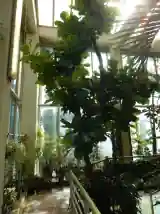
- Fiddle Leaf Fig — develops long bare sections of trunk with leaves only at the top
- Coleus — stretches rapidly and loses its bushy form
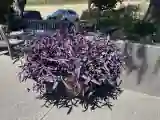
- Tradescantia (Wandering Dude) — develops long bare vines with sparse leaves
- Jade Plant — reaches and leans, losing its tree-like shape
Pro Tip
Succulents are the best "indicator species" for light levels in your home. If a succulent is stretching, your other plants are probably getting less light than they would like too — they just do not show it as dramatically.
How to Fix a Leggy Plant
Step 1: Increase the Light
This is the root cause, so it must be addressed first. Otherwise, any corrective pruning will just lead to more leggy regrowth.
- Move the plant closer to a window — within 2-3 feet of a bright window
- South- and west-facing windows provide the strongest light
- If natural light is limited (north-facing rooms, small windows, short winter days), add a grow light
- Rotate the plant a quarter turn each week so all sides get even light exposure
Step 2: Prune Back the Leggy Growth
Once you have improved the light situation, prune the leggy stems. Cutting back encourages the plant to branch out and grow bushier rather than taller.
- Cut just above a leaf node (the bump or joint where a leaf grows from the stem)
- The plant will push out new growth from nodes below the cut
- You can cut back aggressively — most plants tolerate losing up to a third of their height
- For succulents, cut the rosette off the stretched stem and re-root it (see Step 3)
Step 3: Propagate the Cuttings
Do not throw away the pieces you pruned off — propagate them. This way you get free new plants and nothing goes to waste.
- Stem cuttings: Place in water or moist soil. Most tropicals (Pothos, Philodendrons, Tradescantia) root easily in water within 1-2 weeks.
- Succulent cuttings: Let the cut end callous for 2-3 days, then place on top of dry soil. Mist lightly. Roots will form in 2-4 weeks.
- Replant rooted cuttings back into the original pot to create a fuller, bushier appearance.
Grow Lights: When You Need One
A grow light is worth considering if:
- Your home has mostly north-facing windows
- You live in a region with short winter days (less than 10 hours of daylight)
- The plants you want to grow need more light than your space provides
- You keep succulents or other high-light plants in rooms without strong natural light
What to Look For
- Full-spectrum LED — the most efficient and longest-lasting option
- Brightness: At least 2000 lumens for a small area, more for larger collections
- Timer: Set it for 12-14 hours per day (plants need a dark period too)
- Distance: Follow the manufacturer's guidelines, but most LEDs should be 6-12 inches from foliage for succulents and 12-24 inches for tropicals
You do not need expensive or fancy grow lights. A clip-on LED grow light or even a bright full-spectrum LED bulb in a desk lamp can make a big difference for a few plants.
Prevention: Keeping Plants Compact
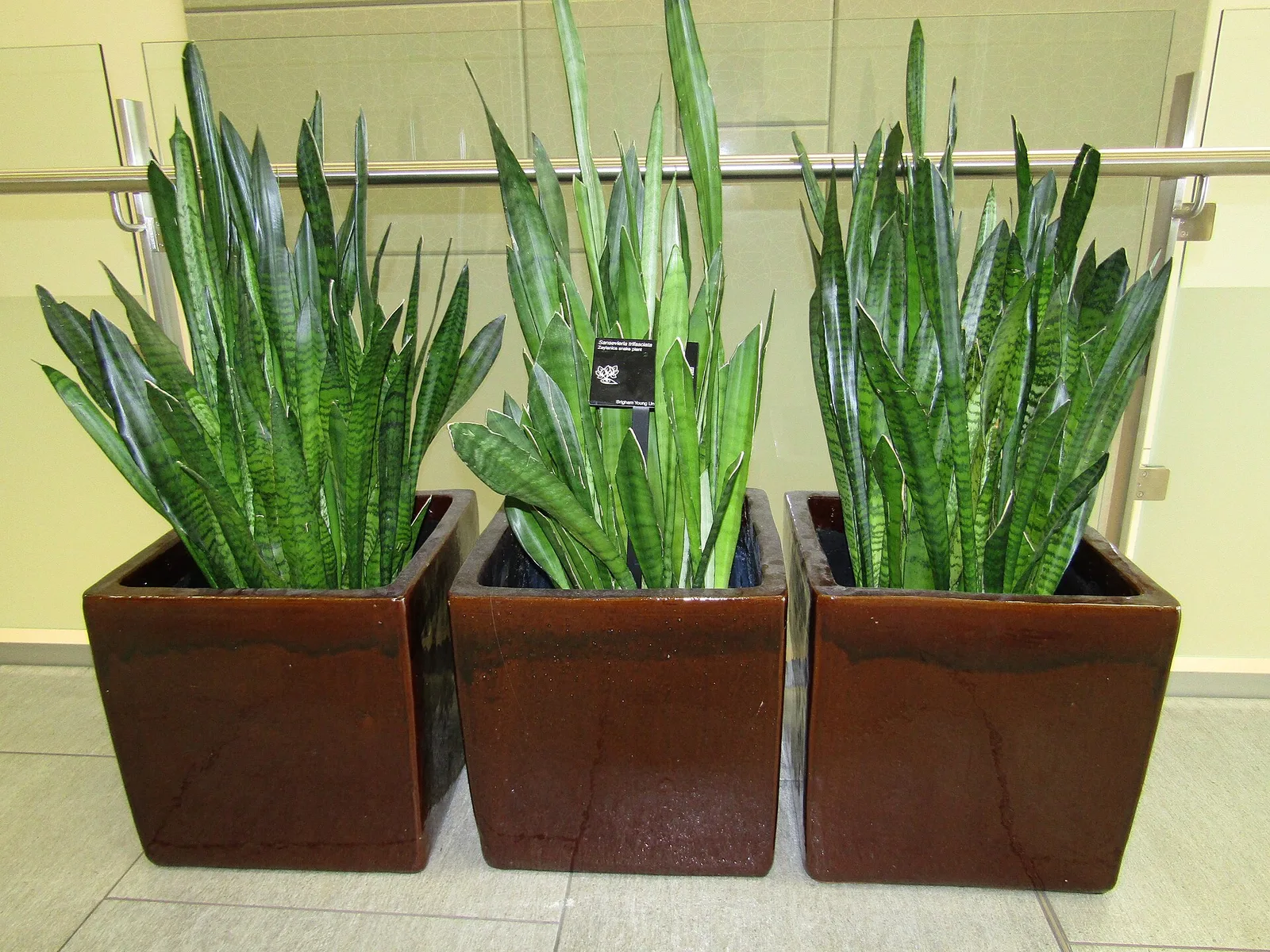
- Right plant, right place. Match your plant choices to your available light. If you have a dim apartment, stick with reliable low-light plants like Pothos, Snake Plant, ZZ Plant, and Philodendrons rather than light-hungry succulents.
- Rotate regularly. Give the plant a quarter turn each time you water to promote even growth on all sides.
- Pinch early. Pinching off the growing tips of young stems encourages branching and bushier growth before the plant has a chance to get leggy.
- Supplement with grow lights in winter. Even plants near windows may need a light boost during the darkest months.
Pro Tip
If you pinch or cut back a plant and it grows back leggy again, the light situation has not been adequately addressed. The plant is telling you it still needs more light. Move it closer to the window or increase your grow light duration before pruning again.
Frequently Asked Questions
Can a leggy plant go back to being compact?
The existing leggy stem will not shrink or thicken. But if you increase the light and prune the leggy growth, the new growth that emerges will be compact and properly spaced. Over time, the plant fills in and looks bushy again. For severely leggy plants, it is often faster to cut back hard and let it regrow, or propagate fresh cuttings and start over.
Is legginess harmful to the plant?
Legginess itself is not fatal, but it is a sign that the plant is not thriving. Leggy stems are weaker and more prone to breaking. The plant is spending energy on stem elongation instead of root development and leaf production. Over time, a plant in insufficient light will decline — producing smaller leaves, dropping older ones, and becoming increasingly vulnerable to pests and disease.
My succulent was compact when I bought it but got leggy within weeks. What happened?
Nurseries and garden centers grow succulents in greenhouses with intense overhead lighting. Your windowsill, even a sunny one, provides significantly less light — and the light comes from one side rather than overhead. Succulents are very light-hungry plants. If you want to keep succulents compact indoors, a grow light directly above them is almost always necessary, especially outside of summer.
Sources and further reading
- Lighting for Indoor Plants — University of Maryland Extension
- Houseplant Problems — UC Statewide IPM Program (University of California)
- Growing Indoor Plants Under Supplemental Lights — Iowa State University Extension and Outreach