Succulents & Cacti
Echeveria
Echeveria elegans
In short: Direct light · low water needs · non-toxic to cats and dogs (ASPCA)
Stunning rose-shaped succulents in pastel pinks, purples, blues, and greens. Perfect for windowsills, arrangements, and gifts.
- Light
- Direct
- Water
- Low
- Humidity
- Low
- Growth
- Slow
- Mature size
- 2-8 inches depending on variety
- Temperature
- 50–80°F (10–27°C)
Spring-Summer · Produces bell-shaped flowers on tall arching stalks in spring/summer. Flowers come in orange, pink, yellow, or red. Remove spent flower stalks a...
Last updated
Overview
Echeveria: Living Rosette Sculptures
Echeverias are the supermodels of the succulent world. Their perfectly symmetrical rosettes in pastel pinks, purples, blues, and greens look almost too perfect to be real.
Made for Photos
Few plants photograph as beautifully as Echeveria. Their geometric perfection and soft colors make them endlessly photogenic and popular for weddings, gifts, and styled arrangements.
Varieties Galore
- Elegans: Classic pale blue-green rosettes
- Perle von Nurnberg: Lavender and pink tones
- Lola: Delicate pink-purple rosettes
- Black Prince: Deep burgundy-black leaves
Collect multiple varieties for a stunning windowsill display. They propagate easily from leaves, so one plant quickly becomes many.
Watering
Soak-and-dry method: water thoroughly when soil is completely dry, then do not water again until bone dry. Every 1-2 weeks in summer, every 3-4 weeks in winter. Never get water in the rosette center — causes rot. Bottom watering works best.

Light
Need at least 4-6 hours of bright, direct light daily. South-facing window is ideal. Without enough light, they stretch (etiolate) and lose their compact rosette shape. Gradually acclimate to direct sun to prevent sunburn.

Soil
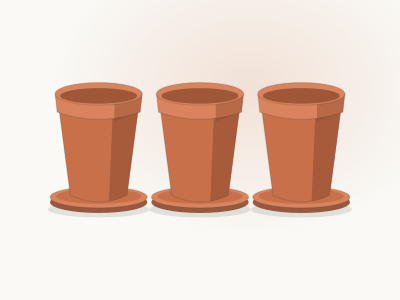
Fast-draining succulent/cactus mix. Add extra perlite or pumice for even better drainage. Shallow pots with drainage holes work best. Terracotta is ideal.

Fertilizing
Feed 2-3 times during growing season with succulent fertilizer at quarter strength. Do not fertilize in winter dormancy. Less is more — excess fertilizer causes leggy growth.

Propagation
Incredibly easy from leaf cuttings. Gently twist off a healthy leaf (clean break is key), let dry 2-3 days, place on dry succulent soil. Mist occasionally. Baby rosettes appear in 2-4 weeks. Also propagate from offsets and stem cuttings.

Repotting
Every 1-2 years in spring. Use a pot just slightly larger. Shallow, wide pots work best. Handle carefully — the powdery coating (farina) on leaves is protective and does not regrow once removed.
Common problems
Stretching (etiolation): Not enough light. Move to sunnier spot. Cannot be reversed — propagate the top for a fresh start.
Mushy leaves: Overwatering. Reduce immediately, check for root rot.
Brown lower leaves: Natural reabsorption — remove dried leaves to prevent pests.
Mealybugs: Check between leaves. Treat with rubbing alcohol.
Pro tips
Leaf propagation factory: Every fallen leaf is a potential new plant. Keep a propagation tray going!
Do not touch: The powdery farina coating protects from sun and water. Fingerprints remove it permanently.
Stress colors: Mild drought and bright light bring out the most vivid colors.
FAQ
Echeveria questions
Starter kit
Get set up for your Echeveria
Untick anything you already have.
The basics

Extras for your Echeveria
Was this helpful?
Your answer helps us improve this page.
Your answer didn't go through. Please try again.
Thanks for your feedback!
Similar plants
Plants like this one
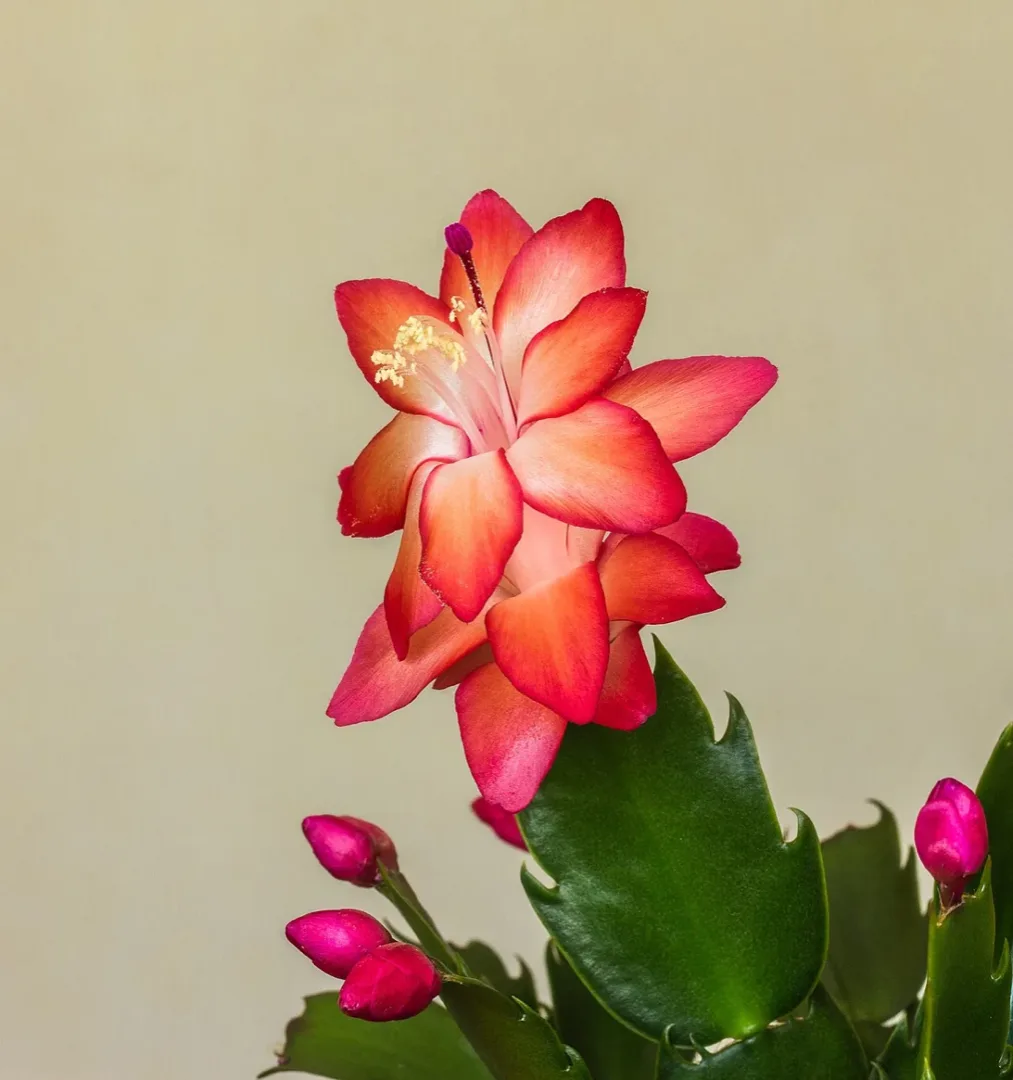 Non-toxic to pets
Christmas Cactus
Schlumbergera bridgesii
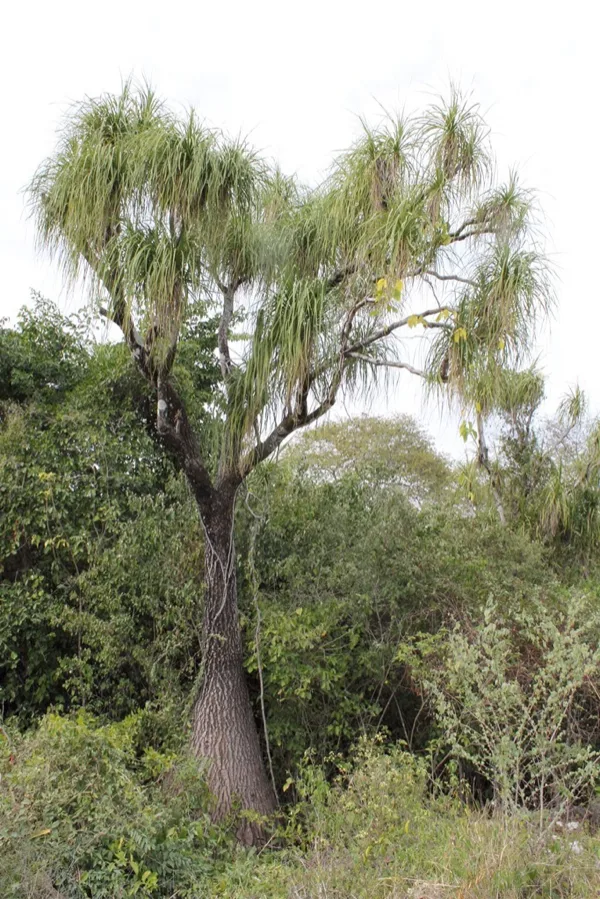 Non-toxic to pets
Ponytail Palm
Beaucarnea recurvata
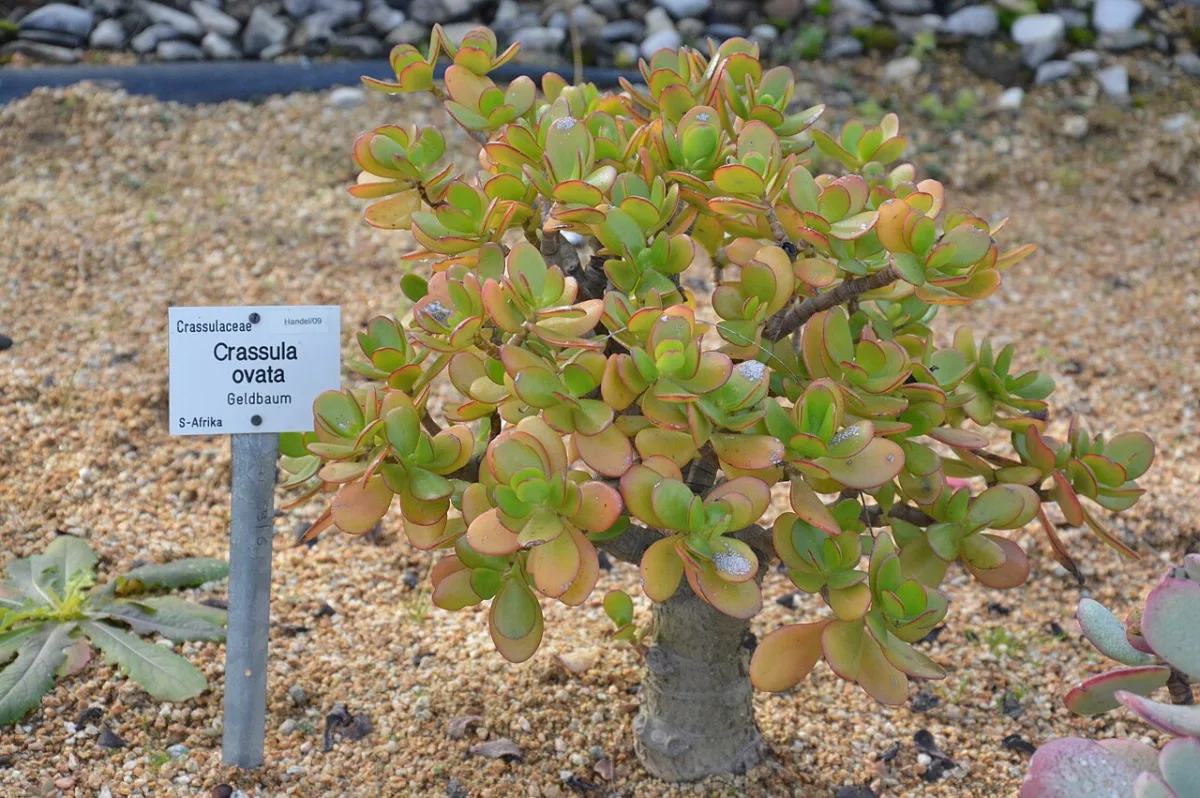
Jade Plant
Crassula ovata
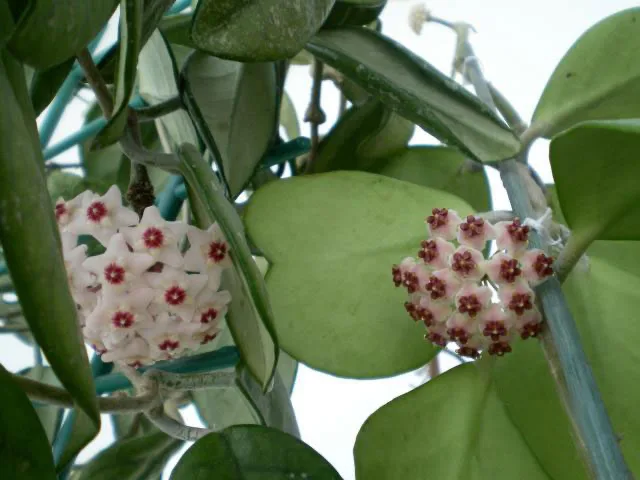 Non-toxic to pets
Hoya Kerrii
Hoya kerrii
Free care tools
Keep your Echeveria thriving.
Get a watering schedule for your conditions, or work out what's wrong when something looks off.