Quick Summary
Overwatering is one of the most common ways houseplants die — but catching it early means you can often save your plant. This guide covers the telltale signs, a step-by-step rescue process, the hydrogen peroxide root treatment, and a prevention plan so it never happens again.
Here is a truth every plant parent needs to hear: overwatering is one of the most common ways houseplants die. And the cruel irony is that overwatering often comes from a place of love. You care about your plant, so you water it. Then you water it again because the leaves look a little droopy. Then again because you are not sure if you watered it this week.
The result? Roots that are sitting in soggy soil, slowly suffocating and rotting. But if you catch the signs early enough, you can absolutely save your plant. Let us walk through exactly how.
Overwatering vs. Underwatering: How to Tell the Difference
These two problems can look surprisingly similar at first glance. Both cause wilting and yellowing. But the details are different:
| Sign | Overwatered | Underwatered |
|---|---|---|
| Leaves | Yellow, soft, limp | Brown, crispy, dry |
| Leaf feel | Mushy or soggy | Papery and brittle |
| Soil | Wet, stays moist for days | Dry, pulling from pot edges |
| Stems | Soft, may be darkening at base | Firm but dry |
| Smell | Musty, sour, or rotten | No unusual smell |
| Pot weight | Heavy | Very light |
| New growth | Small, pale, or dropping off | Wilted but firm |
| Fungus gnats | Often present | Absent |
Pro Tip
The simplest test: stick your finger two inches into the soil. If it is wet and cold, the plant is overwatered. If it is bone dry, it is underwatered. If it is lightly moist, leave it alone — most plants are happy at this level.
Signs Your Plant Is Overwatered
Look for these warning signs, roughly in order from early to severe:
- Soil stays wet for more than a week after watering
- Yellowing lower leaves — the oldest leaves turn yellow and soft first
- Mushy or translucent leaves — they feel waterlogged to the touch
- Wilting despite wet soil — this is the classic confusing sign that tricks people into watering more
- Fungus gnats hovering around the soil — they thrive in constantly moist conditions
- Mold or algae on the soil surface
- Darkening or soft stems at the base of the plant
- Foul smell from the soil — a sure sign of root rot
- Leaves dropping rapidly, including healthy-looking ones
- Black, mushy roots when you unpot the plant
Step-by-Step: How to Save an Overwatered Plant
Step 1: Stop Watering Immediately
This sounds obvious, but it bears stating. Do not water the plant again until you have assessed the situation and the soil has dried appropriately.
Step 2: Move to Bright Indirect Light
More light means the plant can use water faster through transpiration. Move it to a bright spot with indirect light — not direct sun, which adds stress to an already struggling plant.
Step 3: Assess the Damage
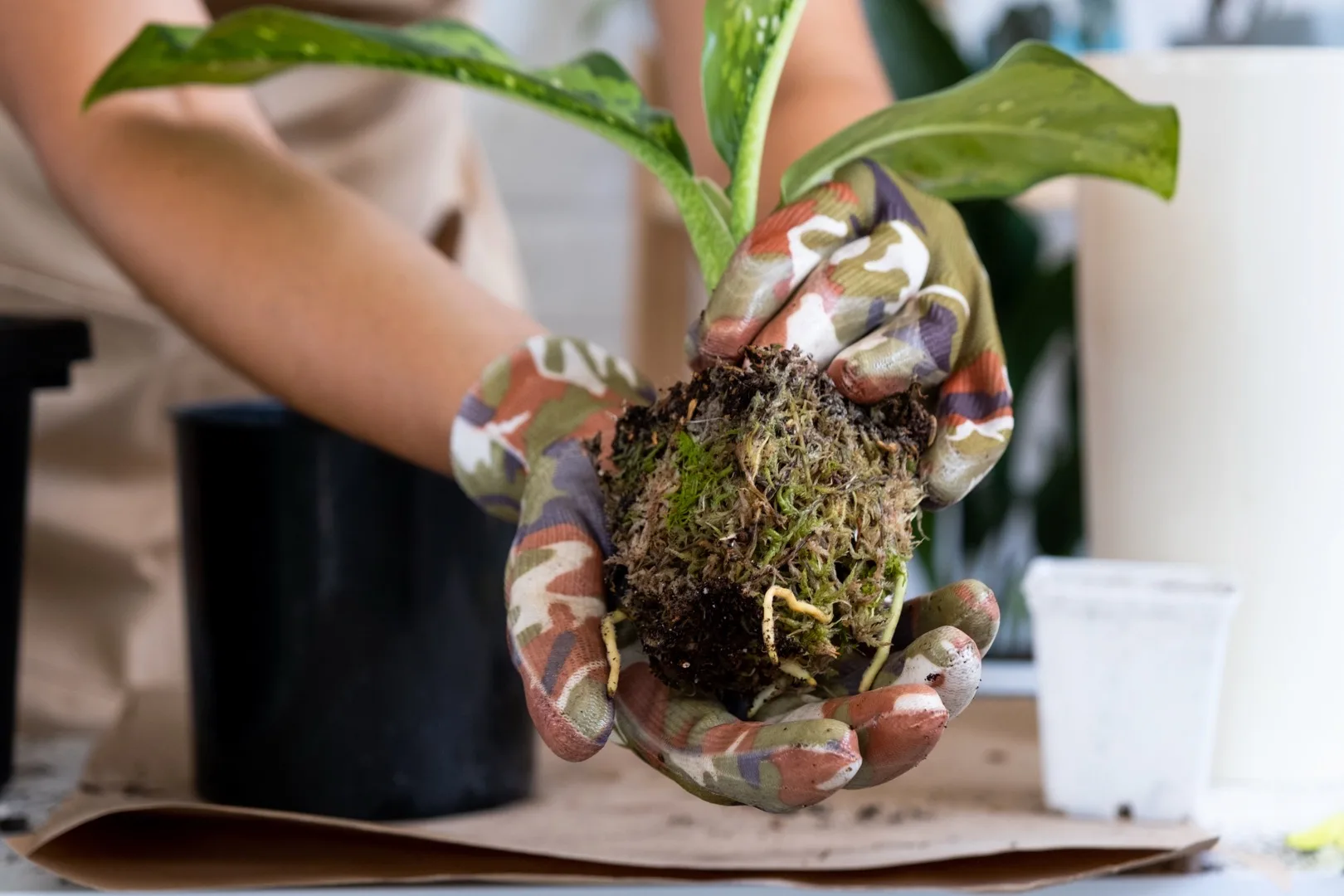
Gently remove the plant from its pot. This is the moment of truth. Look at the roots:
- White or tan, firm roots = healthy. Your plant caught a break — skip to Step 6.
- Some brown, mushy roots mixed with healthy ones = moderate root rot. Proceed to Step 4.
- Almost all roots are brown/black and mushy = severe rot. Still worth trying, but be prepared that the plant may not make it.
Step 4: Remove Rotted Roots
Using clean, sharp scissors or pruning shears, cut away every root that is brown, black, mushy, or slimy. Cut back to where you see healthy white or tan tissue. Do not be shy — it is better to remove too much than to leave rotting material that will continue to spread.
Step 5: The Hydrogen Peroxide Treatment
Mix one part 3% hydrogen peroxide with four parts water. Soak the remaining healthy roots in this solution for 5-10 minutes. Many growers use it to help clean trimmed roots before repotting, and it releases oxygen as it breaks down. Try it on one plant first, and rinse with clean water afterward.
Pro Tip
Use regular 3% hydrogen peroxide from the pharmacy — nothing stronger, and always diluted as above. The fizzing you see is the peroxide breaking down into water and oxygen; stronger solutions can damage roots.
Step 6: Repot in Fresh, Well-Draining Soil
Do not put the plant back in the same wet soil. Use fresh potting mix — and improve drainage by mixing in perlite or pumice (about 30% of the total volume). Choose a pot with drainage holes. If the roots lost significant volume, size down the pot — a pot that is too large holds more moisture than the remaining roots can handle.
Step 7: Water Lightly and Wait
Give the repotted plant a light watering — just enough to settle the soil. Then wait. Do not water again until the top two inches of soil are dry. For the first few weeks, err on the side of too dry rather than too wet.
Step 8: Remove Damaged Foliage
Trim off any leaves that are yellow, mushy, or heavily damaged. This lets the plant focus its limited root capacity on supporting healthy foliage.
Recovery Timeline
Be patient. An overwatered plant does not bounce back overnight.
- Mild overwatering (no root rot): 1-2 weeks to perk up
- Moderate root rot: 3-6 weeks for new root growth and visible recovery
- Severe root rot: 6-12 weeks, and some plants will not make it despite your best efforts
During recovery, do not fertilize. The roots are compromised and cannot handle the salt load. Wait until you see healthy new growth before resuming a diluted fertilizer routine.
When to Give Up and Propagate Instead
Sometimes the roots are too far gone, but the stems and leaves still look decent. In that case, your best bet is propagation:
- Take stem cuttings from healthy portions of the plant
- Root them in water or a light, moist potting mix
- Plants like Pothos, Philodendrons, and Monstera propagate readily from cuttings
- Succulents can be propagated from individual healthy leaves
Warning
If the stem base is black and mushy, the rot has moved above the root zone. Take cuttings from any remaining healthy stems above the rot line immediately — the longer you wait, the higher the rot climbs.
How to Prevent Overwatering
Prevention is always easier than rescue. Here is your overwatering prevention checklist:
- Always check soil moisture before watering. The finger test or a moisture meter removes the guesswork.
- Use pots with drainage holes. No exceptions. Decorative cache pots are fine, but always use a nursery pot inside them, and empty the cache pot after watering.
- Use well-draining soil. Mix perlite or pumice into standard potting mix. Succulents and cacti need even grittier mixes.
- Match pot size to plant size. A pot that is too large holds excess moisture the roots cannot use.
- Adjust for seasons. Plants use less water in fall and winter. Reduce watering frequency accordingly — sometimes by half.
- Consider the material. Terracotta pots wick moisture away and dry out faster than plastic or ceramic. They are a good choice for people who tend to overwater.
- Water thoroughly but infrequently. Soak the soil until water drains from the bottom, then do not water again until the appropriate amount of soil has dried (varies by plant).
Plants Most Prone to Overwatering Damage
Some plants are more forgiving of wet feet than others. These are the ones to be extra careful with:
- Succulents and Cacti — store water in their leaves; they need very infrequent watering
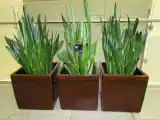
- Snake Plant — incredibly drought-tolerant; overwatering is the main way people kill them
- ZZ Plant — has thick rhizomes that store water; let soil dry completely between waterings
- String of Pearls — tiny root system that rots quickly in wet soil
- Fiddle Leaf Fig — surprisingly fussy about water; wants to dry out partially between drinks
Common Questions
Can an overwatered plant recover on its own?
If the overwatering is mild and there is no root rot, yes — simply stop watering and let the soil dry out. The plant should perk up within a week or two. But if root rot has set in, the plant needs active intervention (unpotting, root trimming, fresh soil) to recover.
How long does it take for root rot to develop?
Root rot can begin within 7-10 days of roots sitting in waterlogged soil, though it depends on the plant species, soil composition, temperature, and pot drainage. Warm, stagnant conditions accelerate it. Some sensitive plants like succulents can develop rot in as little as 3-5 days.
Should I put my overwatered plant in direct sun to dry it out faster?
No. Direct sun stresses an already-compromised plant. Bright indirect light is ideal — it helps the soil dry without adding sunburn to the list of problems. You can also improve air circulation with a gentle fan to help the soil surface dry.
Is it better to underwater or overwater?
When in doubt, underwater. Almost every houseplant handles drought better than soggy roots. An underwatered plant will wilt and look sad, but it will bounce back within hours of a good drink. An overwatered plant with root rot may take weeks to recover — or may not recover at all.
How Long Does It Take to Save an Overwatered Plant?
Recovery time depends on the severity of overwatering and whether root rot has set in. Mildly overwatered plants can bounce back within 1-2 weeks if you stop watering and let the soil dry out. Plants with moderate root rot typically need 3-6 weeks to show new growth after repotting. Severely affected plants may take 2-3 months or may not recover at all.
Signs your plant is recovering include new leaf growth, firming of previously mushy stems, and the return of healthy green color to remaining leaves. Don't be alarmed if the plant drops a few damaged leaves during recovery — this is normal and actually helps the plant redirect energy to healthy growth.
Can You Use Hydrogen Peroxide on Overwatered Plants?
Yes — a diluted hydrogen peroxide solution (1 part 3% hydrogen peroxide to 4 parts water) can help overwatered plants in two ways. First, it introduces extra oxygen to waterlogged roots that are suffocating. Second, it has mild antifungal properties that can help combat early-stage root rot.
To use it: mix the solution and water the soil thoroughly, allowing it to drain completely. You can repeat this once a week for 2-3 weeks; try it on one plant first. However, hydrogen peroxide is not a substitute for proper drainage — if your pot lacks drainage holes or the soil stays perpetually wet, fix those issues first.
Best Soil Mix to Prevent Overwatering
The right soil mix is your best defense against overwatering. A well-draining mix should contain:
- Standard potting soil (60%) — provides nutrients and moisture retention
- Perlite (25%) — creates air pockets and improves drainage
- Orchid bark (15%) — prevents compaction and adds aeration
For plants especially prone to root rot (succulents, snake plants, ZZ plants), increase perlite to 40% and add coarse sand. Always use pots with drainage holes — no amount of good soil can compensate for a pot that traps water at the bottom.
Overwatering vs Underwatering: How to Tell the Difference
Confusing overwatering with underwatering is one of the most common plant care mistakes. Here's how to tell them apart:
Overwatered plants have yellow, mushy leaves that feel soft to the touch. The soil stays wet for days. Stems may feel soft or mushy at the base. You might notice a musty or rotting smell from the soil. Fungus gnats are often present.
Underwatered plants have dry, crispy leaves with brown edges. Leaves curl inward and the plant droops but stems remain firm. Soil pulls away from the pot edges and feels completely dry. The pot feels notably light when lifted.
The simplest test: stick your finger 2 inches into the soil. If it's soggy and your plant looks sad — you're overwatering. If it's bone dry and crumbly — you need to water more.
Frequently Asked Questions
Should I fertilize an overwatered plant to help it recover?
No. During recovery the roots are compromised and cannot handle the salt load from fertilizer. Wait until you see healthy new growth, then resume with a diluted fertilizer routine.
What are the signs an overwatered plant is recovering?
Look for new leaf growth, stems that were mushy becoming firm again, and healthy green color returning to the remaining leaves. Losing a few damaged leaves during recovery is normal and helps the plant redirect energy to healthy growth.
What should I do if the base of the stem is black and mushy?
That means the rot has moved above the root zone. Take cuttings from any remaining healthy stems above the rot line right away and root them in water or a light, moist mix, because the longer you wait, the higher the rot climbs.
Sources and further reading
- Diagnosing Houseplant Problems Related to Poor Culture — Iowa State University Extension and Outreach
- Root Rots of Houseplants — Iowa State University Extension and Outreach
- How to help a poorly houseplant — Royal Horticultural Society