Plant Drooping After Repotting? Here is What to Do
Quick Summary
- Drooping after repotting is normal — it is called transplant shock and usually resolves in 3-14 days
- Four causes: disturbed roots, too-large pot, wrong soil mix, or genuine root damage during repotting
- Do NOT overwater to help — excess moisture while roots are injured leads to rot
- Keep the plant in bright indirect light, not direct sun, during recovery
- If drooping persists beyond 3 weeks, unpot and inspect the roots
You repotted your plant with care, gave it fresh soil and a new pot — and now it is drooping dramatically. Before you panic, know this: plant drooping after repotting is one of the most common reactions in the plant world. It has a name — transplant shock — and in most cases, your plant will fully recover. The challenge is knowing when you are looking at normal recovery versus a sign that something went wrong during the process.
Why Plants Droop After Repotting
Transplant Shock
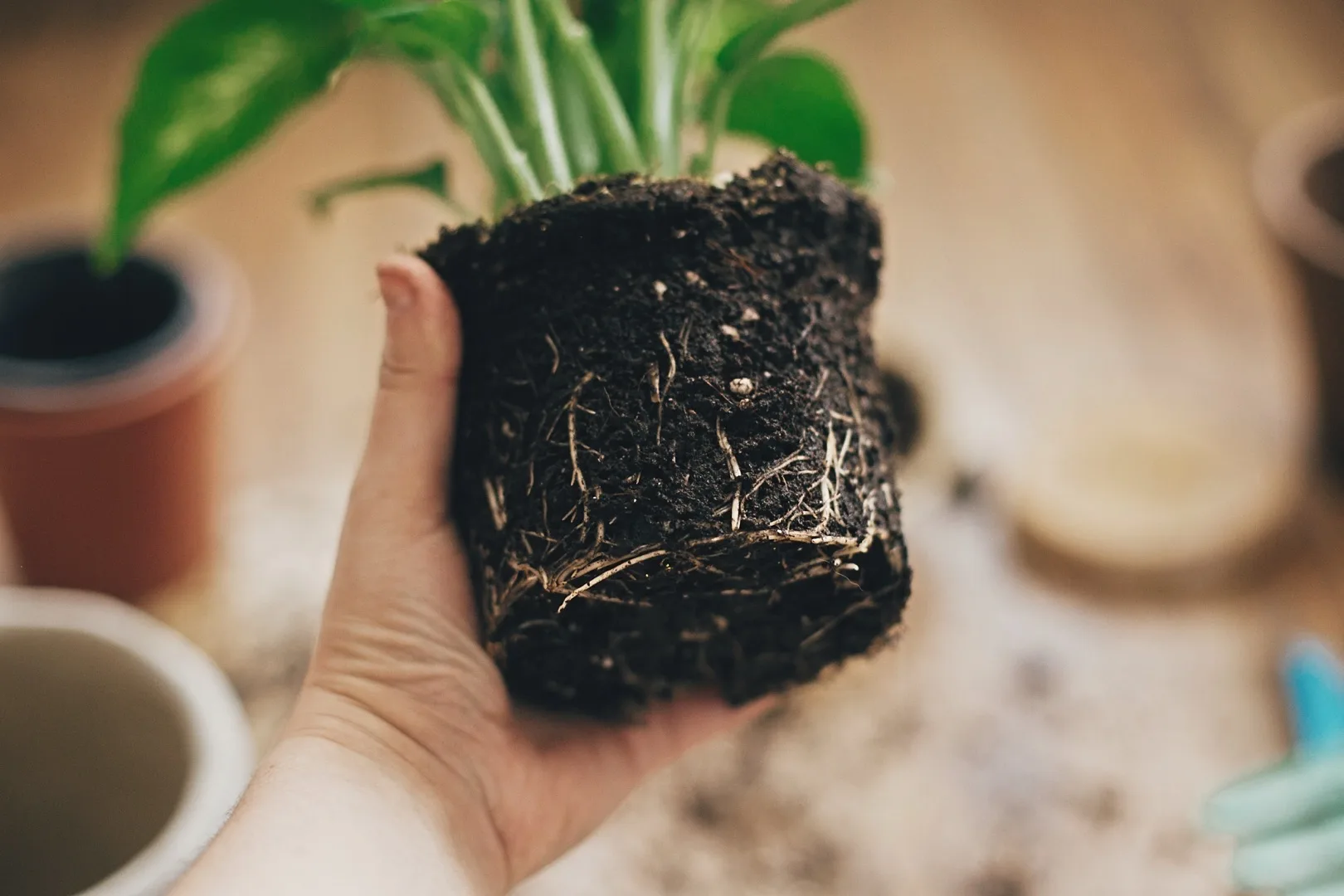
When you remove a plant from its pot, you inevitably disturb the root system — even when you are as careful as possible. Roots have established contact points with soil particles, and breaking those connections is inherently stressful. The fine root hairs responsible for water absorption are especially fragile and are easily damaged or torn during repotting. The plant droops because it temporarily cannot absorb water efficiently while those connections re-establish. Think of it as the plant going into a brief survival mode while it adapts to new soil. This is the most common and least serious cause of post-repotting droop.
Pot Size Jump
Moving a plant into a pot much larger than its previous one is a frequent mistake. Excess soil volume holds moisture that the smaller root ball cannot absorb, creating perpetually wet conditions around the roots. Roots sitting in soggy soil cannot breathe, which impairs water uptake and causes the same wilted appearance as underwatering — even though the soil is wet. The plant droops because oxygen-starved roots are functionally compromised. Always go up just 1-2 inches in pot diameter.
Root Damage During Repotting
Aggressively pulling a rootbound plant free, cutting too many roots during cleanup, or breaking major root sections while teasing the root ball apart can leave the plant genuinely impaired. Moderate root damage is recoverable — plants regenerate roots surprisingly quickly — but severe damage means the root system cannot support the above-ground growth, and the leaves will droop and potentially die back. If you noticed significant root breakage during repotting and the droop is severe, this may be a more serious recovery situation.
Wrong Soil Mix
Using heavy, moisture-retaining soil for a plant that needs excellent drainage — or using very fast-draining cactus mix for a tropical fern — creates immediate stress. The plant roots are accustomed to a specific moisture level and aeration. A sudden change in soil composition changes how quickly moisture is available to roots, causing a period of adjustment that manifests as wilting. Always match the soil mix to the plant specific needs.
Recovery Timeline
| Day Range | What to Expect | Action Needed |
|---|---|---|
| Days 1-3 | Peak drooping, possibly yellow lower leaves | Bright indirect light, no extra watering |
| Days 4-7 | Gradual recovery, plant begins to hold itself upright | Water only if soil is dry 2 inches deep |
| Days 7-14 | Most plants fully upright; may see new growth | Resume normal care |
| Days 14-21 | If still drooping, investigate root issues | Check soil moisture, consider unpotting |
| Beyond 21 days | Persistent droop indicates a deeper problem | Unpot, inspect roots, re-evaluate |
Step-by-Step Recovery Help
Follow these steps to give your plant the best chance of a fast recovery:
- Move to bright indirect light. Avoid direct sun during recovery — stressed roots cannot keep up with the water demand that intense light creates. A spot near a window with a sheer curtain is ideal.
- Hold the watering. Unless the soil feels completely dry, do not add more water. The plant needs to re-establish root contact with existing soil moisture, not flood.
- Increase ambient humidity. Misting the leaves or placing a humidifier nearby reduces the moisture load on the roots. When leaves lose less water through transpiration, the damaged roots can keep up.
- Do not fertilize. Skip fertilizer for at least 4-6 weeks. Fresh potting soil already contains nutrients, and fertilizer salts stress damaged roots further.
- Leave it alone. Do not move the plant repeatedly to check on it. Pick a stable spot with good indirect light and let the plant sit undisturbed.
- Remove dead leaves. If lower leaves turn completely yellow and limp, remove them to redirect the plant energy toward surviving growth.
Pro Tip
Dilute rooting hormone powder or a liquid rooting supplement in water and give this as the first post-repotting drink. Products containing IBA (indole-3-butyric acid) stimulate root regeneration and can cut recovery time significantly. Follow label directions carefully — do not use full-strength fertilizer as a substitute.
When to Re-Repot
If your plant is still drooping after 3 weeks and you have ruled out underwatering, it is worth unpotting to investigate. Signs that re-repotting may be needed: roots are sitting in soggy soil with no drainage improvement, you used completely wrong soil type (e.g., heavy clay mix for a succulent), or you can see roots that are clearly rotting and need to be trimmed. When re-repotting, be even more careful this time — use the correct soil mix, trim any rotted roots with sterile scissors, dust cuts with cinnamon powder, and downsize the pot if you had gone too large.
What NOT to Do
Several well-intentioned responses to post-repotting droop actually make things worse:
- Do not overwater. A drooping plant does not always need more water. Adding more water to a plant with compromised roots encourages rot.
- Do not fertilize immediately. This is one of the most common mistakes. Fertilizer burns vulnerable, freshly disturbed roots.
- Do not put in direct sun to perk it up. More light means more transpiration demand on roots that cannot yet deliver water efficiently.
- Do not repot again immediately. Another repotting adds more stress. Wait at least 3 weeks before considering it, and only if the situation is genuinely worsening.
- Do not prune heavily. One stress at a time. Hold off on any pruning until the plant shows signs of recovery.
Prevention for Next Time
The best transplant shock is the one that never happens. Water the plant thoroughly the day before repotting — moist roots handle disturbance far better than dry ones. Work quickly and handle the root ball gently. Have the new pot and soil ready before you start so the roots are exposed for the minimum time. Go up only 1-2 inches in pot size. Use appropriate soil for the species. Water thoroughly after repotting to settle the soil. And place the plant in indirect light for the first two weeks regardless of its normal light preference.
Frequently Asked Questions
Is it normal for a plant to lose leaves after repotting? Losing 1-3 older lower leaves is common and normal during transplant shock. Losing many leaves rapidly or losing new growth suggests a more serious problem.
How long does transplant shock last? For most houseplants, visible recovery happens within 7-14 days. Larger plants, plants with extensive root disturbance, or winter repotting may take up to 3-4 weeks.
My plant looks fine for the first day but droops on day 2 — why? The initial moisture in the soil keeps the plant turgid briefly. As those reserves are depleted and the damaged root system cannot keep up with refilling, the droop appears. This delayed reaction is actually very typical of transplant shock.
Can I save a plant that drooped severely after repotting? In most cases, yes. As long as the stem is still firm and not mushy, and there is at least some healthy root tissue remaining, the plant can recover. Give it time, correct conditions, and resist the urge to intervene excessively.
Written by
Plant Care Club
The Plant Care Club team combines years of hands-on plant parenting with science-based research to create guides you can actually trust. We test, we grow, we learn — so you can too.
94 articles published
Was this helpful?
Thanks for your feedback!
Related Articles
 Air Purifying
15 Best Air Purifying Plants for Your Home (Science-Backed)
Discover the 15 best air purifying plants backed by science — with care difficulty, pet safety ratings, and which room each one works best in.
 Air Purifying
Does Snake Plant Really Purify Air? Facts vs Fiction
Does the snake plant really purify air? We break down the NASA study, what toxins snake plants actually filter, and how many you need for a real effect.
 Plant Styling
7 Best Plant Identification Apps for 2026 (Free & Paid)
PictureThis, Greg, Planta, and four more plant apps put to the test in 2026. Which one actually identifies plants accurately and helps you keep them alive?