Succulents & Cacti
Aloe Vera
Aloe vera
In short: Direct light · low water needs · toxic to cats and dogs (ASPCA)
A sculptural succulent with gel-filled leaves. Beautiful rosette form, easy care, and a classic sunny-windowsill plant.
- Light
- Direct
- Water
- Low
- Humidity
- Low
- Growth
- Medium
- Mature size
- 1-2 feet indoors
- Temperature
- 55–80°F (13–27°C)
Winter-Spring · Mature Aloe Vera can send up a tall flower spike with tubular yellow or orange flowers. More common outdoors but possible indoors with enough li...
Last updated
Overview
Aloe Vera: Beauty Meets Tradition
Aloe Vera is both a stunning houseplant and a practical one. Thick, fleshy leaves contain a gel that has long been used traditionally on minor burns and skin irritations.
Easy Succulent Care
Like most succulents, Aloe Vera stores water in its leaves and prefers to dry out between waterings. Give it bright light and well-draining soil, and it practically takes care of itself.
More Than Just a Plant
- Gel traditionally used on minor burns and skin irritations
- Used in cosmetics and health drinks worldwide
- Produces offsets ("pups") freely for sharing
- Architectural rosette form adds modern style
Keep one on a sunny kitchen windowsill and enjoy its sculptural beauty year-round.
Watering
Water deeply but infrequently. Allow soil to dry completely between waterings — every 2-3 weeks in summer, monthly in winter. Aloe stores water in its leaves, so it handles drought much better than overwatering. Never let it sit in water.

Light
Loves bright, direct sunlight. A sunny south or west-facing window is ideal. Can tolerate bright indirect light but grows more slowly. Insufficient light causes leggy, pale growth. Acclimate gradually to direct sun to prevent sunburn.

Soil
Must have excellent drainage. Use cactus/succulent mix, or blend regular potting soil with coarse sand and perlite in equal parts. A terracotta pot helps wick excess moisture.

Fertilizing
Feed once in spring and once in summer with a succulent fertilizer at half strength. Does not need much feeding. Over-fertilizing causes soft, weak growth.
Propagation
Aloe produces offsets (pups) at its base. Wait until pups are 3-4 inches tall, then separate with a clean knife, let the cut dry for a day, and pot in dry succulent mix. Water lightly after a week.

Repotting
Every 2-3 years or when root-bound. Use a wide, shallow pot with drainage. Terracotta is ideal. Go up one size only. Do not water for a week after repotting to let roots heal.
Common problems
Soft, mushy leaves: Overwatering — the most common killer. Let soil dry completely.
Flat, thin leaves: Not enough light. Move to sunnier spot.
Brown leaf tips: Underwatering or too much direct sun without acclimation.
Leaning: Reaching for light — rotate regularly.
Pro tips
Kitchen window star: A sunny kitchen windowsill suits it well. For any skin use beyond minor irritation, ask a health professional first.
Pup factory: A happy Aloe produces many pups. Share with friends!
Terracotta is best: Porous clay pots help prevent overwatering by wicking moisture.
FAQ
Aloe Vera questions
Starter kit
Get set up for your Aloe Vera
Untick anything you already have.
The basics

Extras for your Aloe Vera
Was this helpful?
Your answer helps us improve this page.
Your answer didn't go through. Please try again.
Thanks for your feedback!
Plant hub
Everything about Aloe Vera
Similar plants
Plants like this one
 Non-toxic to pets
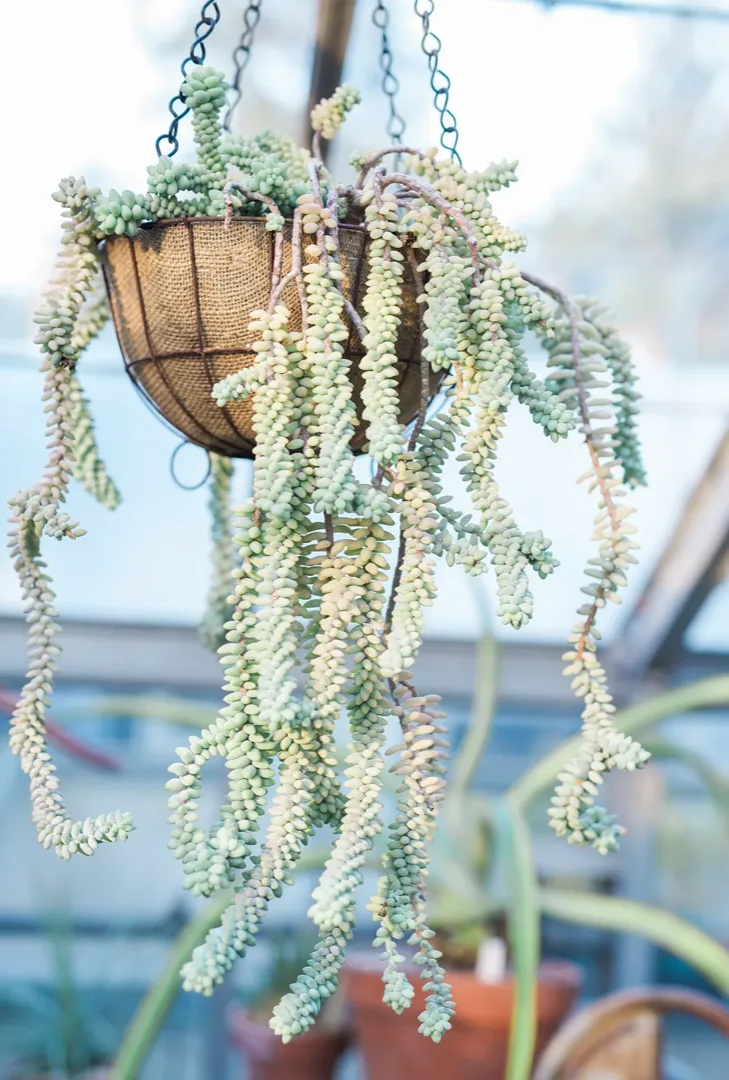
Burro's Tail
Sedum morganianum
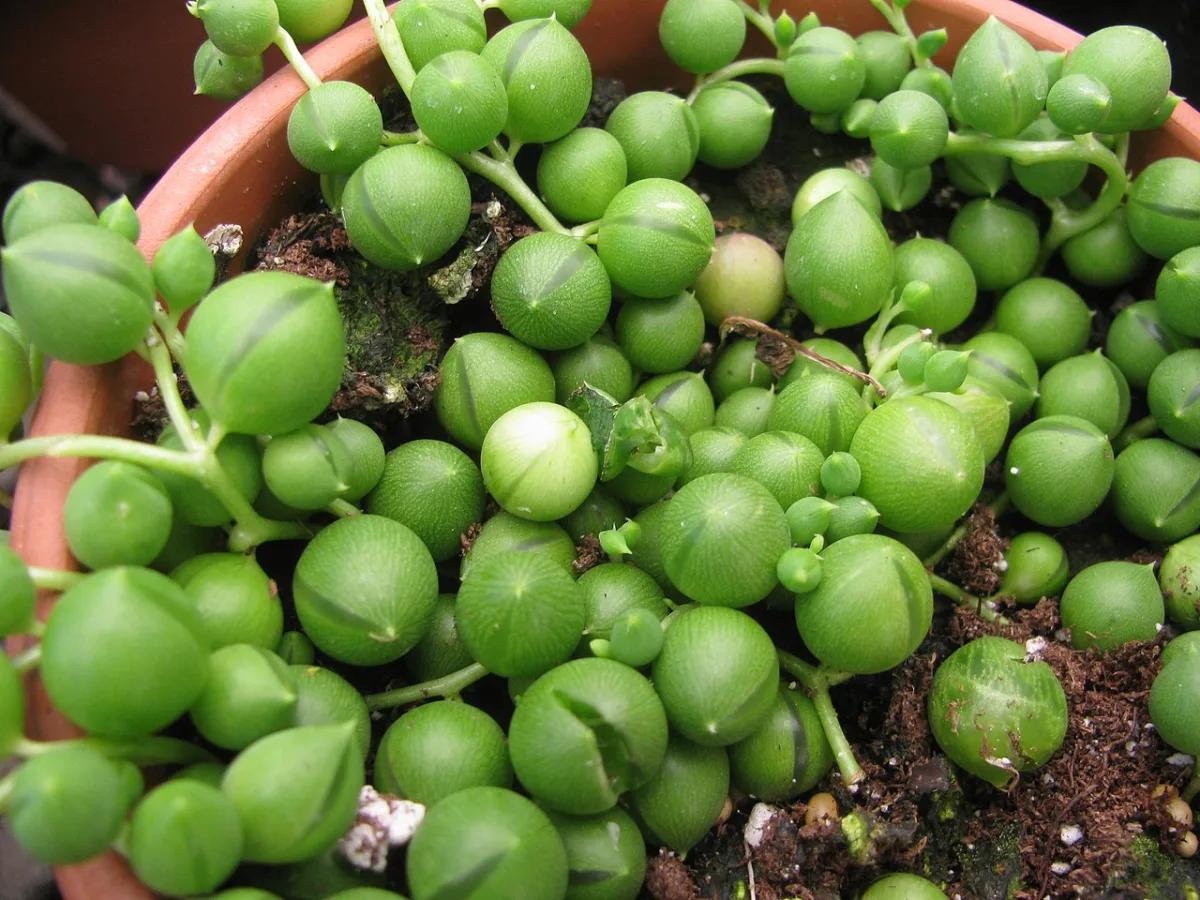
String of Pearls
Senecio rowleyanus
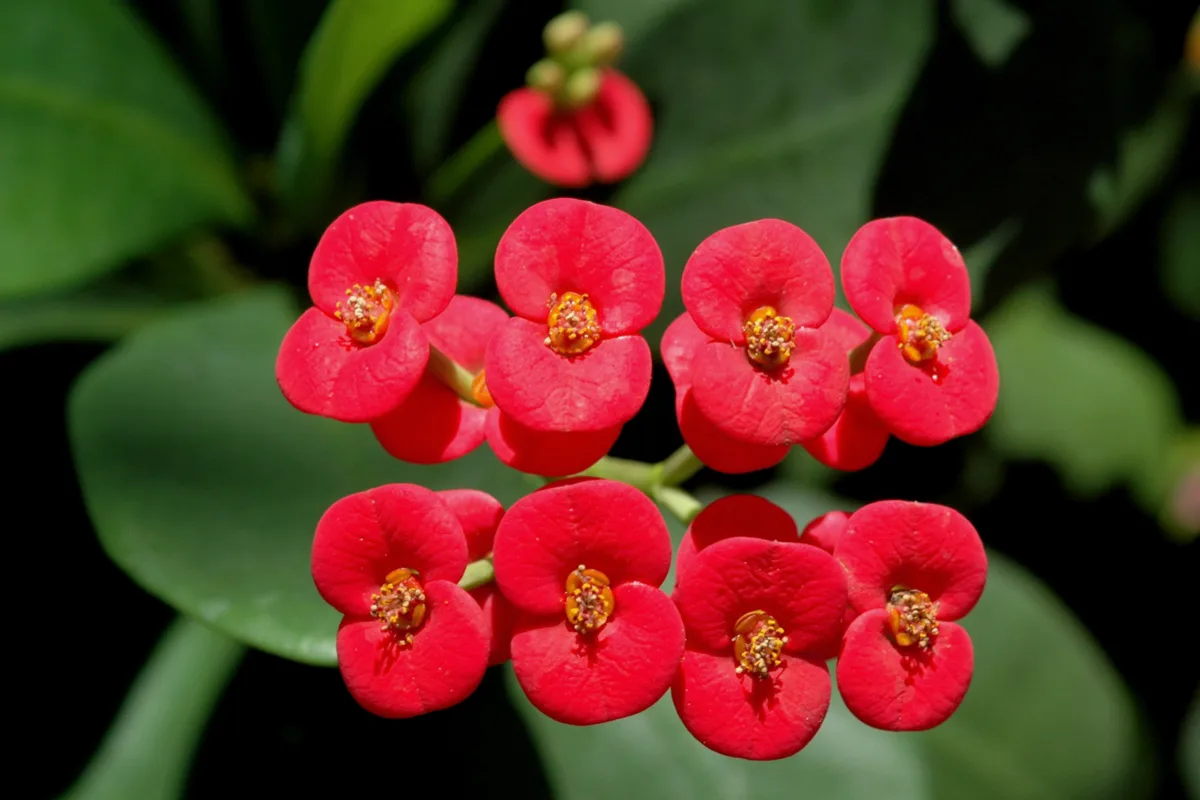
Crown of Thorns
Euphorbia milii
 Non-toxic to pets
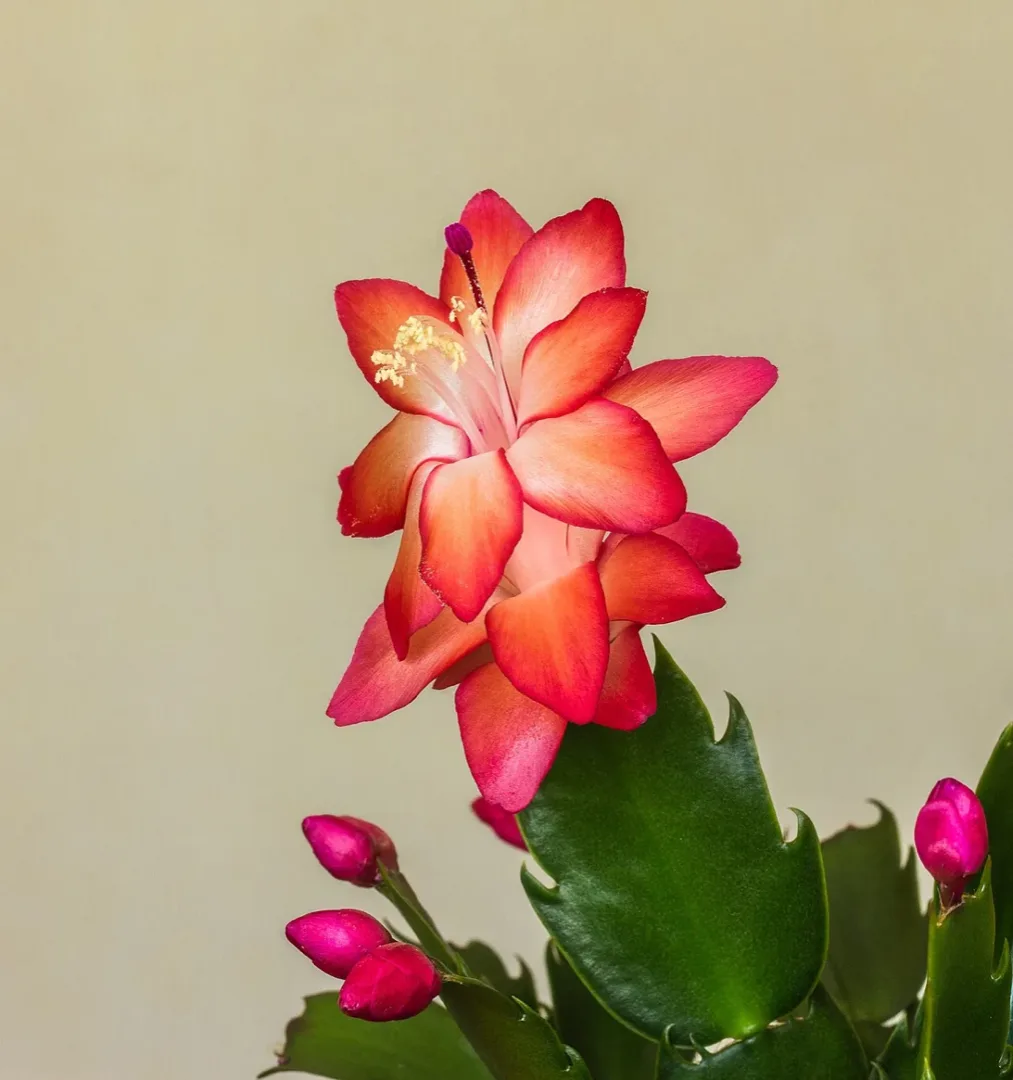
Christmas Cactus
Schlumbergera bridgesii
Free care tools
Keep your Aloe Vera thriving.
Get a watering schedule for your conditions, or work out what's wrong when something looks off.