Air Purifying
Peace Lily
Spathiphyllum wallisii
In short: Low light · medium water needs · toxic to cats and dogs (ASPCA)
Full Peace Lily care guideElegant white blooms and lush green foliage that thrives in low light. One of the easiest flowering houseplants for lower light.
- Light
- Low
- Water
- Medium
- Humidity
- High
- Growth
- Medium
- Mature size
- 1-4 feet
- Temperature
- 65–80°F (18–27°C)
Spring-Summer · Produces elegant white spathes primarily in spring and summer, though can bloom sporadically year-round. Each bloom lasts several weeks, gradual...
Last updated
Overview
Peace Lily: Elegant Low-Light Bloomer
The Peace Lily is beloved for its elegant white spathes, lush green foliage, and remarkable ability to thrive in low light. It is one of the few flowering houseplants that can bloom in fairly low light.
The NASA Connection
Peace Lilies were among the plants tested in NASA's 1989 Clean Air Study, which measured chemicals in small sealed chambers. At normal room scale the effect of a few houseplants on indoor air is negligible (what the research actually shows).
Built-in Watering Alarm
- Droops dramatically when thirsty
- Perks right back up after watering
- Never guess — the plant tells you exactly when it needs water
- Perfect self-communicating plant for beginners
The combination of beauty, low-light tolerance, and easy care makes Peace Lily a popular houseplant.

Watering
Water when top inch of soil is dry. Peace Lilies droop visibly when thirsty — a very clear watering signal. They perk right back up within hours of watering. Keep soil consistently moist but not soggy. Use filtered water — sensitive to chlorine and fluoride.

Light
Thrives in low to medium indirect light — a good low-light flowering plant. Some bright indirect light encourages blooming. Avoid direct sunlight which scorches the thin leaves. North or east-facing window is ideal.
Soil
Rich, well-draining potting mix. Standard indoor potting soil with added perlite works well. Likes slightly moist, nutrient-rich soil.
Fertilizing
Feed monthly during spring and summer with balanced liquid fertilizer at half strength. Over-fertilizing causes brown leaf tips and can reduce blooming. Stop in fall/winter.

Propagation
Propagate by division during repotting. Separate crowns with roots attached. Each division should have several leaves. Plant in fresh soil and keep moist. Cannot propagate from leaf or stem cuttings.

Repotting
Every 1-2 years in spring. Move up one pot size. Peace Lilies bloom better when slightly root-bound, so do not over-pot. Refresh soil to prevent salt buildup.
Common problems
Brown leaf tips: A common issue. Often caused by low humidity, tap water chemicals, or over-fertilizing. Use filtered water and mist regularly.
No blooms: Needs more light. Move to brighter indirect light spot.
Yellow leaves: Overwatering or natural aging of older leaves.
Drooping: Usually thirsty. Check soil — if dry, water. If wet, it may be root rot.
Pro tips
Filtered water: Switch to filtered, distilled, or rain water. Many growers find this reduces brown tips.
Bloom boost: Move to brighter indirect light in spring to trigger flowering.
Droop = thirsty: Do not panic when it droops. Water and it recovers within hours.

FAQ
Peace Lily questions
Starter kit
Get set up for your Peace Lily
Untick anything you already have.
The basics


Extras for your Peace Lily
Was this helpful?
Your answer helps us improve this page.
Your answer didn't go through. Please try again.
Thanks for your feedback!
Plant hub
Everything about Peace Lily

Similar plants
Plants like this one

Dracaena Janet Craig
Dracaena deremensis
 Non-toxic to pets
Areca Palm
Dypsis lutescens
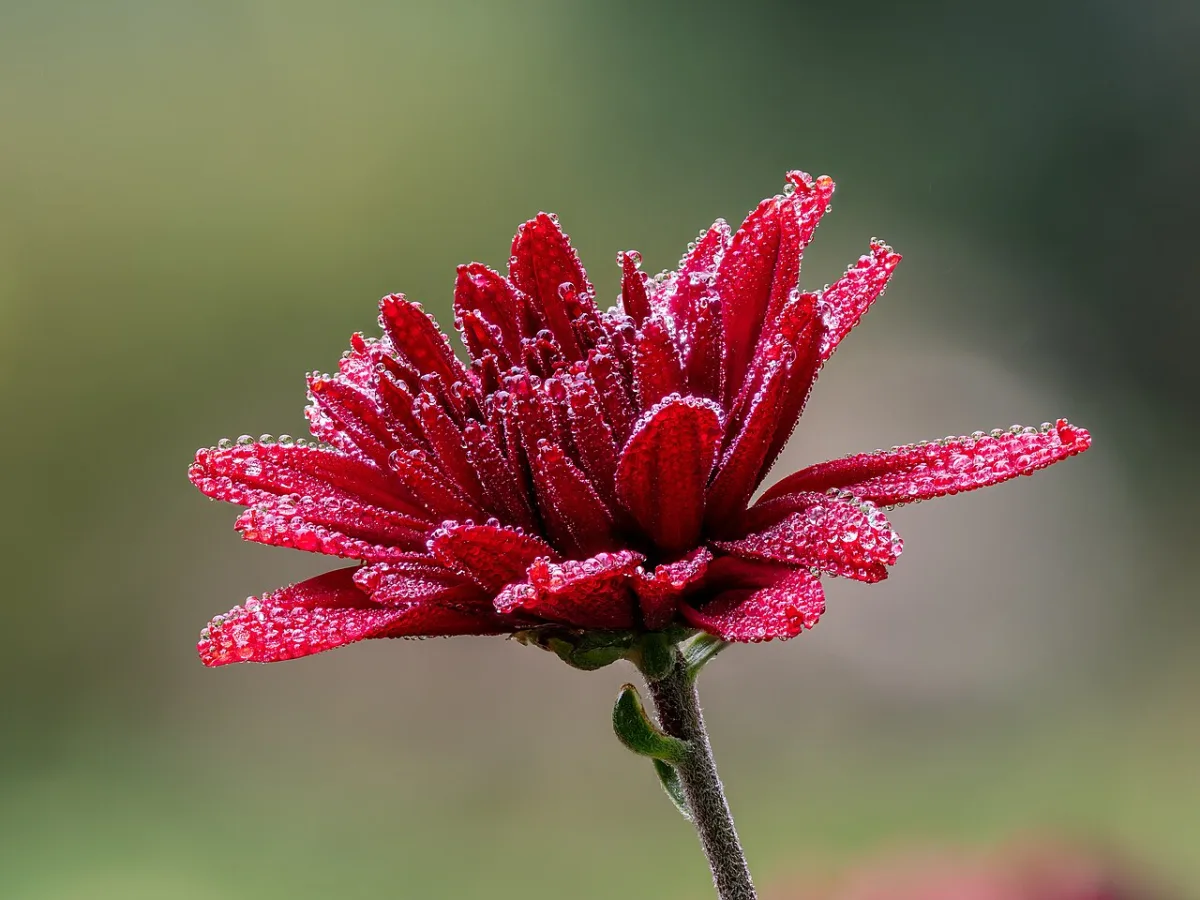
Chrysanthemum
Chrysanthemum morifolium
 Non-toxic to pets
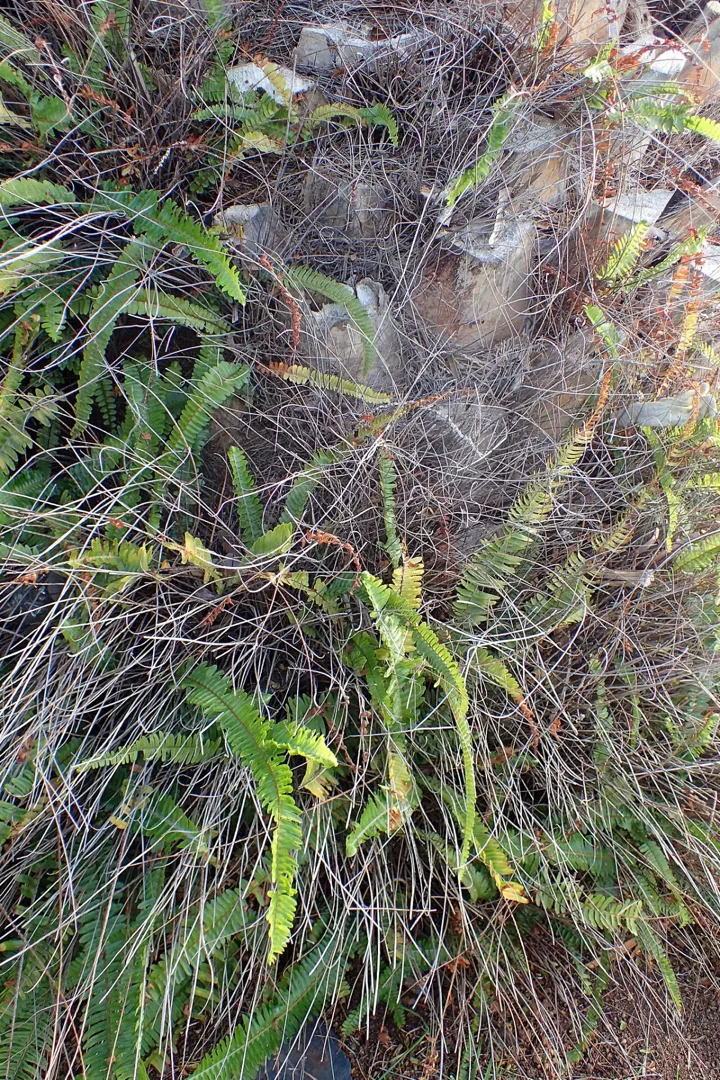
Boston Fern
Nephrolepis exaltata
Free care tools
Keep your Peace Lily thriving.
Get a watering schedule for your conditions, or work out what's wrong when something looks off.