If you have ever walked into a plant shop, browsed a plant website, or scrolled through plant social media, you have encountered the claim: "Houseplants purify your air! NASA proved it!" The NASA Clean Air Study is one of the most frequently cited pieces of research in the houseplant world. It has been used to sell a great many plants and has become the foundation of the "plants are good for your health" narrative.
The study is real. The findings are real. But the way those findings have been applied to your living room is, unfortunately, wildly misleading. Let us unpack what NASA actually found, why it does not mean what plant sellers say it means, and what benefits houseplants genuinely provide.
The Myth
The claim: houseplants — especially certain species like snake plants, pothos, peace lilies, and spider plants — actively filter harmful chemicals (formaldehyde, benzene, trichloroethylene, etc.) from your indoor air, making your home healthier to breathe in. A few well-placed plants can meaningfully improve your indoor air quality.
What NASA Actually Studied
In 1989, NASA scientist B.C. Wolverton published a study titled "Interior Landscape Plants for Indoor Air Pollution Abatement." The research was motivated by a practical space exploration problem: sealed spacecraft accumulate volatile organic compounds (VOCs) off-gassed from materials, equipment, and human activity. NASA wanted to know if plants could help filter these chemicals in the enclosed environment of a space station.
The Setup
The study placed individual plants in sealed chambers — small, airtight containers approximately the size of a large fish tank. Specific chemicals (formaldehyde, benzene, or trichloroethylene) were injected into the sealed chamber at known concentrations. Over 24 hours, the researchers measured how much of each chemical the plant (and its soil microbiome) absorbed.
The Findings
The results were genuinely impressive within the experimental context. Many plants significantly reduced concentrations of specific VOCs within 24 hours in the sealed chamber:
- Peace lily — Removed significant benzene and trichloroethylene
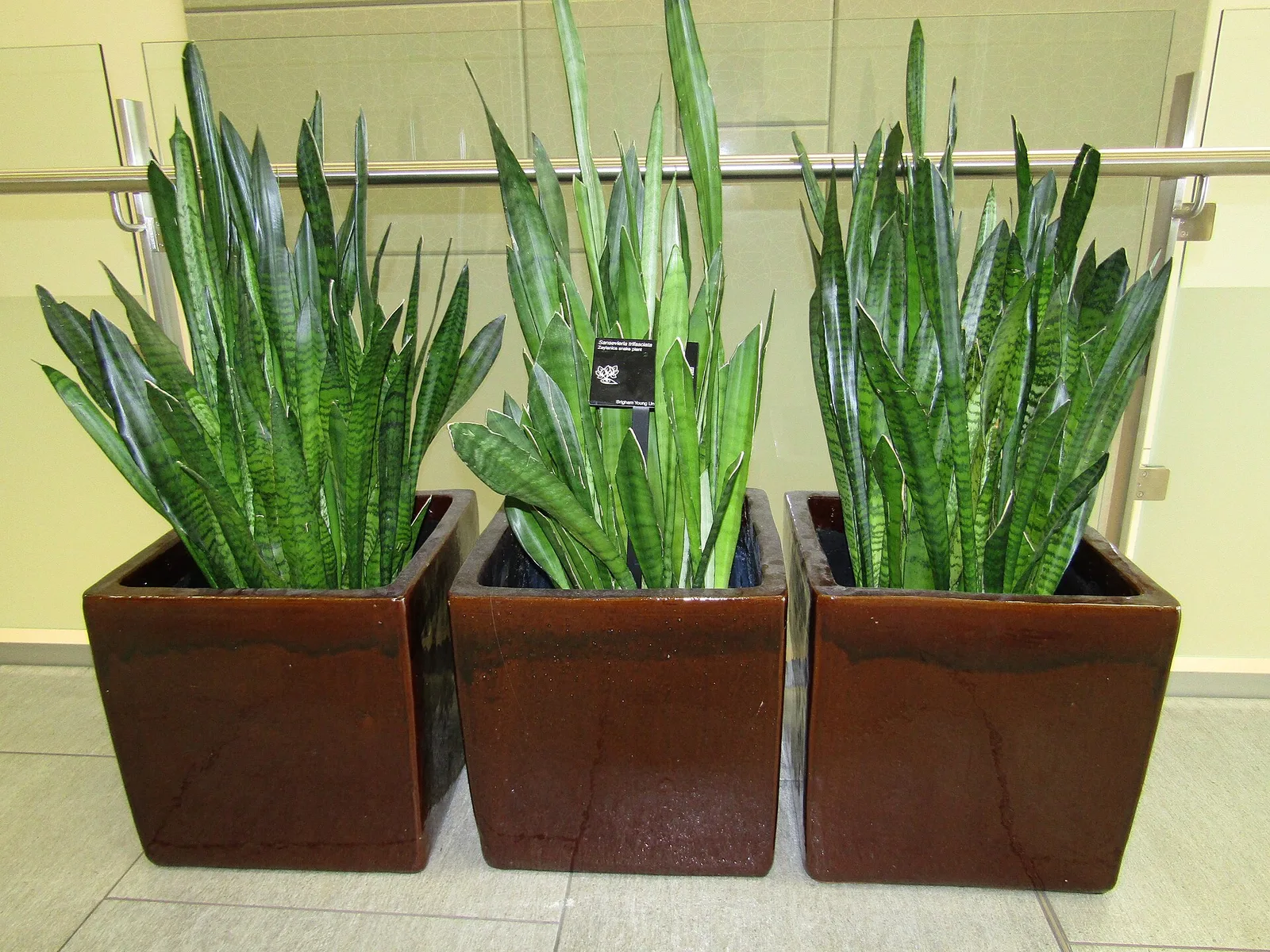
- Snake plant — Effective against formaldehyde
- Golden pothos — Reduced formaldehyde
- English ivy — Effective against benzene
- Spider plant — Reduced formaldehyde and carbon monoxide
These findings are legitimate science. The plants did remove measurable amounts of VOCs in the experimental conditions.
Why It Does Not Apply to Your Living Room
Here is where the narrative falls apart. The conditions of the NASA study are fundamentally different from a normal home in ways that completely change the practical implications.
1. Sealed Chambers vs Open Rooms
The NASA experiments used small, sealed, airtight chambers. Your home is not sealed. Air constantly exchanges with the outdoors through doors, windows, HVAC systems, gaps, and ventilation. In a sealed chamber, the plant has hours to work on a fixed volume of air. In your living room, new air (and new pollutants) are continuously entering while treated air is continuously leaving.
2. The Volume Problem
This is the critical issue. A 2019 review of the published research on houseplants and indoor air compared the clean air delivery rate of houseplants — essentially, how much air a plant can clean per unit of time — with the rate at which ordinary ventilation replaces indoor air.
Their conclusion was stark: to match the effect of normal air exchange or a basic mechanical air purifier, you would need an impractically large number of plants — far more per square meter of floor space than anyone could fit in a home.
In other words, not 5 plants, and not 20. A room would need to be packed with plants to approach what ordinary ventilation does passively.
3. The Rate of Purification
Even in the sealed NASA chambers, the plants took 24 hours to significantly reduce VOC concentrations. In your home, VOCs are continuously off-gassing from furniture, carpets, cleaning products, paint, and dozens of other sources. The rate at which a few plants can absorb these chemicals is vastly slower than the rate at which they are being produced. It is like trying to empty a bathtub with a teaspoon while the faucet is running.
4. The Soil Factor
Interestingly, some of the NASA study's air-cleaning effect came from microorganisms in the soil, not the plant itself. Soil bacteria break down some VOCs as part of their metabolic processes. This means the "plant" benefit was partially a "pot of soil" benefit. You would get some of the same effect from a pot of soil without a plant in it — though obviously that defeats the aesthetic purpose.
What the Scientific Community Actually Says
Reviews of the research since the NASA study point the same way: the rate at which potted plants remove VOCs is far too slow to compete with the air exchange that already happens in buildings. At normal room scale, with normal ventilation, the effect of houseplants on indoor air is negligible.
This does not mean the NASA study was wrong. It means the study's findings have been extrapolated beyond their valid context. What works in a sealed chamber does not scale to a ventilated room. The science is sound; the marketing interpretation is not.
The Real Benefits of Houseplants
Here is the good news: even though plants are not meaningfully purifying your air, they offer other real benefits that are arguably more valuable than air filtration.
Mental Health and Well-Being
This is the benefit with the most support. Research on people and indoor plants suggests that being around and caring for plants can:
- Reduce stress. Some studies have found that spending a few minutes tending plants left people feeling calmer than the same time spent on a screen-based task.
- Improve mood. Many people report that plants make a room feel calmer and more pleasant to spend time in.
- Support focus. Some office research suggests people feel more comfortable and engaged in workspaces with plants.
- Offer a calming routine. Horticultural therapy uses plant care as a therapeutic activity, and many people find tending plants good for their well-being.
Humidity
Plants do genuinely increase indoor humidity through transpiration — the process of releasing water vapor through their leaves. A large collection of plants grouped together can raise the humidity around them slightly, which can help in dry climates or during winter when heating dries indoor air. The effect is modest, and it benefits both your skin and your respiratory comfort.
Noise Reduction
Dense plant foliage can absorb, deflect, and refract sound waves, providing a small but real noise-dampening effect. This is most noticeable with large-leaved plants or living walls. The effect is subtle in a typical home but can contribute to a sense of calm.
Aesthetic and Biophilic Connection
Humans have an innate affinity for nature (biophilia). Bringing plants indoors satisfies this connection and makes indoor spaces feel more alive, comfortable, and welcoming. This is not a trivial benefit — for many people, plants are a big part of what makes a home feel lived-in and welcoming.
Routine and Purpose
Caring for plants provides a gentle daily routine — checking soil moisture, observing new growth, rotating for light. For many people, especially those who live alone or work from home, this routine adds structure and a sense of purpose to the day. Watching a plant you propagated grow from a cutting to a full plant is genuinely rewarding.
Should You Buy Plants for Air Quality?
If air quality is your primary concern, your money is better spent on:
- A HEPA air purifier. A properly sized unit filters particulates (and, with a carbon filter, some VOCs) at a rate that can make a real difference in a room.
- Opening windows. Regular ventilation is the simplest and most effective way to improve indoor air quality.
- Reducing VOC sources. Choose low-VOC paints, avoid synthetic air fresheners, and opt for natural cleaning products.
- Maintaining your HVAC system. Clean filters and a well-maintained system help keep indoor air in better shape.
Buy plants because you love them, because they make your home beautiful, because caring for them brings you joy, and because many people find them good for their mood and well-being. Just do not buy them expecting them to be air purifiers. That is not what they do — and that is okay, because what they actually do is arguably better.
Bottom Line
The NASA study is real science applied in a misleading context. Your 5 houseplants are not purifying your air in any meaningful way. But they can make your space calmer and more beautiful and give you a rewarding hobby. Those benefits are not mythical, and they are genuinely valuable. Buy plants for the right reasons and enjoy them guilt-free.
Browse all plants in our Air Purifying Plants collection.
Frequently Asked Questions
Does this mean the NASA study was fake?
Not at all. The NASA study was legitimate research. The findings are accurate within the study's parameters — sealed chambers, controlled conditions, specific chemicals. The problem is not the study itself; it is the way plant marketers have extrapolated those findings to claim that a few potted plants can clean the air in a normal room. The study was never designed to test that claim.
If I had 100+ plants, would they purify my air?
More plants would increase the air-cleaning effect, but even 100 plants in a typical room would fall far short of meaningful purification. Later reviews of the research concluded you would need an impractically large number of plants per room, and even then, a properly sized HEPA air purifier would do more. The logistics of watering, light, and maintenance for hundreds of plants make this impractical anyway.
Are there any plants that genuinely help air quality?
In sealed or semi-sealed environments (like spacecraft, submarines, or tightly sealed buildings with minimal ventilation), plants can make a measurable contribution. For most homes, the practical air quality benefit is negligible. A large plant collection can add a little humidity, which can make dry air feel more comfortable — but that is humidity, not purification.
Should I stop telling people plants clean the air?
It is more accurate to say that plants improve your indoor environment through mood, a calming routine, a little humidity, and aesthetics. Saying "plants clean your air" specifically overpromises on one narrow claim that the science does not support in real-world home conditions. Lead with the benefits people actually notice — they are compelling enough on their own.