Quick Summary
Winter means less light, drier air, and slower growth for houseplants. Reduce watering by 30-50%, maximize available light, boost humidity, watch temperatures near windows, stop fertilizing, delay repotting, and inspect regularly for pests. Resume normal care in early spring when new growth appears.
Winter is the trickiest season for houseplants. Shorter days, dry indoor air from heating systems, and temperature swings near windows can stress even the hardiest plants. The good news is that winter plant care is not complicated — it just requires a shift in routine. This winter plant care checklist will help you keep your entire collection healthy until spring.
Month-by-Month Winter Care Calendar
Rather than trying to change everything at once, here is what to focus on each month:
| Month | Key Actions |
|---|---|
| October | Bring outdoor plants inside before nighttime temperatures drop below 50°F. Inspect for hitchhiker pests before bringing anything indoors. Reduce watering frequency. Give all plants a final feeding for the season. |
| November | Stop fertilizing. Move plants closer to windows. Set up humidifiers or pebble trays. Clean all leaves to maximize light absorption. Check for cold drafts near windows. |
| December | Full winter mode. Water sparingly and only when soil is dry. Move plants off windowsills on very cold nights. Keep plants away from heating vents and fireplaces. This is the lowest-light month. |
| January | The hardest month for most plants. Maintain humidity vigilantly. Watch for spider mites (they love dry air). Consider supplemental grow lights if plants look stressed. Continue reduced watering. |
| February | Days start getting noticeably longer. Watch for early signs of new growth. Begin planning repotting for spring. Continue winter watering but check moisture more frequently as light increases. |
| March | Transition month. Gradually increase watering as new growth appears. Resume half-strength fertilizer when you see active growth. Begin spring cleaning — wipe leaves, check roots, repot if needed. |
1. Reduce Watering
Most houseplants enter a period of slower growth (or dormancy) in winter. They use less water, so the biggest winter mistake is overwatering. Soggy soil in winter leads to root rot faster than any other time of year because roots are less active and cannot process excess moisture.
- Let soil dry out more between waterings than you would in summer
- Check soil moisture with your finger before watering, every time — push in at least an inch
- Water with room-temperature water to avoid shocking cold roots
- Reduce watering frequency by roughly 30-50% compared to summer
- Water in the morning so excess moisture can evaporate during the warmer daytime hours
Winter Watering Adjustments by Plant Type
| Plant Type | Summer Schedule | Winter Schedule | Notes |
|---|---|---|---|
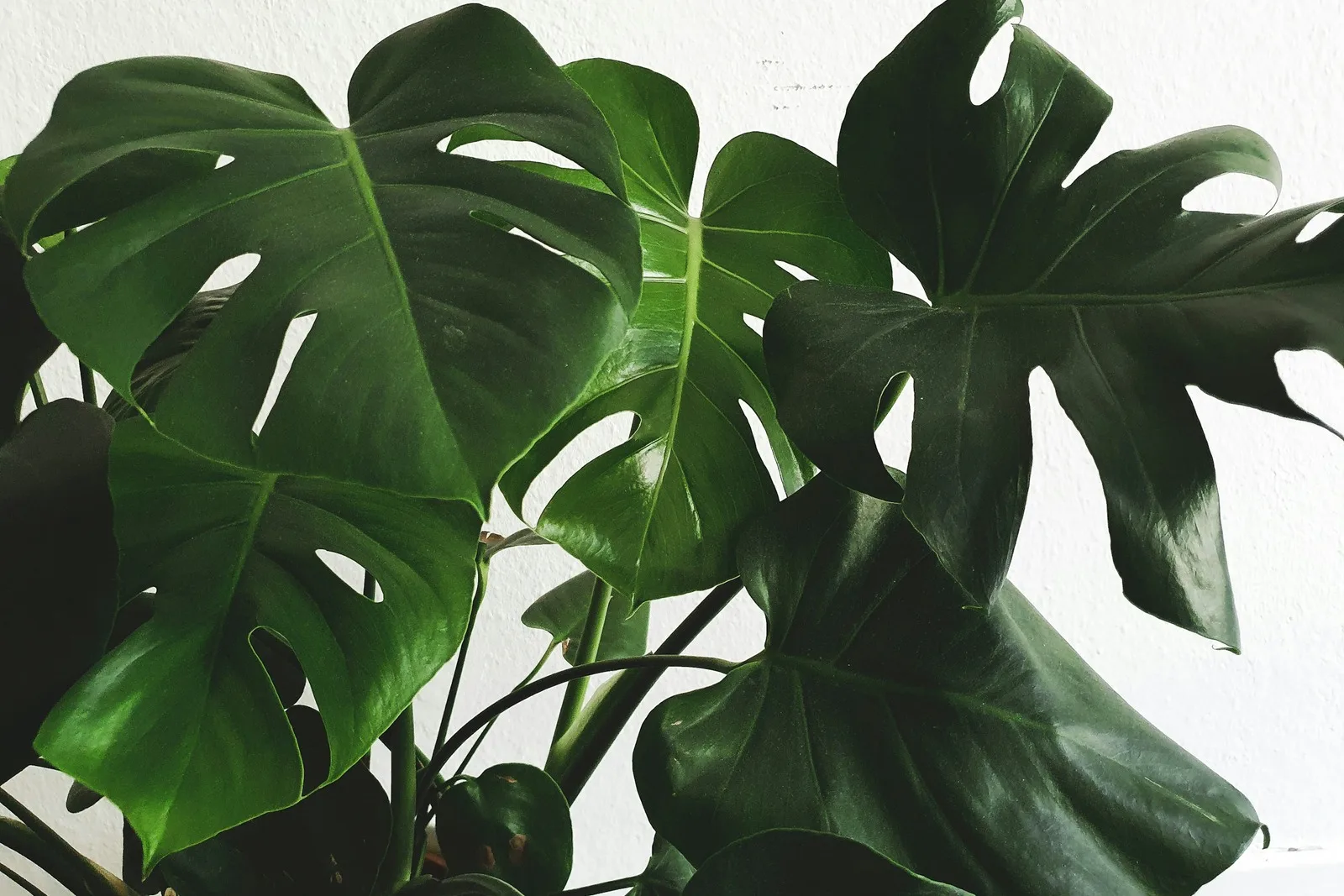
| Tropical (Monstera, Calathea, Peace Lily) | Every 5-7 days | Every 10-14 days | Still want consistent moisture — do not let dry completely |
| Pothos, Philodendron, Spider Plant | Every 7 days | Every 10-14 days | Tolerant of drying out, easy transition |
| Succulents, Cacti | Every 10-14 days | Every 3-6 weeks | Dramatically reduce. Some cacti need zero water in winter. |
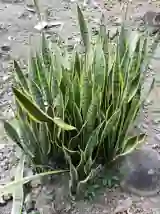
| Snake Plant, ZZ Plant | Every 14-21 days | Every 3-6 weeks | Already drought-tolerant — err on the dry side |
| Ferns | Every 3-5 days | Every 7-10 days | Still need more moisture than most — monitor closely |
| Fiddle Leaf Fig | Every 7-10 days | Every 14-21 days | Very sensitive to overwatering in winter |
Pro Tip
We recommend the XLUX Moisture Meter for beginners. It takes the guesswork out of knowing when to water, especially in winter when drying times are unpredictable. Insert the probe halfway into the pot — if it reads "dry" or "1-3," it is time to water for most plants.
2. Maximize Light
Winter days are shorter and the sun sits lower in the sky. Your plants notice. In many northern regions, winter daylight drops to 8-9 hours compared to 14-16 hours in summer, and the light intensity through windows is significantly weaker.
- Move plants closer to windows (but watch for cold drafts — more on that below)
- Clean dusty leaves so they can absorb maximum light — a gentle wipe with a damp cloth makes a noticeable difference
- Clean your windows too — dirty glass can noticeably reduce the light that gets through
- Rotate pots every 1-2 weeks so all sides get light
- Consider a grow light for plants showing signs of light stress (leggy growth, pale leaves)
- Move plants that were happy in medium light to brighter spots — that medium-light shelf might be low light in December
Supplementing with Grow Lights
If you notice leggy growth, pale new leaves, or variegated plants losing their patterns, supplemental light can make a huge difference. A full-spectrum LED grow light bulb (like the Sansi 36W) that fits a regular desk lamp is the easiest way to add light. Run it for 10-14 hours per day (use a timer) positioned 6-12 inches above the foliage. Even just 6-8 hours of supplemental grow light for your most light-hungry plants — Fiddle Leaf Fig, Monstera, and succulents — can prevent winter decline.
3. Boost Humidity
Heating systems make indoor air very dry, often dropping below 20-30% relative humidity. Most tropical houseplants want 40-60% humidity minimum. When humidity drops, you see brown leaf tips, crispy edges, and increased spider mite activity.
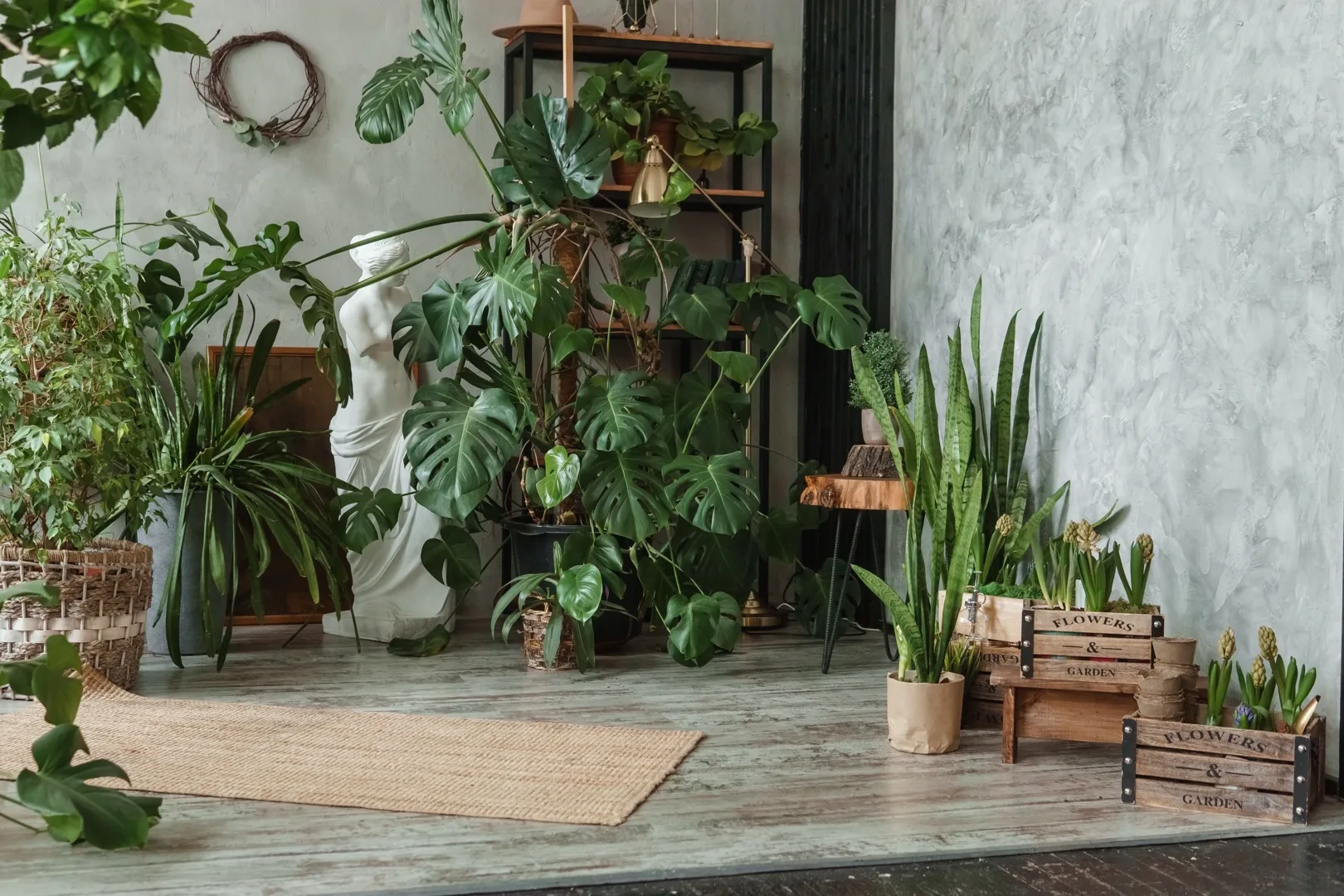
- Group plants together. They create a microclimate of higher humidity through collective transpiration. A cluster of 4-5 plants can raise local humidity slightly.
- Use a humidifier. The most effective option, especially for tropical plants like Calathea, Ferns, and Alocasia. A cool-mist humidifier near your plant cluster for a few hours daily makes a dramatic difference. Models with built-in hygrometers are ideal.
- Pebble trays. Fill a tray with pebbles and water. Set plants on top (not in the water). As the water evaporates, it raises humidity around the plants. Refill as needed.
- Skip misting. Despite popular advice, misting provides only seconds of humidity and can promote fungal issues in winter when airflow is poor.
- Use the bathroom. If you have a bright bathroom, moving humidity-loving plants there during winter takes advantage of shower steam naturally.
Pro Tip
Buy an inexpensive digital hygrometer and place it near your plants. Knowing the actual humidity level takes the guesswork out of deciding whether your plants need more moisture. Aim for 40-50% minimum for most tropical houseplants.
4. Watch the Temperature
Temperature fluctuations are one of the sneakiest winter plant killers. A windowsill can be 75°F during the day and 40°F at night. That swing is brutal for tropical plants.
- Keep plants away from cold drafts (windows, exterior doors, gaps in window frames)
- Move plants off windowsills at night if temperatures drop below 50°F outside — the glass radiates cold
- Keep plants away from heating vents and radiators — hot, dry air directly blowing on foliage causes rapid moisture loss
- Most houseplants are comfortable between 60-75°F
- Avoid placing plants where doors open and close frequently, letting in blasts of cold air
Temperature Danger Zones by Plant Type
| Plant | Minimum Safe Temperature | Damage Starts At |
|---|---|---|
| Tropical (Calathea, Alocasia, Prayer Plant) | 60°F (15°C) | Below 55°F — leaf damage, slowed growth |
| Pothos, Philodendron | 55°F (13°C) | Below 50°F — yellowing, stunted growth |
| Monstera | 55°F (13°C) | Below 50°F — blackened leaf edges |
| Fiddle Leaf Fig | 55°F (13°C) | Below 50°F — leaf drop |
| Snake Plant | 50°F (10°C) | Below 45°F — mushy leaves, root rot |
| Succulents (most) | 45°F (7°C) | Below 40°F — frost damage, translucent leaves |
| ZZ Plant | 55°F (13°C) | Below 45°F — yellowing stems |
| Ferns | 55°F (13°C) | Below 50°F — frond browning |
5. Stop Fertilizing (The Fertilizer Pause)
Most houseplants do not need fertilizer in winter. Their growth slows naturally, and excess fertilizer can build up as salts in the soil, burning roots. Feeding a dormant plant is like serving a full meal to someone who is sleeping — it just sits there causing problems.
- Stop feeding in late October or November when growth visibly slows
- Resume in early spring when you see new growth (new leaves, unfurling fronds, lengthening vines)
- Exception: plants under grow lights that are still actively growing can get half-strength fertilizer monthly
- If you notice white crust on the soil surface (mineral buildup from prior fertilizing), flush the soil with a thorough top-watering session to wash out accumulated salts
6. Hold Off on Repotting
Winter is not the time to repot unless there is an emergency (like root rot). Repotting stresses the plant, and without active growth, recovery takes much longer. Roots that are damaged or pruned during repotting cannot regenerate efficiently when the plant is dormant.
If you notice a plant is severely rootbound, you can wait until late February or early March when the first signs of spring growth appear. Emergency exceptions include root rot (where the plant will die if you do not intervene) or a pot that has cracked and is leaking.
7. Inspect for Pests
Dry indoor air creates ideal conditions for spider mites, mealybugs, and scale. These pests thrive in warm, dry environments — which is exactly what your heated home provides in winter. Because plant growth is slow, pest damage accumulates faster than the plant can recover.
- Look under leaves and along stems weekly
- Watch for sticky residue on leaves or nearby surfaces (a sign of sap-sucking pests)
- Check where leaves meet stems — mealybugs love to hide in these crevices
- Look for fine webbing between leaves — the telltale sign of spider mites
- Treat any infestation immediately with neem oil or insecticidal soap
- Quarantine any infested plant away from your collection until the problem is resolved
Pro Tip
Give your plants a monthly "shower" in the sink or bathtub with lukewarm water. This cleans dust off leaves (improving light absorption), raises humidity temporarily, and physically dislodges pests like spider mites. Let the pots drain thoroughly before returning them to their spots.
8. Moving Plants Away from Windows
This is worth its own section because it is one of the most common winter mistakes. During the day, south and west-facing windows are great — maximum winter sun. But at night, those same windows become cold radiators. Glass provides almost no insulation, and the air directly next to a window can be 10-20°F colder than the room temperature.
Solutions:
- Pull plants back 6-12 inches from the window at night (or use a shelf or table that creates a gap)
- Use insulating curtains — close them at night with plants on the room side of the curtains
- For cold-sensitive tropical plants, move them to the center of the room during extreme cold snaps
- Consider window insulation film — it reduces cold drafts and helps plants near windows stay warmer
Common Winter Problems and Solutions
Brown, Crispy Leaf Edges
Almost always a humidity problem. Indoor heating dries the air dramatically. Solution: humidifier, pebble trays, or group plants together. This is especially common on Calathea, Ferns, Prayer Plants, and Dracaena.
Yellowing Lower Leaves
Usually overwatering. Plants use less water in winter, so your summer schedule is too frequent. Let the soil dry more between waterings. Can also indicate insufficient light.
Leggy, Stretched Growth
Not enough light. Move the plant closer to a window or add a supplemental grow light. This is especially common in Pothos, Philodendron, and any trailing plant.
Leaf Drop
Cold drafts, sudden temperature changes, or overwatering. Check the plant's position relative to windows, doors, and heating vents. Fiddle Leaf Figs and Ficus trees are notorious for dropping leaves in winter.
No Growth at All
This is actually normal. Most houseplants slow down or stop growing entirely in winter. Do not panic, do not overfeed, and do not repot to "encourage growth." They will resume when spring arrives.
The Spring Transition
Knowing when and how to transition out of winter care is just as important as the winter routine itself:
- Watch for new growth. The first new leaf, unfurling frond, or extending vine is your signal that the plant is waking up. This typically happens in March or April.
- Gradually increase watering. Do not jump straight back to summer frequency. Increase by one extra watering per week and adjust from there.
- Resume fertilizing. Start with half-strength fertilizer and move to full strength after a month of active growth.
- Repot if needed. Spring is the ideal time. Check for roots circling the bottom or growing from drainage holes.
- Move plants back from windows. As sun intensity increases, plants that were happy near south-facing windows in winter may start getting sunburned. Adjust positions gradually.
- Spring clean. Wipe all leaves, check for pests one more time, top off soil in pots where it has compacted, and consider refreshing the top inch of soil in pots you are not repotting.
Quick Winter Care Reference
| Task | Frequency |
|---|---|
| Check soil moisture | Before every watering |
| Rotate pots | Every 1-2 weeks |
| Clean leaves | Monthly |
| Inspect for pests | Weekly |
| Refill humidifier/pebble tray | As needed |
| Check window temperature | During cold snaps |
| Flush soil (top water) | Once in mid-winter |
Frequently Asked Questions
Should I move all my plants away from windows in winter?
No — most plants actually need to be closer to windows in winter because of reduced daylight. The key is to move them slightly back from the glass at night during very cold weather. A spot 6-12 inches from a bright window is ideal. Only move plants to the center of the room during extreme cold snaps below 20°F outside.
My plant has not grown at all since November. Is it dying?
Probably not. Most houseplants enter a dormant or slow-growth period in winter due to reduced light and shorter days. As long as the existing leaves look healthy (no yellowing, no mushiness, no pests), the plant is just resting. Growth will resume in spring.
Can I propagate plants in winter?
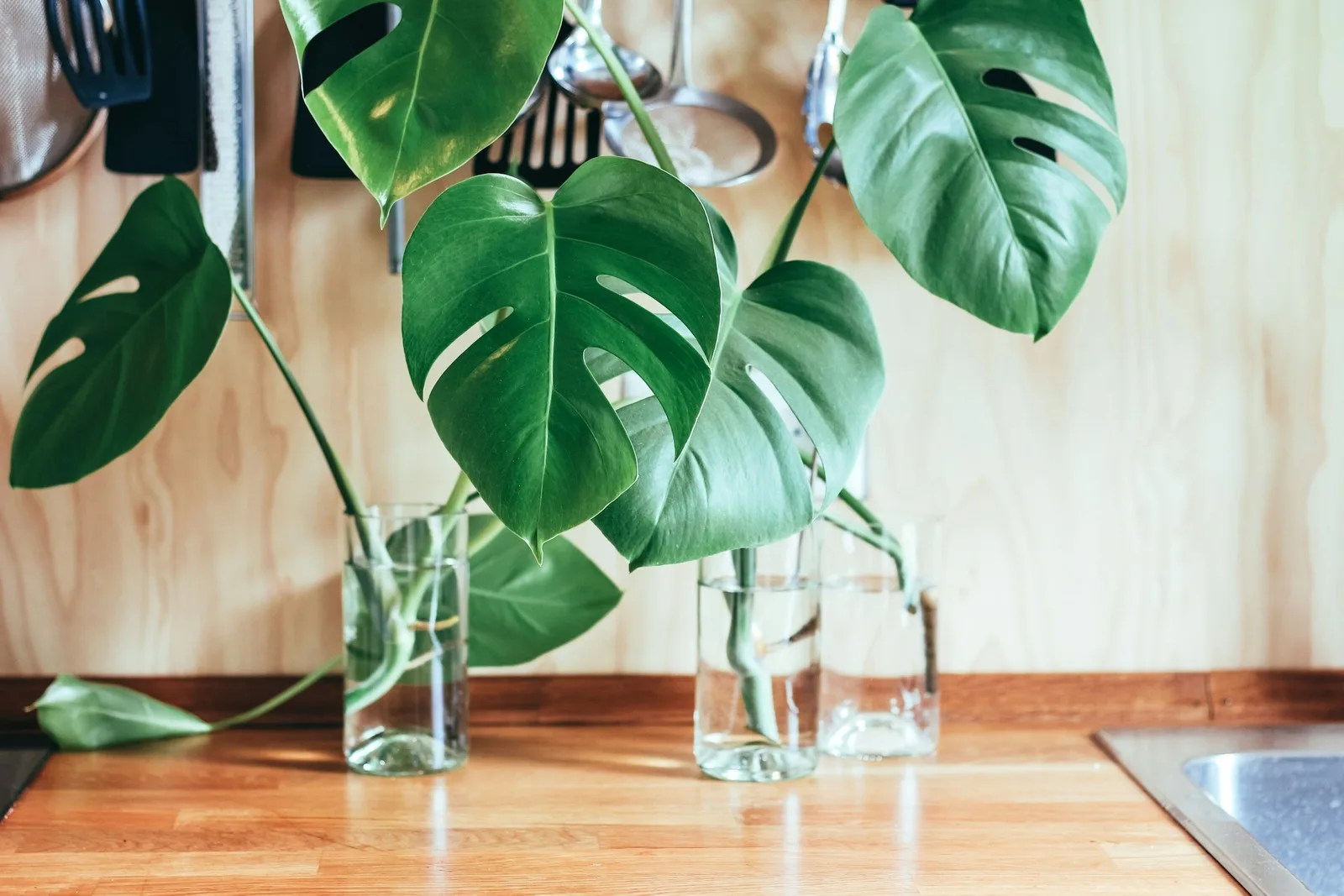
You can, but success rates are lower and everything takes much longer. Cuttings root slowly in winter due to reduced light and cooler temperatures. If possible, wait until spring for propagation projects. If you must propagate (rescue cutting from a damaged plant), use a heat mat and supplemental grow light to improve your chances.
Is it okay to repot in winter if my plant is rootbound?
If the plant is healthy and just rootbound, it is better to wait until spring. A rootbound plant in winter is uncomfortable but not in danger. If the plant has root rot (mushy roots, foul smell), that is an emergency and you should repot immediately regardless of season — trim the rotten roots, repot in fresh soil, and water sparingly.