Tropical Plants
Alocasia
Alocasia amazonica
In short: Bright indirect light · medium water needs · toxic to cats and dogs (ASPCA)
Dramatic arrow-shaped leaves with striking veined patterns. Alocasia is the bold, exotic statement plant for experienced growers.
- Light
- Bright Indirect
- Water
- Medium
- Humidity
- High
- Growth
- Medium
- Mature size
- 1-6 feet depending on variety
- Temperature
- 65–85°F (18–29°C)
Produces a small spathe flower similar to a peace lily. Not showy. Most growers remove blooms to redirect energy to foliage.
Last updated
Overview
Alocasia: Dramatic Elephant Ears
Alocasia plants are living sculptures with bold, arrow-shaped leaves featuring dramatic veined patterns. They bring a lush, exotic feel that few other plants match.
For the Adventurous Grower
Alocasia demands attention — high humidity, consistent watering, and warmth. But its dramatic beauty makes every effort worthwhile for those willing to meet its needs.
Popular Varieties
- Polly/Amazonica: Dark green with silver veins
- Zebrina: Zebra-striped stems with arrow leaves
- Dragon Scale: Textured, leathery leaves like dragon skin
- Frydek: Velvet-textured dark green with white veins
These plants can go dormant in winter, losing leaves temporarily before regrowing in spring.

Watering
Keep soil consistently moist but never waterlogged. Water when top inch dries. These are moisture-loving plants from tropical rainforests. Reduce watering if the plant goes dormant in winter. Bottom watering helps prevent crown rot.

Light
Bright, indirect light. No direct sun — scorches the dramatic leaves quickly. East-facing window ideal. Good light is essential for maintaining large leaf size. Too little light causes small leaves and long petioles.

Soil
Rich, airy, well-draining mix. Blend potting soil with perlite, orchid bark, and coco coir for the perfect balance of moisture retention and drainage. Think forest floor — moist but never soggy.

Fertilizing
Feed every 2 weeks during growing season with balanced liquid fertilizer at half strength. Active grower when conditions are right. Stop fertilizing if plant goes dormant.
Propagation
Propagate by division or offsets during repotting. Separate corms (bulb-like structures) and plant individually. Each corm grows into a new plant. Cannot propagate from leaf or stem cuttings.

Repotting
Annually in spring. Use a pot just slightly larger. Alocasia prefers being somewhat snug. Check corms during repotting — divide if overcrowded.

Common problems
Drooping leaves: Underwatering, overwatering, or cold. Check soil and temperature.
Yellow leaves: Overwatering or natural dormancy in winter.
Brown edges: Low humidity or cold drafts.
Losing all leaves: Dormancy — stop watering heavily. Corm is alive. Resume care in spring.
Pro tips
Dormancy is normal: If your Alocasia drops leaves in winter, do not panic. The corm is alive. Keep soil barely moist and warm. It returns in spring.
Humidity: 60%+ humidity is non-negotiable. Humidifier or bathroom placement essential.
One leaf rule: Alocasia typically drops an old leaf when a new one emerges — this is normal.

FAQ
Alocasia questions
Starter kit
Get set up for your Alocasia
Untick anything you already have.
The basics

Extras for your Alocasia
Was this helpful?
Your answer helps us improve this page.
Your answer didn't go through. Please try again.
Thanks for your feedback!
Similar plants
Plants like this one
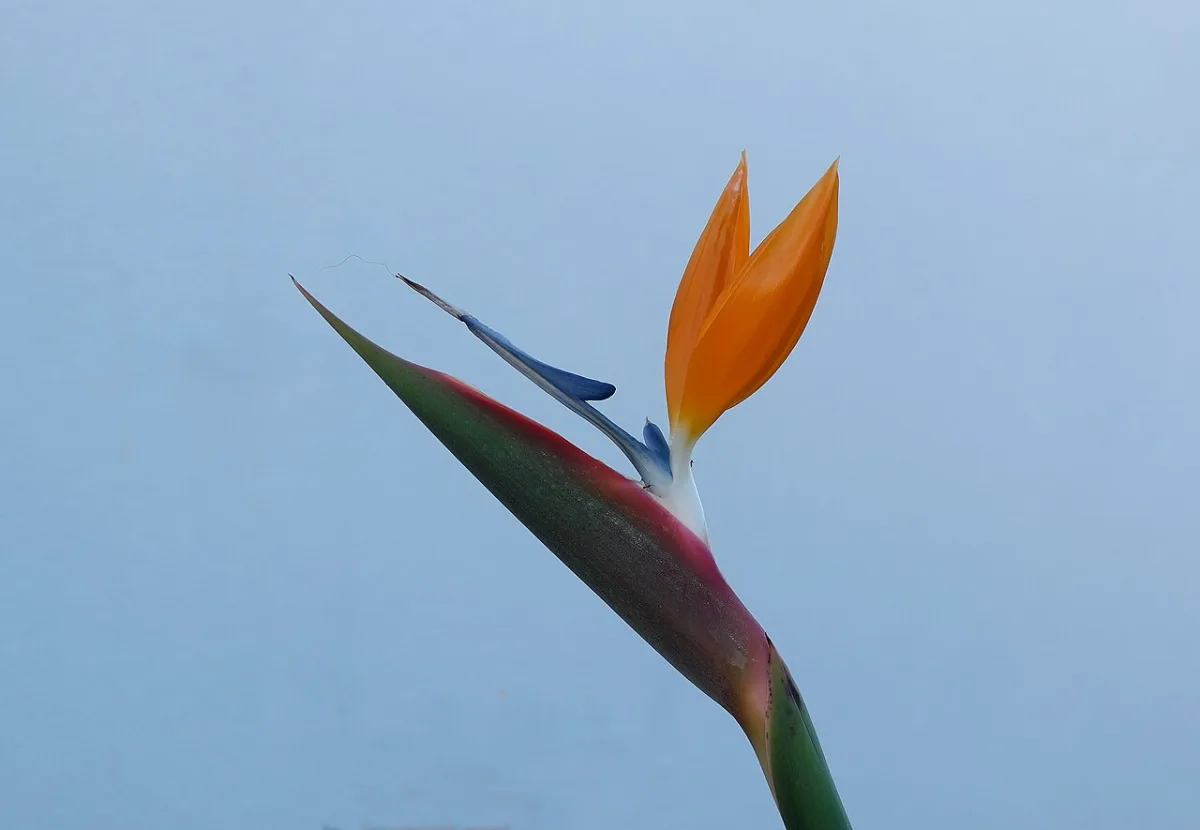
Bird of Paradise
Strelitzia reginae

Monstera Thai Constellation
Monstera deliciosa Thai Constellation
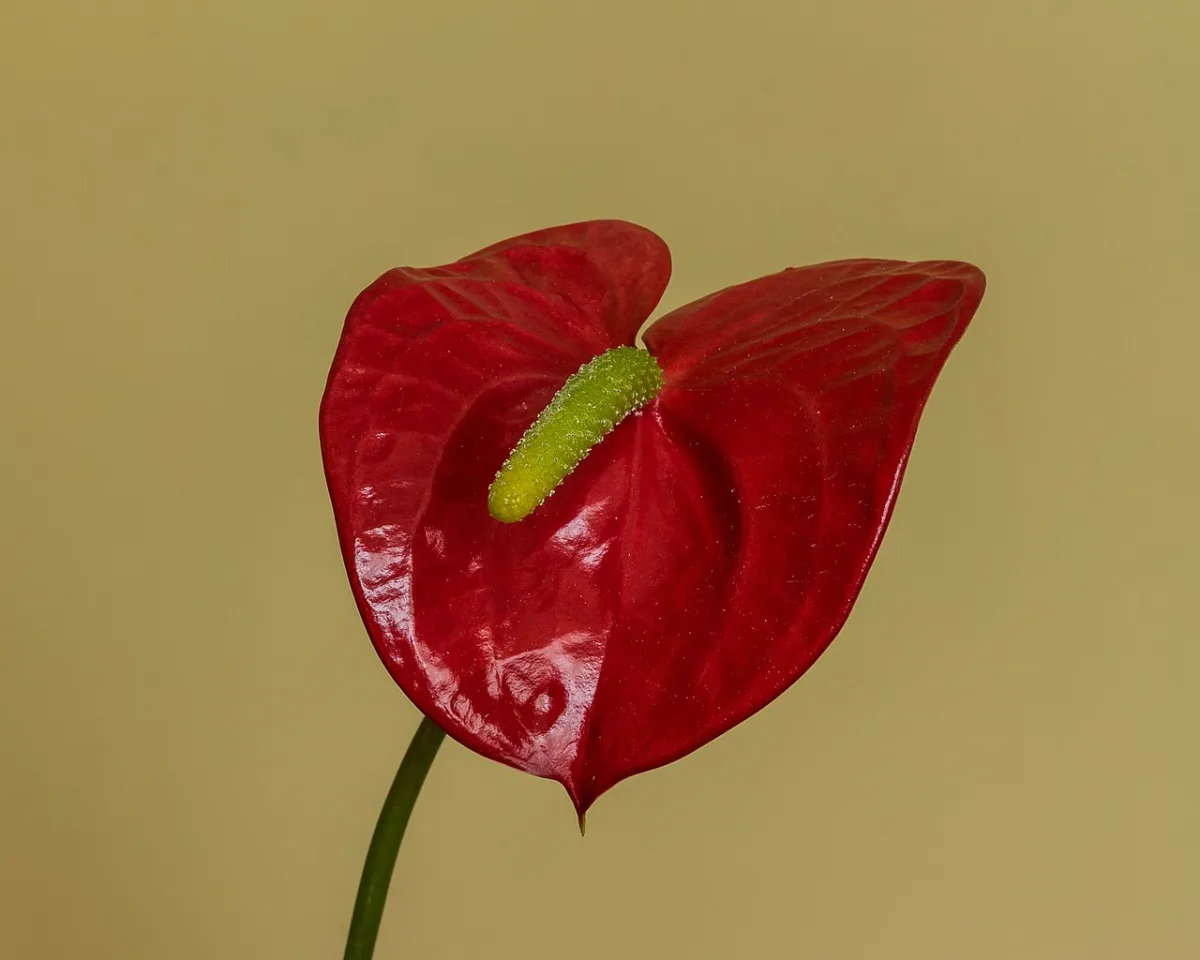
Anthurium
Anthurium andraeanum
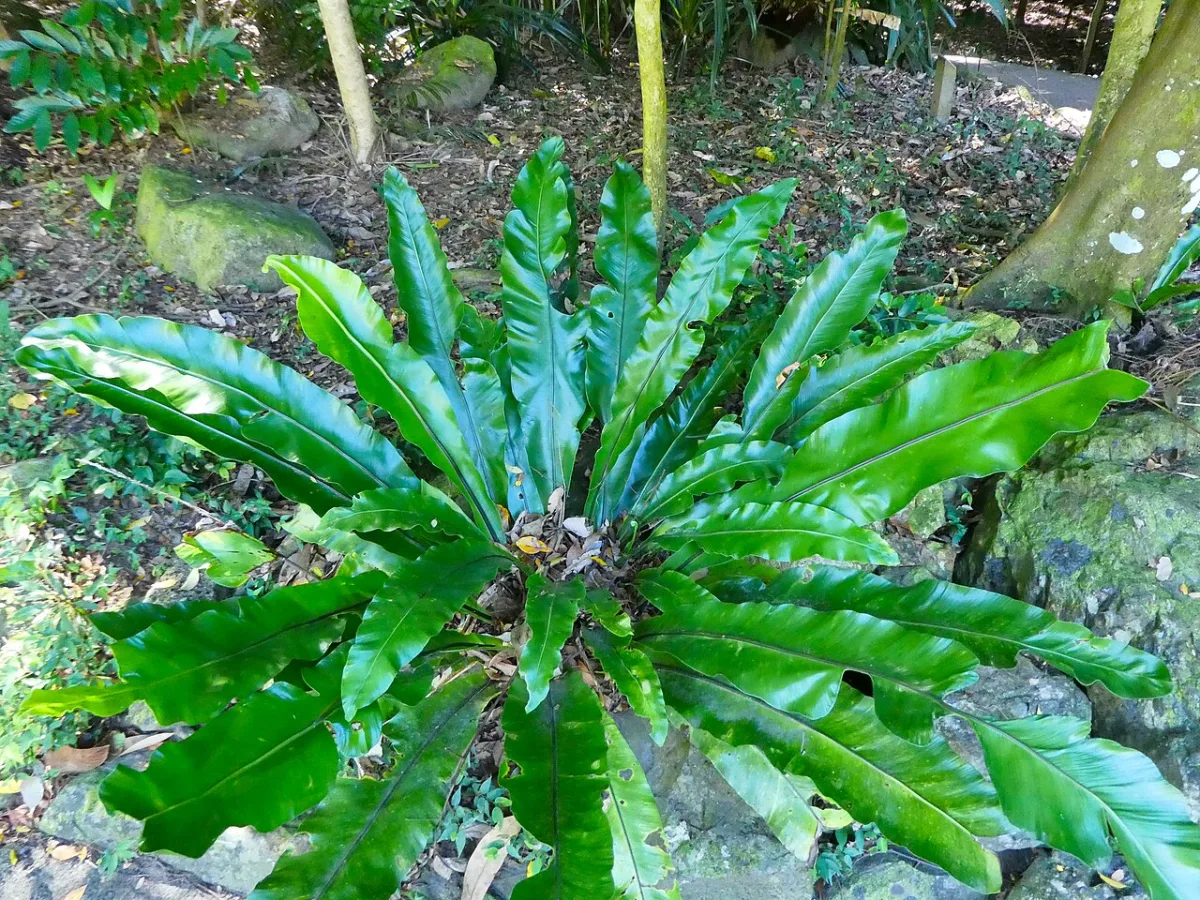 Non-toxic to pets
Bird's Nest Fern
Asplenium nidus
Free care tools
Keep your Alocasia thriving.
Get a watering schedule for your conditions, or work out what's wrong when something looks off.